Issue · Veterans

Veterans (Veteran Benefits)

Every veterans bill, vote, and legislator stance in United States, automatically classified by Maddy, our AI policy reader.

Total bills
439
119th Congress
Top supporter
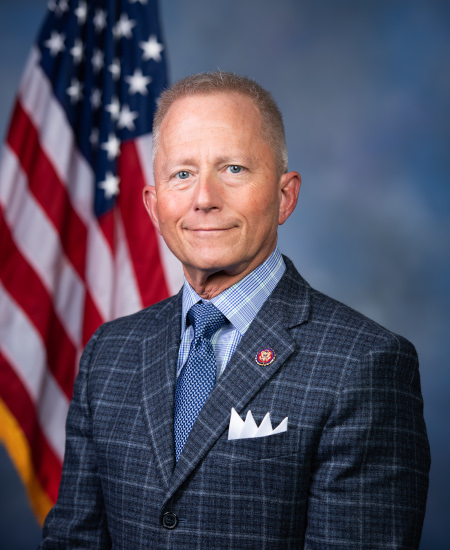
Jefferson Van Drew
100% support rate
Top opponent
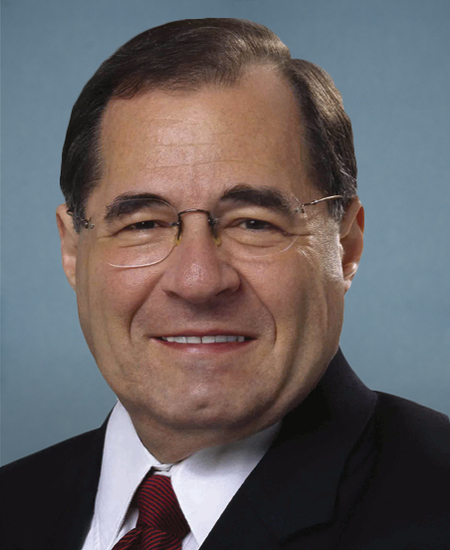
Jerrold Nadler
0% support rate
Ranked legislators
10
5 support · 5 oppose
Key legislators

Who's moving veteran benefits in United States

Legislators moving veteran benefits in United States
Legislator Party Stance Support rate Decisive votes
Jefferson Van Drew
Jefferson Van Drew House · District 2
R
Strong +
100% 4
Max L. Miller
Max L. Miller House · District 7
R
Strong +
100% 4
Elise M. Stefanik
Elise M. Stefanik House · District 21
R
Strong +
100% 3
Lauren Boebert
Lauren Boebert House · District 4
R
Strong +
100% 3
Wesley Hunt
Wesley Hunt House · District 38
R
Strong +
100% 3
Jerrold Nadler
Jerrold Nadler House · District 12
D
Strong −
0% 3
Mike Quigley
Mike Quigley House · District 5
D
Strong −
0% 3
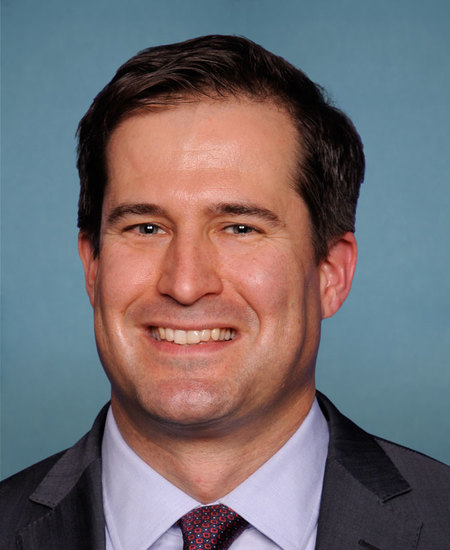
Seth Moulton
Seth Moulton House · District 6
D
Strong −
0% 3
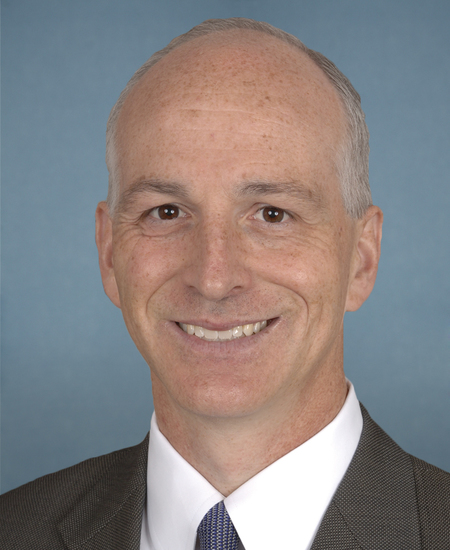
Adam Smith
Adam Smith House · District 9
D
Oppose
25% 4
Adelita S. Grijalva
Adelita S. Grijalva House · District 7
D
Oppose
25% 4
Showing 101–110 of 439 bills

All veterans bills

in committee · United States · House Mar 18, 2025

HR 2228: Survivor Benefits Fairness Act

HR 2228, the Survivor Benefits Fairness Act, modifies how the Department of Veterans Affairs calculates when survivor benefits stop for veterans' spouses or dependents. It changes the effective date for benefit reductions or discontinuances due to remarriage, marriage, or death from "the last day of the month before" to "the last day of the month during which" the event occurs. This means benefits will stop immediately in the month the qualifying event happens, rather than at the start of the following month. The bill directly affects veterans' spouses and dependents who receive dependency and indemnity compensation or pensions. It does not change benefit amounts or eligibility criteria, only the timing of when reductions take effect.
in committee · United States · Senate May 21, 2025

S 605: CHAMPVA Children's Care Protection Act of 2025

This bill increases the age limit for children to remain eligible for medical care under the CHAMPVA program from 21 to 26 years old, regardless of marital status. It directly affects the children of veterans who qualify for CHAMPVA benefits. The key provision amends Section 1781(c) of Title 38, U.S. Code, to extend coverage until a child's 26th birthday. This change applies to medical care provided on or after the bill's enactment date. It does not affect children already covered under specific existing provisions of the law.
in committee · United States · House Mar 5, 2025

HR 967: Modern GI Bill Act

HR 967, the Modern GI Bill Act, allows veterans using Post-9/11 GI Bill benefits to apply those funds toward repaying federal student loans. It sets an annual cap of $15,900 (adjusted yearly based on Social Security increases) and limits total repayment to 36 months. Payments would be made directly to lenders, and the benefit cannot be transferred to others. This applies specifically to federal student loans under Title IV of the Higher Education Act.
in committee · United States · House Mar 27, 2025

HR 1725: Sgt. Isaac Woodard, Jr. and Sgt. Joseph H. Maddox GI Bill Restoration Act of 2025

This bill provides housing loans and education assistance to Black World War II veterans who were denied GI Bill benefits due to racial discrimination, or to their surviving spouses, children, or direct descendants. To qualify, applicants must certify they were denied benefits on racial grounds under the original 1944 GI Bill and apply within five years of the law's enactment. The Department of Veterans Affairs must implement these provisions within 90 days and report to Congress on participation and program costs. It specifically addresses documented historical discrimination where Black veterans were steered toward vocational training instead of college, with only 6% earning degrees compared to 19% of White veterans.
in committee · United States · Senate Mar 6, 2025

S 878: Coast Guard Combat-Injured Tax Fairness Act

This bill amends the Combat-Injured Veterans Tax Fairness Act of 2016 to clarify and expand coverage for Coast Guard veterans with combat-related injuries. It ensures veterans who received severance payments while the Coast Guard operated under the Department of Homeland Security (not the Navy) or the Department of Transportation are treated the same as those under the Defense Department for tax purposes. The bill updates which agency secretaries (Defense, Homeland Security, or Transportation) are responsible for identifying and refunding improperly withheld taxes. It requires these agencies to complete these actions within one year of the bill's enactment. The bill directly affects Coast Guard veterans with combat injuries who had tax issues due to the Coast Guard's changing departmental oversight.
in committee · United States · House Apr 8, 2025

HR 2719: Staff Sergeant John D. Martek Purple Heart Restoration Act

This bill amends military law to allow veterans with service-connected traumatic brain injuries (TBIs) from enemy actions (since 1941) to receive the Purple Heart, even if they weren't previously eligible. It directly affects veterans who experienced such TBIs but lacked documentation or were denied the award due to timing. The key provision creates a new application process for these veterans, requiring the military to award the Purple Heart without considering when the injury occurred. The bill does not change eligibility for new injuries but retroactively extends the award to qualifying veterans based on existing service records or VA determinations.
in committee · United States · House Mar 4, 2025

HR 790: To amend title 38, United States Code, to authorize an individual who is awarded the Purple Heart for service in the Armed Forces to transfer unused Post-9/11 Educational Assistance to a family member, and for other purposes.

This bill (HR 790) allows veterans awarded the Purple Heart for service after September 11, 2001, to transfer unused Post-9/11 GI Bill educational benefits to eligible family members. It specifically permits Purple Heart recipients to transfer up to 36 months of unused benefits to dependents (like children or spouses) who meet existing eligibility criteria. The transfer requires written notification to the VA and Defense Department, and beneficiaries must meet age or educational milestones (e.g., high school completion or age 18) before using the benefits. The bill does not change the 36-month transfer limit or the core rules for benefit usage, but adds Purple Heart recipients to the existing list of veterans eligible to transfer benefits.
in committee · United States · Senate Jul 17, 2025

S 2344: Department of Veterans Affairs Claim Sharks Effective Warnings Act of 2025

This bill requires the Department of Veterans Affairs (VA) to display clear warnings on all public-facing VA websites and online tools about predatory practices. Specifically, it mandates that VA websites warn veterans not to share their account login credentials or bank account information (like usernames/passwords) with anyone. The law amends existing VA procedures to add this security warning as a standard message during website logins. The Chief Veterans Experience Officer will implement these changes, effective 180 days after the bill's enactment. The policy directly affects veterans using VA online services by strengthening protections against fraudulent agents targeting their personal information.
in committee · United States · House Mar 4, 2025

HR 660: WISER Act of 2025

The WISER Act of 2025 provides automatic discharge status upgrades and a $25,000 one-time payment to eligible female veterans involuntarily separated from military service between April 1951 and February 1976 under Executive Order 10240. It directly affects women veterans who served during that period and were separated due to pregnancy, childbirth, or childcare responsibilities. The bill establishes two programs: one to upgrade discharge status (treating veterans as if they completed their service) and another to pay $25,000 to eligible veterans or their surviving spouses if the veteran dies after enactment. Eligibility is automatic for those separated under Executive Order 10240, with additional consideration for veterans who had childbirth-related events within 10 months of separation.
in committee · United States · House Dec 9, 2025

HR 6193: Social Security Emergency Inflation Relief Act

This bill provides a one-time $200 monthly payment to eligible Social Security, SSI, railroad retirement, and veterans disability/pension beneficiaries during January-June 2026. It directly affects individuals receiving these specific benefits who reside in U.S. states, territories, or the District of Columbia, with payments delivered through existing benefit channels. Key provisions include treating these payments as non-income for tax and program eligibility purposes, prohibiting double payments for multiple benefits, and ensuring payments cannot be offset or assigned. The payments expire by July 2026, and the bill includes specific administrative funding for implementation.
Showing 101 to 110 of 439 bills
Previous 1 … 10 11 12 … 44 Next