

Issue · Veterans
Veterans (Veteran Healthcare)
Every veterans bill, vote, and legislator stance in United States, automatically classified by Maddy, our AI policy reader.
Total bills
629
119th Congress
Top supporter
Mitch McConnell
91% support rate
Top opponent
Ruben Gallego
8% support rate
Ranked legislators
10
5 support · 5 oppose
Key legislators
Who's moving veteran healthcare in United States
| Legislator | Party | Stance | Support rate | Decisive votes |
|---|---|---|---|---|
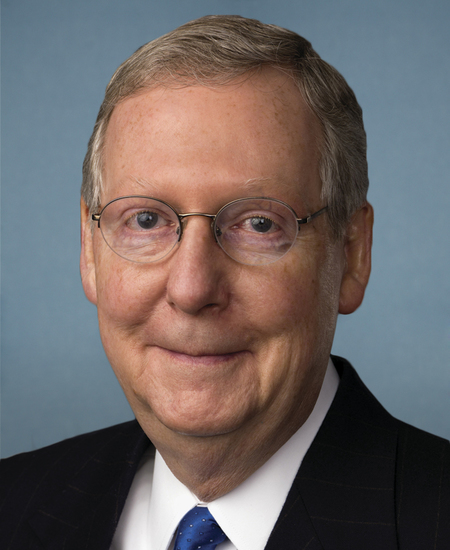
Mitch McConnell
Senate
|
R |
Strong +
|
91% | 22 |
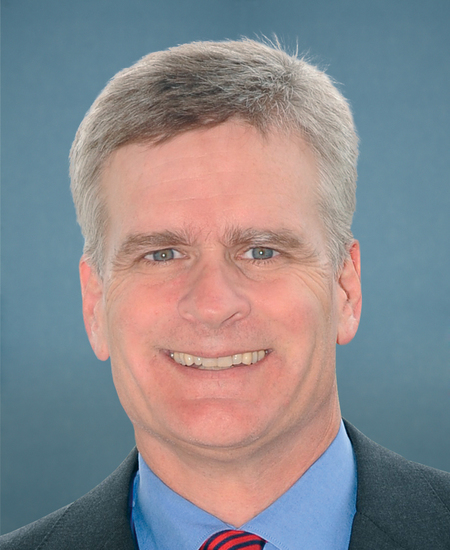
Bill Cassidy
Senate
|
R |
Strong +
|
90% | 21 |
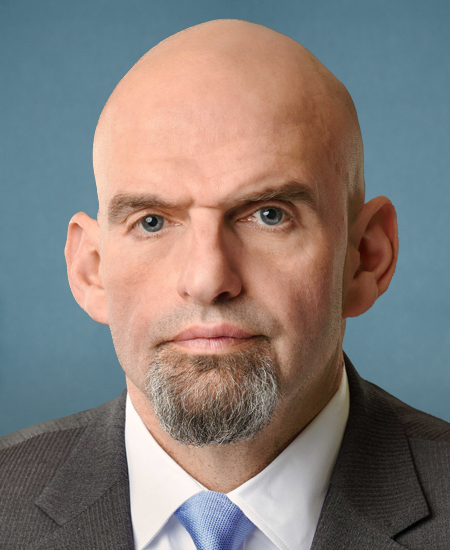
John Fetterman
Senate
|
D |
Strong +
|
87% | 30 |
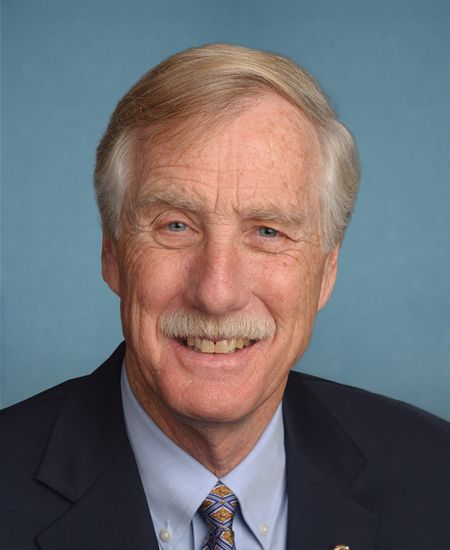
Angus S. King, Jr.
Senate
|
I |
Strong +
|
84% | 32 |
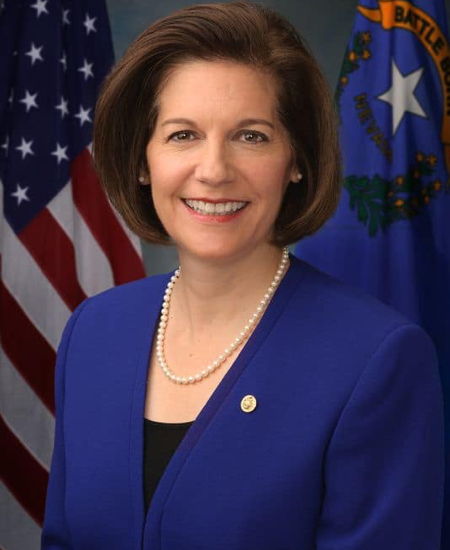
Catherine Cortez Masto
Senate
|
D |
Strong +
|
84% | 32 |
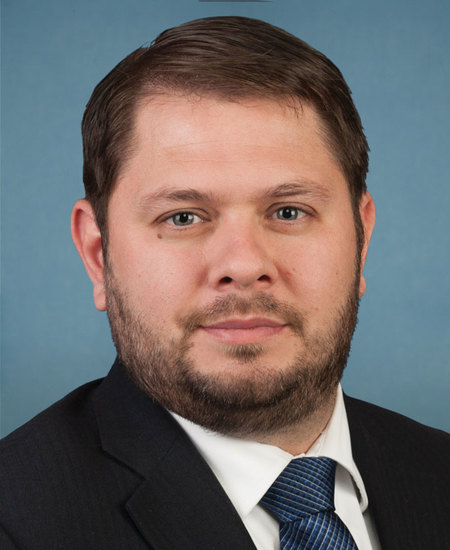
Ruben Gallego
Senate
|
D |
Strong −
|
8% | 24 |

Peter Welch
Senate
|
D |
Strong −
|
9% | 23 |

Rand Paul
Senate
|
R |
Strong −
|
12% | 32 |
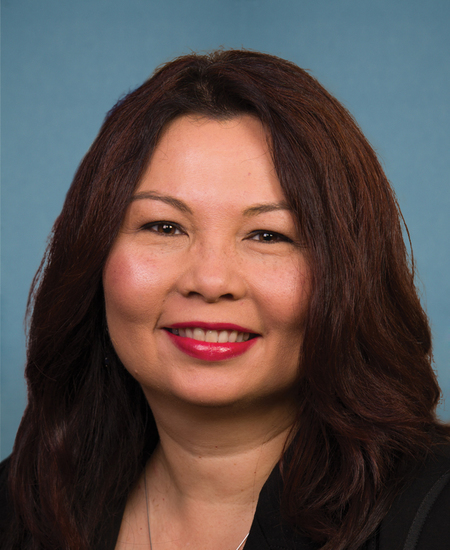
Tammy Duckworth
Senate
|
D |
Strong −
|
17% | 23 |

Christopher Murphy
Senate
|
D |
Strong −
|
19% | 32 |
Showing 91–100 of 629
bills
All veterans bills
S 4304: TRAVEL Act of 2026
Topics
✓ HealthcareSupports HealthcareBill authorizes VA to assign physicians to territories, expanding access to direct healthcare for veterans.
✓ VeteransSupports VeteransBill authorizes VA to assign physicians to provide direct healthcare to veterans in territories, funded by relocation/retention bonuses.
HR 8486: Data Driven Suicide Prevention and Outreach Act of 2026
Topics
✓ HealthcareSupports HealthcareBill establishes a grant program to fund AI tools for suicide prevention and mental health care access for veterans.
✓ TechnologySupports TechnologyBill explicitly funds the development of AI tools to predict suicide risks among veterans, directly advancing technology application for public health.
✓ VeteransSupports VeteransBill establishes a grant program to fund AI tools for predicting and preventing veteran suicide, directly strengthening mental health services.
Sub-Topics
Mental Health
Artificial Intelligence
Veteran Healthcare
Veteran Housing
Veteran Mental Health
HR 8986: Ensuring Rural Health Care Access for Military and Tribal Families Act
Topics
✓ HealthcareSupports HealthcareBill expands access to rural hospitals for military and tribal families by relaxing financial criteria, directly strengthening healthcare services.
✓ VeteransSupports VeteransBill expands healthcare access for military families by allowing rural hospitals to qualify as critical access hospitals, directly benefiting veterans through improved service availability.
HR 8679: To amend title 38, United States Code, to require the Secretary of Veterans Affairs to transmit a veteran's history of opioid prescriptions to a Community Care health care provider.
Topics
✓ HealthcareSupports HealthcareBill improves care coordination by sharing prescription history, enhancing patient safety and access to comprehensive healthcare.
✓ VeteransSupports VeteransBill improves veteran healthcare coordination by sharing prescription data to prevent errors and enhance care continuity.
HR 9018: Fostering TRUST Act of 2026
Topics
✓ HealthcareSupports HealthcareBill mandates reporting of veteran suicides to improve mental health oversight and care quality.
✓ VeteransSupports VeteransBill mandates VA reporting of veteran suicides to improve oversight and accountability, strengthening veteran care systems.
HR 8524: Kenya Merritt Renewing our PACT Act of 2026
Topics
✓ HealthcareSupports HealthcareBill establishes legal presumption for disability/compensation for illnesses caused by toxic hazards, protecting worker health benefits.
✓ Labor & EmploymentSupports Labor & EmploymentBill expands disability and death compensation for federal workers exposed to toxic hazards, strengthening worker benefits and protections.
✓ VeteransSupports VeteransBill establishes legal presumptions for disability compensation for diseases caused by toxic hazards faced by veterans and federal employees in contingency operations.
HR 8667: MISSION Rx Act
Topics
✓ HealthcareSupports HealthcareBill caps drug costs for military/veterans at Medicare levels, protecting patient access and reducing out-of-pocket expenses.
✓ VeteransSupports VeteransBill caps out-of-pocket costs for veterans at Medicare levels, directly improving access to affordable prescription drugs and strengthening veteran healthcare benefits.
S 4400: Optimizing the VA Workforce for Veterans Act of 2026
Topics
✓ HealthcareSupports HealthcareBill strengthens VA workforce planning to improve access to veterans' health services and mandates recruitment/retention goals.
✓ Labor & EmploymentSupports Labor & EmploymentBill mandates strategic workforce planning, recruiting, and retention goals for VA employees, directly advancing labor and employment standards.
✓ VeteransSupports VeteransBill mandates strategic planning for VA workforce, recruiting, and retaining military personnel to improve veteran services.
HR 8786: INVEST Act
Topics
✓ Budget & TaxesSupports Budget & TaxesBill expands the Work Opportunity Tax Credit to incentivize hiring veterans in renewable energy, promoting fiscal responsibility and green job creation.
✓ EnergySupports EnergyThe bill expands tax credits for hiring veterans with renewable energy skills, directly promoting renewable energy workforce development and infrastructure.
✓ EnvironmentSupports EnvironmentBill incentivizes hiring veterans with renewable energy skills, promoting clean energy workforce and environmental protection.
✓ Labor & EmploymentSupports Labor & EmploymentBill expands tax credits to encourage hiring of veterans with renewable energy skills, directly supporting employment opportunities.
✓ VeteransSupports VeteransThe bill provides tax credits to employers hiring veterans, directly supporting veteran employment and economic reintegration.
Sub-Topics
Revenue
Tax Credits
Renewable Energy
Solar
Professional Licensing
Veteran Education
Veteran Employment
Veteran Healthcare