

Issue · Transportation
Transportation (Traffic Safety)
Every transportation bill, vote, and legislator stance in United States, automatically classified by Maddy, our AI policy reader.
Total bills
8
119th Congress
Top supporter
Rand Paul
64% support rate
Top opponent
Ted Budd
33% support rate
Ranked legislators
10
5 support · 5 oppose
Key legislators
Who's moving traffic safety in United States
| Legislator | Party | Stance | Support rate | Votes |
|---|---|---|---|---|

Rand Paul
Senate
|
R |
Support
|
64% | 11 |

Ashley Moody
Senate
|
R |
Mixed
|
58% | 12 |
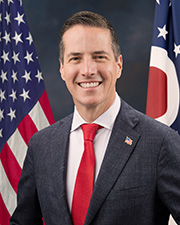
Bernie Moreno
Senate
|
R |
Mixed
|
58% | 12 |

Bill Cassidy
Senate
|
R |
Mixed
|
58% | 12 |
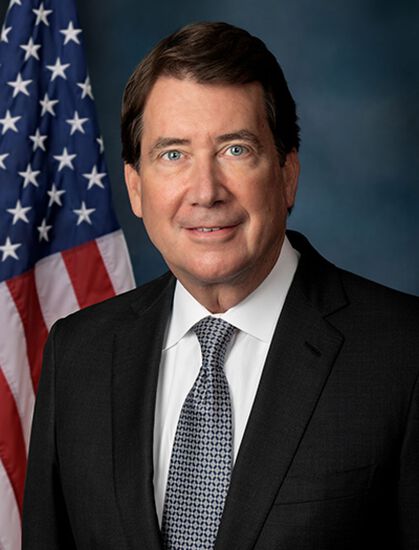
Bill Hagerty
Senate
|
R |
Mixed
|
58% | 12 |

Ted Budd
Senate
|
R |
Oppose
|
33% | 3 |

Mark R. Warner
Senate
|
D |
Oppose
|
36% | 11 |

Adam B. Schiff
Senate
|
D |
Mixed −
|
42% | 12 |

Alex Padilla
Senate
|
D |
Mixed −
|
42% | 12 |

Amy Klobuchar
Senate
|
D |
Mixed −
|
42% | 12 |
Showing 8 of 8
bills
All transportation bills
HR 1137: No Kill Switches in Cars Act
Topics
✗ TechnologyOpposes TechnologyRepeals mandate for impaired driving tech, reducing regulatory requirements for vehicle safety technology
✗ TransportationOpposes TransportationRepeals mandate for impaired driving safety technology, weakening vehicle safety standards in transportation infrastructure.
HR 351: To amend the Intermodal Surface Transportation Efficiency Act of 1991 to prohibit congestion or cordon pricing in a value pricing program, and for other purposes.
SJRES 55: A joint resolution providing for congressional disapproval under chapter 8 of title 5, United States Code, of the rule submitted by the National Highway Traffic Safety Administration relating to "Federal Motor Vehicle Safety Standards; Fuel System Integrity of Hydrogen Vehicles; Compressed Hydrogen Storage System Integrity; Incorporation by Reference".
Topics
✗ EnergyOpposes EnergyBlocks NHTSA safety standards for hydrogen vehicle fuel systems, hindering renewable energy infrastructure development and hydrogen vehicle adoption.
✗ EnvironmentOpposes EnvironmentBill blocks NHTSA hydrogen vehicle safety standards, potentially limiting clean energy adoption and environmental protection measures for hydrogen fuel systems.
✗ TransportationOpposes TransportationBill blocks NHTSA safety standards for hydrogen vehicle fuel systems, weakening regulatory requirements for new transportation technology.
HR 2819: DRIVE Act
Topics
✗ EnvironmentOpposes EnvironmentBill prevents speed limiters on large trucks, which could increase fuel consumption and emissions, weakening environmental protections.
✗ Labor & EmploymentOpposes Labor & EmploymentBlocks FMCSA speed limiter rule, weakening truck driver workplace safety regulations
✗ TransportationOpposes TransportationBlocks federal speed limiter requirement for trucks, weakening safety standards per FMCSA rule.
HR 5394: Freedom from Automated Speed Enforcement Act of 2025
Topics
✗ Criminal JusticeOpposes Criminal JusticeRestricts automated speed enforcement (a law enforcement tool) to avoid losing federal highway funds, limiting a form of law enforcement under criminal justice topic.
✗ TransportationOpposes TransportationRestricts automated speed enforcement systems (a traffic safety measure) by threatening 10% federal highway funding cuts for states using them, directly limiting transportation safety programs.
S 711: Transportation Freedom Act
Topics
✓ Budget & TaxesSupports Budget & TaxesCreates 200% tax deduction for auto manufacturing wages, providing tax relief for eligible workers and employers.
✗ EnergyOpposes EnergyRepeals emissions standards and CAFE, weakening clean energy regulations and fuel efficiency requirements
✗ EnvironmentOpposes EnvironmentRepeals current emissions standards and CAFE regulations, weakening environmental protections by removing existing vehicle emissions requirements.
✓ HealthcareSupports HealthcareRequires health care coverage as a condition for tax deduction eligibility, promoting employer-provided health benefits for manufacturing workers.
✓ Labor & EmploymentSupports Labor & EmploymentCreates 200% tax deduction for wages requiring health care/pension benefits, directly expanding worker benefits per Labor & Employment indicators.
✗ TransportationOpposes TransportationRepeals current emissions standards and CAFE fuel economy requirements, weakening vehicle regulation standards in transportation policy.
Sub-Topics
Pensions
Air Quality
Climate Change
Roads & Highways
Traffic Safety
Transportation Funding
HR 2814: Transportation Freedom Act
Topics
✗ Budget & TaxesOpposes Budget & TaxesReduces taxes for auto companies and creates tax breaks for domestic auto producers, weakening government tax revenue and favoring corporate interests over public fiscal management.
✗ EnergyOpposes EnergyRepeals environmental regulations on vehicles, weakening clean energy standards and favoring fossil fuel-dependent transportation.
✗ EnvironmentOpposes EnvironmentRepeals environmental regulations on vehicles and reduces auto industry taxes, weakening emissions standards and environmental protections per bill summary.
✗ TransportationOpposes TransportationRepeals environmental regulations on vehicles, weakening transportation safety and emissions standards per bill summary.