Issue · Transportation

Transportation

Every transportation bill, vote, and legislator stance in United States, automatically classified by Maddy, our AI policy reader.

Total bills
847
119th Congress
Top supporter
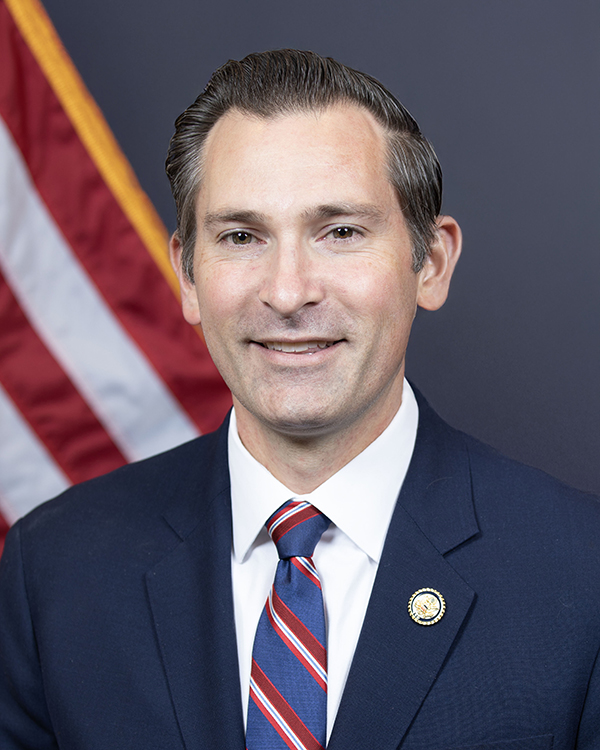
Matt Van Epps
86% support rate
Top opponent
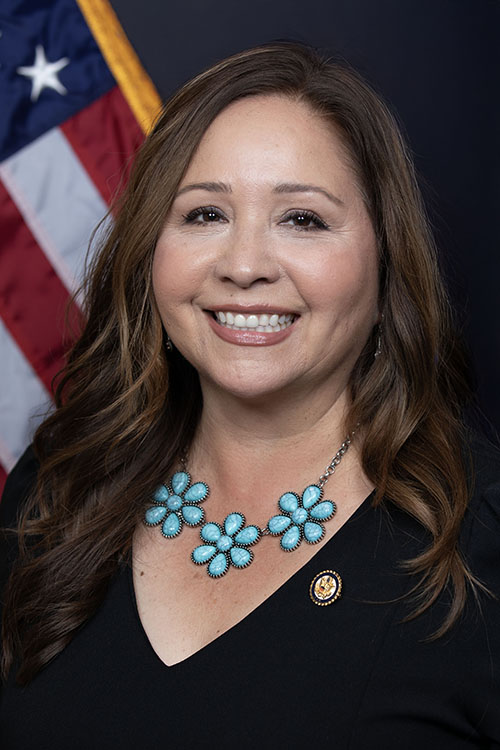
Adelita S. Grijalva
14% support rate
Ranked legislators
10
5 support · 5 oppose
Key legislators

Who's moving transportation in United States

Legislators moving transportation in United States
Legislator Party Stance Support rate Votes
Matt Van Epps
Matt Van Epps House · District 7
R
Strong +
86% 67
Martin Heinrich
Martin Heinrich Senate
D
Support
78% 133
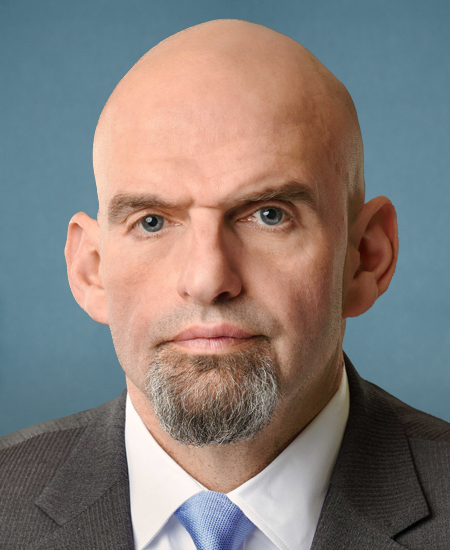
John Fetterman
John Fetterman Senate
D
Support
70% 150
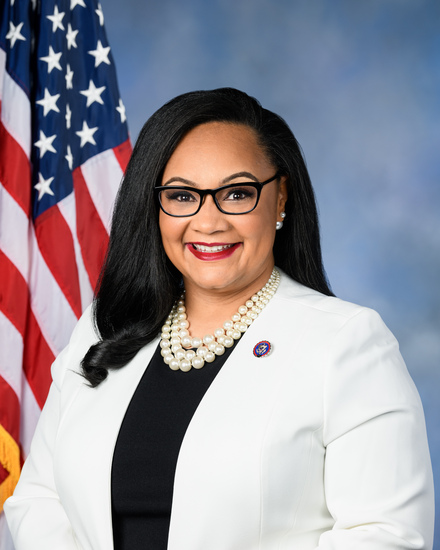
Nikema Williams
Nikema Williams House · District 5
D
Support
70% 113
Greg Casar
Greg Casar House · District 35
D
Support
70% 105
Adelita S. Grijalva
Adelita S. Grijalva House · District 7
D
Strong −
14% 72
James R. Walkinshaw
James R. Walkinshaw House · District 11
D
Strong −
14% 80
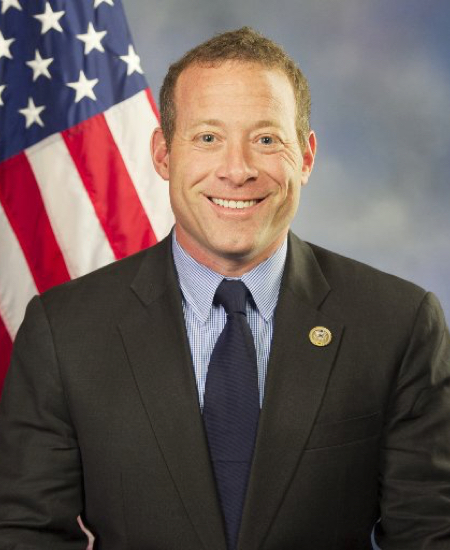
Josh Gottheimer
Josh Gottheimer House · District 5
D
Strong −
14% 109
Marsha Blackburn
Marsha Blackburn Senate
R
Oppose
22% 128
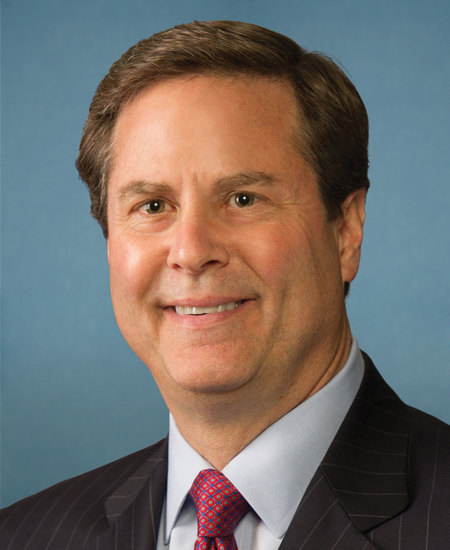
Donald Norcross
Donald Norcross House · District 1
D
Oppose
25% 107
Showing 821–830 of 847 bills

All transportation bills

in committee · United States · House Aug 6, 2025

HR 4897: Blue Envelope Act of 2025

This bill amends the Highway Safety Improvement Program to include a specific project type: a "blue envelope program" designed to improve communication between motor vehicle operators who have difficulty speaking and law enforcement officers during traffic stops. It directly affects drivers with speech impairments and police officers conducting routine traffic stops. The key provision adds this program as a qualifying activity under existing highway safety funding, allowing states to use federal funds for such initiatives. The change is procedural, modifying a code section to explicitly include this communication-focused program within eligible highway safety projects. The bill does not create new requirements but expands how existing safety funds can be applied.
in committee · United States · House May 30, 2025

HR 3649: Magnus White Cyclist Safety Act of 2025

This bill requires new passenger cars, SUVs, and light trucks (under 10,000 lbs) to have automatic emergency braking systems that detect cyclists in all lighting conditions and across diverse appearances. The rule must be finalized within 3 years of enactment, with manufacturers required to comply within two model years after the rule's release. It mandates systems that activate at appropriate speeds and recognize vulnerable road users like bicyclists, regardless of skin tone, clothing, or protective gear. The law directly affects vehicle manufacturers and aims to improve safety for cyclists through standardized vehicle technology.
in committee · United States · Senate Sep 18, 2025

S 2910: Work Zone Safety Enhancement Act

This bill allows states to use federal highway safety funds for specific work zone safety improvements. It authorizes states to fund law enforcement patrols, driver education modules, safety technologies (like alert systems), worker training programs, and crash data collection in work zones. States must prioritize assistance for Tribal governments and rural areas when implementing these measures. The bill also requires a GAO study within two years to evaluate the effectiveness of work zone safety programs, including those funded under this law.
in committee · United States · House May 21, 2026

HR 7389: Motor Vehicle Modernization Act of 2026

The Motor Vehicle Modernization Act of 2026 establishes new requirements for the National Highway Traffic Safety Administration (NHTSA) to develop and update a comprehensive safety rulemaking and research priority plan every two years. The bill reforms the New Car Assessment Program (NCAP) by creating an NCAP Office led by an Associate Administrator and establishing an NCAP Advisory Committee with diverse stakeholders including manufacturers, safety organizations, and consumer advocates. It also mandates that NHTSA review motor vehicle safety standards every four years and creates a working group to improve consumer education about vehicle automation technologies. The legislation aims to modernize safety processes, enhance transparency about vehicle safety features, and better inform consumers about motor vehicle safety technologies.
in committee · United States · Senate Jul 31, 2025

S 2635: Transportation Emergency Relief Extension Act

S 2635, the Transportation Emergency Relief Extension Act, extends deadlines for states to advance federally funded emergency transportation projects to construction. It requires the Secretary of Transportation to set a deadline no earlier than six fiscal years after an emergency declaration by a governor or president, and allows states to request one-year extensions with justification for delays. The bill also mandates that the Secretary update and publicly share the Federal Highway Administration's Emergency Relief Manual every two years. This directly affects state transportation departments managing federal-aid highway projects following declared emergencies. The law focuses on providing administrative flexibility for states during prolonged disaster recovery efforts.
Sub-Topics Roads & Highways Tags Emergency Management
in committee · United States · House Mar 31, 2025

HR 2515: American Tank Car Modernization Act of 2025

The American Tank Car Modernization Act of 2025 provides $100 million annually (2026-2029) to fund grants for freight railcar owners to install telematics systems or gateway devices on railcars, with priority for tank cars carrying hazardous materials (toxic inhalation, flammable, or hazardous substances). These systems enable real-time tracking of railcar location, asset health, and specific safety metrics like wheel temperature, hatch status, and internal temperatures. The bill requires railcar owners to report on implementation outcomes, including safety incident data and cost efficiency, to Congress within three years. It directly affects railcar operators managing hazardous material transport by modernizing their data collection capabilities.
in committee · United States · Senate Aug 1, 2025

S 2660: Modern Risk Detection Act of 2025

This bill amends Title 49, U.S. Code, to require transportation safety standards to incorporate risk-based approaches "to the maximum extent practicable." It directs the Secretary to ensure compliance with these standards allows for risk-based methods, without specifying new requirements or affected entities. The provision applies to existing transportation safety regulations but does not detail how risk-based approaches would be implemented or who would be directly impacted. The bill is a procedural update to regulatory frameworks, not a new policy with defined beneficiaries or obligations.
in committee · United States · House May 20, 2025

HR 3505: Barriers to Suicide Act of 2025

HR 3505, the Barriers to Suicide Act of 2025, creates a federal grant program administered by the Department of Transportation to fund the installation of proven safety barriers and nets on specific high-risk structures. The program provides competitive grants (up to 80% federal funding) to states, local governments, or other eligible entities for projects installing suicide deterrents on bridges, buildings, parking garages, highway-rail crossings, or rail stations. It prioritizes areas with high suicide rates and mandates a study by the Comptroller General to evaluate effective deterrents for non-bridge structures and their costs, with a report due within one year of enactment. The bill authorizes $10 million annually from 2026-2030 for this initiative.
introduced · United States · Senate Oct 22, 2025

S 3031: Keep America Flying Act of 2026

S 3031, the Keep America Flying Act of 2026, provides temporary funding to ensure continued pay and benefits for critical aviation personnel during the 2025-2026 federal budget gap. It appropriates funds for Federal Aviation Administration (FAA) air traffic controllers, Transportation Security Administration (TSA) screeners, and their contractors who support flight safety and security operations. This funding covers standard pay, allowances, and benefits for these staff until regular appropriations are enacted or by September 30, 2026. The bill directly affects FAA and TSA employees and contractors whose work is essential to maintaining safe air travel.
Sub-Topics Airports
in committee · United States · Senate Oct 7, 2025

S 2980: Innovative and Safe Hydrogen Transportation Act

This bill requires the Transportation Secretary to study the safety and feasibility of using composite materials for pipelines transporting hydrogen (including blended with natural gas) within 18 months. The study must assess available materials, existing test data, and relevant standards, with public input through meetings and a 60-day comment period. After the study, the Secretary must initiate rulemaking to potentially allow these composite pipelines. It directly affects pipeline developers, the hydrogen industry, and the Department of Transportation, but does not change current regulations - only sets the process for future safety standards.
Showing 821 to 830 of 847 bills
Previous 1 82 83 84 85 Next