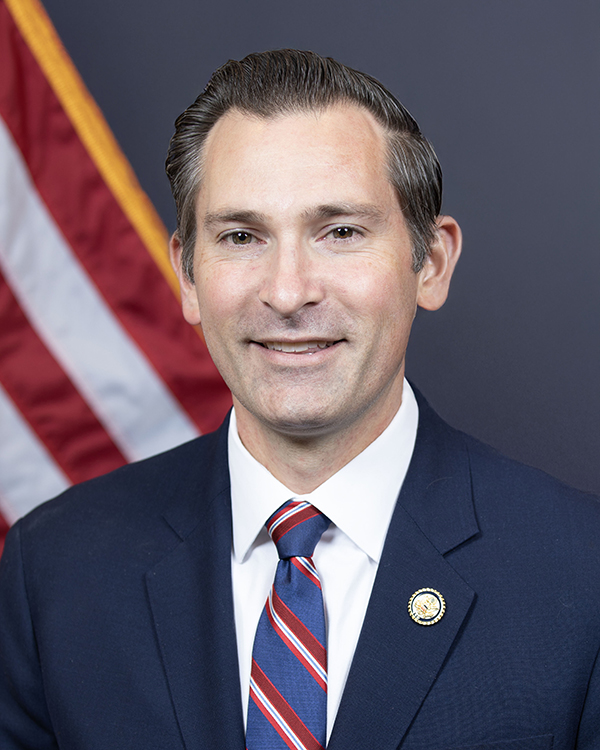
HR 5670, the Protecting America’s Roads Act, amends federal commercial driver’s license (CDL) requirements to strengthen verification of applicant eligibility. It directly affects non-citizen applicants for CDLs or commercial learner’s permits by requiring proof of lawful presence (via the federal SAVE system), proof of state residence, and in-person processing for all non-citizen license actions. Key provisions include denying CDLs to non-residents, expiring non-citizen licenses based on immigration status or after one year, and terminating foreign license reciprocity agreements within six months of enactment. The bill also mandates states to downgrade or revoke non-citizen licenses if eligibility lapses and authorizes immigration agencies to identify unauthorized commercial drivers.
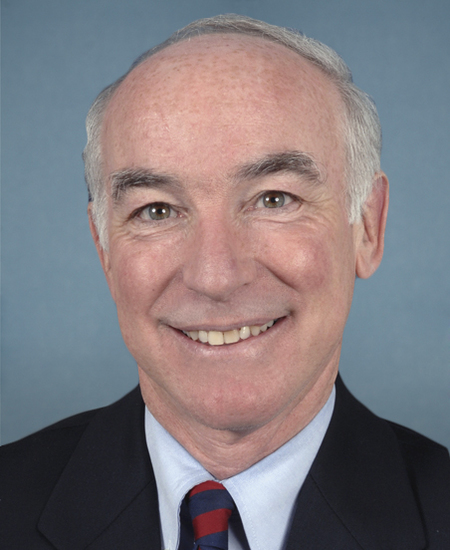
HR 1478, the One Seat Ride Act, requires the U.S. Department of Transportation to study commuter rail service improvements that eliminate transfers for passengers (single-seat trips), focusing on economic, logistical, and quality-of-life factors. The study specifically analyzes the costs, benefits, and impacts of implementing such trips on the New Jersey Transit Raritan Valley line during peak hours and other New Jersey Transit lines. The Secretary must submit a report to Congress within one year of the bill's enactment, but the bill itself does not fund or implement any changes. This is a procedural study bill with no direct policy impact or affected constituencies.
HR 1487, the Agricultural and Forestry Hauling Efficiency Act, allows Virginia to issue special permits for agricultural and forestry vehicles weighing up to 90,000 pounds on interstate highways. This directly affects farmers and timber haulers in Virginia transporting unprocessed goods like raw crops (for food, feed, or fiber) or unfinished forest products (such as logs, wood chips, or biomass). The bill amends federal law to create this exception to standard weight limits, enabling larger loads for specific agricultural and forestry operations. It does not change weight rules for other states or other types of cargo.
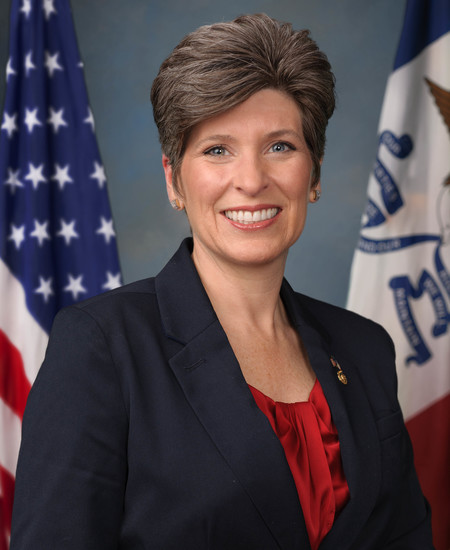
The Federal Infrastructure Bank Act of 2025 would create a new Federal Infrastructure Bank to provide financing for infrastructure projects across the United States. The bank would offer loans, equity investments, and loan guarantees to eligible entities like state governments, corporations, and public-private partnerships for projects including roads, bridges, ports, airports, and energy systems. The bill requires at least 10% of the bank's funding to support rural infrastructure projects and prohibits funding for projects influenced by China or located outside the United States. The bank would maintain risk-based capital at no less than 10% and would be regulated by the Federal Reserve System.
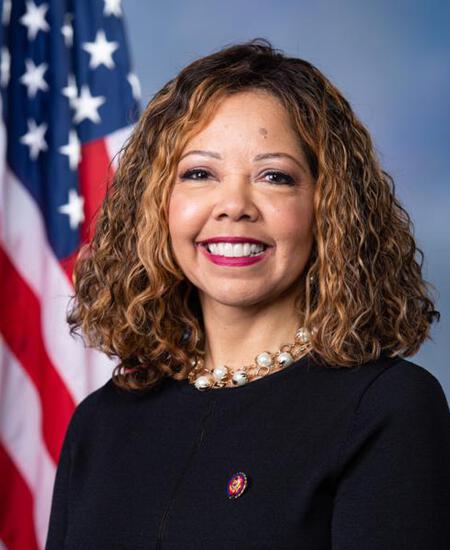
This concurrent resolution (SCONRES 19) is a symbolic statement recognizing that people with disabilities face daily barriers accessing federally funded facilities. It does not create new legal requirements but reaffirms support for the existing Americans with Disabilities Act (ADA) and Architectural Barriers Act of 1968. The resolution pledges to prioritize "universal and inclusive design" in future infrastructure projects and calls for removing access barriers for all people, particularly those with disabilities. It cites statistics on disability prevalence (1 in 4 adults) but focuses on principle, not policy change. As a resolution, it has no binding effect on federal agencies.
Tags
People with Disabilities
The Urban Canal Modernization Act establishes a new category called "urban canal of concern" for canals that, if failed, could endanger more than 100 people in populated areas. It requires the Secretary of the Interior to fund necessary emergency repairs and maintenance on these canals, with 35% of costs covered as a non-repayable grant and the remaining 65% provided as a repayable advance to the canal's operating entity. The bill modifies existing federal law to clarify funding mechanisms and ensures these advances count as non-Federal funds for cost-sharing requirements. This policy directly affects federal agencies and the entities operating urban canals, prioritizing infrastructure safety in densely populated areas.
This bill imposes a $550 tax on each heavy battery module (over 1,000 pounds) and a $1,000 tax on each electric vehicle sold by manufacturers, producers, or importers. It directly affects EV manufacturers and battery suppliers, with taxes applying to sales after December 31, 2025. Revenue from these taxes will be transferred to the Highway Trust Fund. The bill excludes hybrid vehicles that use both internal combustion engines and rechargeable batteries from the electric vehicle definition.
This bill creates a 10% tax credit for businesses that modernize or replace freight railcars, directly affecting railcar owners and manufacturers. To qualify, railcars must meet an 8% improvement standard in capacity or fuel efficiency, be built or modernized after enactment, and replace two scrapped railcars. The credit is limited to 1,000 qualified railcars per business annually, with reporting requirements for the Treasury to track claimed credits, scrapped railcars, and new railcar production. The credit applies to railcars placed in service after December 2024, ending three years after enactment.
The RTP Full Funding Act of 2025 would require the Federal Highway Administration to annually estimate and report the total tax revenue collected from nonhighway recreation fuel (currently about $281 million yearly) to Congress. It aims to increase funding for the Recreational Trails Program (RTP) from its current $84 million annual level to match the tax revenue collected. The program, which supports trail development and maintenance nationwide, directly benefits states and local communities managing recreational trails used by hikers, cyclists, equestrians, and motorized vehicle users. The bill mandates this reporting requirement at least one year before highway program funding expires, ensuring the RTP receives funds commensurate with tax contributions.
HR 3648, the Transit Captions Innovations Act, requires transit agencies to implement real-time transcription and translation technology to improve accessibility for deaf, hard of hearing, and limited English proficient riders. It amends federal transit law to add this technology as a qualifying project under existing accessibility funding. The bill authorizes specific annual funding levels - starting at $4 million in 2027 and increasing to $4.4 million by 2031 - to support these projects. This directly affects public transit riders with communication access needs by mandating new technology deployment.