Issue · Transportation

Transportation (Airports)

Every transportation bill, vote, and legislator stance in United States, automatically classified by Maddy, our AI policy reader.

Total bills
122
119th Congress
Top supporter
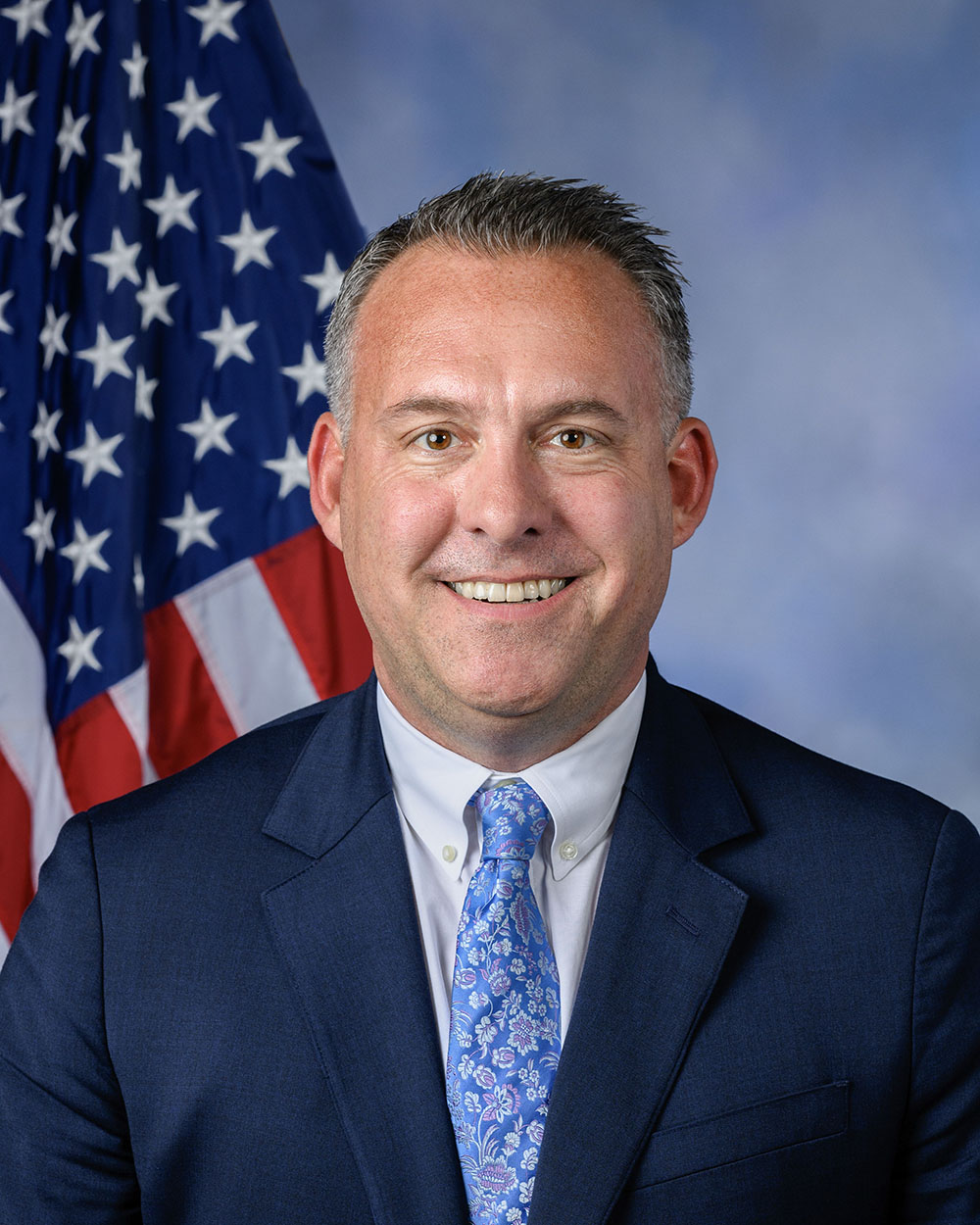
Adam Gray
100% support rate
Top opponent
Aaron Bean
0% support rate
Ranked legislators
10
5 support · 5 oppose
Key legislators

Who's moving airports in United States

Legislators moving airports in United States
Legislator Party Stance Support rate Votes
Adam Gray
Adam Gray House · District 13
D
Strong +
100% 3
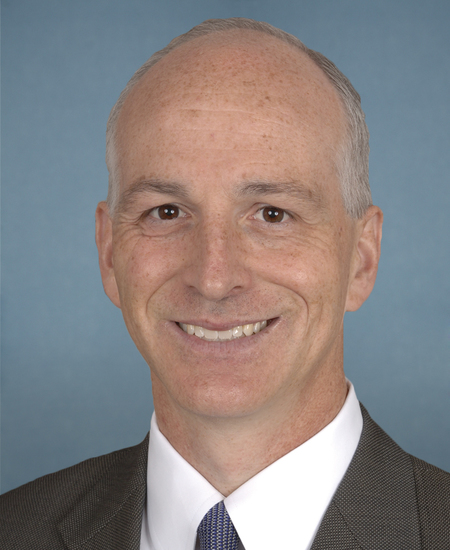
Adam Smith
Adam Smith House · District 9
D
Strong +
100% 3
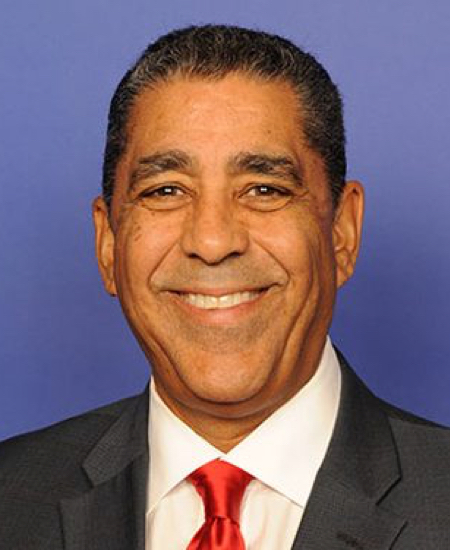
Adriano Espaillat
Adriano Espaillat House · District 13
D
Strong +
100% 3
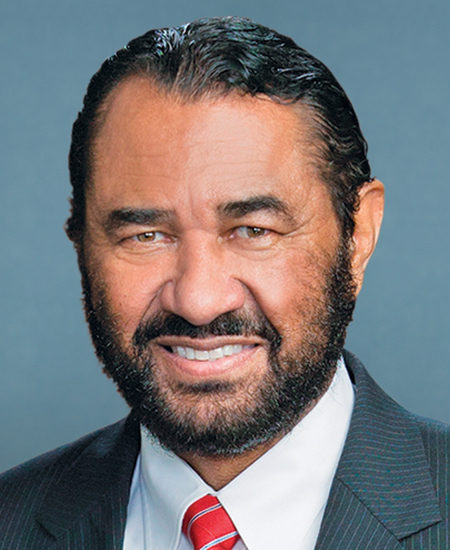
Al Green
Al Green House · District 9
D
Strong +
100% 3
Alexandria Ocasio-Cortez
Alexandria Ocasio-Cortez House · District 14
D
Strong +
100% 3
Aaron Bean
Aaron Bean House · District 4
R
Strong −
0% 3
Abraham J. Hamadeh
Abraham J. Hamadeh House · District 8
R
Strong −
0% 3
Addison P. McDowell
Addison P. McDowell House · District 6
R
Strong −
0% 3
Adrian Smith
Adrian Smith House · District 3
R
Strong −
0% 3
Andrew Ogles
Andrew Ogles House · District 5
R
Strong −
0% 3
Showing 51–60 of 122 bills

All transportation bills

in committee · United States · House Aug 27, 2025

HR 5049: Protecting Communities from Helicopter Noise Act

HR 5049, the "Protecting Communities from Helicopter Noise Act," requires the Federal Aviation Administration (FAA) to study helicopter operations within a 20-mile radius of the Statue of Liberty National Monument. The study must analyze noise impacts on residential and recreational areas, helicopter traffic patterns, safety and environmental effects, and potential solutions like flight path changes or altitude limits. The FAA must submit a report to Congress within 180 days of the bill's enactment, focusing on concrete data rather than implementing new regulations. This bill directly affects communities near the Statue of Liberty in New York City by mandating an assessment of helicopter noise concerns.
Sub-Topics Airports
in committee · United States · Senate Apr 4, 2025

SJRES 46: A joint resolution providing for congressional disapproval under chapter 8 of title 5, United States Code, of the rule submitted by the Environmental Protection Agency relating to "California State Motor Vehicle and Engine Pollution Control Standards; Heavy-Duty Vehicle and Engine Emission Warranty and Maintenance Provisions; Advanced Clean Trucks; Zero Emission Airport Shuttle; Zero-Emission Power Train Certification; Waiver of Preemption; Notice of Decision".

SJRES 46 is a joint resolution seeking congressional disapproval of an Environmental Protection Agency (EPA) rule concerning California's vehicle emission standards. The rule, submitted in 2023, relates to California's pollution control requirements for motor vehicles, including advanced clean trucks, zero-emission airport shuttles, and heavy-duty engine emissions. This resolution would block the rule from taking effect using a specific federal disapproval process under Title 5 of the U.S. Code. If passed, the rule would have no legal force, meaning California's current standards would remain without the EPA's formal approval for these specific provisions.
in committee · United States · House Jan 21, 2026

HR 6744: Military Air Traffic Control Transition Act

This bill requires a working group to develop recommendations improving the transition of military air traffic control specialists (specifically those with series 2152 credentials) into civilian roles at the Federal Aviation Administration (FAA). It directs the group to identify barriers in training systems, credential translation, and standardization between military and FAA requirements. The bill specifically targets how military experience, training, and credentials align with FAA hiring needs for controllers, managers, and supervisors. This directly affects military air traffic control personnel transitioning to FAA positions and the agencies managing these transitions.
Sub-Topics Airports
in committee · United States · House Aug 20, 2025

HR 4994: Safe Air on Airplanes Act

HR 4994, the Safe Air on Airplanes Act, requires the Federal Aviation Administration to update regulations to phase out bleed air systems in aircraft. It prohibits new aircraft designs from using these systems, mandates filters to remove oil fumes in new aircraft by 2031 (7 years after enactment), and sets a 30-year phase-out schedule for existing aircraft designs (25% without bleed air by 2031, 50% by 2041, 100% by 2051). The bill directly affects aircraft manufacturers and airlines, as it changes requirements for cabin air systems that pull engine air for ventilation. These changes focus on modifying manufacturing standards and air quality systems in turbine and turbo-prop aircraft.
Sub-Topics Air Quality Airports
in committee · United States · House Apr 17, 2025

HR 2932: CLEAR Skies Act

HR 2932, the CLEAR Skies Act, creates a tax credit for producing unleaded aviation gasoline in the U.S. The credit provides $1.25 per gallon in 2026, phasing down to $1.05 per gallon by 2030, for fuel that is lead-free, meets aviation standards, and is produced domestically. Producers must register with the IRS and certify compliance with these requirements to claim the credit. The bill also mandates a GAO study to analyze price differences between leaded and unleaded aviation fuel and whether the tax credit benefits end-users. This policy directly affects U.S. aviation fuel producers and aims to accelerate the transition from leaded to unleaded aviation fuel.
Sub-Topics Tax Credits Airports
in committee · United States · House Mar 27, 2025

HR 2431: Don't Cut FAA Workers Act of 2025

HR 2431, the "Don't Cut FAA Workers Act of 2025," prohibits the Federal Aviation Administration (FAA) from implementing mass layoffs for one year following a major aviation accident (defined as an accident causing a fatal injury within 30 days). It defines a "mass layoff" as eliminating 10+ employees at a single FAA location or 250+ employees total across the agency within 90 days. The bill requires the FAA Administrator to notify Congress before any such layoff and allows the agency to proceed only if Congress passes a joint resolution approving it within 60 days. This law directly affects FAA employees and ensures congressional oversight of workforce reductions after major aviation incidents.
Sub-Topics Unemployment Airports
passed · United States · House Mar 25, 2026

HR 6267: Aviation Supply Chain Safety and Security Digitization Act of 2025

HR 6267, the Aviation Supply Chain Safety and Security Digitization Act of 2025, directs the Comptroller General to study challenges in adopting digital documentation across the aviation supply chain. The study will examine barriers for manufacturers, repair stations, airlines, and brokers in using digital tools like electronic FAA Form 8130-3, as well as the FAA’s transition from paper records and physical signatures to digital systems. It requires a report within one year of enactment, including recommendations to encourage digital adoption industry-wide and accelerate the FAA’s shift to digital documentation. The bill does not create new regulations but aims to identify pathways for modernizing supply chain verification to combat counterfeit parts. The Transportation Secretary must respond to recommendations within 120 days of the report’s submission.
Sub-Topics Airports
in committee · United States · House Jan 22, 2026

HR 7191: Fatigued Pilot Protection Act

HR 7191, the Fatigued Pilot Protection Act, requires the Federal Aviation Administration (FAA) to update regulations within 180 days of enactment. It mandates that existing flight and duty limitations and rest rules (currently under FAA regulations at 14 CFR Part 117) apply universally to all airline pilots and operators conducting scheduled passenger flights (under FAA regulations at 14 CFR Part 121). This ensures consistent rest requirements for flightcrew members across all airlines operating under Part 121, directly affecting pilots and airlines. The bill does not create new rules but extends the applicability of current rest standards to all relevant airline operations.
Sub-Topics Airports
in committee · United States · House Dec 18, 2025

HR 6086: Aviation Funding Solvency Act

Aviation Funding Solvency Act This bill provides continuing appropriations to the Federal Aviation Administration (FAA) if (1) an appropriations bill for the FAA has not been enacted before a fiscal year begins, or (2) a law making continuing appropriations for the FAA is not in effect. Specifically, the bill provides appropriations from the Aviation Insurance Revolving Fund at the rate of operations that was provided for the prior fiscal year to continue programs, projects, and activities that were funded in the preceding fiscal year. The FAA may use the balance of the fund, minus $1 billion. If the FAA determines that the amounts from the fund are insufficient to continue all programs, projects, or activities, then the FAA must prioritize compensation payments for employees of the Air Traffic Organization (e.g., air traffic controllers). The bill provides the appropriations until the date on which either (1) specified appropriations legislation for the fiscal year becomes law, or (2) a bill making continuing appropriations becomes law. Finally, the bill permanently extends the FAA Non-premium War Risk Insurance Program. This program provides aviation insurance without a premium to eligible air carriers at the request of the Department of Defense or another federal agency, provided that the agency agrees to indemnify the FAA from all losses covered under the insurance. Eligible air carriers include those whose operations are under a federal contract and are necessary for national security or to carry out U.S. foreign policy.
Sub-Topics Airports
in committee · United States · House Mar 26, 2025

HR 2353: Safer Skies Act of 2025

The Safer Skies Act of 2025 requires specific smaller airlines to adopt enhanced security screening protocols currently used by larger carriers. It mandates that "covered air carrier operations" - defined as airlines operating under certain FAA rules, offering individual seats with public schedules, using planes with more than nine passenger seats, and not using TSA checkpoints - to follow the Aircraft Operator Standard Security Program (49 CFR §1544.101(a)) within 360 days of the bill's enactment. The Transportation Security Administration must revise its rules to enforce this requirement. This directly affects regional and private charter airlines that currently skip TSA checkpoint screening but serve the public with scheduled passenger flights.
Sub-Topics Airports
Showing 51 to 60 of 122 bills
Previous 1 5 6 7 13 Next