Issue · Transportation

Transportation

Every transportation bill, vote, and legislator stance in United States, automatically classified by Maddy, our AI policy reader.

Total bills
730
119th Congress
Top supporter
Martin Heinrich
78% support rate
Top opponent
Marsha Blackburn
22% support rate
Ranked legislators
10
5 support · 5 oppose
Key legislators

Who's moving transportation in United States

Legislators moving transportation in United States
Legislator Party Stance Support rate Decisive votes
Martin Heinrich
Martin Heinrich Senate
D
Support
78% 9
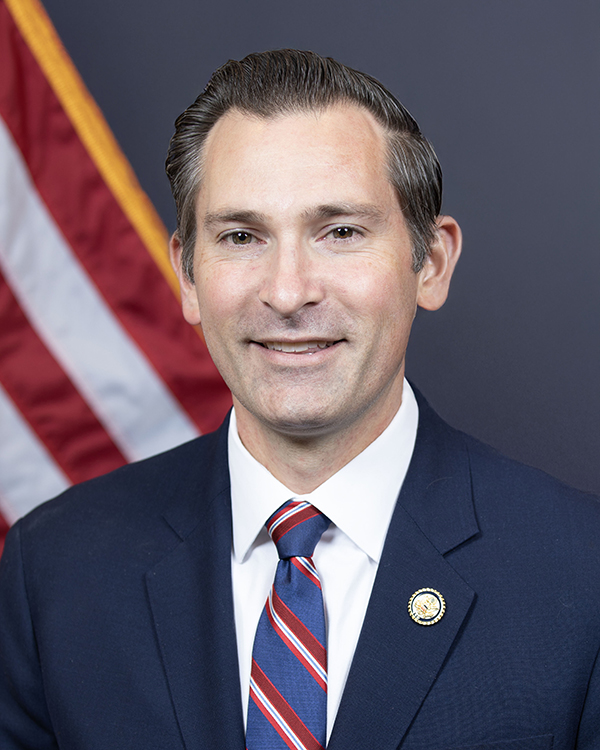
Matt Van Epps
Matt Van Epps House · District 7
R
Support
78% 9
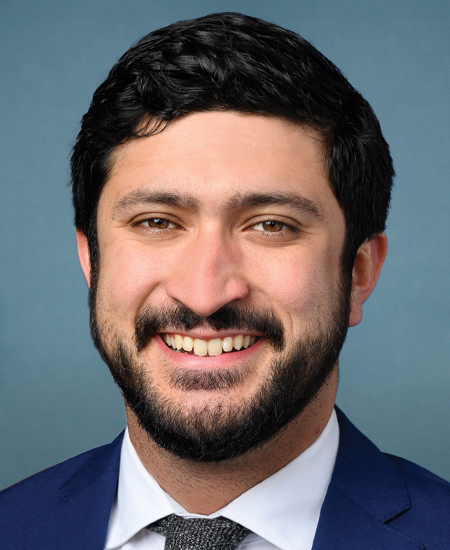
Greg Casar
Greg Casar House · District 35
D
Support
75% 12
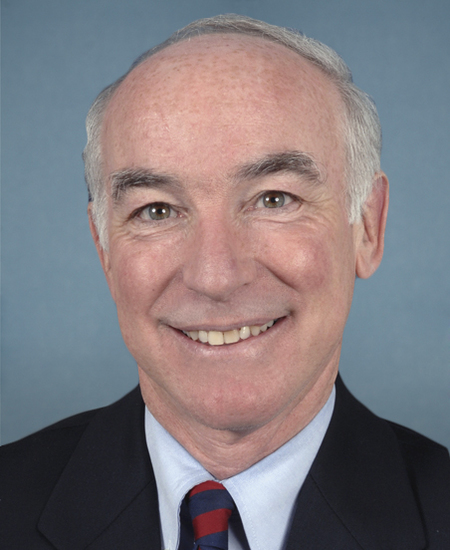
Joe Courtney
Joe Courtney House · District 2
D
Support
75% 12
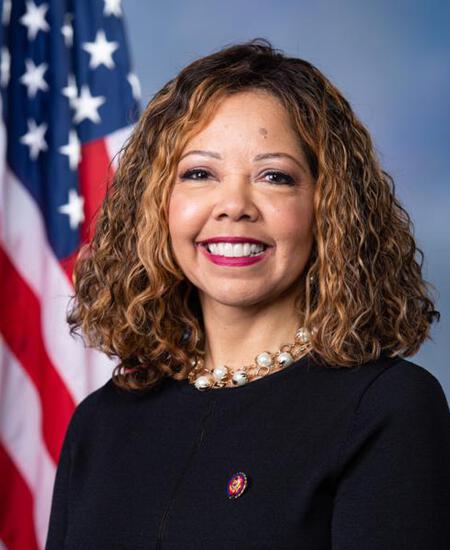
Lucy McBath
Lucy McBath House · District 6
D
Support
75% 12
Marsha Blackburn
Marsha Blackburn Senate
R
Oppose
22% 9
Ted Budd
Ted Budd Senate
R
Oppose
25% 12
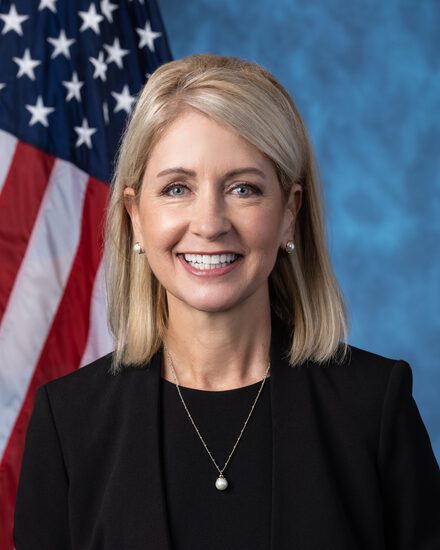
Mary E. Miller
Mary E. Miller House · District 15
R
Oppose
29% 14
Wesley Hunt
Wesley Hunt House · District 38
R
Oppose
30% 10
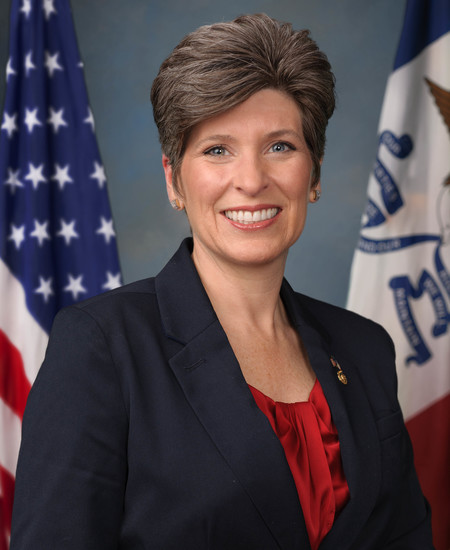
Joni Ernst
Joni Ernst Senate
R
Oppose
31% 26
Showing 451–460 of 730 bills

All transportation bills

in committee · United States · House Dec 1, 2025

HR 5570: Rail Passenger Fairness Act

HR 5570, the Rail Passenger Fairness Act, allows Amtrak to directly sue host railroads in federal court to enforce its statutory right to priority over freight trains on shared rail networks. This bill amends existing law (49 U.S.C. § 24308(c)) to give Amtrak, not just the Attorney General, the legal right to seek court orders ensuring passenger trains receive priority as required by the 1973 Amtrak Improvement Act. The key provision removes the sole reliance on the Attorney General for enforcement - a mechanism used only once since Amtrak's founding - and enables Amtrak to pursue legal action directly. This change aims to address chronic delays caused by host railroads prioritizing freight, which contributed to over 3.2 million minutes of passenger train delays in 2019. The bill focuses solely on altering the enforcement mechanism, not on prescribing new service standards or funding.
Sub-Topics Freight Rail
in committee · United States · House Feb 1, 2025

HR 898: Aviation Noise and Emissions Mitigation Act

HR 898 establishes two grant programs to address aviation noise and pollution impacts on communities near airports. First, it creates a 3-year EPA-funded research initiative (with $2.5-$5 million grants) to measure noise and emissions using advanced technology, producing neighborhood-level data to identify disproportionately affected areas. Second, it launches a mitigation grant program prioritizing communities identified in the research, funding projects like noise-reducing home retrofits, health services, and environmental programs for disadvantaged groups. The bill requires grantees to collaborate with local communities and report annually on services provided, demographic impacts, and how the work addresses environmental justice concerns.
in committee · United States · House Sep 10, 2025

HR 5230: Faster Buses Better Futures Act

The Faster Buses Better Futures Act authorizes $250 billion in grants over five years to help transit agencies redesign their bus networks to increase ridership by 100% within six years. It requires redesigns to be equitable, focusing on underserved communities including those in persistent poverty, and prohibits relying on fare elimination or automated buses to achieve ridership gains. The bill also provides $1 billion annually for bus stop shelters, $1 billion annually for station accessibility improvements for people with disabilities, and funding for transit priority measures like dedicated bus lanes. These provisions affect transit agencies nationwide, with a focus on improving service for low-income residents, seniors, people with disabilities, and communities of color.
passed · United States · House Dec 18, 2025

HR 4776: SPEED Act

The SPEED Act reforms the National Environmental Policy Act (NEPA) to streamline federal environmental reviews for projects. It limits agencies to considering only "proximate" environmental effects directly tied to a specific project (not speculative or distant impacts), sets strict 180-day deadlines for court remands, and restricts judicial review to procedural errors - not environmental outcomes. This primarily affects federal agencies (like the EPA or Corps of Engineers) and project developers (e.g., for infrastructure, energy, or construction projects) by reducing review scope and accelerating approvals. The bill clarifies NEPA is purely procedural, prohibiting courts from substituting their judgment on environmental effects or delaying actions for new scientific data after deadlines.
in committee · United States · House May 7, 2025

HR 3232: Federal-State Partnership for Intercity Passenger Rail Reauthorization Act

This bill authorizes $7.5 billion annually from fiscal years 2027 through 2031 for grants to states and rail agencies to fund intercity passenger rail projects. It directly affects state transportation departments and rail operators by providing long-term federal funding for building, upgrading, or operating passenger rail services. The key mechanism is a multi-year funding authorization for the Federal-State Partnership program, with up to 2% of each year's funds reserved for project oversight. This reauthorization replaces previous funding levels and aims to support expanded rail networks across the country.
in committee · United States · Senate Jun 5, 2025

S 1985: Safe Operations of Shared Airspace Act of 2025

This bill establishes an independent expert panel to review and make recommendations for improving the FAA's Safety Management System (SMS) to ensure comprehensive safety practices across all FAA operations. It requires air carriers to install ADS-B In equipment within 4 years to enhance situational awareness, and mandates safety reviews of airspace operations at major airports, particularly examining military and civilian aircraft near airports. The bill also protects the FAA workforce from hiring freezes and staffing reductions, extends air traffic controller hiring requirements through 2033, and requires risk assessments following transport airplane accidents. These provisions aim to enhance safety coordination between the FAA and Department of Defense while addressing specific safety management and equipment requirements.
Sub-Topics Airports
in committee · United States · House Feb 2, 2026

HR 6702: MOVE Act

The MOVE Act requires the U.S. Department of Transportation to study how micromobility devices (like e-scooters, e-bikes, and electric skateboards) impact road safety, particularly for children, young adults, and other vulnerable road users. It mandates the creation of best practices and a public education program covering device safety, speed limits (max 20 mph for micromobility), and state laws on age, helmets, and registration. The bill also updates federal safety programs to include emerging micromobility safety issues. It directly affects nonmotorized road users and micromobility device operators by providing safety guidance based on data, not by changing existing laws. The focus is on improving safety awareness through education, not imposing new regulations.
in committee · United States · House Feb 10, 2026

HR 6688: ADAS Functionality and Integrity Act

HR 6688, the ADAS Functionality and Integrity Act, requires the National Highway Traffic Safety Administration (NHTSA) to develop guidelines within 24 months to ensure Advanced Driver Assistance Systems (ADAS) in passenger vehicles (model year 2028+) maintain safety after modifications like tire changes or suspension adjustments. The guidelines will specify allowable modification ranges (e.g., ride height, sensor alignment), calibration procedures, and verification tests for repair shops and owners. This directly affects vehicle manufacturers, independent repair facilities, and car owners who customize or modify vehicles. The bill mandates that guidelines be based on empirical data and reference existing safety assessment methods, with penalties for non-compliance.
in committee · United States · House Mar 31, 2025

HR 2514: Trucker Bathroom Access Act

HR 2514, the Trucker Bathroom Access Act, requires businesses like warehouses, distribution centers, and shipping facilities (but not small restaurants under 800 sq ft) to allow commercial truck drivers access to their restrooms when delivering goods or waiting to load cargo. It also mandates that port terminals provide sufficient restrooms for drayage truck operators (drivers of large trucks moving cargo at ports) in safe, accessible areas, including parking spots for vehicle access. The bill does not require businesses to make physical restroom changes and exempts locations where access would create health, safety, or security risks. It defines "covered drivers" as those operating commercial vehicles regulated by the Department of Transportation and "covered restrooms" as those safely accessible to drivers. This law directly affects truck drivers and the businesses they interact with during deliveries or port operations.
Sub-Topics Freight Ports Rail
in committee · United States · Senate Jan 27, 2026

S 3701: BRIDGE Act

The BRIDGE Act creates a new federal grant program to fund the maintenance, replacement, or rehabilitation of commuter rail bridges used by public transit systems. Public transportation agencies can apply for these competitive grants, which require a bridge access agreement with bridge owners if the agency doesn’t own the bridge. Grants cover eligible capital costs based on the bridge’s projected use and are subject to factors like bridge condition and priority in transit planning. The program is authorized to spend $1.5 billion annually from 2027 through 2031.
Showing 451 to 460 of 730 bills
Previous 1 45 46 47 73 Next