

Issue · Transportation
Transportation
Every transportation bill, vote, and legislator stance in United States, automatically classified by Maddy, our AI policy reader.
Total bills
736
119th Congress
Top supporter
Martin Heinrich
78% support rate
Top opponent
Marsha Blackburn
22% support rate
Ranked legislators
10
5 support · 5 oppose
Key legislators
Who's moving transportation in United States
| Legislator | Party | Stance | Support rate | Decisive votes |
|---|---|---|---|---|
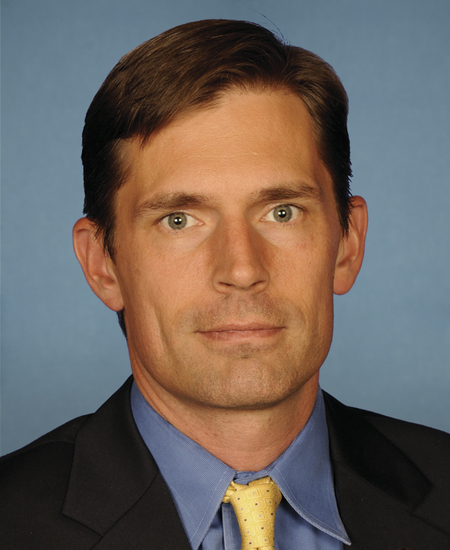
Martin Heinrich
Senate
|
D |
Support
|
78% | 9 |
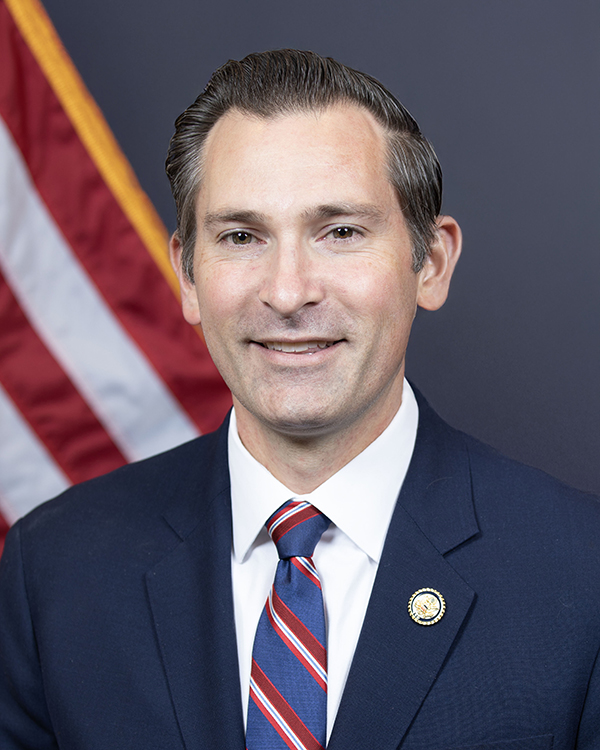
Matt Van Epps
House · District 7
|
R |
Support
|
78% | 9 |

Greg Casar
House · District 35
|
D |
Support
|
75% | 12 |
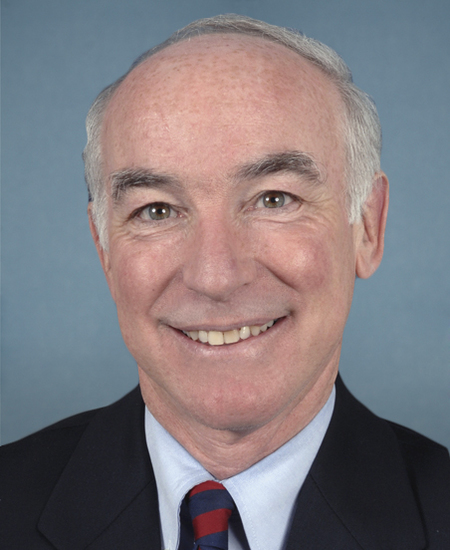
Joe Courtney
House · District 2
|
D |
Support
|
75% | 12 |
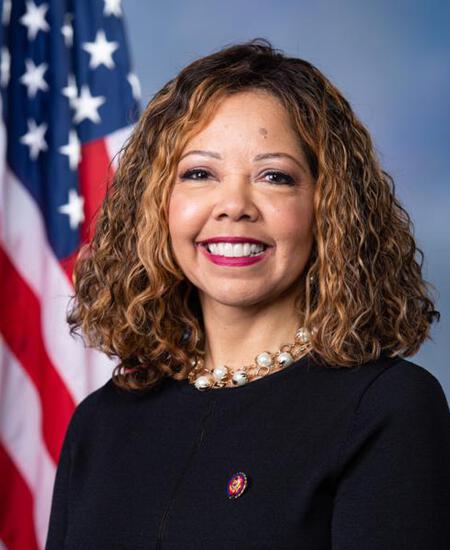
Lucy McBath
House · District 6
|
D |
Support
|
75% | 12 |

Marsha Blackburn
Senate
|
R |
Oppose
|
22% | 9 |

Ted Budd
Senate
|
R |
Oppose
|
25% | 12 |

Mary E. Miller
House · District 15
|
R |
Oppose
|
29% | 14 |

Wesley Hunt
House · District 38
|
R |
Oppose
|
30% | 10 |
Joni Ernst
Senate
|
R |
Oppose
|
31% | 26 |
Showing 441–450 of 736
bills
All transportation bills
HR 4320: Drug and Alcohol Clearinghouse Public Safety Improvement Act of 2025
Topics
✓ Criminal JusticeSupports Criminal JusticeBill strengthens public safety by requiring reporting of drug test results for commercial trucking, enhancing oversight and accountability in transportation safety regulations.
✓ Labor & EmploymentSupports Labor & EmploymentMandates drug testing reporting to improve workplace safety for commercial drivers, aligning with workplace safety protections under Labor & Employment.
✓ TransportationSupports TransportationMandates drug testing for commercial truck drivers to enhance transportation safety, aligning with safety standards for vehicle operations.
Sub-Topics
Freight
HR 3137: Biodiesel Tax Credit Extension Act of 2025
Topics
✓ Budget & TaxesSupports Budget & TaxesExtends federal tax credits for biodiesel production, providing tax relief to producers and refiners, directly supporting tax policy continuity.
✓ EnergySupports EnergyExtends tax credits for biodiesel production/use (renewable energy) until 2026, directly funding renewable energy infrastructure development and reducing fossil fuel dependence.
✓ EnvironmentSupports EnvironmentExtends tax credits for biodiesel production/use, promoting cleaner renewable fuel adoption and reducing fossil fuel reliance, directly advancing environmental protection through clean energy incentives.
✓ TransportationSupports TransportationExtends tax credits for biodiesel production/use, promoting sustainable transportation fuel adoption per bill's focus on clean fuel infrastructure and sustainable transportation indicators.
Sub-Topics
Tax Credits
HR 6647: Drone Safety Enhancement Act
Topics
✓ TechnologySupports TechnologyMandates NASA-FAA research collaboration on drone tech, advancing UAS development and safety systems per bill's core purpose.
✓ TransportationSupports TransportationBill mandates NASA/FAA research on drone safety and air mobility systems, directly advancing transportation infrastructure innovation and safety standards for emerging aerial transport.
S 2299: Resilient Transit Act of 2025
Topics
✓ Budget & TaxesSupports Budget & TaxesBill creates federal grants to fund public transit resilience projects, increasing government spending on infrastructure. No tax changes mentioned, but explicitly allocates funds for public services.
✓ EnvironmentSupports EnvironmentBill funds climate-resilient transit infrastructure (flood barriers, vulnerability assessments) to protect against environmental impacts, prioritizing environmental justice communities.
✓ TransportationSupports TransportationFunds federal grants for climate-resilient transit infrastructure improvements, prioritizing vulnerable communities and enhancing public transportation systems.
S 2290: Collision Avoidance Systems Act of 2025
S 1252: Renewable Natural Gas Incentive Act of 2025
Topics
✓ Budget & TaxesSupports Budget & TaxesCreates a $1.00/gallon tax credit for RNG, directly incentivizing renewable energy use through tax policy, aligning with fiscal incentives for sustainable programs.
✓ EnergySupports EnergyCreates $1.00/gallon tax credit for renewable natural gas (RNG) in transportation, directly promoting renewable energy adoption and infrastructure development.
✓ EnvironmentSupports EnvironmentProvides $1.00/gallon tax credit for renewable natural gas (RNG) in transportation, promoting cleaner fuel use and reducing emissions compared to fossil fuels.
✓ TransportationSupports TransportationCreates tax credit for RNG in transportation fuel, directly promoting sustainable vehicle/aircraft fuel adoption per bill summary.
Sub-Topics
Tax Credits
Electric Vehicles
Pipeline Infrastructure
Renewable Energy
Electric Vehicles
Transportation Funding
HR 2424: Modern, Clean, and Safe Trucks Act of 2025
Topics
✗ Budget & TaxesOpposes Budget & TaxesBill repeals a 12% federal excise tax on trucks, directly reducing tax burden. Explicit tax repeal alignates with 'oppose' indicators of weakening tax structure.
✓ EnergySupports EnergyRepeals tax on clean diesel/advanced trucks, lowering costs for newer efficient models, promoting energy efficiency in transportation infrastructure.
✓ EnvironmentSupports EnvironmentBill removes tax barrier encouraging replacement of older, less efficient vehicles with newer, cleaner models, indirectly supporting environmental protection through cleaner technology adoption.
✓ TransportationSupports TransportationRepeals tax on clean trucks, enabling affordable adoption of newer, cleaner models, aligning with sustainable transportation goals and vehicle efficiency standards.
HR 7492: Michigan-Canada Partnership Act
HR 2011: Sarah Debbink Langenkamp Active Transportation Safety Act
Topics
✓ Budget & TaxesSupports Budget & TaxesBill allocates federal funds (up to 100% coverage) for pedestrian/cyclist safety infrastructure projects, directly increasing government spending on public safety initiatives.
✓ TransportationSupports TransportationFunds pedestrian/cyclist safety infrastructure, expands active transportation safety projects via 100% federal funding coverage for connecting bike/pedestrian networks.