Issue · Transportation

Transportation

Every transportation bill, vote, and legislator stance in United States, automatically classified by Maddy, our AI policy reader.

Total bills
736
119th Congress
Top supporter
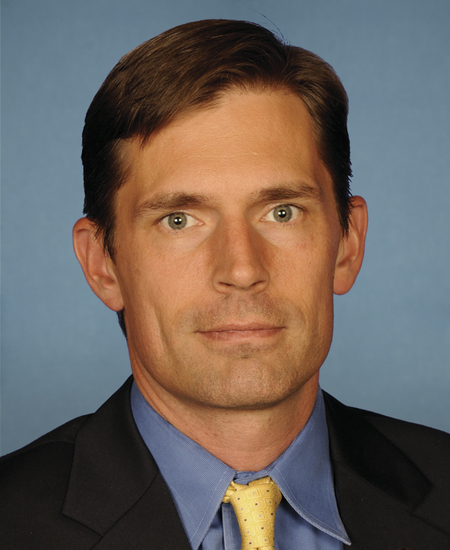
Martin Heinrich
78% support rate
Top opponent
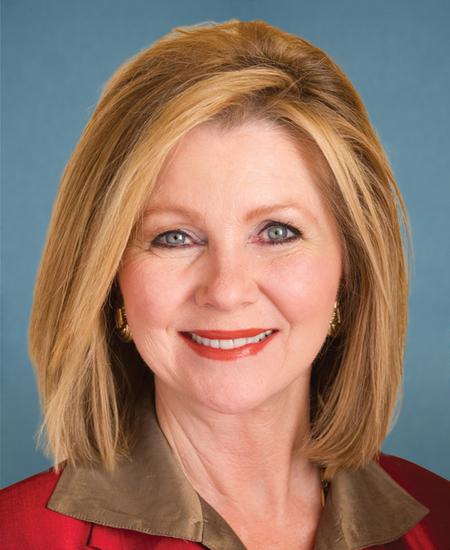
Marsha Blackburn
22% support rate
Ranked legislators
10
5 support · 5 oppose
Key legislators

Who's moving transportation in United States

Legislators moving transportation in United States
Legislator Party Stance Support rate Decisive votes
Martin Heinrich
Martin Heinrich Senate
D
Support
78% 9
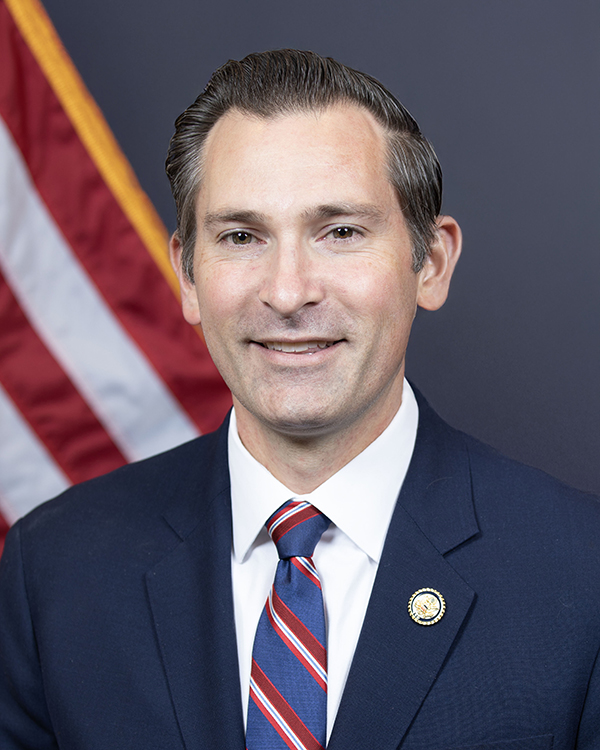
Matt Van Epps
Matt Van Epps House · District 7
R
Support
78% 9
Greg Casar
Greg Casar House · District 35
D
Support
75% 12
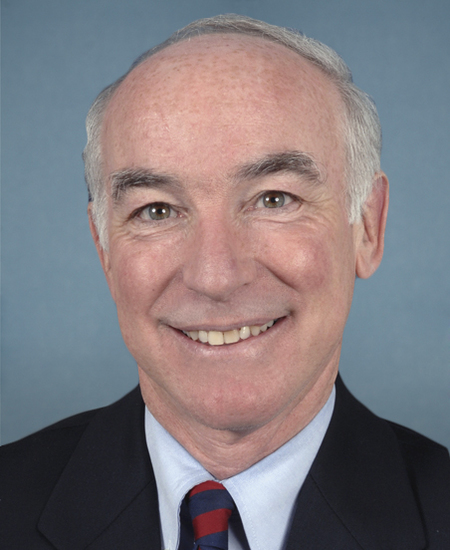
Joe Courtney
Joe Courtney House · District 2
D
Support
75% 12
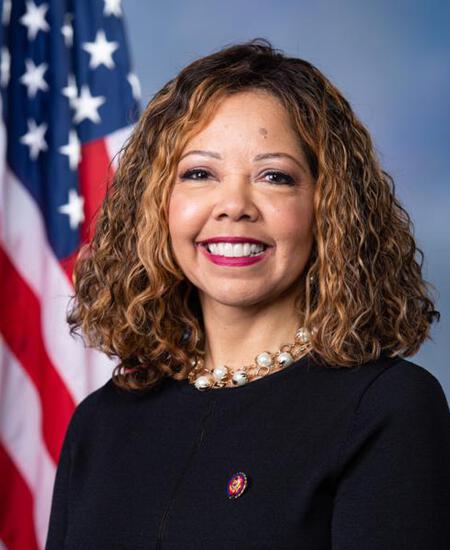
Lucy McBath
Lucy McBath House · District 6
D
Support
75% 12
Marsha Blackburn
Marsha Blackburn Senate
R
Oppose
22% 9
Ted Budd
Ted Budd Senate
R
Oppose
25% 12
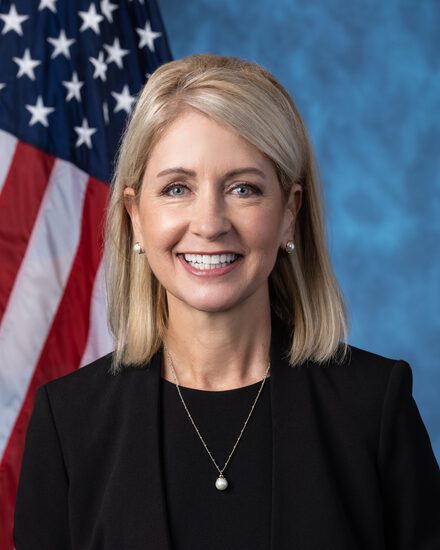
Mary E. Miller
Mary E. Miller House · District 15
R
Oppose
29% 14
Wesley Hunt
Wesley Hunt House · District 38
R
Oppose
30% 10
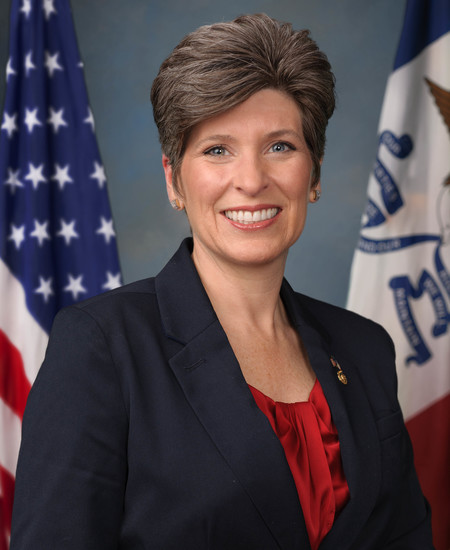
Joni Ernst
Joni Ernst Senate
R
Oppose
31% 26
Showing 411–420 of 736 bills

All transportation bills

in committee · United States · House Nov 18, 2025

HR 6064: Protecting Homes from Trains Act of 2025

This bill creates a federal grant program to help communities near rail lines address train-related impacts on homes. It authorizes $100 million annually (2026-2030) for grants to states, local governments, rail carriers, or other eligible entities to design or build physical barriers between rail lines and residential areas. These barriers aim to reduce damage from derailments, noise, and vibrations affecting homeowners. The program directly supports residents living adjacent to rail corridors who face these specific disruptions.
Sub-Topics Rail
in committee · United States · Senate Apr 1, 2025

S 1238: Securing Smart Investments in our Ports Act

This bill amends federal port infrastructure funding programs to require that projects receive funding based on equitable geographic distribution across U.S. regions. It adds new requirements to both the Port and Intermodal Improvement Program and assistance for small inland river/coastal ports, mandating that funding decisions consider fair representation across all U.S. regions. The change directly affects port projects seeking federal funds under these programs, ensuring regional balance in project selection. This is a procedural policy adjustment to existing grant rules, not a new funding source. The bill focuses on how funds are allocated, not on specific projects or outcomes.
in committee · United States · House Mar 4, 2025

HR 1828: School Bus Safety Act of 2025

HR 1828, the School Bus Safety Act of 2025, requires new school buses (over 10,000 lbs gross weight) to have 3-point seat belts at every seat, fire suppression systems, enhanced firewalls, and stricter interior flammability standards. It also mandates automatic emergency braking, event data recorders, electronic stability control, and 8 hours of specialized driver training for school bus operators. School districts can apply for federal grants to purchase new safety-equipped buses or retrofit existing ones. These requirements would take effect for buses manufactured or imported one year after the Transportation Secretary issues final rules.
passed · United States · House Apr 15, 2026

HR 7613: ALERT Act

The ALERT Act (HR 7613) requires the Federal Aviation Administration to improve aviation safety through several key measures. It mandates the evaluation and potential implementation of enhanced collision avoidance systems (ACAS-Xa) for commercial aircraft and ACAS-Xr for rotorcraft, with specific deadlines for rulemaking and installation. The bill establishes committees to develop recommendations for safety technology requirements, requires safety risk assessments for air traffic controllers, and addresses operational procedures at high-traffic airports like Ronald Reagan Washington National. These provisions affect air carriers, air traffic controllers, rotorcraft operators, and Department of Defense aircraft operations. The act aims to enhance situational awareness and reduce midair collision risks through technology upgrades and improved safety protocols.
Sub-Topics Airports
in committee · United States · Senate Jul 10, 2025

S 2261: Clean Shipping Act of 2025

This bill establishes new standards to reduce greenhouse gas emissions from commercial shipping. It requires vessels of 400 gross tonnage or more operating on covered voyages (between U.S. ports or between U.S. and foreign ports) to use fuels with progressively lower carbon intensity, starting with a 30% reduction below 2027 baseline levels by 2034, increasing to 100% reduction by 2050. Owners must report fuel carbon intensity and emissions annually, and the EPA will set enforceable standards by specific deadlines (e.g., first standard finalized by January 2029). Vessels on short voyages (30 days or fewer annually) are exempt, and standards may be adjusted if technological or economic feasibility is challenged.
Sub-Topics Climate Change Ports
in committee · United States · House May 8, 2025

HR 3270: Air Traffic Control Workforce Development Act of 2025

HR 3270, the Air Traffic Control Workforce Development Act of 2025, aims to strengthen the pipeline of air traffic controllers by improving training programs and retention. It provides $20 million annually (2026-2031) for colleges to develop specialized curricula and equipment through the Enhanced-Collegiate Training Initiative program, allowing graduates to be hired noncompetitively as controllers. The bill also establishes a committee to modernize training curricula and the Air Traffic Skills Assessment exam, while creating retention bonuses for certified controllers and mental health training for medical examiners. These changes directly affect colleges offering air traffic control programs, prospective controllers, and current FAA air traffic controllers.
in committee · United States · House Feb 2, 2026

HR 6693: SALAMANDER Act

The SALAMANDER Act streamlines permitting for post-disaster recovery projects involving waterways (like rebuilding roads, bridges, or coastal infrastructure after hurricanes or floods) by creating pre-approved general permits. It directly affects communities recovering from federally declared disasters and the Army Corps of Engineers, which implements these permits. Key provisions require upfront coordination with wildlife agencies to agree on "best management practices" that protect endangered species and critical habitats, replacing individual environmental reviews under the Endangered Species Act for 18 months after a disaster declaration. This reduces delays while maintaining environmental safeguards, with the Corps required to work with state agencies and establish national guidelines for consistent use.
Sub-Topics Coastal & Flood Protection Natural Disasters Wildlife Tags Emergency Management
in committee · United States · House Jan 27, 2026

HR 7243: SPUR Housing Act

This bill creates a HUD grant program to help developers offset state and local taxes and infrastructure fees for new housing projects. Developers must secure commitments from local governments to reduce property taxes by at least 50% on qualifying projects to qualify. Priority is given to projects increasing affordable housing, located near transit or job centers, using infill sites, or targeting workforce/senior housing needs. The program allocates $300 million annually (2027-2031) to cover up to 50% of eligible costs or $150,000 per developer, with grants lasting up to five years.
in committee · United States · House Jan 6, 2026

HR 6948: To amend title 49, United States Code, to require each new electric and hybrid vehicle to be equipped with technology that allows the timely extinguishment of an electric vehicle battery fire, and for other purposes.

This bill requires all new electric and hybrid vehicles sold in the U.S. to include four specific safety features: first responder battery access, thermal runaway prevention, delayed fire breach of passenger compartments, and standardized battery locations. The Transportation Secretary must establish these standards within two years, consulting with manufacturers and firefighter organizations. The rules apply to vehicles manufactured for sale after the standards are finalized. This directly affects electric and hybrid vehicle manufacturers, mandating concrete safety changes to address battery fire risks.
in committee · United States · House Dec 1, 2025

HR 5677: RIDE FAST Act

The RIDE FAST Act extends the deadline for using federal grants supporting intercity passenger rail projects from 2026 to 2032. This change directly affects states and rail operators eligible for these grants, giving them six additional years to plan and implement rail improvements. The bill amends Section 22106(a) of the Infrastructure Investment and Jobs Act to adjust the authorization period without creating new funding. It focuses solely on extending existing grant availability for rail projects.
Sub-Topics Rail
Showing 411 to 420 of 736 bills
Previous 1 41 42 43 74 Next