Issue · Transportation

Transportation

Every transportation bill, vote, and legislator stance in United States, automatically classified by Maddy, our AI policy reader.

Total bills
3
119th Congress
Top supporter
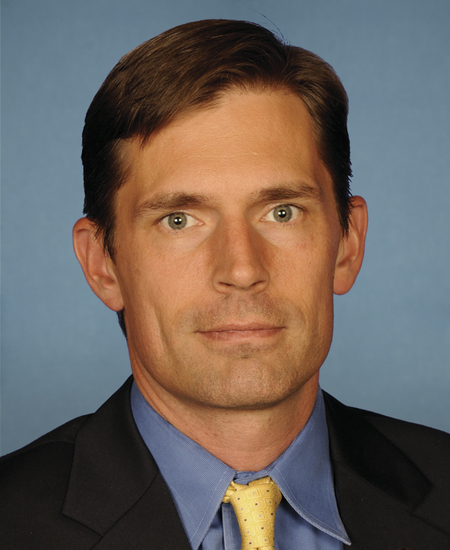
Martin Heinrich
78% support rate
Top opponent
Marsha Blackburn
22% support rate
Ranked legislators
10
5 support · 5 oppose
Key legislators

Who's moving transportation in United States

Legislators moving transportation in United States
Legislator Party Stance Support rate Decisive votes
Martin Heinrich
Martin Heinrich Senate
D
Support
78% 9
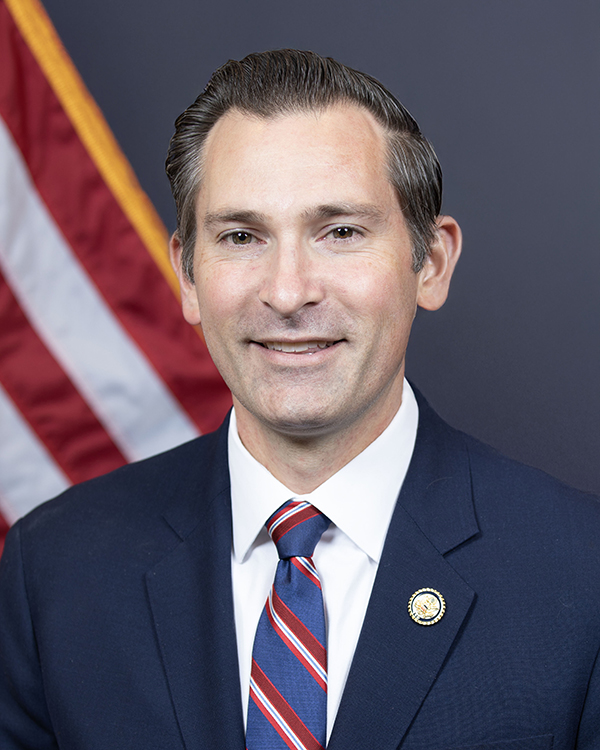
Matt Van Epps
Matt Van Epps House · District 7
R
Support
78% 9
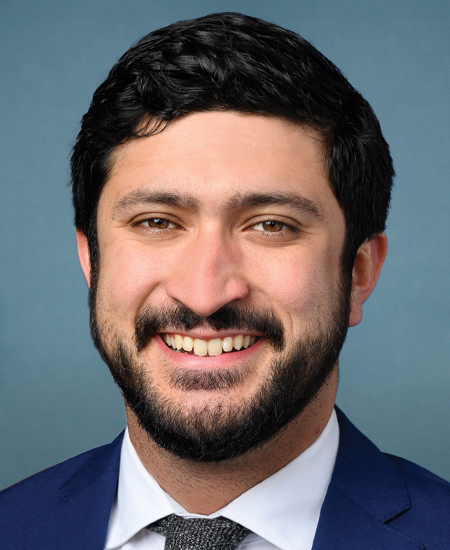
Greg Casar
Greg Casar House · District 35
D
Support
75% 12
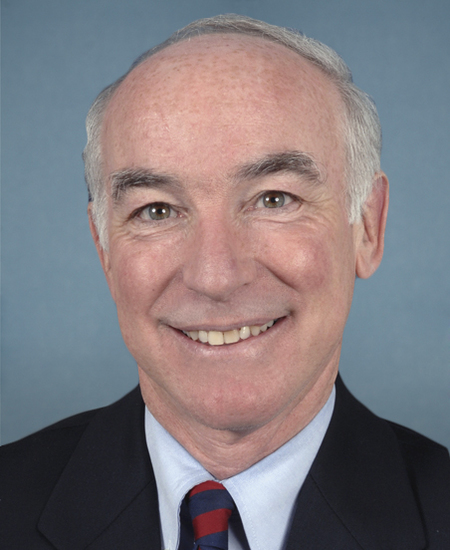
Joe Courtney
Joe Courtney House · District 2
D
Support
75% 12
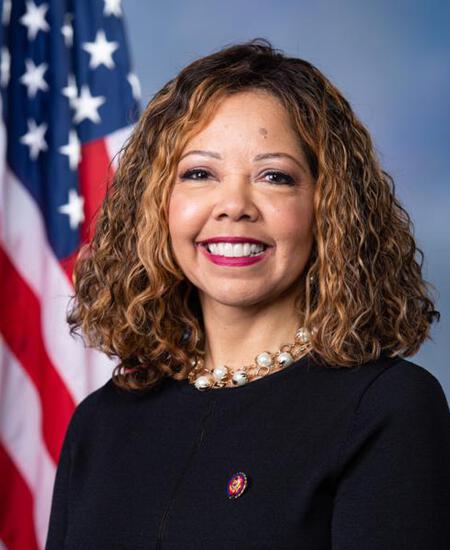
Lucy McBath
Lucy McBath House · District 6
D
Support
75% 12
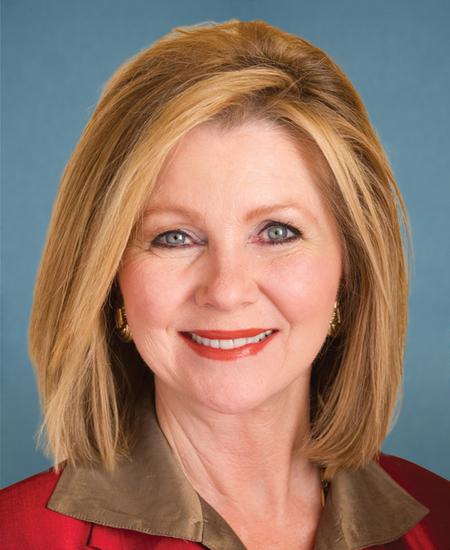
Marsha Blackburn
Marsha Blackburn Senate
R
Oppose
22% 9
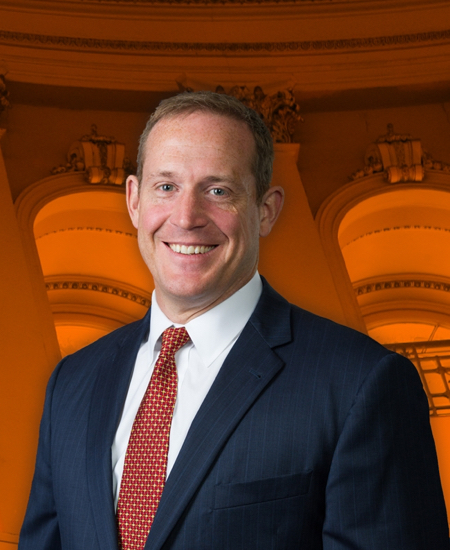
Ted Budd
Ted Budd Senate
R
Oppose
25% 12
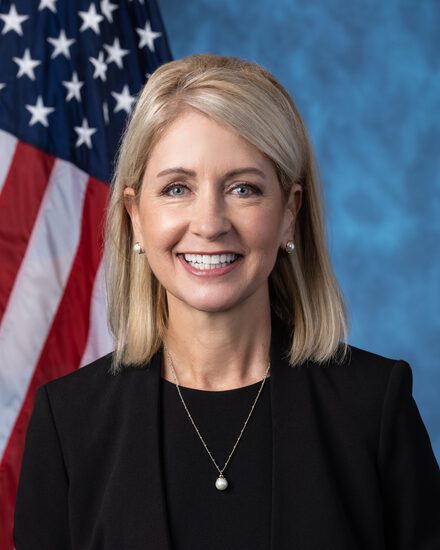
Mary E. Miller
Mary E. Miller House · District 15
R
Oppose
29% 14
Wesley Hunt
Wesley Hunt House · District 38
R
Oppose
30% 10
Joni Ernst
Joni Ernst Senate
R
Oppose
31% 26
Showing 3 of 3 bills

All transportation bills

passed · United States · House Sep 16, 2026

HR 2140: Diesel Emissions Reduction Act of 2025

HR 2140, the Diesel Emissions Reduction Act of 2025, extends the expiration date of the existing Diesel Emissions Reduction Act program. It amends Section 797(a) of the Energy Policy Act of 2005 by changing the end date from 2024 to 2029. This bill does not create new programs or funding; it simply prolongs the current program's authorization period. The change affects the continuation of the existing federal program that supports state and local efforts to reduce diesel emissions from older vehicles.
passed · United States · House Sep 1, 2026

HRES 1499: Providing for consideration of the bill (H.R. 1501) to amend the FAST Act to include certain mineral production activities as a covered project, and for other purposes; providing for consideration of the bill (H.R. 9436) to amend the Consolidated Appropriations Act, 2023 to extend the time period for which certain regulations concerning the North Atlantic right whale are effective; providing for consideration of the resolution (H. Res. 1490) providing for the condemnation and denouncement of socialism in all its forms, and for other purposes; providing for consideration of the bill (H.R. 4795) to amend the Higher Education Act of 1965 to prohibit an institution that participates in a nonexpressive commercial boycott of Israel from being eligible for certain funds under that Act, to require an institution that participates in certain programs under that Act to certify that students are not unreasonably obstructed from participating in academic programs in Israel, and for other purposes; and relating to consideration of motions to suspend the rules.

H.Res. 1499 is a procedural resolution that establishes specific rules for the House of Representatives to consider four separate legislative measures and a constitutional amendment proposal. It allows for the consideration of H.R. 1501, which would amend the FAST Act to classify certain mineral production activities as covered infrastructure projects, and H.R. 9436, which extends the effective period of regulations concerning North Atlantic right whales. The resolution also provides the framework for debating H.Res. 1490, a measure condemning socialism, and H.R. 4795, which would restrict federal funding for higher education institutions that participate in commercial boycotts of Israel or obstruct student participation in academic programs there. Additionally, it extends debate time to one hour for a joint resolution proposing a constitutional amendment to fix the size of the Supreme Court at nine justices.
passed · United States · House Jul 14, 2026

HR 8897: Improving Travel for American Families Act

The Improving Travel for American Families Act directs the Transportation Security Administration to create a two-year pilot program at five airports. This initiative aims to make travel easier for families by testing alternative security screening lanes specifically designed for passengers traveling with children twelve years old and younger. When choosing which airports to include, the program will prioritize locations with high numbers of families and ensure there is enough space and staff to handle these new lanes without slowing down other security lines. The Transportation Security Administration must report the results of this pilot program to Congress within one year of the law's enactment.