Issue · Technology

Technology

Every technology bill, vote, and legislator stance in United States, automatically classified by Maddy, our AI policy reader.

Total bills
1,641
119th Congress
Top supporter
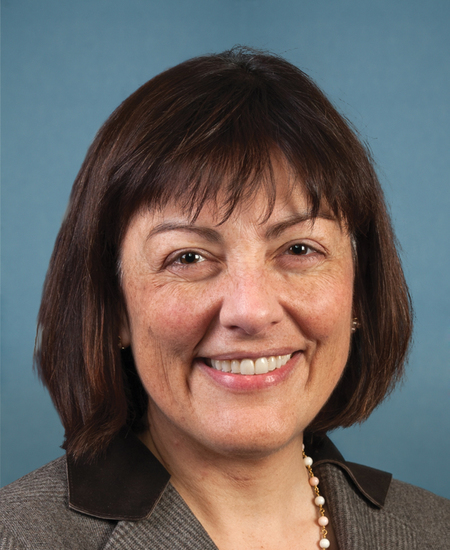
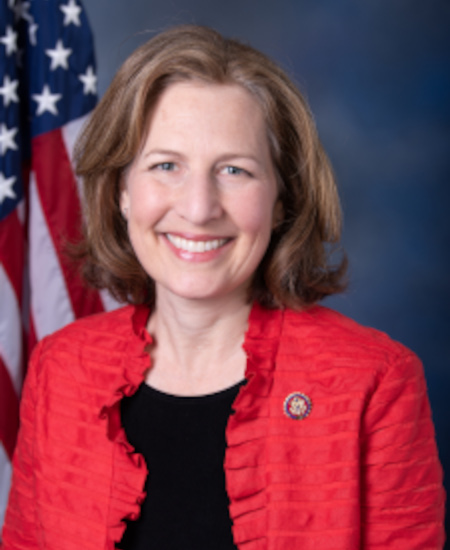
Suzan K. DelBene
86% support rate
Top opponent
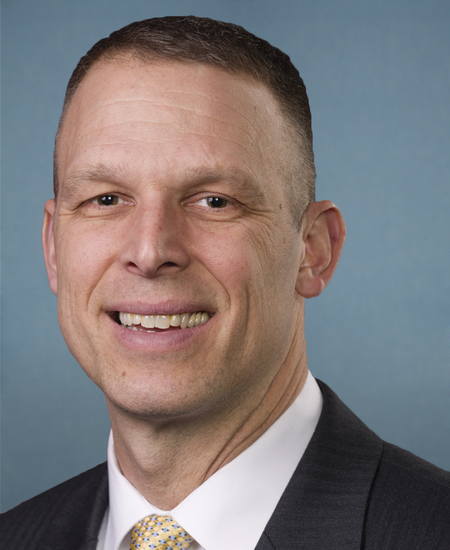
Scott Perry
14% support rate
Ranked legislators
10
5 support · 5 oppose
Key legislators

Who's moving technology in United States

Legislators moving technology in United States
Legislator Party Stance Support rate Votes
Suzan K. DelBene
Suzan K. DelBene House · District 1
D
Strong +
86% 259
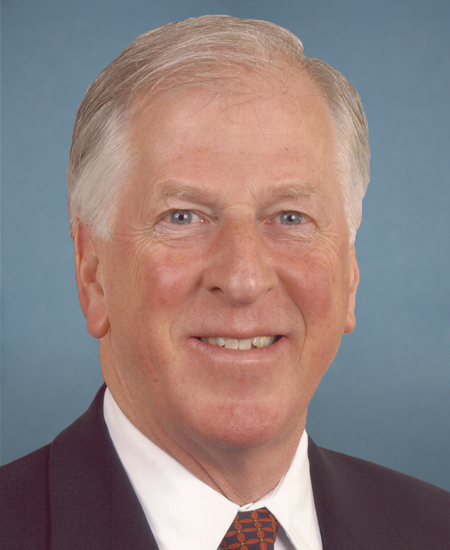
Mike Thompson
Mike Thompson House · District 4
D
Strong +
86% 261
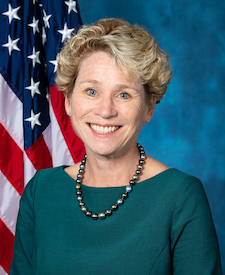
Chrissy Houlahan
Chrissy Houlahan House · District 6
D
Strong +
86% 259
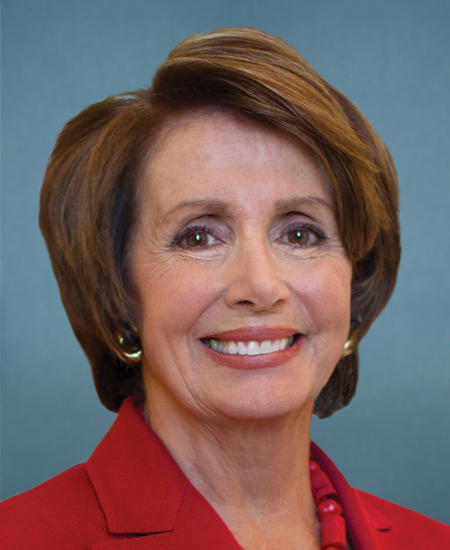
Nancy Pelosi
Nancy Pelosi House · District 11
D
Strong +
86% 246
Kim Schrier
Kim Schrier House · District 8
D
Strong +
86% 261
Scott Perry
Scott Perry House · District 10
R
Strong −
14% 252
AA
Alan Armstrong Senate
R
Strong −
14% 46
Rand Paul
Rand Paul Senate
R
Strong −
16% 223
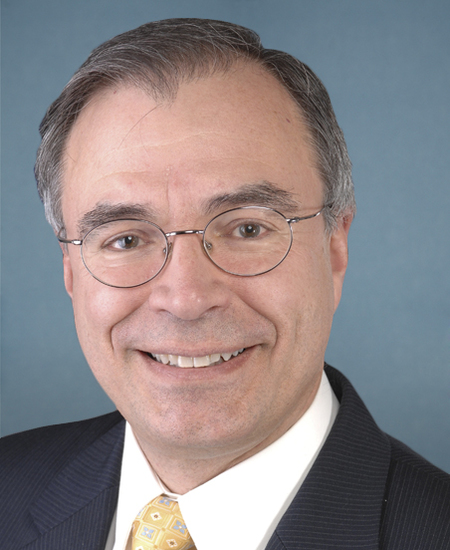
Andy Harris
Andy Harris House · District 1
R
Strong −
18% 257
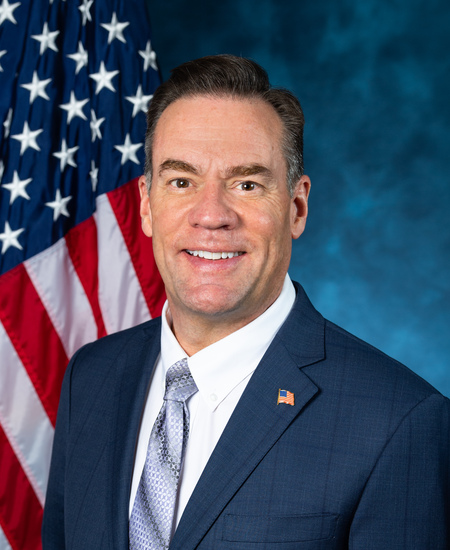
Russ Fulcher
Russ Fulcher House · District 1
R
Strong −
18% 262
Showing 81–90 of 1,641 bills

All technology bills

in committee · United States · Senate Jul 15, 2026

S 5000: Cyber Letters of Marque and Reprisal Act

This bill, titled the Cyber Letters of Marque and Reprisal Act, authorizes the President to issue official commissions to private companies and individuals to conduct specific cyber operations against foreign cyberthreats. Under this program, private holders would be permitted to perform tasks such as collecting intelligence, recovering stolen data, disrupting malicious networks, and seizing digital assets located outside the United States. To participate, recipients must post a security bond, maintain detailed records of their activities for at least five years, and adhere to strict rules prohibiting attacks on U.S. citizens or entities. The legislation also establishes a bounty system where recovered funds can be used to reward private operators and informants, with a portion of seized assets potentially funding future operations or victim compensation. Additionally, the act provides legal protection for private holders from lawsuits regarding actions explicitly authorized by their commission.
Sub-Topics Cybersecurity
in committee · United States · Senate Jul 27, 2026

S 5136: Promoting Authenticity with Influencer Disclaimers Act

This bill requires political committees to clearly label online content they pay for, ensuring viewers know the post was funded by a political group. The law applies to advertisements and messages posted on websites, apps, or social media by third parties, but excludes content on a committee's own site or posts by regular employees using their own accounts. Starting in 2027, these labels must be easy to read in videos and text or clearly spoken in audio, and committees must inform the creators of this requirement when making payments. The Federal Election Commission will create specific rules to enforce these standards by that date.
Sub-Topics Social Media
in committee · United States · House Jul 21, 2026

HR 9814: 988 Lifeline Location Improvement Act of 2026

The 988 Lifeline Location Improvement Act of 2026 directs the Federal Communications Commission to study how to require callers to the 988 Suicide and Crisis Lifeline to send their precise location information to emergency responders. This requirement would primarily affect telecommunications companies, 911 service providers, and crisis centers that currently handle calls from users who may not be able to verbally state their address. The bill also asks the Government Accountability Office to produce a report on the legal, technical, and financial challenges of implementing such a system, including considerations for privacy and accessibility for users with hearing loss. By mandating these studies, the legislation aims to gather necessary data before deciding on a policy to ensure callers can be routed to local help more effectively.
Sub-Topics Telecommunications Tags Public Safety
in committee · United States · House Jul 27, 2026

HR 9965: AI Threat Output and Monitoring Incident Containment Act

This bill establishes the Advanced Artificial Intelligence Nuclear Evaluation Program, requiring large AI developers to submit their systems for government testing to prevent incidents involving nuclear weapons or critical infrastructure. Under the program, the Department of Energy will conduct security assessments, including adversarial "jailbreaking" attempts and third-party reviews, to identify risks and develop safety protocols. Developers who refuse to participate or withhold necessary data face civil penalties of up to $1 million per day, while the information they provide remains confidential unless specific legal exceptions apply. Additionally, the Secretary of Energy must submit annual reports to Congress with recommendations for future legislation to further regulate AI safety and oversight.
in committee · United States · House Jul 22, 2026

HR 9856: Prediction Markets Are Gambling Act

This bill, titled the Prediction Markets Are Gambling Act, prohibits the listing, clearing, or trading of contracts related to sports events or casino-style games on regulated financial exchanges. It directly affects platforms and entities that currently operate prediction markets by banning them from offering bets on outcomes like professional sports matches or casino games such as roulette and blackjack. The law achieves this by amending the Commodity Exchange Act to explicitly define these activities as prohibited agreements, while also clarifying that state laws regulating such contracts remain unaffected. Essentially, the legislation removes the ability for federally registered markets to facilitate gambling on sports and traditional casino games.
in committee · United States · Senate Jul 16, 2026

S 5024: Stop PRC Economic Espionage Act of 2026

The Stop PRC Economic Espionage Act of 2026 expands the definition of a foreign instrumentality under U.S. law to include entities domiciled in covered nations, in addition to those substantially owned by foreign governments. This change directly affects investigations into economic espionage by broadening the scope of organizations that can be legally classified as foreign agents for the purpose of criminal prosecution. By amending the United States Code, the bill ensures that companies based in specific foreign countries are treated with the same scrutiny as those owned by foreign governments when accused of stealing trade secrets. The provision relies on existing definitions of covered nations found in the National Defense Authorization Act to determine which countries are included in this expanded category.
in committee · United States · Senate Jul 21, 2026

S 5057: Safeguarding Against Fabricated Exploitation Through Artificial Intelligence Act of 2026

This bill prohibits federal agencies from purchasing or using artificial intelligence models that fail to meet specific safety standards designed to prevent the creation of child sexual abuse material and non-consensual intimate images of adults. It requires the National Institute of Standards and Technology to establish performance benchmarks and a testing program within 180 days of enactment, while also mandating that agencies remove non-compliant software from their systems. The legislation includes a "cure" option allowing vendors to fix identified flaws at their own expense to avoid removal, and it bans the sale of tools specifically designed to bypass these safety controls. Additionally, the bill creates a private right of action, enabling individuals whose images are used to generate illegal content to sue developers for damages or injunctive relief.
in committee · United States · House Jul 23, 2026

HR 9915: Stealth Bot Prohibition Act

The Stealth Bot Prohibition Act makes it illegal to use automated software, known as stealth bots, to access websites without revealing their identity or purpose. Specifically, the law bans deploying these bots in ways that harm online services and prohibits disguising them as human users when interacting with generative artificial intelligence systems. Violations can result in civil penalties of up to $53,000 per incident, which are enforced by the Federal Trade Commission and state attorneys general. The bill defines a stealth bot as any program that scrapes or scans the internet without disclosing its nature or intended use to the website operator.
in committee · United States · House Jul 22, 2026

HR 9829: ORTHO Act

The ORTHO Act directs the Federal Trade Commission to create new rules requiring dentists to perform an in-person examination before providing most dental services or medical devices through teledentistry. This requirement includes exceptions for emergency care, approved public health programs, and specific orthodontic diagnoses that must still be confirmed by an in-person visit and review of X-rays before a patient begins using an appliance. Violations of these rules would be treated as unfair or deceptive practices, allowing both the FTC and state attorneys general to enforce the law through civil penalties and potential damages. The bill also clarifies that states retain the ability to adopt additional regulations that are consistent with these federal standards.
Sub-Topics Public Health
in committee · United States · Senate Jul 27, 2026

S 5139: National Quantum Readiness Act of 2026

The National Quantum Readiness Act of 2026 directs federal agencies to advance quantum technology development and secure domestic supply chains. It requires the Department of Defense to select three next-generation quantum sensor projects for deployment by 2028. Additionally, multiple agencies must create a plan to partner with the private sector on developing quantum components and address market barriers. The bill also mandates steps to improve access to domestic foundry resources and strengthen the supply chain for quantum information science.
Sub-Topics Emerging Technology
Showing 81 to 90 of 1,641 bills
Previous 1 8 9 10 165 Next