Issue · Technology

Technology

Every technology bill, vote, and legislator stance in United States, automatically classified by Maddy, our AI policy reader.

Total bills
1,435
119th Congress
Top supporter
Ami Bera
86% support rate
Top opponent
Alan Armstrong
14% support rate
Ranked legislators
10
5 support · 5 oppose
Key legislators

Who's moving technology in United States

Legislators moving technology in United States
Legislator Party Stance Support rate Decisive votes
Ami Bera
Ami Bera House · District 6
D
Strong +
86% 22
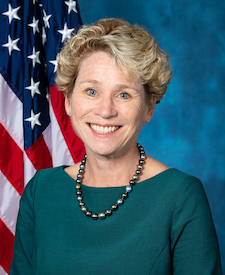
Chrissy Houlahan
Chrissy Houlahan House · District 6
D
Strong +
86% 22
Kim Schrier
Kim Schrier House · District 8
D
Strong +
86% 22
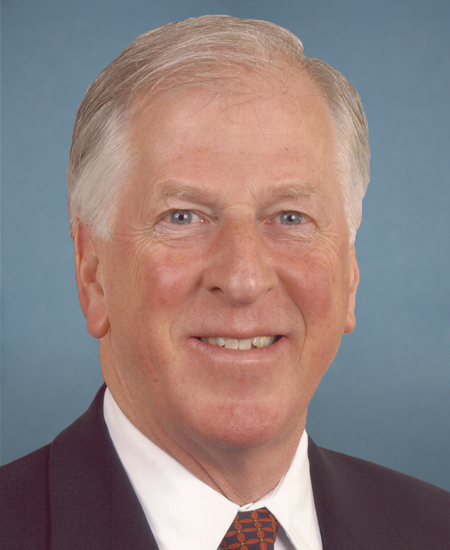
Mike Thompson
Mike Thompson House · District 4
D
Strong +
86% 22
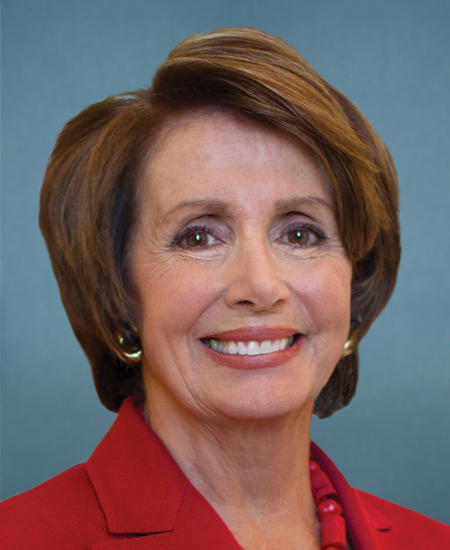
Nancy Pelosi
Nancy Pelosi House · District 11
D
Strong +
86% 22
AA
Alan Armstrong Senate
R
Strong −
14% 28
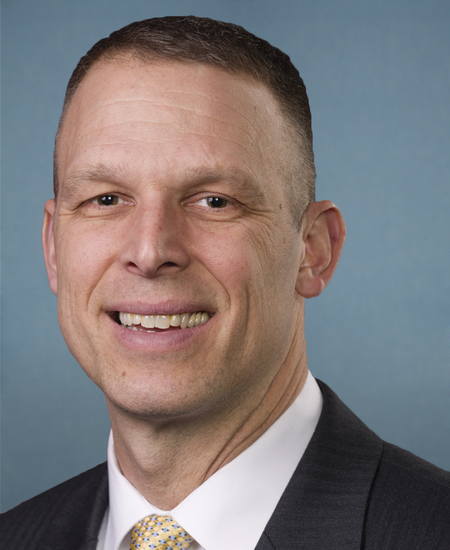
Scott Perry
Scott Perry House · District 10
R
Strong −
14% 21
Rand Paul
Rand Paul Senate
R
Strong −
16% 45
Josh Hawley
Josh Hawley Senate
R
Strong −
18% 44
Andy Harris
Andy Harris House · District 1
R
Strong −
18% 22
Showing 251–260 of 1,435 bills

All technology bills

in committee · United States · House Jul 21, 2026

HR 8981: SCALE Biology Act

The SCALE Biology Act directs the National Institute of Standards and Technology to create a new biometrology laboratory program focused on engineering biology and biomanufacturing. This initiative aims to improve the accuracy and reliability of biological data while developing technical standards, safety guidelines, and measurement tools to support industry innovation and national security. The bill authorizes funding over several years to establish research facilities, train experts, and collaborate with universities and private companies to advance the field. Additionally, the legislation updates existing definitions related to biotechnology and biosafety to ensure clarity across federal programs.
in committee · United States · House May 26, 2026

HR 9042: Blue Skies for Taiwan Act of 2026

The Blue Skies for Taiwan Act of 2026 establishes a working group to evaluate how the United States can support Taiwan in producing secure, China-independent drone components. This initiative aims to address security risks posed by Chinese-sourced parts in commercial drones by facilitating public-private partnerships and streamlining certification processes for Taiwanese manufacturers. The bill also creates a cooperative framework to help regional allies acquire these secure drones and includes provisions for fast-tracking export controls and cybersecurity reviews for qualified Taiwanese suppliers. While the legislation authorizes funding for these efforts, it explicitly states that it does not change the official U.S. position on Taiwan's international status.
in committee · United States · Senate May 20, 2026

S 4607: DOD and USDA Interagency Research Act

This bill establishes a formal partnership between the Department of Defense and the Department of Agriculture to conduct joint research on protecting the nation's food supply and agricultural systems. The legislation requires these agencies to sign an agreement that mandates competitive funding processes, mandates matching private funds for grants, and focuses on technologies like artificial intelligence, biosecurity, and supply chain resilience. Key provisions include authorizing the use of existing funds for these projects, ensuring secure data sharing with partners, and requiring annual reports to Congress on the initiative's progress and security measures.
in committee · United States · House Jun 3, 2026

HR 9115: To amend the FISA Amendments Act of 2008 to extend the authorities of title VII of the Foreign Intelligence Surveillance Act of 1978, and for other purposes.

This bill extends the expiration date for certain surveillance authorities under the Foreign Intelligence Surveillance Act from 2026 to 2029 and adds new restrictions on how the FBI can use data collected from non-U.S. persons. It prohibits the FBI from using this data to investigate U.S. citizens unless there is probable cause that the person is a foreign power or agent, and it requires regular court reviews and a GAO audit to ensure compliance. The legislation also introduces stricter criminal penalties for unauthorized access to such data and includes a separate provision that bans the Federal Reserve from issuing a central bank digital currency.
in committee · United States · House May 29, 2026

HR 9050: Small Business Innovation Voucher Act of 2026

The Small Business Innovation Voucher Act of 2026 creates a new grant program to help small businesses purchase technical assistance and services from universities and nonprofit research labs. Under this competitive program, the Small Business Administration will award grants ranging from $15,000 to $75,000 to cover between 50% and 75% of the cost for projects aimed at developing new products or services. To receive funding, small businesses must submit an application detailing their project, and selected recipients are required to report on their results and how the project impacted their business after completion. The legislation authorizes $10 million per year from 2026 through 2030 to fund these grants and covers administrative expenses with up to 5% of the total appropriation.
Sub-Topics Appropriations Tags Small Business
in committee · United States · Senate Jul 27, 2026

S 4570: U.S. Tech PATH Act

The U.S. Tech PATH Act establishes a new program within the Department of State to help foreign governments purchase trusted American cyber and digital technologies, aiming to reduce reliance on suppliers from countries of concern like China. This initiative creates a dedicated office and funding stream to guide foreign partners through procurement hurdles, offering assistance with logistics, financing, and capacity building for items such as software, hardware, and artificial intelligence tools. To ensure security, the bill requires strict vetting of foreign partners to prevent human rights abuses and mandates risk assessments to stop technology misuse or diversion. The program is designed to operate alongside private market competition rather than replacing it, with a sunset provision that ends its authority eight years after enactment.
in committee · United States · House Jun 12, 2026

HR 9152: VETRA Act

The VETRA Act directs the Department of Veterans Affairs to run a two-year pilot program aimed at upgrading its digital security systems to better protect veterans' benefits and reduce fraud. Under this initiative, the VA will test new multi-layered identity verification methods on up to three high-use platforms, such as those for disability claims, health care enrollment, and educational benefits. The program requires the use of commercially available, independently certified security tools that adjust verification strictness based on the risk level of each transaction. To ensure accountability, the bill mandates regular reports to Congress on performance metrics and requires an independent evaluation by the Government Accountability Office before deciding whether to expand the system nationwide.
in committee · United States · House Jun 3, 2026

HR 9125: Sectoral AI Governance Act of 2026

The Sectoral AI Governance Act of 2026 gives federal agencies with enforcement powers the ability to create specific rules targeting algorithmic decision-making systems that are likely to cause violations of existing federal laws. Under this bill, agencies must publish a public notice at least 60 days before proposing rules to allow for feedback, while also consulting with other agencies and technical experts to ensure consistency and avoid conflicts. The legislation requires agencies to periodically review these rules every five years and submit biennial reports to Congress detailing their rulemaking activities, enforcement actions, and assessments of potential discriminatory impacts. By clarifying regulatory authority and mandating transparency, the bill aims to improve coordination across the federal government without preempting state laws on the same topics.
in committee · United States · House Jun 3, 2026

HR 9134: Protecting Student Privacy Act

The Protecting Student Privacy Act prevents federal student aid data from being shared with immigration enforcement agencies for the purpose of enforcing immigration laws. This rule applies to information held by the Department of Education regarding students and their financial contributors, such as parents or spouses, and blocks its use for arrests, interviews, or surveillance by the Department of Homeland Security and other authorized entities. The law includes specific exceptions for court orders related to criminal offenses and for cases where a student or contributor voluntarily and without pressure consents to sharing their information. Additionally, the bill requires the Secretary of Education to report any unauthorized disclosures to Congress and states that this new rule overrides any conflicting state or local laws.
in committee · United States · House Sep 8, 2026

HR 9098: Congressional Records Protection Act of 2026

This bill, known as the Congressional Records Protection Act, aims to shield the personal and official communications of Members of Congress and their employees from government searches and subpoenas. It directly affects federal, state, and local law enforcement agencies by prohibiting them from obtaining records related to these individuals unless the person is the specific target of a criminal investigation. Under the new rules, agencies must notify the affected Member or employee before searching their records, except in urgent cases where notice could endanger lives or destroy evidence. Additionally, any materials found during a search that belong to a protected individual cannot be reviewed for 30 days to ensure they are not accessed without proper oversight.
Sub-Topics Law Enforcement
Showing 251 to 260 of 1,435 bills
Previous 1 25 26 27 144 Next