Issue · Technology

Technology

Every technology bill, vote, and legislator stance in United States, automatically classified by Maddy, our AI policy reader.

Total bills
1,641
119th Congress
Top supporter
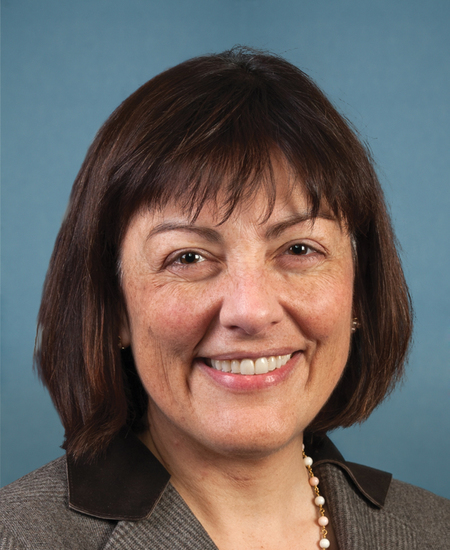
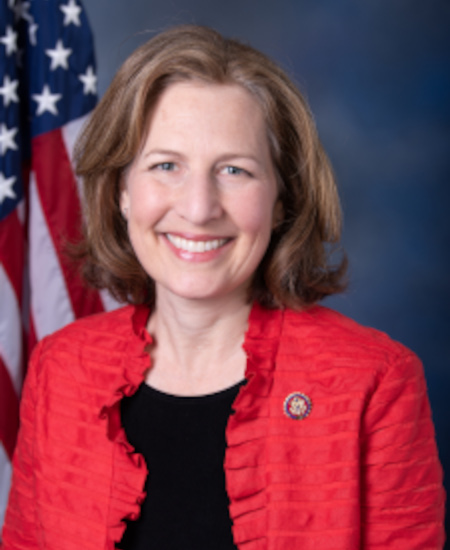
Suzan K. DelBene
86% support rate
Top opponent
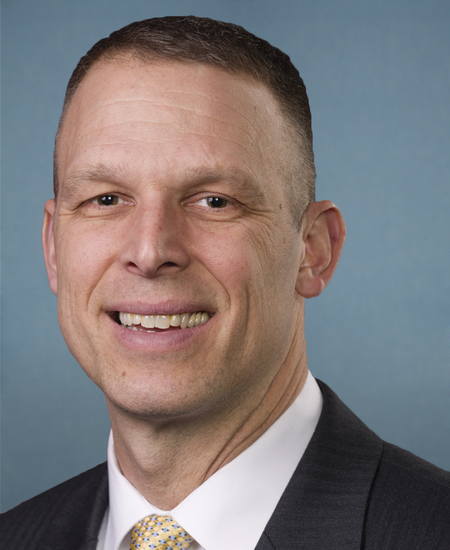
Scott Perry
14% support rate
Ranked legislators
10
5 support · 5 oppose
Key legislators

Who's moving technology in United States

Legislators moving technology in United States
Legislator Party Stance Support rate Votes
Suzan K. DelBene
Suzan K. DelBene House · District 1
D
Strong +
86% 259
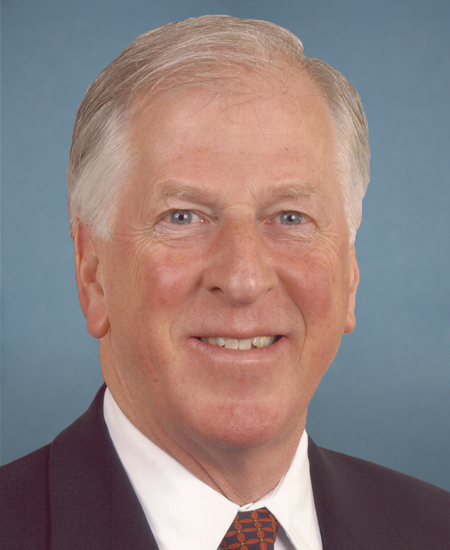
Mike Thompson
Mike Thompson House · District 4
D
Strong +
86% 261
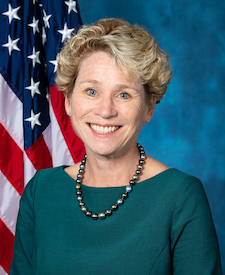
Chrissy Houlahan
Chrissy Houlahan House · District 6
D
Strong +
86% 259
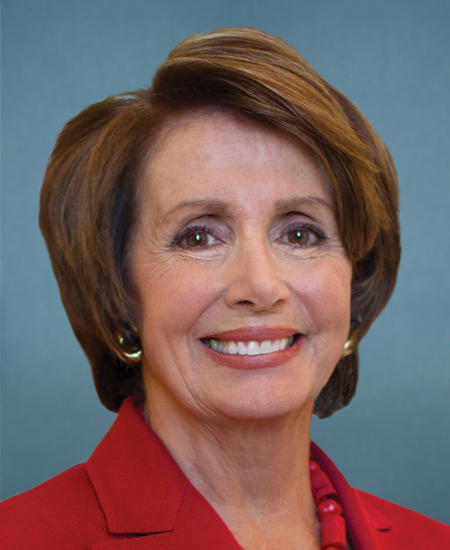
Nancy Pelosi
Nancy Pelosi House · District 11
D
Strong +
86% 246
Kim Schrier
Kim Schrier House · District 8
D
Strong +
86% 261
Scott Perry
Scott Perry House · District 10
R
Strong −
14% 252
AA
Alan Armstrong Senate
R
Strong −
14% 46
Rand Paul
Rand Paul Senate
R
Strong −
16% 223
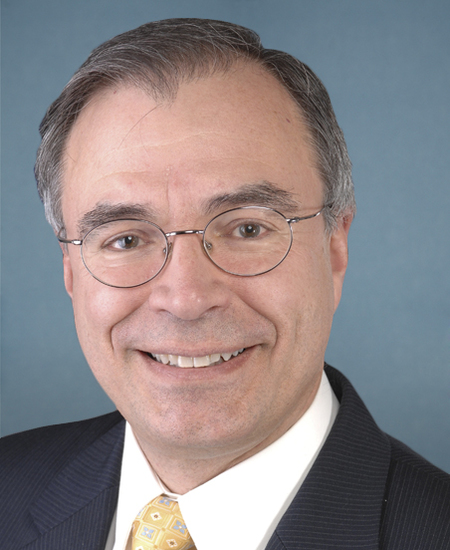
Andy Harris
Andy Harris House · District 1
R
Strong −
18% 257
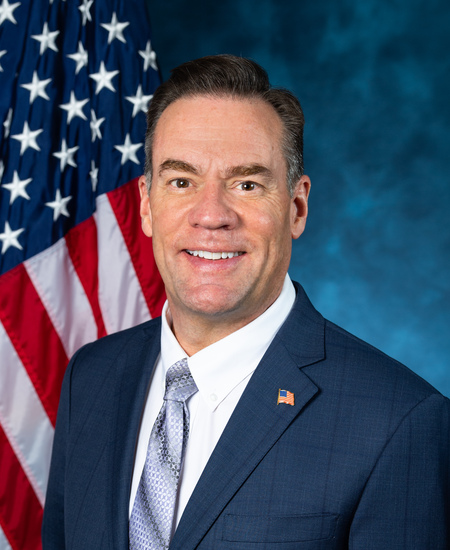
Russ Fulcher
Russ Fulcher House · District 1
R
Strong −
18% 262
Showing 231–240 of 1,641 bills

All technology bills

in committee · United States · House Jun 11, 2026

HR 9275: Buy Now Pay Later Consumer Protection Act of 2026

This bill expands the definition of credit cards under federal law to include specific "buy now, pay later" loans that are repaid in four or fewer interest-free installments. By making this change, the legislation brings these short-term financing options under the same consumer protection rules that currently apply to credit card issuers. The Consumer Financial Protection Bureau is required to issue new regulations within 180 days to enforce these standards, ensuring that companies offering these loans follow established disclosure and operational guidelines.
in committee · United States · House Jun 11, 2026

HR 9262: Local Control Protection Act

The Local Control Protection Act restricts federal courts from hearing challenges to local zoning decisions that deny permits for large data centers, provided those denials were made by recorded vote with documented findings. It also prohibits federal agencies from approving permits for these facilities if the developer is currently suing to overturn a local government's denial. Additionally, the bill requires developers of covered data centers to receive tax credits only if they sign enforceable agreements with local officials to address infrastructure impacts, monitor environmental effects, and prioritize hiring local workers and contractors.
Sub-Topics Property Development Zoning Tags Local Government
in committee · United States · House Jul 7, 2026

HR 9314: DHS Surveillance Technology Moratorium Act of 2026

The DHS Surveillance Technology Moratorium Act of 2026 temporarily halts the Department of Homeland Security from using funds to start, renew, or expand contracts for surveillance tools used in immigration enforcement, such as facial recognition and predictive analytics. This pause applies to agencies like U.S. Immigration and Customs Enforcement and Customs and Border Protection, though existing contracts can continue until a review is complete. The bill mandates an independent audit within 180 days to examine data collection practices, privacy impacts, and the accuracy of these technologies, followed by a public report detailing their use and capabilities. The funding ban remains in effect until the audit is finished, a public report is released, and the department demonstrates it has implemented necessary safeguards to protect civil liberties. Once these conditions are met, the moratorium lifts, but the department must submit annual reports on its continued use of these technologies and any related privacy complaints.
in committee · United States · House Jun 11, 2026

HR 9276: Federal Cryptocurrency Theft Enforcement and Coordination Act

The Federal Cryptocurrency Theft Enforcement and Coordination Act establishes a new task force within the Department of Justice to coordinate efforts against cryptocurrency theft. Led by the Attorney General, this group will include representatives from agencies such as the FBI and the Treasury to improve how federal, state, and local law enforcement investigate and prosecute these crimes. The task force is responsible for sharing information, providing training on digital evidence collection, and identifying gaps in current laws without creating new criminal offenses or regulating digital assets. Additionally, the Attorney General must submit annual reports to Congress detailing the task force's activities and offering recommendations for future improvements.
in committee · United States · Senate Jun 11, 2026

S 4752: A bill to amend the Internal Revenue Code of 1986 to increase criminal and civil penalties for unauthorized disclosure of taxpayer information, and for other purposes.

This bill increases the penalties for unauthorized disclosure of taxpayer information to strengthen protections for individuals whose tax data is compromised. It raises maximum criminal fines for such violations from $5,000 to $250,000 and extends potential prison sentences from five to seven years. The legislation also introduces a new felony charge specifically for IRS contractors who willfully fail to maintain security safeguards, imposing fines of up to $500,000 or 25 percent of their total contract value with the IRS. Additionally, civil damages for unauthorized disclosures are increased from $1,000 to $5,000, and the bill requires the IRS to notify taxpayers promptly when they are criminally charged for leaking their tax return information.
Sub-Topics Corrections
in committee · United States · House Jul 7, 2026

HR 9232: Critical Infrastructure Airspace Defense Act

The Critical Infrastructure Airspace Defense Act grants owners and operators of designated high-risk facilities, such as nuclear power plants and key electrical substations, the legal authority to detect, track, and disable unauthorized drones threatening their security. To exercise this power, personnel must complete a federally mandated training and certification program that establishes standards for legal and technical proficiency before they can use approved counter-drone technologies. The legislation also creates a $250 million grant program to help these facilities purchase and install the necessary equipment while providing liability protection for authorized actions taken to mitigate threats. Additionally, the bill requires the Department of Homeland Security to issue implementing regulations within 180 days and mandates regular reports on the program's activities to Congress.
Sub-Topics Emerging Technology
in committee · United States · House Jul 21, 2026

HR 9326: USA Act

The USA Act directs the National Institute of Standards and Technology to advance international standards for artificial intelligence and other emerging technologies by promoting private sector-led processes and strengthening public-private partnerships. To improve U.S. involvement, the bill requires the institute to provide Congress with a briefing on current standards activities and to create a web portal that helps industry and government agencies find and join these efforts. Additionally, the legislation establishes a five-year pilot program that awards grants to eligible organizations to host standards meetings within the United States, aiming to increase domestic participation in global technical standardization.
in committee · United States · House Jun 15, 2026

HR 9323: Department of Advanced Technology and Artificial Intelligence Act

This bill creates a new federal Department of Advanced Technology and Artificial Intelligence led by a Secretary appointed by the President. The department's main goal is to develop a unified national strategy for using artificial intelligence across all government agencies, including setting safety standards and managing research funding. It also aims to improve AI literacy in schools, protect workers from job displacement, and establish systems for reporting cybersecurity incidents related to AI. Additionally, the bill requires a government report within 180 days to assess current AI regulations and recommend updates to federal laws regarding privacy, safety, and misinformation.
in committee · United States · House Jun 11, 2026

HR 9258: Concrete Pump Tax Fairness Act

The Concrete Pump Tax Fairness Act introduces a new mileage-based fee for owners of mobile concrete boom pump vehicles that travel within the United States. This tax charges $0.05 per mile for vehicles weighing 60,000 pounds or less and $0.07 per mile for heavier vehicles, with payments due quarterly. The bill requires the government to create a system that uses existing vehicle technology to track mileage while protecting operator privacy and minimizing administrative burdens. Additionally, the law allows these vehicles to use existing fuel tax credits to offset the new fee and excludes them from certain existing highway use requirements. All collected fees will be deposited into the Highway Trust Fund to support road infrastructure.
in committee · United States · Senate Jun 11, 2026

S 4749: JAWBONE Act

The JAWBONE Act prohibits federal agencies and employees from coercing private platforms like social media sites, broadcasters, or artificial intelligence providers into removing or altering content. To enforce this rule, the bill creates a new legal cause of action that allows these platforms to sue for damages if they are pressured into taking content actions, with specific exceptions for lawful investigations and court-ordered warrants. The legislation also mandates the creation of a public portal where agencies must log and disclose communications sent to these platforms regarding content moderation, including metadata and requests for action. Additionally, the bill requires the National Institute of Standards and Technology to develop guidelines for logging these communications and establishes a formal complaint process for platforms to report potential violations.
Showing 231 to 240 of 1,641 bills
Previous 1 23 24 25 165 Next