Issue · Technology

Technology

Every technology bill, vote, and legislator stance in United States, automatically classified by Maddy, our AI policy reader.

Total bills
210
119th Congress
Top supporter
Suzan K. DelBene
86% support rate
Top opponent
Scott Perry
14% support rate
Ranked legislators
10
5 support · 5 oppose
Key legislators

Who's moving technology in United States

Legislators moving technology in United States
Legislator Party Stance Support rate Votes
Suzan K. DelBene
Suzan K. DelBene House · District 1
D
Strong +
86% 259
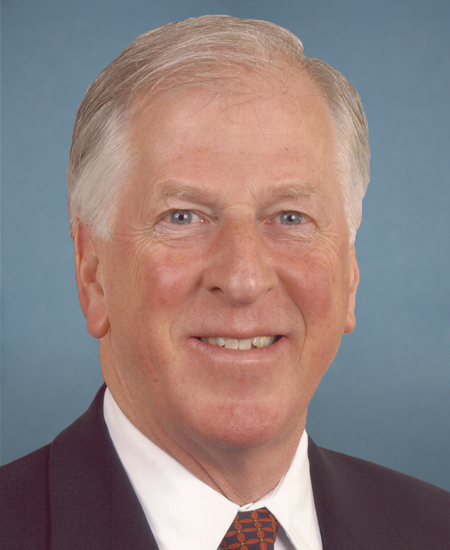
Mike Thompson
Mike Thompson House · District 4
D
Strong +
86% 261
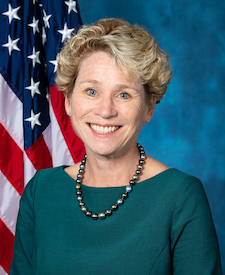
Chrissy Houlahan
Chrissy Houlahan House · District 6
D
Strong +
86% 259
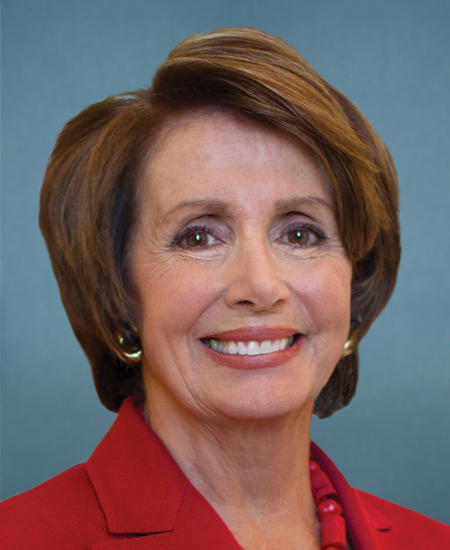
Nancy Pelosi
Nancy Pelosi House · District 11
D
Strong +
86% 246
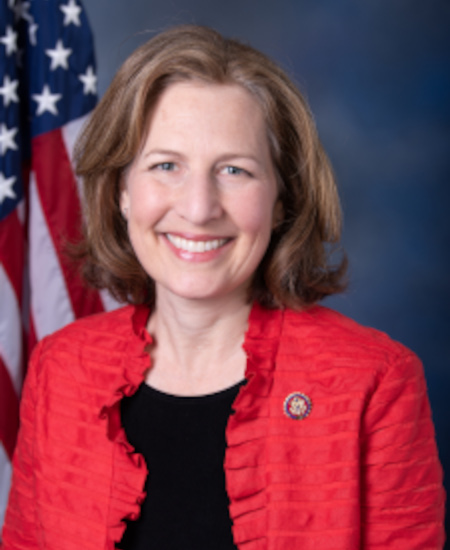
Kim Schrier
Kim Schrier House · District 8
D
Strong +
86% 261
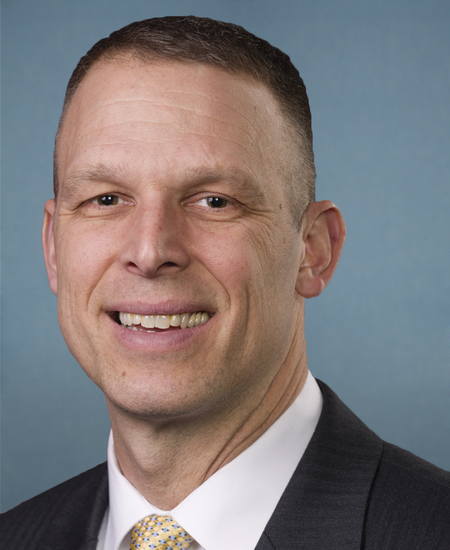
Scott Perry
Scott Perry House · District 10
R
Strong −
14% 252
AA
Alan Armstrong Senate
R
Strong −
14% 46
Rand Paul
Rand Paul Senate
R
Strong −
16% 223
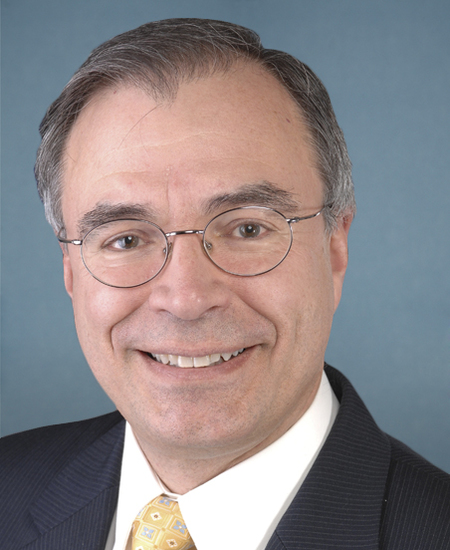
Andy Harris
Andy Harris House · District 1
R
Strong −
18% 257
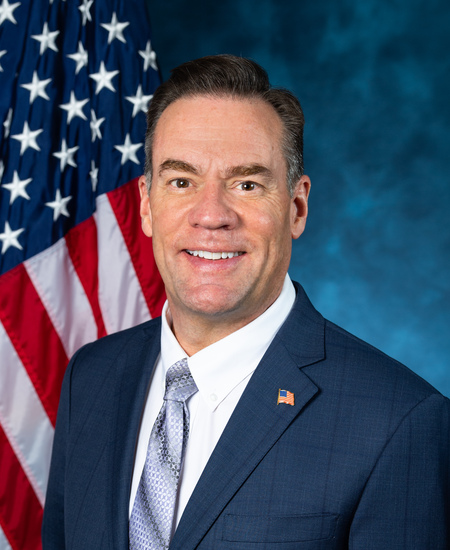
Russ Fulcher
Russ Fulcher House · District 1
R
Strong −
18% 262
Showing 161–170 of 210 bills

All technology bills

in committee · United States · House Jun 5, 2025

HR 3782: To prohibit the Federal Government from using facial recognition technology as a means of identity verification, and for other purposes.

This bill prohibits all federal agencies from using facial recognition technology to verify someone's identity, directly affecting government operations like border security or benefit applications. It defines facial recognition technology as systems that automatically identify individuals from digital images or video. The key provision bans this specific use across federal departments, though it doesn't restrict other government applications like law enforcement investigations. The law focuses solely on identity verification processes, leaving other uses of the technology unaffected.
in committee · United States · Senate Nov 6, 2025

S 3150: GAIN AI Act of 2025

This bill requires U.S. companies exporting advanced integrated circuits (high-performance chips used in AI/data centers) to "countries of concern" (including China, Hong Kong, and Macau) to first offer them to U.S. customers for 15 days. Companies must certify they have no backlog of U.S. orders for similar chips and aren’t providing better terms to foreign buyers. It also creates a "trusted U.S. person" program, allowing certain companies to export without licenses if they meet security, U.S. manufacturing sourcing, and ownership requirements. The law directly affects chip exporters, U.S. tech companies purchasing these chips, and foreign entities seeking access to advanced semiconductors.
in committee · United States · House Jan 13, 2026

HR 7045: PROTECT Act

HR 7045, the PROTECT Act, repeals Section 230 of the Communications Act of 1934, which currently shields online platforms from liability for user-generated content. This repeal directly affects websites, social media companies, and other internet services that host third-party content, removing their legal immunity for such content. The bill also updates numerous other federal laws by replacing references to "Section 230" with new definitions from Section 223(i) of the Communications Act. The key change eliminates a foundational legal protection for digital platforms, shifting liability for user content to the platforms themselves.
Sub-Topics Social Media
in committee · United States · House Feb 13, 2025

HR 1283: Protecting Our Children in an AI World Act of 2025

HR 1283, the "Protecting Our Children in an AI World Act of 2025," updates federal laws to address AI-generated child sexual abuse material. It eliminates a legal defense allowing defendants to claim AI-created content wasn't "real" child pornography (by amending 18 U.S.C. § 2252A(c)), and expands the definition of prohibited "sexually explicit conduct" to include simulated obscene exhibitions of certain body parts. This directly affects defendants in federal prosecutions involving AI-generated child pornography and ensures such material is treated as illegal under current laws. The bill makes clear that AI-generated content falls under existing prohibitions without requiring proof of real children.
in committee · United States · Senate Jan 7, 2025

S 21: REMOTE Act

The REMOTE Act requires federal agencies to collect and retain data on teleworking employees' digital activity, including login frequency, connection duration, and data usage, for at least three years. Agencies must report this data in budget documents, comparing telework patterns to in-office work while protecting personal information. Managers must also document reasons for revoking telework privileges, including employee details and circumstances, to improve oversight of telework programs. This bill directly affects all Executive departments and their teleworking staff, including contract workers.
Sub-Topics Data Privacy
in committee · United States · Senate Dec 17, 2025

S 3557: States' Right to Regulate AI Act

This bill prohibits the use of federal funds to implement, administer, or enforce the December 11, 2025, executive order on national AI policy. It directly affects federal agencies that would otherwise carry out the executive order's requirements using taxpayer money. The key mechanism is a funding restriction, preventing federal resources from supporting the national AI policy framework outlined in the executive order.
in committee · United States · House Feb 4, 2025

HJRES 33: Providing for congressional disapproval under chapter 8 of title 5, United States Code, of the rule submitted by the Federal Communications Commission relating to "Addressing the Homework Gap Through the E-Rate Program".

HJRES 33 is a congressional resolution seeking to block a Federal Communications Commission (FCC) rule that aimed to expand the E-Rate Program to address the "homework gap" by improving school internet access. The resolution invokes a federal process (under Chapter 8 of Title 5, U.S. Code) to disapprove the FCC's specific rule, which was published in the Federal Register on August 20, 2024. If passed, this resolution would prevent the FCC rule from taking effect, directly affecting the implementation of E-Rate Program upgrades for schools and libraries. The measure does not create new policy but halts an existing FCC rule through congressional disapproval.
in committee · United States · Senate Jan 27, 2026

S 3696: FISA Accountability and Extension Act of 2026

This bill enhances congressional oversight of Foreign Intelligence Surveillance Court proceedings while extending key surveillance authorities. It requires courts to allow full physical or audio/video access for lawmakers and staff (replacing prior restricted procedures) and establishes a formal process for Congress to appoint up to 8 "amicus curiae" observers. The bill also extends the FISA Amendments Act of 2008's surveillance authorities from 2-year to 8-year renewal periods. These changes directly affect congressional oversight capabilities and the operational timeline for intelligence agencies conducting foreign surveillance under FISA.
in committee · United States · House Apr 7, 2025

HR 2700: UNPLUGGED Act of 2025

The UNPLUGGED Act of 2025 requires states to establish policies prohibiting students from possessing personal mobile phones or other electronic devices (like tablets) during school hours in K-12 public schools. Schools must provide secure storage options like lockers or signal-blocking containers, with limited exceptions for medical needs, disabilities (per IEPs or 504 plans), or English learners requiring devices for instruction. The bill mandates this policy take effect by the first school year after enactment and allows states to implement stricter rules. It does not restrict school-issued devices used for instruction under teacher supervision. The law aims to address documented concerns about phone use disrupting classroom focus, academic performance, and student mental health, based on cited research.
in committee · United States · Senate Jun 30, 2025

S 278: Kids Off Social Media Act

S 278, the Kids Off Social Media Act, prohibits social media platforms from allowing children under 13 to create or maintain accounts and requires platforms to delete accounts of children under 13. It also bans the use of personalized recommendation systems for children under 13 and teens aged 13-16, with limited exceptions for basic device information. The bill requires schools receiving certain broadband subsidies to certify they prevent student access to social media on school devices through technology protection measures. Platforms would face enforcement by the Federal Trade Commission for violations, and the bill excludes certain educational platforms from the definition of "social media platform" to allow for educational use. The bill would take effect one year after enactment.
Showing 161 to 170 of 210 bills
Previous 1 16 17 18 21 Next