Issue · Labor & Employment

Labor & Employment

Every labor & employment bill, vote, and legislator stance in United States, automatically classified by Maddy, our AI policy reader.

Total bills
1,420
119th Congress
Top supporter
Brian K. Fitzpatrick
93% support rate
Top opponent
Bernard Sanders
27% support rate
Ranked legislators
10
5 support · 5 oppose
Key legislators

Who's moving labor & employment in United States

Legislators moving labor & employment in United States
Legislator Party Stance Support rate Decisive votes
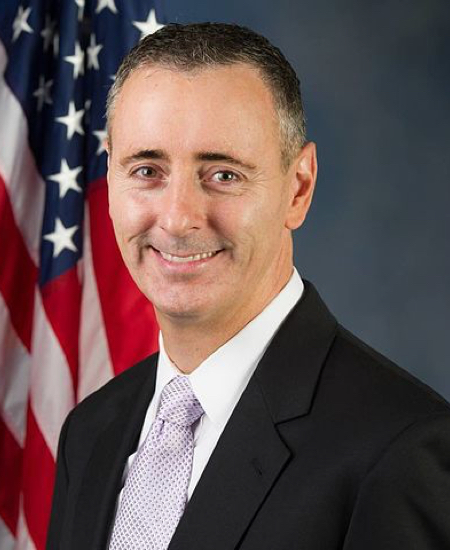
Brian K. Fitzpatrick
Brian K. Fitzpatrick House · District 1
R
Strong +
93% 14
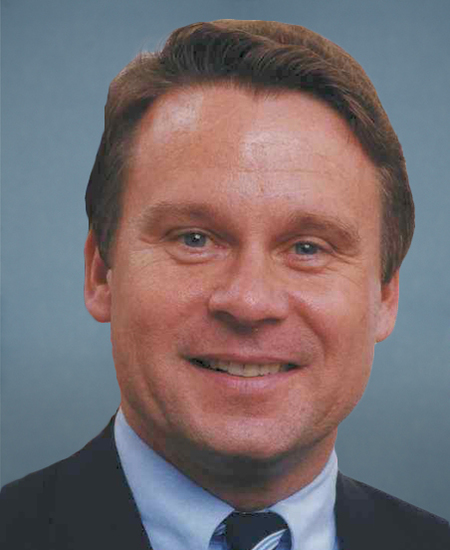
Christopher H. Smith
Christopher H. Smith House · District 4
R
Strong +
93% 14
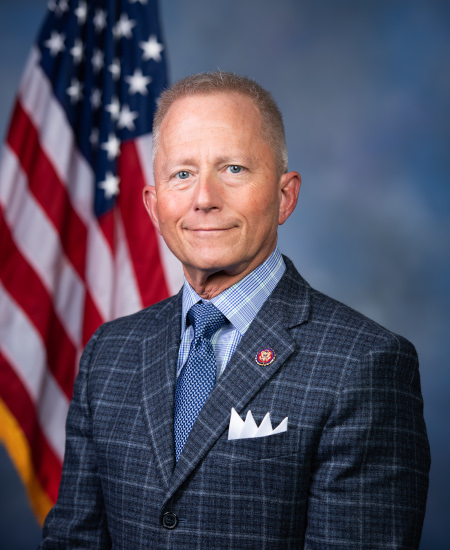
Jefferson Van Drew
Jefferson Van Drew House · District 2
R
Strong +
93% 14
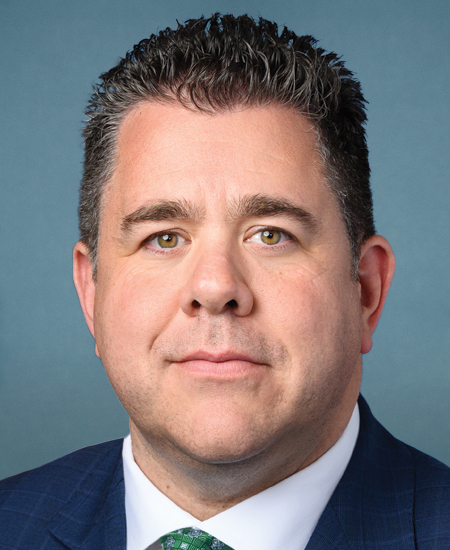
Nick LaLota
Nick LaLota House · District 1
R
Strong +
93% 14
Robert P. Bresnahan, Jr.
Robert P. Bresnahan, Jr. House · District 8
R
Strong +
93% 14
Bernard Sanders
Bernard Sanders Senate
I
Oppose
27% 11
Edward J. Markey
Edward J. Markey Senate
D
Oppose
27% 11
Elizabeth Warren
Elizabeth Warren Senate
D
Oppose
27% 11
Lisa Blunt Rochester
Lisa Blunt Rochester Senate
D
Oppose
27% 11
Chip Roy
Chip Roy House · District 21
R
Oppose
29% 14
Showing 971–980 of 1,420 bills

All labor & employment bills

in committee · United States · Senate Jul 24, 2025

S 2459: ABLE Employment Flexibility Act

This bill allows working people with disabilities who use ABLE accounts (tax-advantaged savings accounts for disability-related expenses) to redirect employer retirement contributions into their ABLE accounts instead of their employer's retirement plan. It amends retirement and ABLE tax rules to prevent these individuals from losing retirement benefits when making this choice, by treating employer contributions to ABLE accounts as if they were made to the retirement plan. The key mechanism requires retirement plans to offer this option universally to eligible employees and clarifies that such contributions won't violate retirement plan nondiscrimination rules. This change applies to retirement plan years starting after the bill's enactment, with immediate implementation for employer contribution rules.
Sub-Topics Retirement Benefits Tags People with Disabilities
in committee · United States · House Dec 24, 2025

HR 6923: Jobs for a Carbon Free Transportation System Act

This bill creates a federal grant program to fund "low carbon corridors" connecting different transportation systems (like public transit, bike lanes, and electric vehicle infrastructure) to reduce emissions and improve connectivity. It establishes value capture financing mechanisms through tax increment districts to fund transportation infrastructure and expands tax-exempt bonds for transit-oriented development. The bill also creates a grant program to help workers transition from fossil fuel industries to sustainable jobs and establishes a National Employment Corps to guarantee employment for those displaced by the energy transition. Local governments, transit agencies, and communities near transportation hubs would directly benefit from these provisions, while requiring projects to follow prevailing wage laws.
in committee · United States · Senate Jul 23, 2025

S 2418: HEALING Mothers and Fathers Act

This bill expands paid leave under the Family and Medical Leave Act (FMLA) to cover "spontaneous loss of an unborn child" (defined as unplanned, non-purposeful loss in the womb), allowing eligible employees to take leave for their own or their spouse's loss. It also creates a new refundable tax credit for individuals who experienced a stillbirth (defined as spontaneous fetal death before delivery), requiring a state-issued stillbirth certificate for eligibility. The bill adds specific certification requirements for leave requests and clarifies how the tax credit integrates with existing tax filing rules. It directly affects private-sector employees covered by FMLA and taxpayers who suffered a stillbirth.
in committee · United States · House Nov 19, 2025

HR 6122: BARN Act

HR 6122, the BARN Act, reforms the H-2A agricultural visa program. It shifts oversight from the Labor Department to the Agriculture Department, requires employers to provide housing or pay HUD-based housing allowances (based on 2-bedroom fair market rents), and shortens application processing to 30 days. The bill also limits visa stays to 2 years (with one 1-year extension), mandates workers leave after 2 years, and penalizes employers for hiring workers with expired visas. These changes directly affect agricultural employers and temporary farm workers seeking H-2A status.
in committee · United States · House Sep 30, 2025

HR 5657: Fair Pay for Federal Contractors Act of 2025

Fair Pay for Federal Contractors Act of 2025 This bill provides back pay to employees of federal contractors who lost pay due to a lapse in appropriations (i.e., government shutdown) in FY2026. Specifically, the bill provides appropriations for federal agencies that are subject to a lapse in appropriations in FY2026 to adjust the price of contracts to compensate federal contractors for providing back pay to employees who were affected by the lapse in appropriations.  The agencies must adjust the price of any contract for which the contractor stopped, suspended, delayed, or interrupted all or part of the work under the contract due to the lapse in appropriations. The price adjustment must compensate the contractor for reasonable costs incurred to (1) compensate employees who were furloughed or laid off, were not working, or experienced a reduction of hours or compensation due to the lapse in appropriations; or (2) restore paid leave taken by employees during the lapse in appropriations if the contractor required or permitted employees to use paid leave as a result of the lapse in appropriations. The maximum amount of weekly compensation of an employee for which an adjustment may be made under this bill may not exceed the lesser of (1) the employee's actual weekly compensation, or (2) $1,442 (or a lesser amount pro-rated for an employee who works less than 40 hours per week). The bill also requires the Office of Federal Procurement Policy to submit a report to Congress on the adjustments made under this bill.
in committee · United States · House Mar 26, 2025

HR 2380: Building Youth Workforce Skills Act

This bill amends the Workforce Innovation and Opportunity Act to expand access to job training funds for young people. It allows local workforce programs to use existing individual training accounts - previously used for adult workers - to pay for career training for youth aged 16-21 who are still in school or not in school. The training must be provided by approved providers for skills aligned with local job market needs. This change directly affects young people seeking work experience or education beyond high school, making it easier to access subsidized training through existing systems.
in committee · United States · Senate Jul 28, 2025

S 2473: Federal Firefighters Families First Act

This bill, S 2473 (Federal Firefighters Families First Act), adjusts pay and retirement calculations for federal firefighters to align with municipal firefighter standards. It directly affects federal firefighters by requiring pay computations to include overtime hours worked as part of regular duty when calculating retirement benefits, and establishes a maximum 60-hour regular workweek. Key mechanisms include amending federal pay codes (5 U.S.C. § 5545b) to add overtime to retirement calculations and setting a 60-hour weekly cap for scheduled hours. These changes apply to retirement benefits for firefighters separating after 60 days post-enactment.
Sub-Topics Labor Standards
in committee · United States · House Feb 12, 2026

HR 7531: Healthy Families Act

This bill requires most employers to provide workers with earned paid sick leave. Employees would earn 1 hour of paid sick time for every 30 hours worked, up to 56 hours per year, which can be used for their own illness, medical care, caring for family members (including children, parents, spouses, domestic partners, or other family-like relationships), or addressing domestic violence, sexual assault, or stalking situations. The bill prohibits employers from retaliating against workers who use this leave and requires employers to inform employees about their rights. It ensures that workers who leave and return to the same employer within a year can reinstate their unused sick leave. This law would not override more generous state or local paid leave policies.
in committee · United States · House Nov 25, 2025

HR 6311: PCS Leave for Military Spouse Federal Workers Act

This bill creates a new paid leave policy for federal employees who are spouses of military members or Foreign Service officers facing a permanent relocation (PCS). It entitles eligible employees to 40 hours of paid leave (adjusted for part-time schedules) to assist with moving to a new location where their spouse will be stationed. The leave must be used within one month of the move for relocation activities during regular work hours, cannot be converted to cash, and is in addition to other leave types. It directly affects federal workers married to military or Foreign Service personnel who must relocate due to their spouse's permanent duty assignment.
in committee · United States · House Jan 15, 2025

HR 409: Supporting Transit Commutes Act

HR 409, the Supporting Transit Commutes Act, amends the federal tax code to improve tax treatment for employers providing transit benefits. It allows employers to deduct the full amount of qualified transit benefits (like bus or train passes) up to the existing limit, instead of a reduced amount, for benefits provided through salary reduction agreements. This directly affects employers who offer transit passes or similar commuting benefits to employees. The change takes effect for taxable years beginning after the bill's enactment date. The policy change simplifies tax deductions for these benefits without altering the benefit limits themselves.
Showing 971 to 980 of 1,420 bills
Previous 1 97 98 99 142 Next