Issue · Labor & Employment

Labor & Employment

Every labor & employment bill, vote, and legislator stance in United States, automatically classified by Maddy, our AI policy reader.

Total bills
1,420
119th Congress
Top supporter
Brian K. Fitzpatrick
93% support rate
Top opponent
Bernard Sanders
27% support rate
Ranked legislators
10
5 support · 5 oppose
Key legislators

Who's moving labor & employment in United States

Legislators moving labor & employment in United States
Legislator Party Stance Support rate Decisive votes
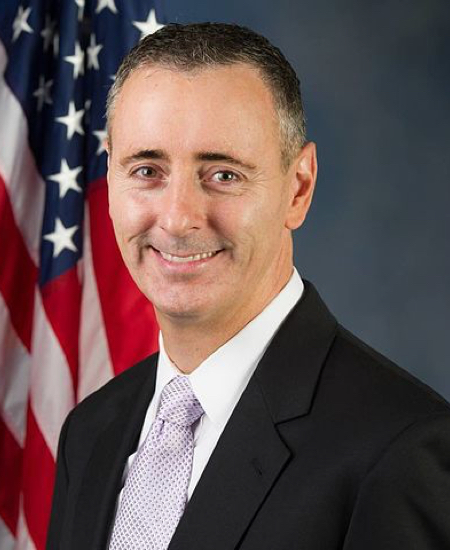
Brian K. Fitzpatrick
Brian K. Fitzpatrick House · District 1
R
Strong +
93% 14
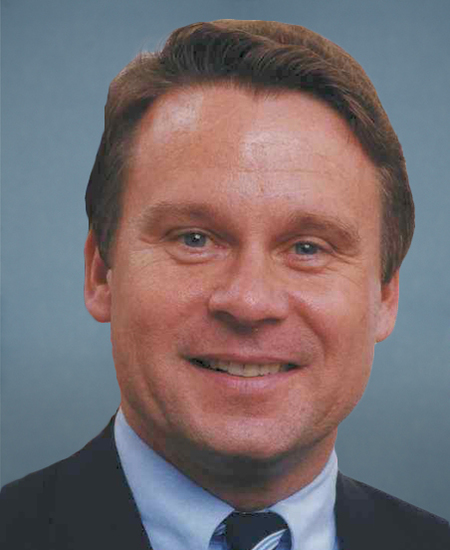
Christopher H. Smith
Christopher H. Smith House · District 4
R
Strong +
93% 14
Jefferson Van Drew
Jefferson Van Drew House · District 2
R
Strong +
93% 14
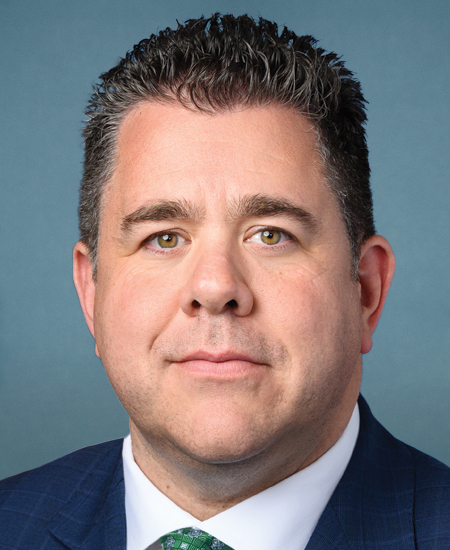
Nick LaLota
Nick LaLota House · District 1
R
Strong +
93% 14
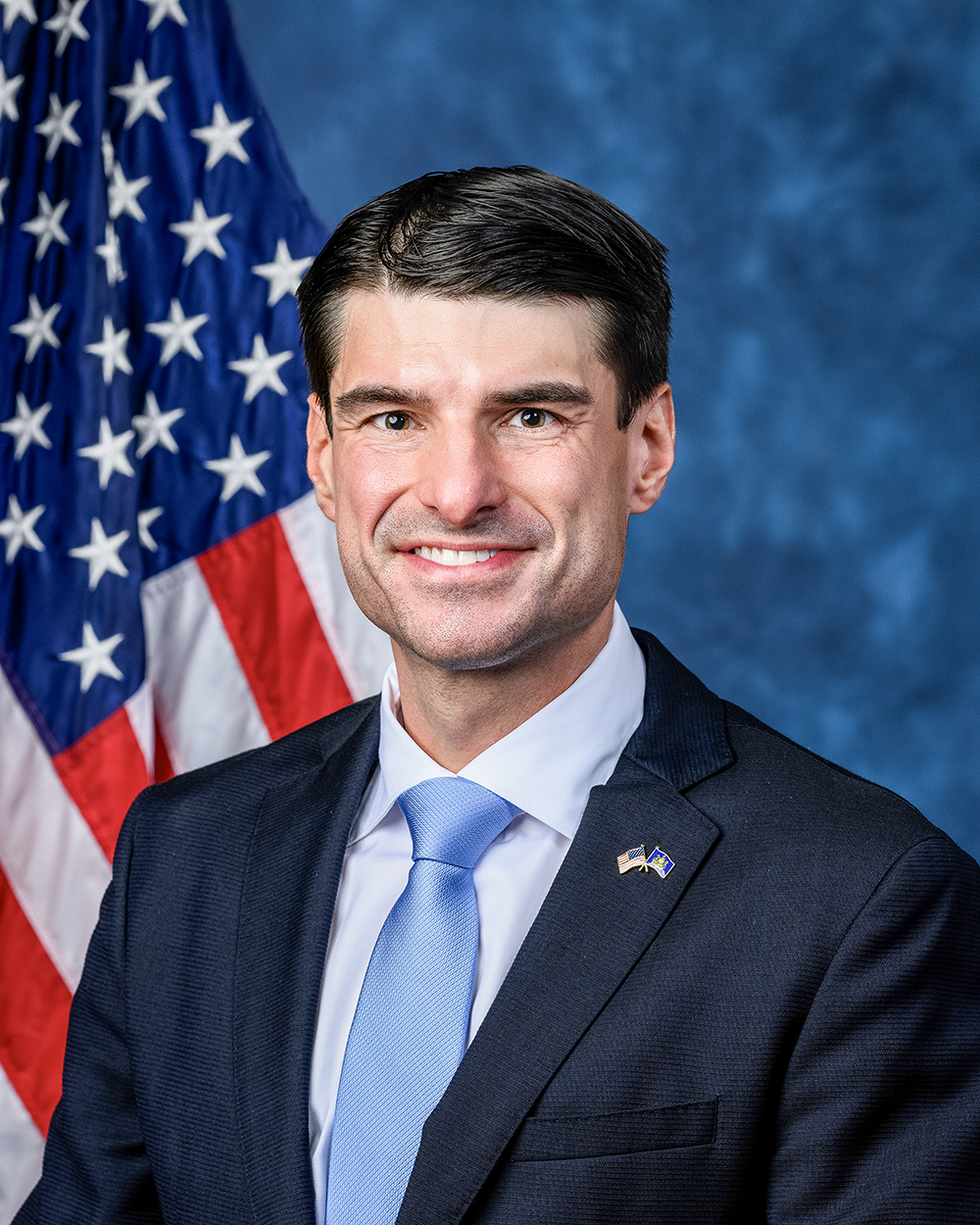
Robert P. Bresnahan, Jr.
Robert P. Bresnahan, Jr. House · District 8
R
Strong +
93% 14
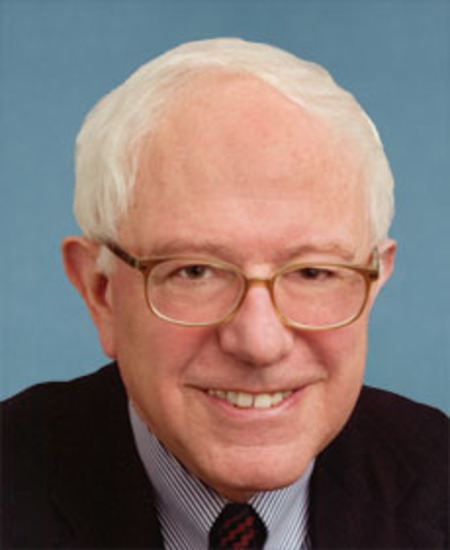
Bernard Sanders
Bernard Sanders Senate
I
Oppose
27% 11
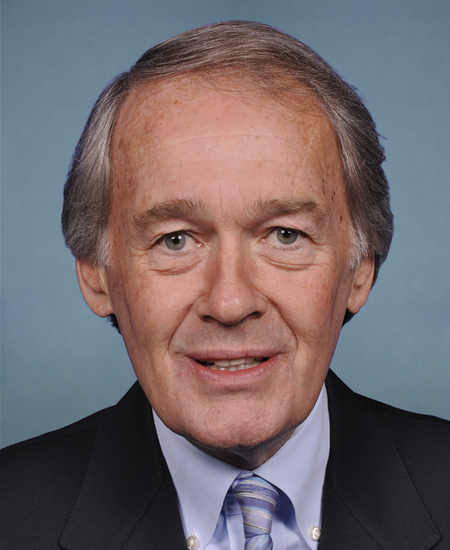
Edward J. Markey
Edward J. Markey Senate
D
Oppose
27% 11
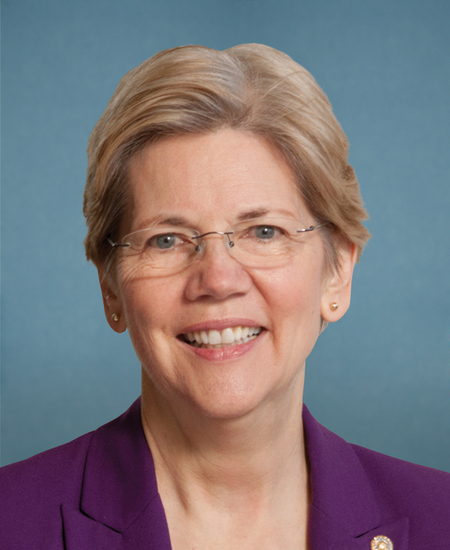
Elizabeth Warren
Elizabeth Warren Senate
D
Oppose
27% 11
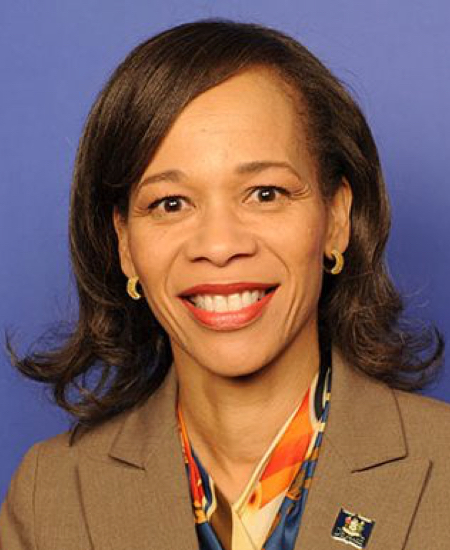
Lisa Blunt Rochester
Lisa Blunt Rochester Senate
D
Oppose
27% 11
Chip Roy
Chip Roy House · District 21
R
Oppose
29% 14
Showing 871–880 of 1,420 bills

All labor & employment bills

in committee · United States · Senate Jul 17, 2025

S 2335: Pensions for All Act

The Pensions for All Act requires most employers and self-employed individuals to either participate in the Federal Employees Retirement System (FERS) or provide a retirement plan with benefits comparable to FERS. It amends FERS to include non-Federal employees and self-employed individuals, creating new definitions for "covered non-Federal employee" and "covered self-employed individual" to expand retirement coverage. The bill establishes a $10 per day tax for employers who fail to provide a retirement plan, with a $500,000 annual cap for unintentional failures, and prohibits employers from reducing compensation due to this requirement. It also creates a tax credit for small employers and self-employed individuals making qualifying pension contributions. This legislation would significantly expand retirement coverage to many workers outside of federal employment who previously lacked access to a retirement plan with benefits comparable to FERS.
Sub-Topics Retirement Benefits
in committee · United States · Senate May 6, 2025

S 1614: AVIATE Act of 2025

The AVIATE Act of 2025 expands veterans' vocational rehabilitation benefits by allowing the Secretary of Veterans Affairs to approve non-degree flight training courses for veterans with service-connected disabilities. It amends Title 38, U.S. Code, to specifically permit flight training not leading to a college degree (e.g., pilot certification programs) as part of rehabilitation plans, overriding prior restrictions. This directly affects veterans seeking aviation careers through VA vocational programs, removing barriers to pursuing flight training as a standalone vocational path. The policy change applies to rehabilitation programs approved on or after August 1, 2025.
in committee · United States · Senate Jul 29, 2025

S 2508: Gas Pipeline Leak Detection and Repair Act of 2025

This bill requires gas pipeline operators to immediately implement a federal safety rule mandating regular leak detection and prompt repair of gas leaks. The rule, finalized by the Pipeline and Hazardous Materials Safety Administration in January 2025, sets specific standards for identifying and fixing leaks in gas pipelines. By making this rule effective upon enactment, the bill removes any delays in its implementation. Pipeline companies operating under federal jurisdiction will be directly affected by these requirements.
in committee · United States · House Feb 13, 2026

HR 7576: AI Workforce Training Act

HR 7576, the AI Workforce Training Act, creates a 30% tax credit for businesses covering qualified AI training costs for their employees. It directly affects businesses that pay for employees to attend accredited AI training programs (such as courses on machine learning or AI ethics), cover wages during training, or develop in-house AI training. The credit is capped at $2,500 per employee per year, adjusted for inflation after 2026. The bill also requires federal agencies to launch a public outreach campaign promoting the credit and submit annual reports to Congress on its implementation.
in committee · United States · Senate Jan 13, 2025

S 79: ACCESS Act

This bill, S 79 (ACCESS Act), restricts federal agencies from requiring minimum education levels for contractor employees without justification. It prohibits solicitation requirements for education (like degrees or coursework) unless a contracting officer provides a written justification explaining why the requirement is necessary and how it meets agency needs. The law applies to all federal contracts issued 15 months after enactment and requires agencies to consider alternatives to education requirements. It repeals a 2001 provision that allowed such requirements and mandates OMB guidance within 180 days to implement the new rules. The bill directly affects federal contractors and agencies managing government procurement contracts.
in committee · United States · House Feb 11, 2026

HR 7516: No Funds for Forced Labor Act

HR 7516, the "No Funds for Forced Labor Act," requires the U.S. Treasury to direct American representatives at international financial institutions (like the World Bank) to oppose loans for projects that use or risk using forced labor, particularly those involving state-run entities in Xinjiang. It mandates these institutions to vet projects for forced labor risks, explain their vetting process, and detail mitigation steps before funding. The bill directly affects international financial institutions and the projects they fund, especially those linked to Xinjiang. It does not ban all loans but targets projects with documented forced labor concerns, requiring annual reports to Congress on implementation. The law focuses on policy changes to prevent U.S.-aligned financial support for forced labor practices.
in committee · United States · House Aug 5, 2025

HR 4905: Energy Workers Health Improvement and Compensation Fund Act

HR 4905 creates a federal trust fund to reimburse oil and gas workers and their families for medical expenses related to specific health conditions linked to industry exposure. Oil companies with over $50 million in annual revenue must pay into the fund based on the compensation of their top 10 executives each year, with penalties for underpayment. The fund covers costs for asthma, heat illness, and other respiratory/cardiovascular diseases tied to methane emissions, smog, particulate matter, and volatile organic compounds. Eligible workers (or family members living within 20 miles of extraction sites for at least a year) receive reimbursements in the order claims are submitted. The bill also establishes a commission of health and labor experts to study worker health outcomes and submit recommendations to Congress within 18 months.
in committee · United States · House Apr 29, 2025

HR 3076: Strengthening Local Processing Act of 2025

The Strengthening Local Processing Act of 2025 provides targeted support to small and very small poultry and meat processing businesses (defined by a 1996 rule). It creates a free, searchable database of safety validation studies and scale-appropriate model food safety plans for these businesses, and increases federal funding for state inspection programs from 50% to 65%. The bill establishes a grant program offering up to $500,000 per grant to help small processors improve safety, expand capacity, and build resilience. Additionally, it funds training programs to develop workforce skills in meat and poultry processing through partnerships with educational institutions.
Tags Agriculture
in committee · United States · House May 8, 2025

HR 3296: MIL FMLA Act

The MIL FMLA Act expands the Family and Medical Leave Act to provide military families with additional leave options. It allows eligible employees to take up to 26 workweeks of leave during a 12-month period to care for a covered servicemember (active duty member or veteran), regardless of the employee's family relationship to the servicemember. The bill adds new definitions to include domestic partners, grandparents, siblings, and other extended family members as eligible caregivers, and creates a new "veteran leave" provision for employees who are covered servicemembers needing leave due to service-related serious injury or illness. These changes aim to better support military families by providing more comprehensive leave options for caregiving needs related to military service.
in committee · United States · House Apr 24, 2025

HR 2994: Child and Dependent Care Tax Credit Enhancement Act of 2025

HR 2994, the Child and Dependent Care Tax Credit Enhancement Act of 2025, increases financial support for families covering childcare costs. It raises the credit rate to 50% (reduced for higher incomes), boosts the maximum creditable amount from $3,000 to $8,000 per child under 13 (or $6,000 to $16,000 for other dependents), and adjusts these limits annually for inflation starting in 2026. The bill also ensures married couples filing separately calculate their credit as if filing jointly, preventing reduced benefits. It directly affects low- and middle-income taxpayers with childcare expenses who itemize deductions. The changes take effect for tax years beginning after December 31, 2024.
Sub-Topics Tax Credits
Showing 871 to 880 of 1,420 bills
Previous 1 … 87 88 89 … 142 Next