Issue · Labor & Employment

Labor & Employment (Collective Bargaining)

Every labor & employment bill, vote, and legislator stance in United States, automatically classified by Maddy, our AI policy reader.

Total bills
88
119th Congress
Top supporter
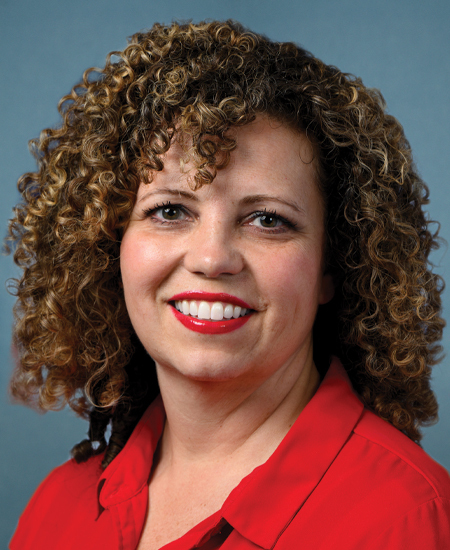
Adam Gray
100% support rate
Top opponent
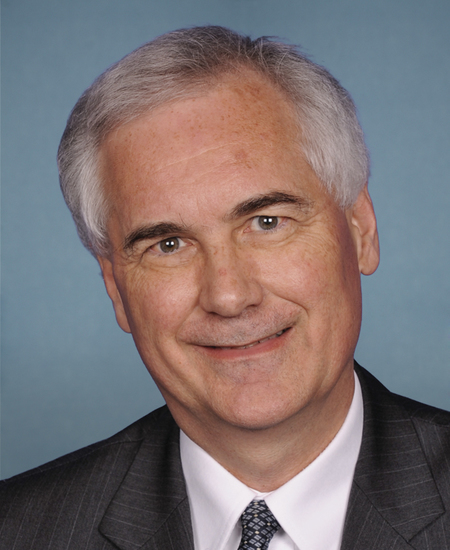
Chip Roy
0% support rate
Ranked legislators
10
5 support · 5 oppose
Key legislators

Who's moving collective bargaining in United States

Legislators moving collective bargaining in United States
Legislator Party Stance Support rate Votes
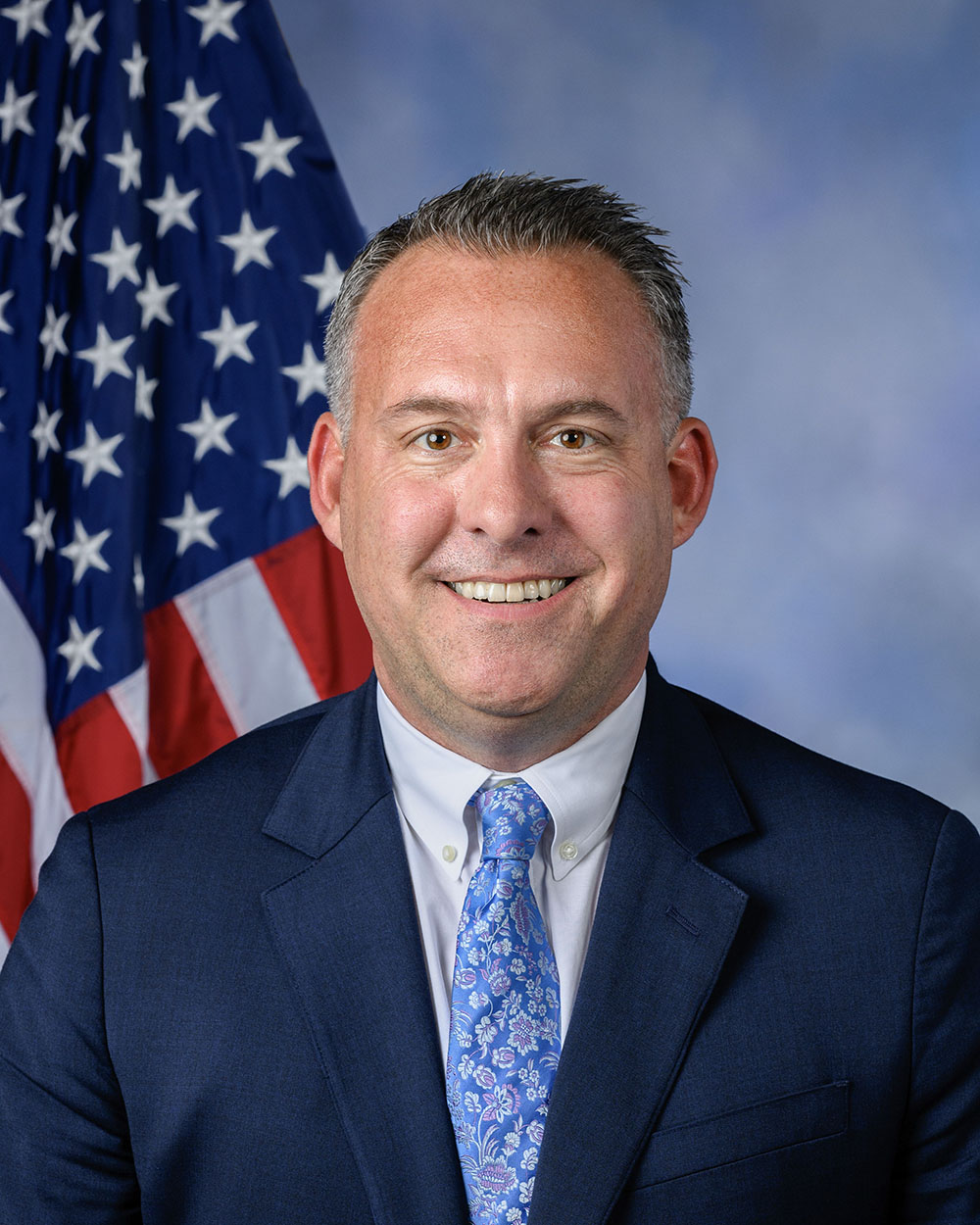
Adam Gray
Adam Gray House · District 13
D
Strong +
100% 7
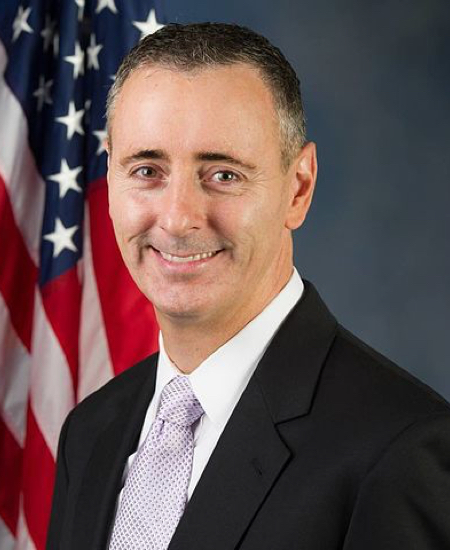
Brian K. Fitzpatrick
Brian K. Fitzpatrick House · District 1
R
Strong +
100% 7
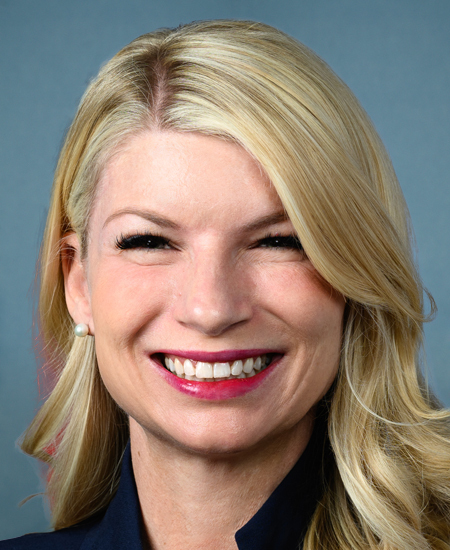
Brittany Pettersen
Brittany Pettersen House · District 7
D
Strong +
100% 7
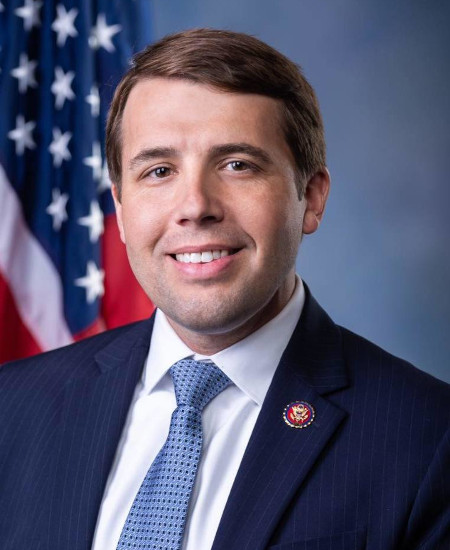
Chris Pappas
Chris Pappas House · District 1
D
Strong +
100% 7
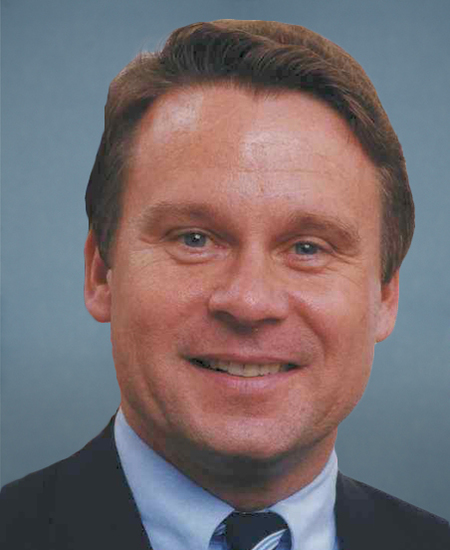
Christopher H. Smith
Christopher H. Smith House · District 4
R
Strong +
100% 7
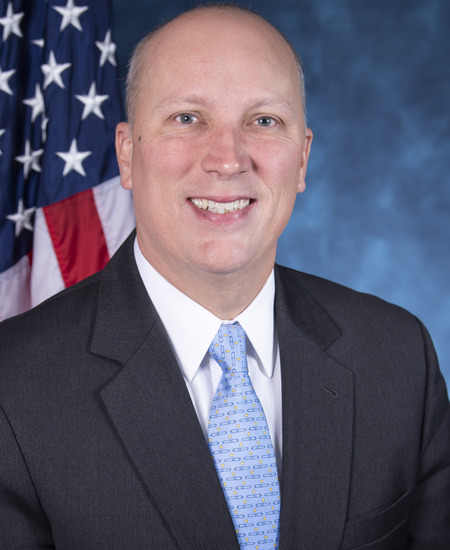
Chip Roy
Chip Roy House · District 21
R
Strong −
0% 7
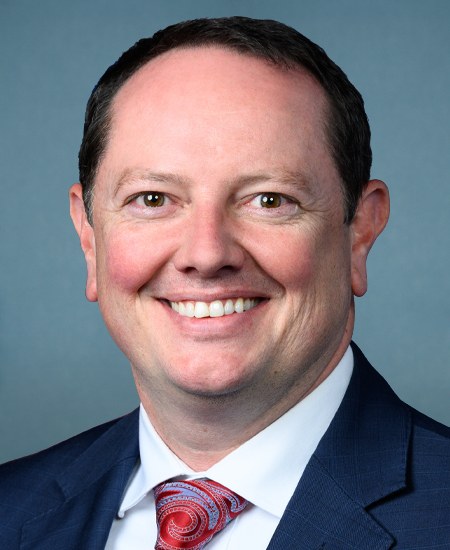
Eric Burlison
Eric Burlison House · District 7
R
Strong −
0% 7
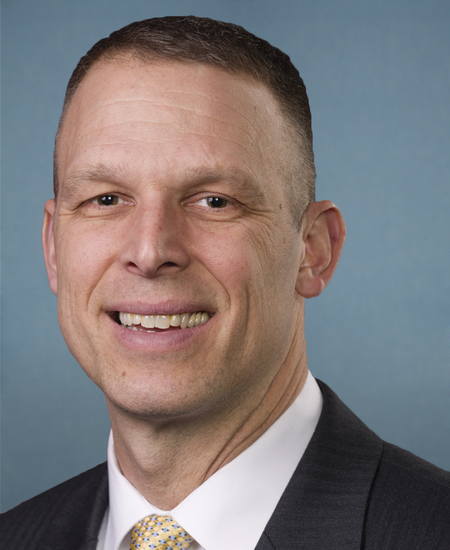
Scott Perry
Scott Perry House · District 10
R
Strong −
0% 7
Tom McClintock
Tom McClintock House · District 5
R
Strong −
0% 7
Celeste Maloy
Celeste Maloy House · District 2
R
Strong −
0% 6
Showing 71–80 of 88 bills

All labor & employment bills

in committee · United States · Senate Mar 5, 2025

S 852: Richard L. Trumka Protecting the Right to Organize Act of 2025

This bill, the Richard L. Trumka Protecting the Right to Organize Act of 2025, aims to strengthen workers' rights to organize and bargain collectively. It would make it harder for employers to classify workers as independent contractors by changing the definition of "employee," restricts employers from threatening to permanently replace workers who strike, and prohibits them from requiring employees to give up their right to pursue class or collective claims. The bill also changes election procedures to make it easier for workers to form unions, requires employers to post notices about workers' rights in conspicuous locations, and increases penalties for unfair labor practices. It directly affects employers and workers across various industries by altering the landscape of labor organizing and collective bargaining.
in committee · United States · House Mar 21, 2025

HR 2241: Secret Ballot Protection Act

The Secret Ballot Protection Act requires that workers choose their labor union representative through a secret ballot election conducted by the National Labor Relations Board (NLRB), replacing private agreements between employers and unions. It amends the National Labor Relations Act to mandate secret ballot elections for both initial union recognition and decertification (removing a union as representative), ensuring workers' choices remain free from employer influence. The law applies only to new or changed representation relationships after its enactment, leaving existing union contracts unaffected. The NLRB must update its regulations within six months to implement these changes.
in committee · United States · House Apr 7, 2025

HR 2692: No Tax Breaks for Union Busting (NTBUB) Act

The No Tax Breaks for Union Busting Act would deny tax deductions for employers who spend money to influence employees' decisions about union activities, such as union elections or collective bargaining. It defines "labor organization activities" broadly to include union elections, labor disputes, and collective actions. The bill requires employers to report such spending on tax returns and prevents them from deducting these expenses from taxable income. This would apply to employers using tactics like captive audience meetings, outside consultants, or other efforts to sway workers' union decisions. The policy aims to remove tax incentives for employers to interfere with workers' rights under labor law.
in committee · United States · Senate May 6, 2025

S 1606: Overtime Wages Tax Relief Act

The Overtime Wages Tax Relief Act would create a new tax deduction for eligible workers, allowing them to subtract up to $10,000 of their overtime pay (or $20,000 for joint tax returns) from their taxable income. This deduction phases out for higher earners, reducing by $50 for every $1,000 their income exceeds $100,000 (or $200,000 for joint returns). To qualify, overtime pay must be at 1.5 times the regular rate for hours worked beyond 40 in a week, as defined by the Fair Labor Standards Act or a collective bargaining agreement. The bill also requires employers to report overtime pay on tax forms and adjusts withholding procedures, effective for tax years beginning after December 31, 2025.
in committee · United States · Senate Apr 4, 2025

S 1310: No Tax Breaks for Union Busting (NTBUB) Act

S 1310, the No Tax Breaks for Union Busting (NTBUB) Act, denies tax deductions for employer spending aimed at influencing workers' decisions about union organizing or collective bargaining. It amends the tax code to block deductions for expenses like anti-union consultant fees, captive audience meetings, and other tactics that interfere with labor rights under the National Labor Relations Act. Employers must report such spending on tax returns with specific details, including dates, amounts, and whether activities relate to unfair labor practice charges. This directly affects businesses that engage in anti-union organizing tactics, removing a tax incentive for these activities while preserving deductions for standard union negotiations.
in committee · United States · House Apr 7, 2025

HR 2671: Tax Fairness for Workers Act

The Tax Fairness for Workers Act (HR 2671) would allow certain employees to deduct work-related expenses directly from their gross income. Specifically, it creates an above-the-line deduction for union dues (amending IRC Section 62(a)(1)) and reinstates a deduction for other out-of-pocket work costs like uniforms or tools (amending IRC Section 67(g)), effective for 2025 tax years. This directly affects union members and workers with significant job-related expenses who previously could not deduct these costs. The bill removes the prior limitation that barred these deductions, making them available without needing to itemize. The policy change simplifies tax filing for affected workers by treating these expenses as deductible business costs.
in committee · United States · House Aug 26, 2025

HR 5048: Don’t STEAL Act

HR 5048, the "Don’t STEAL Act," amends the Fair Labor Standards Act to ensure workers receive the highest wage promised in their contracts or collective bargaining agreements, whichever exceeds federal or state minimum wage requirements. It directly affects employees engaged in commerce or working for businesses involved in commerce, requiring employers to pay at least the higher of their agreed-upon wage or the legal minimum. The bill establishes criminal penalties for willful wage theft exceeding $1,000 (up to 5 years in prison) and civil penalties for all unpaid wages, with fines funding the Department of Labor’s Wage and Hour Division enforcement efforts. These changes apply to violations occurring 90 days after enactment.
in committee · United States · Senate Sep 4, 2025

S 2729: Nationwide Right To Unionize Act

The Nationwide Right To Unionize Act (S 2729) would repeal a federal law provision allowing states to enact "right-to-work" laws, which typically prevent unions from requiring workers to pay dues as a condition of employment. By removing this state-level exception, the bill would make it illegal for any state to have right-to-work laws, meaning workers in unionized workplaces across all 50 states could be required to pay union dues if their union and employer agree. This directly affects workers, unions, and employers in every state, particularly in the 27 states currently with right-to-work laws. The bill does not change existing union security agreements but eliminates state-level alternatives that restrict union dues collection.
in committee · United States · House Jan 16, 2026

HR 1723: Tribal Labor Sovereignty Act of 2025

The Tribal Labor Sovereignty Act of 2025 amends the National Labor Relations Act to explicitly include tribal governments and their enterprises as covered employers under federal labor law. It adds new definitions clarifying that "Indian tribe," "Indian," and "Indian lands" encompass federally recognized tribes, their members, and lands held in trust or within reservation boundaries. This change directly affects tribal nations, their member-owned businesses, and tribal employees by bringing them under the same labor protections (like collective bargaining rights) previously applicable to most private-sector employers. The bill does not create new programs but adjusts the legal definition to ensure tribal entities operating on tribal lands are subject to the NLRA’s standard labor regulations.
Sub-Topics Collective Bargaining Labor Standards Tags Tribal Nations
in committee · United States · Senate Apr 7, 2025

SRES 158: A resolution expressing the sense of the Senate that paraprofessionals and education support staff should have fair compensation, benefits, and working conditions.

SRES 158 is a non-binding Senate resolution expressing the chamber's view that paraprofessionals (like paraeducators) and education support staff (including clerical, custodial, and food service workers in schools) deserve fair treatment. It outlines specific expectations for their workplaces, such as livable wages, affordable healthcare, job security, paid leave, and meaningful input in school policies - directly affecting over 3 million frontline workers supporting 49 million students. The resolution does not create new laws but urges federal and state action to address current gaps, including ending seasonal layoffs and ensuring access to benefits. It emphasizes these staff’s critical role in school environments while clarifying that it does not override existing collective bargaining agreements.
Showing 71 to 80 of 88 bills
Previous 1 7 8 9 Next