Issue · Labor & Employment

Labor & Employment

Every labor & employment bill, vote, and legislator stance in United States, automatically classified by Maddy, our AI policy reader.

Total bills
144
119th Congress
Top supporter
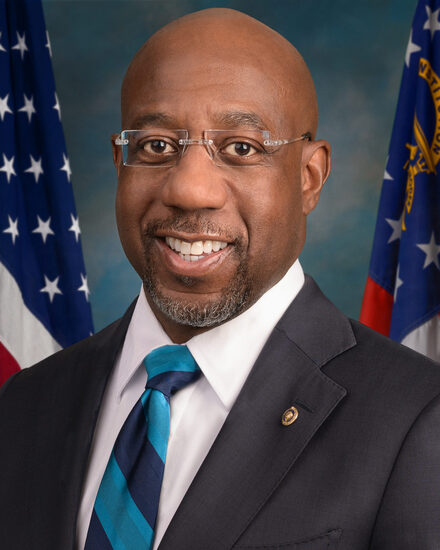
Raphael G. Warnock
100% support rate
Top opponent
Eric Burlison
31% support rate
Ranked legislators
10
5 support · 5 oppose
Key legislators

Who's moving labor & employment in United States

Legislators moving labor & employment in United States
Legislator Party Stance Support rate Votes
Raphael G. Warnock
Raphael G. Warnock Senate
D
Strong +
100% 211
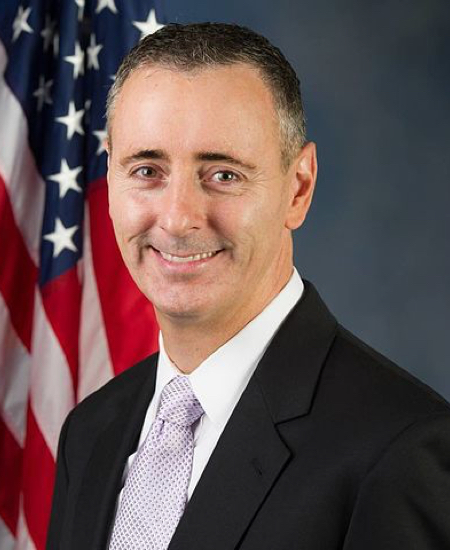
Brian K. Fitzpatrick
Brian K. Fitzpatrick House · District 1
R
Strong +
92% 194
Robert P. Bresnahan, Jr.
Robert P. Bresnahan, Jr. House · District 8
R
Strong +
92% 197
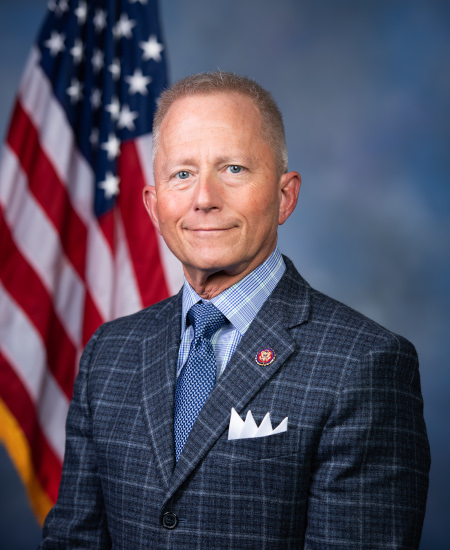
Jefferson Van Drew
Jefferson Van Drew House · District 2
R
Strong +
92% 197
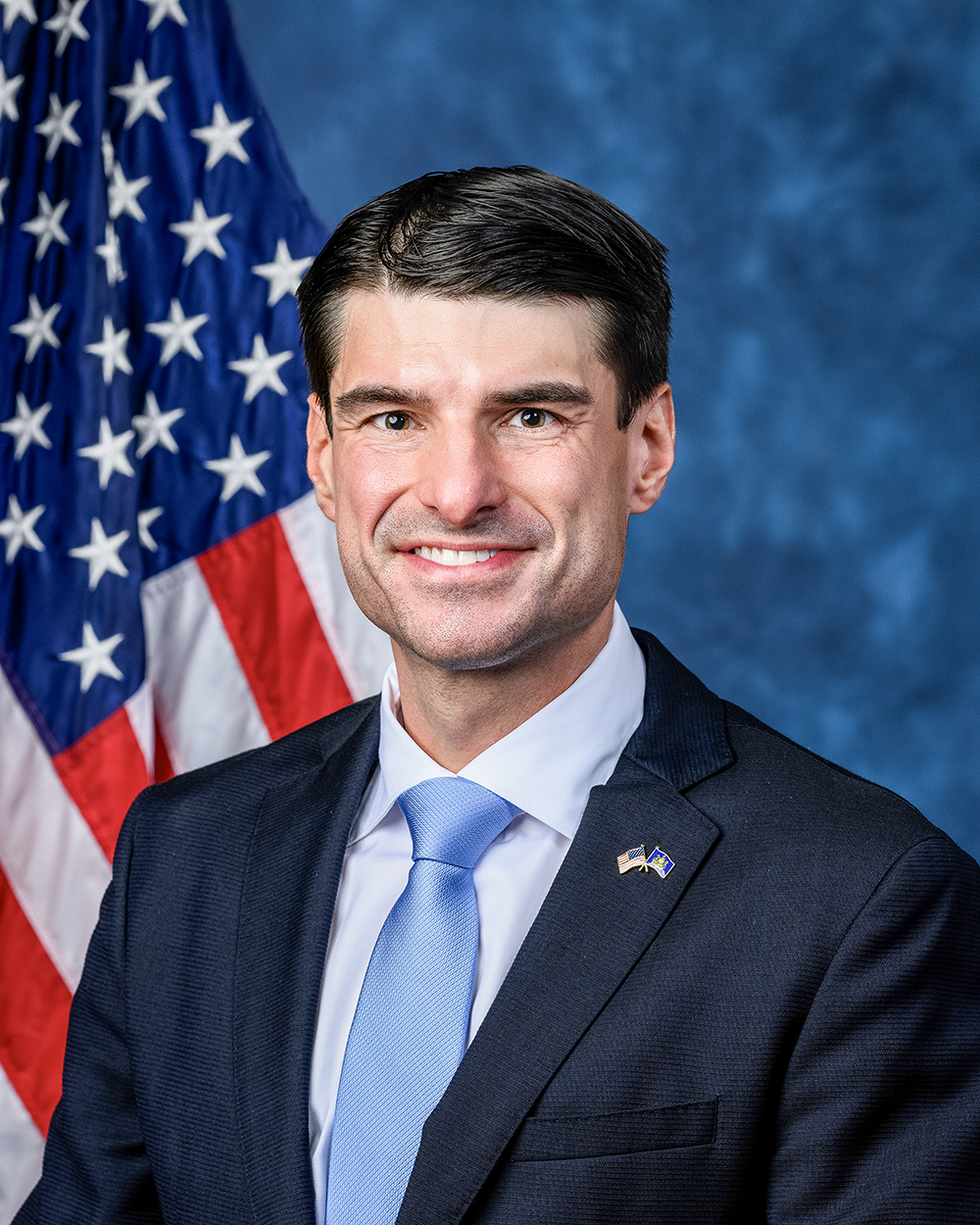
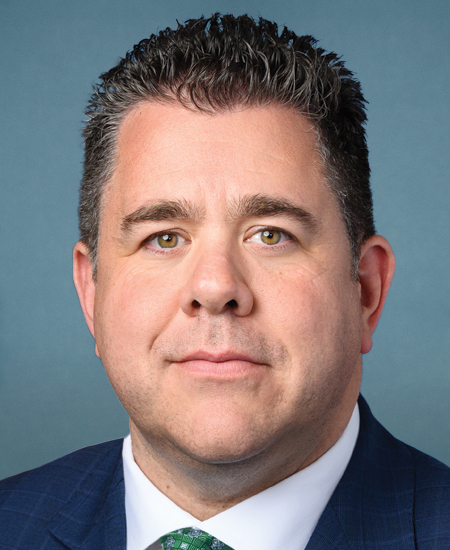
Nick LaLota
Nick LaLota House · District 1
R
Strong +
92% 195
Eric Burlison
Eric Burlison House · District 7
R
Oppose
31% 197
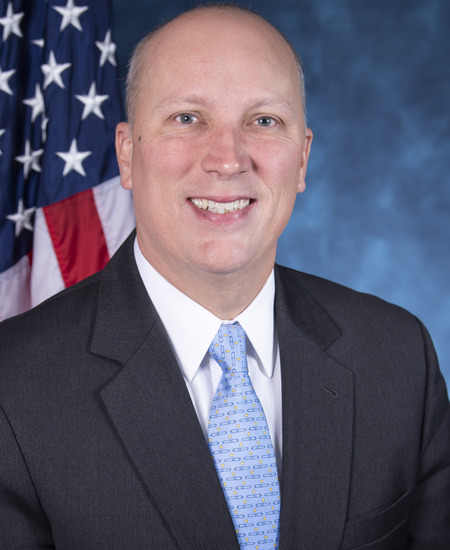
Chip Roy
Chip Roy House · District 21
R
Oppose
31% 190
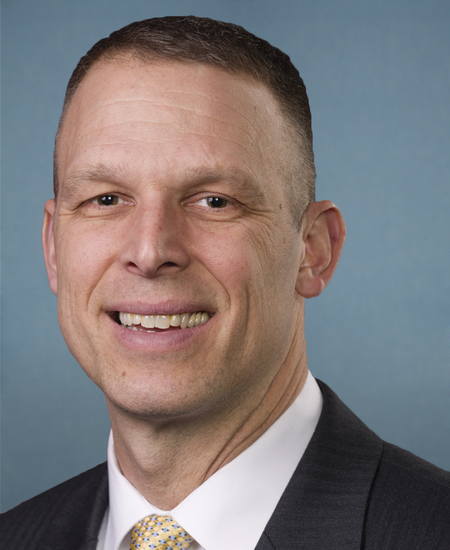
Scott Perry
Scott Perry House · District 10
R
Oppose
31% 194
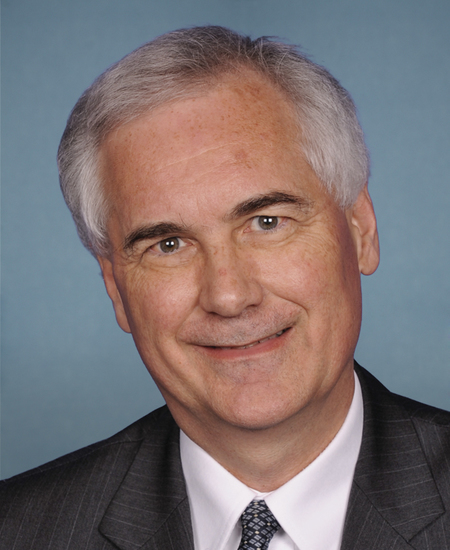
Tom McClintock
Tom McClintock House · District 5
R
Oppose
31% 190
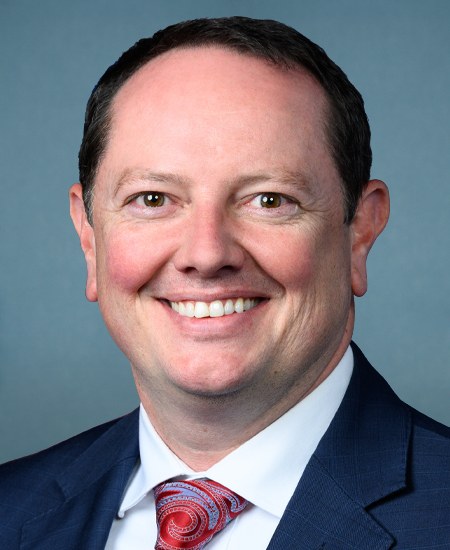
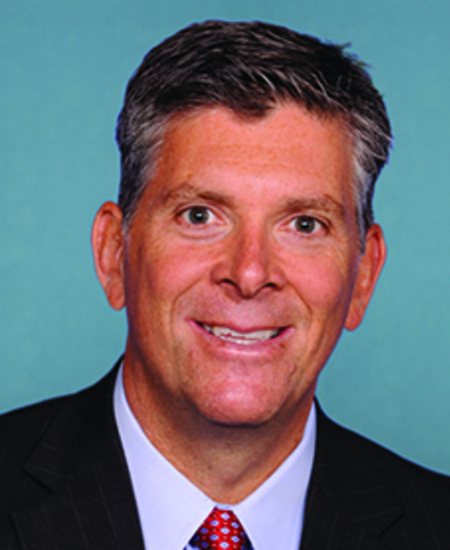
Darin LaHood
Darin LaHood House · District 16
R
Oppose
33% 175
Showing 71–80 of 144 bills

All labor & employment bills

in committee · United States · Senate Feb 3, 2025

S 357: Federal Freeze Act

S 357, the Federal Freeze Act, freezes federal hiring and pay for one year starting from its enactment date. It prohibits agencies from increasing their workforce beyond current levels (the "baseline number") or raising employee pay rates, with limited exceptions for law enforcement, public safety, national security, or declared disaster emergencies. After the initial freeze, agencies must reduce their workforce by 2% within two years and 5% within three years of enactment, while exempting employees deemed essential for the same security or emergency reasons. This directly affects all federal agencies and their hiring and compensation practices.
Sub-Topics Public Employees
in committee · United States · Senate Oct 8, 2025

S 2992: Gas Can Freedom Act of 2025

The Gas Can Freedom Act of 2025 repeals two existing federal safety laws: the Portable Fuel Container Safety Act of 2020 and the Children’s Gasoline Burn Prevention Act. It removes current requirements for portable fuel containers to include flame mitigation devices or child-resistant features. The bill also prohibits the Consumer Product Safety Commission from creating new rules mandating these safety features in the future. This directly affects manufacturers of portable fuel containers and the CPSC, eliminating existing regulatory requirements and preventing new ones.
in committee · United States · House Feb 25, 2026

HR 7686: Rural and Underserved Health Care Staffing Act

This bill clarifies that temporary medical staff (locum tenens physicians and advanced practitioners) working in rural or underserved areas are treated as independent contractors - not employees - by federal programs for key purposes. It specifically affects how these temporary workers are classified under the Fair Labor Standards Act, Civil Rights Act, Medicare, Medicaid, and other federal health programs, ensuring they aren’t deemed employees of the healthcare facility they temporarily serve. The bill requires a written agreement between the temporary staff and the facility, with an exception for cases where an explicit employer-employee contract is signed. It explicitly does not change tax treatment, state licensing rules, or eligibility for Medicare/Medicaid benefits.
in committee · United States · House Mar 5, 2025

HR 1870: SPEED for BEAD Act

The SPEED for BEAD Act (HR 1870) amends the federal broadband deployment program (BEAD) to accelerate network expansion. It defines "gigabit-level broadband" as 1,000 Mbps download speeds, requires unused funds to be returned to the Treasury instead of reallocated, and allows states to remove high-cost locations from project areas. The bill prohibits grant conditions related to labor practices (e.g., union requirements), diversity initiatives, climate policies, or network management rules, while ensuring all broadband technologies meeting speed standards are eligible. It also explicitly bans government regulation of broadband pricing, directly affecting states administering BEAD funds and the internet providers they fund.
in committee · United States · Senate May 8, 2025

S 1696: DRIVE Act

S 1696, the DRIVE Act, prohibits the Federal Motor Carrier Safety Administration (FMCSA) from creating rules requiring speed limiting devices on commercial trucks. It directly affects trucking companies, drivers, and manufacturers of commercial motor vehicles (like 18-wheelers) by blocking a specific regulation. The bill prevents the FMCSA from mandating that these vehicles be equipped with devices that limit their maximum speed. This is a procedural change that stops a potential future rule, not a current requirement.
in committee · United States · Senate Mar 4, 2025

S 839: Safeguarding Honest Speech Act

S 839, the Safeguarding Honest Speech Act, prohibits federal agencies from using taxpayer funds to require employees or contractors to use pronouns or names that conflict with a person's sex at birth (defined as reproductive biology and genetics). It directly affects federal workers and contractors by preventing mandates for gender-affirming language in workplace communications. Key provisions require agencies to respond to complaints within 30 days and allow affected individuals to sue for damages up to $100,000 if violations occur, with a one-year statute of limitations for legal action. The bill focuses on restricting agency policies regarding identity terminology in federal operations.
in committee · United States · House Feb 12, 2026

HR 2870: Working Families Flexibility Act of 2025

HR 2870, the Working Families Flexibility Act of 2025, allows private sector employees to earn compensatory time off (instead of overtime pay) at a 1.5:1 ratio for hours worked beyond 40 in a week. Employees must agree in writing to this option before work begins, have worked at least 1,000 hours with the employer in the past year, and cannot accrue more than 160 hours of compensatory time. Employers must pay employees for unused compensatory time by January 31 each year (or a chosen 12-month period), at the higher of their regular pay rate when the time was earned or their final rate. The bill applies only to private employers (not government workers), includes penalties for employers who pressure employees about the option, and expires after five years.
in committee · United States · House Jan 31, 2025

HR 876: To amend the Defense Base Act to exclude Guam.

This bill amends the Defense Base Act to specifically exclude Guam from its coverage. It changes the law's definition so that Guam is no longer considered a "Territory or possession outside the continental United States" under the Act. As a result, workers in Guam who might have been covered by the Act for defense-related injuries will no longer fall under its provisions. The key change is a definitional update in the statute, directly affecting Guam's legal status under this specific federal workers' compensation law.
in committee · United States · Senate Jul 24, 2025

S 2428: STUDENT Act

S 2428, the STUDENT Act, amends the federal charter of the National Education Association (NEA) to restrict its political activities and membership practices. It requires NEA members (public school teachers) to explicitly consent to dues payments (banning payroll deductions), prohibits the NEA from engaging in political lobbying or supporting candidates, and bans advocacy of specific concepts like critical race theory or antisemitic beliefs. The bill also mandates annual reporting to Congress and prohibits strikes by NEA-affiliated staff in public schools. These provisions directly affect the NEA’s operations and its members’ financial and political engagement.
in committee · United States · Senate Mar 19, 2026

S 3525: American Franchise Act

This bill clarifies when franchisors can be held legally responsible for franchisee employees' pay and working conditions under federal labor laws. It specifies that franchisors are only joint employers if they exercise "substantial direct and immediate control" over essential employment terms like wages, hours, hiring, or discipline - excluding routine brand standards or training. The law explicitly states that franchisors do not become joint employers for actions like setting operating hours, minimum staffing levels, or offering brand guidelines. This directly affects franchisors, franchisees, and their employees by reducing legal uncertainty in the $825 billion franchise sector.
Showing 71 to 80 of 144 bills
Previous 1 7 8 9 15 Next