Issue · Labor & Employment

Labor & Employment

Every labor & employment bill, vote, and legislator stance in United States, automatically classified by Maddy, our AI policy reader.

Total bills
1,439
119th Congress
Top supporter
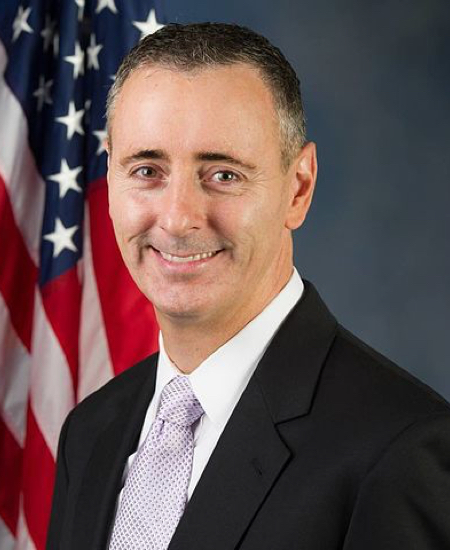
Brian K. Fitzpatrick
93% support rate
Top opponent
Bernard Sanders
23% support rate
Ranked legislators
10
5 support · 5 oppose
Key legislators

Who's moving labor & employment in United States

Legislators moving labor & employment in United States
Legislator Party Stance Support rate Decisive votes
Brian K. Fitzpatrick
Brian K. Fitzpatrick House · District 1
R
Strong +
93% 14
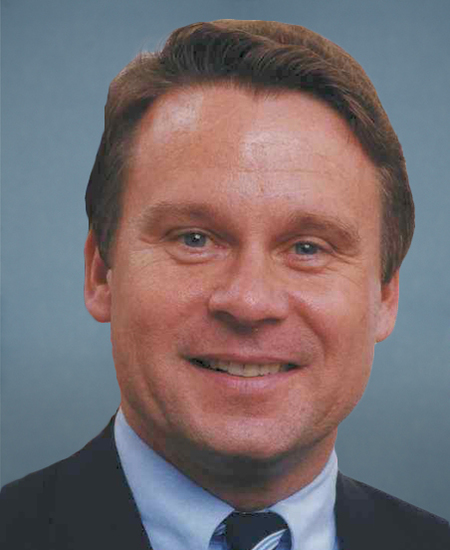
Christopher H. Smith
Christopher H. Smith House · District 4
R
Strong +
93% 14
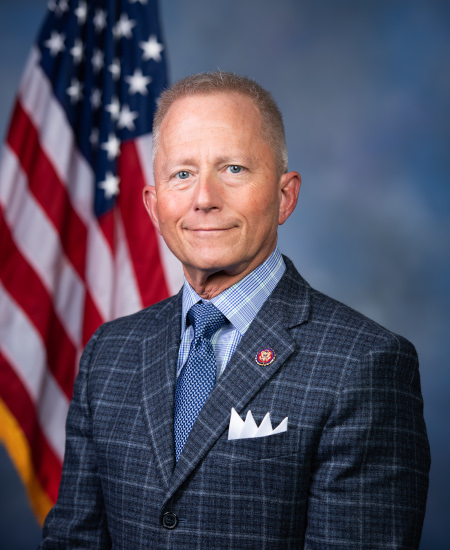
Jefferson Van Drew
Jefferson Van Drew House · District 2
R
Strong +
93% 14
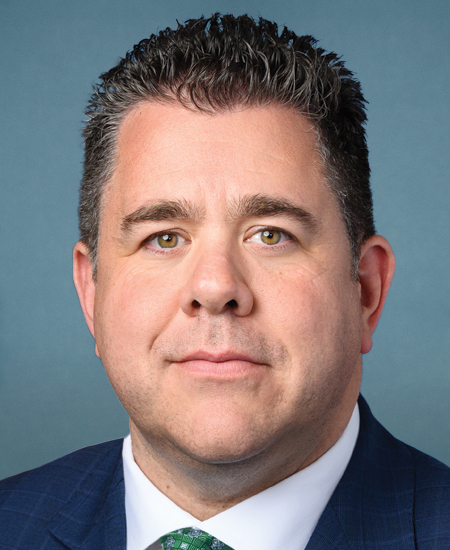
Nick LaLota
Nick LaLota House · District 1
R
Strong +
93% 14
Robert P. Bresnahan, Jr.
Robert P. Bresnahan, Jr. House · District 8
R
Strong +
93% 14
Bernard Sanders
Bernard Sanders Senate
I
Oppose
23% 13
Edward J. Markey
Edward J. Markey Senate
D
Oppose
23% 13
Elizabeth Warren
Elizabeth Warren Senate
D
Oppose
23% 13
Lisa Blunt Rochester
Lisa Blunt Rochester Senate
D
Oppose
23% 13
Rand Paul
Rand Paul Senate
R
Oppose
25% 12
Showing 721–730 of 1,439 bills

All labor & employment bills

in committee · United States · House Oct 31, 2025

HR 5887: Saving for the Future Act

The Saving for the Future Act would require employers with at least 10 full-time equivalent employees for two years to contribute to retirement plans for employees without existing retirement benefits, starting at $0.50 per hour for full-time employees in the first two years and increasing to $0.60 per hour in the following two years. It establishes "UP Retirement Accounts" as portable, defined contribution plans overseen by a new Federal Universal Personal Savings Investment Board, with automatic employee enrollment at 4% of wages and automatic escalation to 10%. The bill also creates tax credits for employers making required contributions and for individuals making retirement contributions. Additionally, it includes separate provisions to increase the highest individual income tax rate to 39.6% and the corporate income tax rate to 23%.
Sub-Topics Retirement Benefits
in committee · United States · House Sep 26, 2025

HR 5603: Emergency Responder Protection Act

The Emergency Responder Protection Act (HR 5603) prohibits U.S. Immigration and Customs Enforcement (ICE) and U.S. Customs and Border Protection (CBP) officers from conducting immigration enforcement actions within 1,000 feet of protected emergency response locations - such as hospitals, shelters, disaster relief sites, or evacuation routes - except in clear cases of immediate danger to life or national security. It requires officers to consult supervisors in real-time if circumstances are unclear, mandates detailed annual reports to Congress on any enforcement near these sites, and creates penalties for violations, including barring evidence from removal proceedings. The law specifically exempts rare, premeditated arrests of terrorism suspects or individuals posing extraordinary public safety threats, with prior written approval. This directly affects ICE and CBP officers, requiring them to adjust operations near active emergency scenes.
Sub-Topics Border Security Enforcement Sanctuary Policies Tags Public Safety
in committee · United States · House Nov 18, 2025

HR 6074: To amend the Internal Revenue Code of 1986 to extend the enhancement of the health care premium tax credit.

HR 6074 extends two key provisions of the health care premium tax credit through 2028, directly affecting households purchasing health insurance through the marketplace who qualify for these credits. It extends the enhanced amount of the tax credit (currently helping lower-income households) and maintains the rule allowing credits for people with household incomes above 400% of the federal poverty level. The bill updates the expiration dates in the tax code from 2025 to 2028, applying to tax years starting after December 31, 2025. This is a straightforward extension of existing benefits, not a new policy.
in committee · United States · House Nov 25, 2025

HR 6302: Whistleblowers Aiding National Security Act of 2025

HR 6302, the Whistleblowers Aiding National Security Act of 2025, creates a program rewarding individuals who report defense export rule violations to the State Department. It establishes a secure online portal for submitting original information (including anonymously), with whistleblowers eligible for awards of 10-30% of civil penalties collected from violators. The bill also prohibits employer retaliation against whistleblowers who report violations, requiring reinstatement or double back pay if fired, and creates a special fund to pay rewards using fines collected under the program. This directly affects individuals reporting defense export violations and employers who might retaliate against them.
in committee · United States · House Nov 4, 2025

HR 5924: Pay Our Capitol Police Act

HR 5924, the Pay Our Capitol Police Act, ensures that U.S. Capitol Police officers, civilian staff, and supporting contractors continue receiving pay and benefits during a funding gap for fiscal year 2026. It appropriates temporary funds for salaries, overtime, hazard pay, health benefits, retirement contributions, and contractor payments if regular appropriations aren't enacted by September 30, 2026. These funds are charged to future appropriations once regular funding is approved, preventing pay delays for Capitol Police personnel. The bill directly affects Capitol Police members classified as excepted employees or performing emergency work, along with their supporting staff and contractors. It applies specifically to the Capitol Police during the fiscal year 2026 funding period.
Sub-Topics Labor Standards
in committee · United States · House Dec 2, 2025

HR 6350: College Athletics Reform Act

This bill establishes comprehensive name, image, and likeness (NIL) rights for college athletes, prohibiting institutions from restricting athletes' ability to earn compensation for their personal branding or taking adverse action against them for doing so. It requires transparent NIL agreements for compensation over $600, including specific details about services, compensation amounts, and termination terms. The bill also amends immigration laws to better accommodate international student athletes participating in college sports and updates regulations governing sports agents. Additionally, it establishes a Commission to study college athletics governance, focusing on collective bargaining, revenue sharing, and Title IX compliance, while expanding disclosure requirements for colleges regarding athletics revenue and expenses.
in committee · United States · House Nov 19, 2025

HR 6157: FORCE Act of 2025

The FORCE Act of 2025 allows eligible first responders to enroll in Medicare at age 57 instead of the standard 65. To qualify, individuals must be between 57 and 64 years old, have worked 10+ years in specific first responder occupations (identified by Bureau of Labor Statistics codes like 33-1010 or 33-2000), and not yet qualify for standard Medicare at age 65. The bill establishes a new Medicare benefit section with premiums based on standard Part B/A costs, funded through a dedicated "Medicare First Responder Trust Fund." It ensures these enrollees receive full Medicare benefits, including prescription drug coverage, without affecting existing Medicare or Medicaid eligibility.
in committee · United States · House Oct 6, 2025

HR 5701: Fair Social Security for Domestic Violence Survivors Act

This bill modifies Social Security rules to better support survivors of domestic violence. It shortens the required marriage duration from 10 years to 5 years for divorced individuals who provide a court finding that they were victims of domestic violence during the marriage. The change applies specifically to divorced spouses seeking spousal benefits under Sections 216(d) and 202(b)/(c) of the Social Security Act. Domestic violence is defined per the Violence Against Women Act of 1994. The policy directly affects divorced survivors who were married for 5-10 years but couldn't qualify for benefits under the previous 10-year rule.
in committee · United States · House Oct 8, 2025

HR 5724: FAST Justice Act

HR 5724, the FAST Justice Act, creates a 120-day deadline for the Merit Systems Protection Board (MSPB) to act on most federal employee appeals. If the MSPB fails to take action within this period, affected federal employees or job applicants can file a civil lawsuit in federal court. The bill specifies where these lawsuits can be filed (based on where the personnel action occurred or where the employee would have worked) and clarifies that courts must use standard review procedures for MSPB decisions. This directly affects federal workers facing delays in employment-related appeals.
Sub-Topics Labor Standards
in committee · United States · House Oct 3, 2025

HR 5690: Emergency Relief for Federal Contractors Act of 2025

This bill provides tax relief for workers affected by federal government shutdowns. It allows federal contractors, their employees on unpaid leave during shutdowns, and related workers (like those for federal grantees, states, or DC government) to withdraw up to $30,000 from retirement accounts without the usual 10% early withdrawal penalty. Withdrawals can be repaid within 3 years to avoid tax consequences, and income from the withdrawal is spread over 3 years if elected. The $30,000 limit adjusts annually for inflation.
Showing 721 to 730 of 1,439 bills
Previous 1 … 72 73 74 … 144 Next