Issue · Labor & Employment

Labor & Employment

Every labor & employment bill, vote, and legislator stance in United States, automatically classified by Maddy, our AI policy reader.

Total bills
1,439
119th Congress
Top supporter
Brian K. Fitzpatrick
93% support rate
Top opponent
Bernard Sanders
23% support rate
Ranked legislators
10
5 support · 5 oppose
Key legislators

Who's moving labor & employment in United States

Legislators moving labor & employment in United States
Legislator Party Stance Support rate Decisive votes
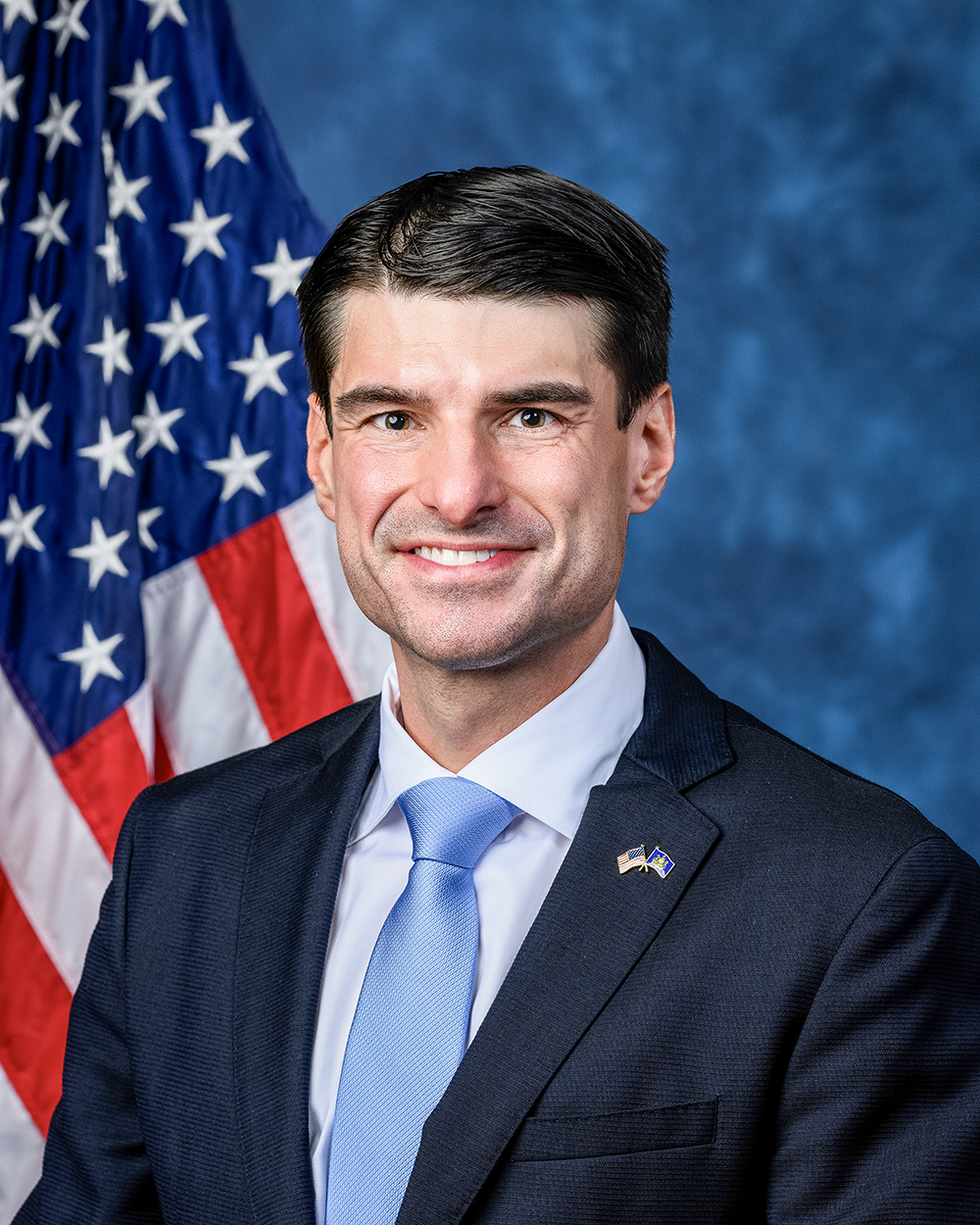
Brian K. Fitzpatrick
Brian K. Fitzpatrick House · District 1
R
Strong +
93% 14
Christopher H. Smith
Christopher H. Smith House · District 4
R
Strong +
93% 14
Jefferson Van Drew
Jefferson Van Drew House · District 2
R
Strong +
93% 14
Nick LaLota
Nick LaLota House · District 1
R
Strong +
93% 14
Robert P. Bresnahan, Jr.
Robert P. Bresnahan, Jr. House · District 8
R
Strong +
93% 14
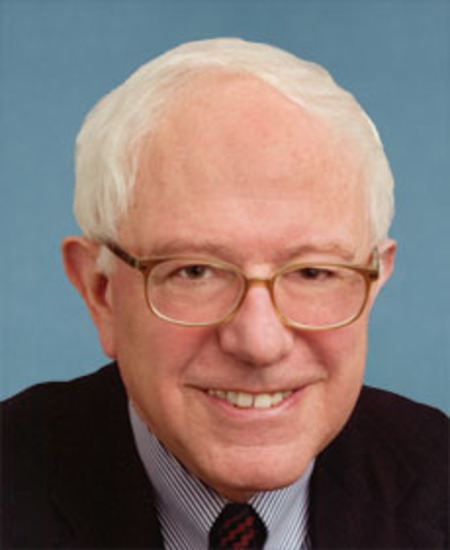
Bernard Sanders
Bernard Sanders Senate
I
Oppose
23% 13
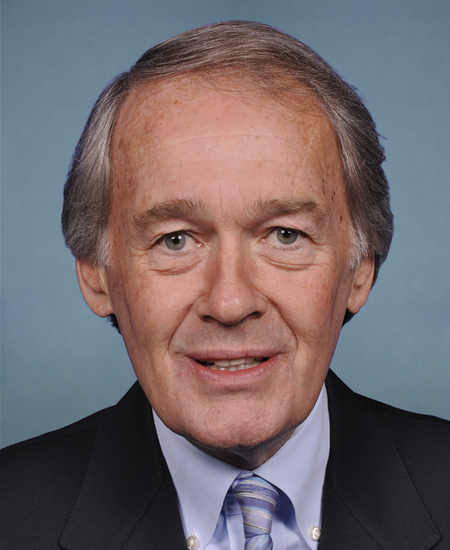
Edward J. Markey
Edward J. Markey Senate
D
Oppose
23% 13
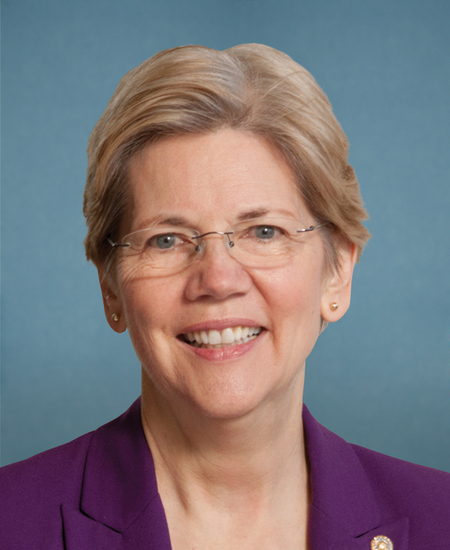
Elizabeth Warren
Elizabeth Warren Senate
D
Oppose
23% 13
Lisa Blunt Rochester
Lisa Blunt Rochester Senate
D
Oppose
23% 13
Rand Paul
Rand Paul Senate
R
Oppose
25% 12
Showing 711–720 of 1,439 bills

All labor & employment bills

in committee · United States · House Nov 7, 2025

HR 5953: Protect Military and Federal Employees from Unfair Bank Fees Act

HR 5953 prohibits financial institutions from charging certain fees to federal and military employees during government shutdowns. Specifically, it bans banks from imposing fees for insufficient funds on debit transactions or late fees on credit card payments if those payments were due while the employee was furloughed or working without pay due to a funding gap. The bill applies directly to covered persons - federal civil service, military, and uniformed service employees affected by a shutdown - and targets two common fees that can compound financial stress during pay delays. It creates a clear rule requiring banks to waive these specific charges during the period when government operations are halted due to lack of appropriations.
Sub-Topics Public Employees
in committee · United States · House Nov 28, 2025

HR 6324: Retirement Simplification and Clarity Act

This bill allows workers aged 50 or older to directly roll over employer retirement contributions (from 401(k) plans) into an individual retirement annuity without triggering immediate taxes or penalties. It requires retirement plan administrators to provide clear, plain-language written explanations about rollover rules, including a 30-day review period, tax implications (like the 10% early withdrawal penalty), and what types of distributions cannot be rolled over (such as required minimum distributions). The rules apply to taxable years starting after December 31, 2025, and aim to simplify the process for older workers changing jobs or managing retirement funds. It directly affects workers aged 50+ and retirement plan administrators who must comply with the new disclosure standards.
Sub-Topics Retirement Benefits
in committee · United States · House Nov 14, 2025

HR 6044: Pay Our Patriots Act

HR 6044, the Pay Our Patriots Act, ensures military personnel and essential Federal Aviation Administration (FAA) staff continue receiving pay during a government shutdown. It appropriates funds from the Treasury to cover "covered pay and allowances" for active-duty military members and specific FAA employees (like air traffic controllers) deemed essential for air safety during any lapse in regular appropriations. The bill mandates that payments be made at the rate in effect before the shutdown began, with funds immediately available and not subject to reductions. This funding continues until either a new appropriations bill is passed or the end of the fiscal year in which the shutdown began.
Sub-Topics Appropriations
in committee · United States · House Nov 10, 2025

HR 6018: Bringing Assistance for Rural Needs During Shutdowns Act

HR 6018, the Bringing Assistance for Rural Needs During Shutdowns Act, ensures that Farm Services Agency (FSA) services remain operational during government shutdowns. This means FSA employees - providing critical support like farm loans, disaster assistance, and crop insurance - would continue working without furloughs. The bill directly affects rural farmers and communities relying on these services, preventing disruptions to essential agricultural aid. By classifying FSA services as "essential" under federal law (specifically, as covering "safety of human life or protection of property"), it guarantees uninterrupted access to these programs during shutdowns.
Tags Rural Communities
in committee · United States · House Dec 2, 2025

HR 6356: Artificial Intelligence Civil Rights Act of 2025

The Artificial Intelligence Civil Rights Act of 2025 requires developers and deployers of AI systems that make decisions affecting "consequential actions" (such as employment, housing, healthcare, education, and credit) to conduct pre-deployment evaluations and annual impact assessments by independent auditors. The bill mandates transparency requirements including clear disclosures to individuals about how AI is used in decision-making, establishes a right to human alternatives for significant AI-driven decisions, and prohibits discrimination based on protected characteristics like race, gender, or disability. It creates enforcement mechanisms through the Federal Trade Commission, state attorneys general, and private lawsuits, with penalties including civil penalties of up to 4% of annual revenue. The act also requires developers to provide explanations for AI-driven decisions and sets standards for data collection to prevent harm and ensure fairness in critical life areas.
in committee · United States · House Nov 20, 2025

HR 6221: Fostering the Future for American Children and Families Act

This bill directs the Health and Human Services Secretary to study federal, state, and private programs supporting job training and apprenticeships for current and former foster youth, evaluating effectiveness, gaps, and barriers. It then establishes the "Fostering the Future Pipeline Program" to provide competitive grants to states, schools, employers, and nonprofits for expanding industry-aligned training in high-demand fields like healthcare and IT, with a $50 million annual funding limit. The bill also amends existing foster care funding to allow education vouchers to cover short-term career programs, such as registered apprenticeships and certificate courses. These changes directly affect foster youth transitioning to adulthood by improving access to career pathways and workforce opportunities.
in committee · United States · House Oct 28, 2025

HR 5851: Keep America Flying Act of 2026

This bill provides temporary funding to maintain pay and benefits for essential aviation staff during the 2026 budget process. It ensures continued standard pay, allowances, and contractor support for Federal Aviation Administration (FAA) air traffic controllers, Transportation Security Administration (TSA) screeners, and their contractors until a permanent budget is enacted. The funding is retroactive to September 30, 2025, and expires on September 30, 2026, or when the next regular budget is passed. It directly affects FAA and TSA operational personnel and their contractors, preventing disruptions to air traffic safety and security screening.
passed · United States · House Dec 16, 2025

HR 5810: Federal Supervisor Education Act

HR 5810, the Federal Supervisor Education Act of 2025, requires all federal supervisors to complete mandatory training on key management responsibilities. The bill mandates agencies to establish programs covering performance goal-setting, fair workplace practices, addressing harassment, disciplinary procedures, and probationary evaluations. Supervisors must complete initial training within one year of appointment and refresher training every three years. The law directly affects every federal supervisor, including management officials and designated employees, by requiring structured development aligned with agency missions and OPM guidelines. It also requires agencies to measure training effectiveness and provide supervisors with developmental opportunity resources.
in committee · United States · House Dec 1, 2025

HR 5563: DRIVE-SAFE Act

HR 5563, the DRIVE-SAFE Act, creates a structured apprenticeship program for commercial drivers under age 21. It requires employers to provide a two-phase training program: a 120-hour probationary period focused on basic driving skills (like traffic navigation and safety awareness), followed by a 280-hour period covering advanced tasks (such as pre-trip inspections and load management). During both phases, apprentices must operate vehicles equipped with automatic transmissions, collision mitigation systems, and video capture, and must be accompanied by an experienced driver (26+ years old with no recent accidents or violations). The bill does not change existing commercial driver’s license requirements and mandates employers to maintain records and provide remediation for preventable accidents or violations during training.
in committee · United States · House Nov 17, 2025

HR 6060: SAFE Taps Act

The SAFE Taps Act creates a federal grant program to replace lead service lines and aging drinking water mains, directly aiding local governments, public water systems, and tribal communities. It covers costs for replacing lead pipes, galvanized steel/iron lines downstream of lead, and non-lead drinking water mains, while requiring projects to follow prevailing wage standards. Unlike existing loan-based programs, this grant approach aims to help financially strained communities that cannot access loans for EPA-mandated infrastructure upgrades. The bill responds to the EPA’s finding that 9.2 million lead service lines pose serious health risks, particularly to children.
Sub-Topics Drinking Water
Showing 711 to 720 of 1,439 bills
Previous 1 … 71 72 73 … 144 Next