Issue · Labor & Employment

Labor & Employment (Child Labor)

Every labor & employment bill, vote, and legislator stance in United States, automatically classified by Maddy, our AI policy reader.

Total bills
71
119th Congress
Top supporter
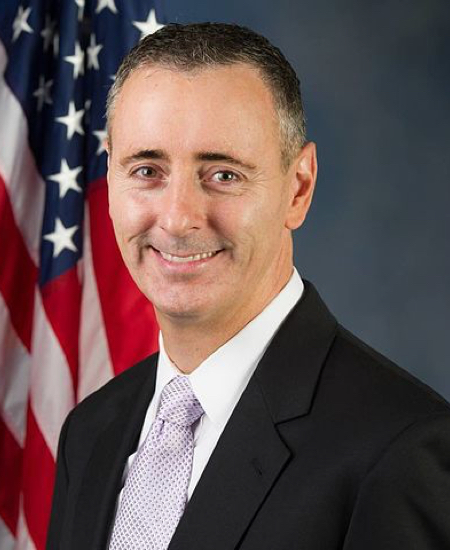
Brian K. Fitzpatrick
100% support rate
Top opponent
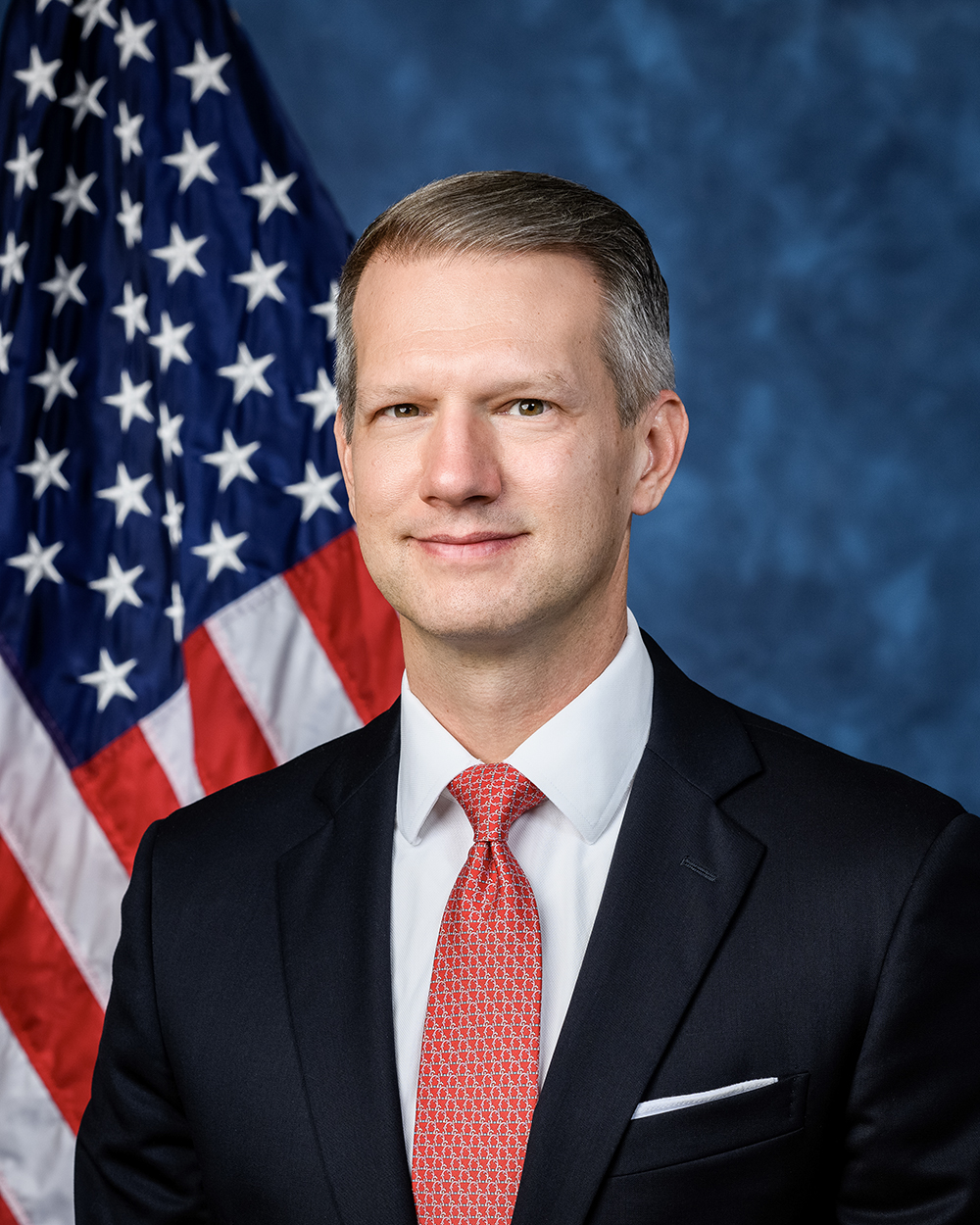
Adam Gray
33% support rate
Ranked legislators
10
5 support · 5 oppose
Key legislators

Who's moving child labor in United States

Legislators moving child labor in United States
Legislator Party Stance Support rate Votes
Brian K. Fitzpatrick
Brian K. Fitzpatrick House · District 1
R
Strong +
100% 3
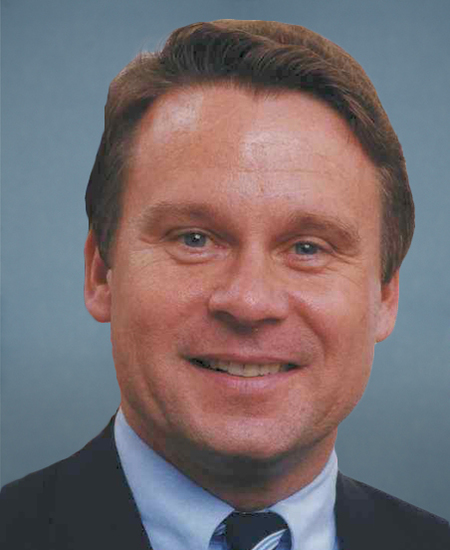
Christopher H. Smith
Christopher H. Smith House · District 4
R
Strong +
100% 3
Jefferson Van Drew
Jefferson Van Drew House · District 2
R
Strong +
100% 3
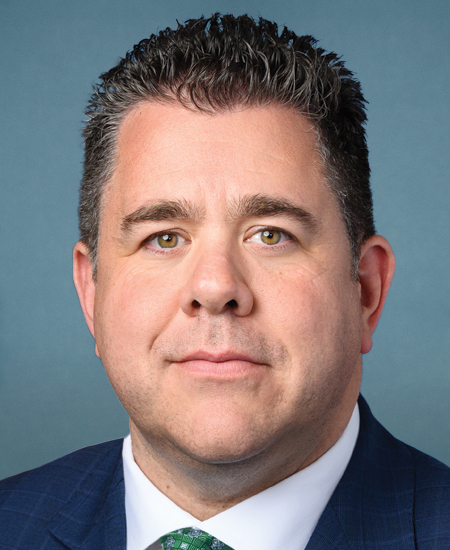
Nick LaLota
Nick LaLota House · District 1
R
Strong +
100% 3
Riley M. Moore
Riley M. Moore House · District 2
R
Strong +
100% 3
Adam Gray
Adam Gray House · District 13
D
Oppose
33% 3
Adam Smith
Adam Smith House · District 9
D
Oppose
33% 3
Adelita S. Grijalva
Adelita S. Grijalva House · District 7
D
Oppose
33% 3
Adriano Espaillat
Adriano Espaillat House · District 13
D
Oppose
33% 3
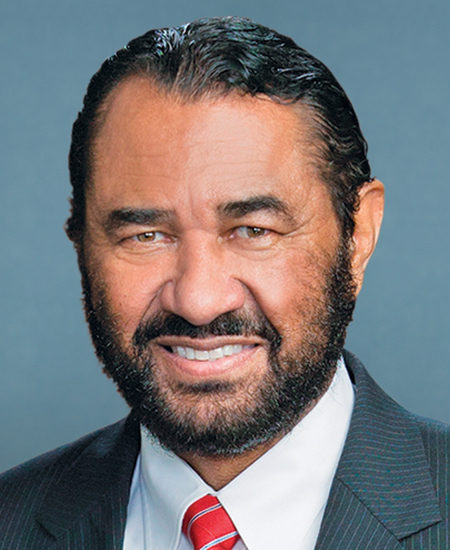
Al Green
Al Green House · District 9
D
Oppose
33% 3
Showing 61–70 of 71 bills

All labor & employment bills

in committee · United States · House Jun 12, 2025

HR 3997: Protecting Children Act

The Protecting Children Act increases penalties for employers violating child labor laws, raising civil penalties to as much as $700,000 for serious violations involving children and doubling or tripling penalties for violations that cause harm to young workers. It establishes a National Advisory Committee on Child Labor to advise federal agencies and creates a fund using penalty collections to support enforcement, research, and education about child labor. The bill updates processes for reviewing hazardous occupations for children and requires annual reports on child labor enforcement activities, statistics, and the effectiveness of protections. These provisions directly affect employers who hire children, children working in hazardous conditions, and federal agencies responsible for labor and safety enforcement.
Sub-Topics Child Labor Labor Standards Workplace Safety Tags Children
in committee · United States · House May 15, 2025

HR 3438: Fair Wage Act of 2025

HR 3438, the Fair Wage Act of 2025, establishes a regional minimum wage tied to cost of living, directly affecting most covered workers across the U.S. The bill sets the minimum wage for each metropolitan area or nonmetropolitan region as a percentage (starting at 40%) of the national average hourly wage for private non-supervisory workers, adjusted by regional price parity (ranging from 87.5% to 115% based on local costs). It phases in higher percentages over time (45% after 1 year, 50% after 5 years) and requires tipped employees to receive cash wages equal to 30% of this regional minimum, while setting a new minimum for workers aged 18 or younger at two-thirds of the regional rate. The law takes effect three months after enactment.
in committee · United States · House Dec 10, 2025

HR 6597: LET’S Protect Workers Act

HR 6597, the LET’S Protect Workers Act, increases civil penalties for employers violating key labor laws to strengthen worker protections. It raises fines for child labor violations to up to $700,000 per incident causing death or serious injury, and doubles penalties for repeated wage/hour violations (up to $50,000 per violation). The bill also significantly boosts OSHA penalties (e.g., up to $800,000 for serious violations), adds new retaliation penalties for mine safety violations (up to $200,000 for repeat offenses), and clarifies that recordkeeping violations continue until corrected. These changes apply to employers across sectors, including manufacturing, agriculture, and mining, under the Fair Labor Standards Act, Occupational Safety and Health Act, and Mine Safety Act.
in committee · United States · House Jan 3, 2025

HR 122: Original LAW Act

HR 122, the Original LAW Act, proposes a phased increase to the federal minimum wage, starting at $10.59 per hour in 2026 and rising to $26.59 per hour by 2030. It establishes an automatic adjustment mechanism where the Secretary of Labor must set the minimum wage every seven years starting in 2031, ensuring it equals 40% above the Federal supplemental poverty threshold for a renter family of four with two children. This bill directly affects all workers covered under the Fair Labor Standards Act who earn the federal minimum wage. The law requires the wage to be adjusted annually based on poverty threshold data published by the Bureau of Labor Statistics, aiming to align wages with living costs.
in committee · United States · House Apr 14, 2025

HR 2910: Youth Workforce Readiness Act of 2025

HR 2910, the Youth Workforce Readiness Act of 2025, establishes a federal grant program to fund community-based organizations in creating after-school and out-of-school-time workforce readiness programs for youth aged 6-18. The bill authorizes $100 million annually (2026-2030) to support activities like career pathway planning, paid work experiences (including apprenticeships), occupational skill training aligned with local job needs, and employer partnerships. It directly affects eligible youth - particularly those in underserved communities - and requires grantees to coordinate with schools, employers, and local workforce boards, while mandating youth councils to advise on program design. The program emphasizes measurable outcomes, including improved school attendance, skill development, and transitions to postsecondary education or employment.
in committee · United States · Senate Jul 31, 2025

S 2571: Farmworker Smoke and Excessive Heat Protection Act of 2025

This bill establishes immediate protections for farmworkers against wildfire smoke and excessive heat. It requires agricultural employers to provide N95/N100 respirators when smoke levels become dangerous, cooling equipment and water during heat events, and mandatory 10-minute rest breaks every 2 hours in shaded areas. Employers must also train workers in their language on proper equipment use, health risks, and heat illness signs. The law creates a temporary standard effective immediately, with the Secretary of Labor required to develop a permanent rule within 90 days. These requirements directly affect farmworkers and their employers in agricultural operations across the U.S.
in committee · United States · House May 13, 2025

HR 3335: Children Don't Belong on Tobacco Farms Act

This bill amends the Fair Labor Standards Act to prohibit children under 18 from having direct contact with tobacco plants or dried tobacco leaves on farms. It directly affects minors who might work on tobacco farms and tobacco farm employers who currently allow such employment. The key change adds tobacco farming to the list of occupations where children under 18 cannot work, closing a loophole that previously permitted this activity. This update explicitly excludes tobacco-related agriculture from exceptions allowing minors in certain farm jobs under federal law.
in committee · United States · House May 1, 2025

HR 3155: Child Care for American Families Act

HR 3155, the Child Care for American Families Act, increases tax credits for employers providing child care by raising the credit percentage from 25% to 40% (50% for small businesses with ≤500 employees, 60% for facilities in rural areas or specific census tracts), with annual limits of $1.2 million in credits and $2 million in qualifying costs. It requires the Treasury to create a public awareness program within one year to inform eligible employers about the credit and filing procedures. The bill also mandates a GAO study on state/local licensing requirements and regulatory barriers affecting child care facilities, including recommendations to reduce multi-state compliance costs. This legislation directly impacts employers, particularly small businesses and rural providers, by making employer-sponsored child care more financially accessible.
in committee · United States · Senate Apr 8, 2025

S 1332: Raise the Wage Act of 2025

The Raise the Wage Act of 2025 gradually increases the federal minimum wage from $9.50 to $17.00 per hour over six years, with future annual increases tied to median wage growth. It eliminates the separate lower minimum wage for tipped workers (currently $2.13/hour base), requiring employers to pay the full minimum wage to all tipped employees starting in 2031. The bill also ends the special $4.25/hour starting wage for workers under 20, phasing it out by 2030. Additionally, it prohibits new special wage certificates for disabled workers under Section 14(c) and requires their phaseout by 2030, while providing transition support for affected employers and workers.
in committee · United States · Senate Mar 10, 2025

S 920: Preventing Child Labor Exploitation in Federal Contracting Act

This bill requires federal contractors and their subcontractors to annually certify whether they or their subcontractors have been found liable for child labor violations under the Fair Labor Standards Act within the past three years. Entities that fail to address such violations face exclusion from federal contracts for at least four years, with their names publicly listed in the System for Award Management. The law mandates that contractors submit these certifications as part of the bidding process, and agencies must withhold contracts from non-compliant entities or those using non-compliant subcontractors. It also increases civil penalties for child labor violations in federal contracting and directs a GAO study on the prevalence of such violations among contractors.
Showing 61 to 70 of 71 bills
Previous 1 6 7 8 Next