Issue · Labor & Employment

Labor & Employment

Every labor & employment bill, vote, and legislator stance in United States, automatically classified by Maddy, our AI policy reader.

Total bills
144
119th Congress
Top supporter
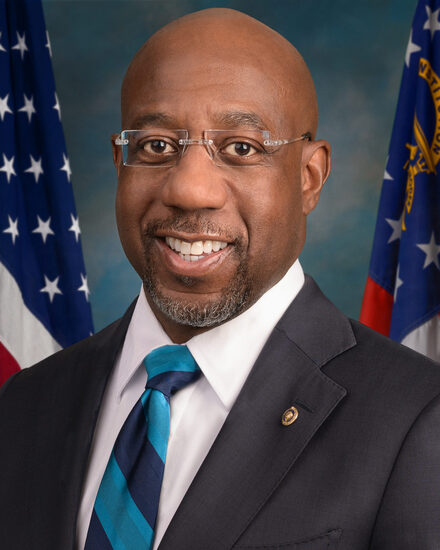
Raphael G. Warnock
100% support rate
Top opponent
Eric Burlison
31% support rate
Ranked legislators
10
5 support · 5 oppose
Key legislators

Who's moving labor & employment in United States

Legislators moving labor & employment in United States
Legislator Party Stance Support rate Votes
Raphael G. Warnock
Raphael G. Warnock Senate
D
Strong +
100% 211
Brian K. Fitzpatrick
Brian K. Fitzpatrick House · District 1
R
Strong +
92% 194
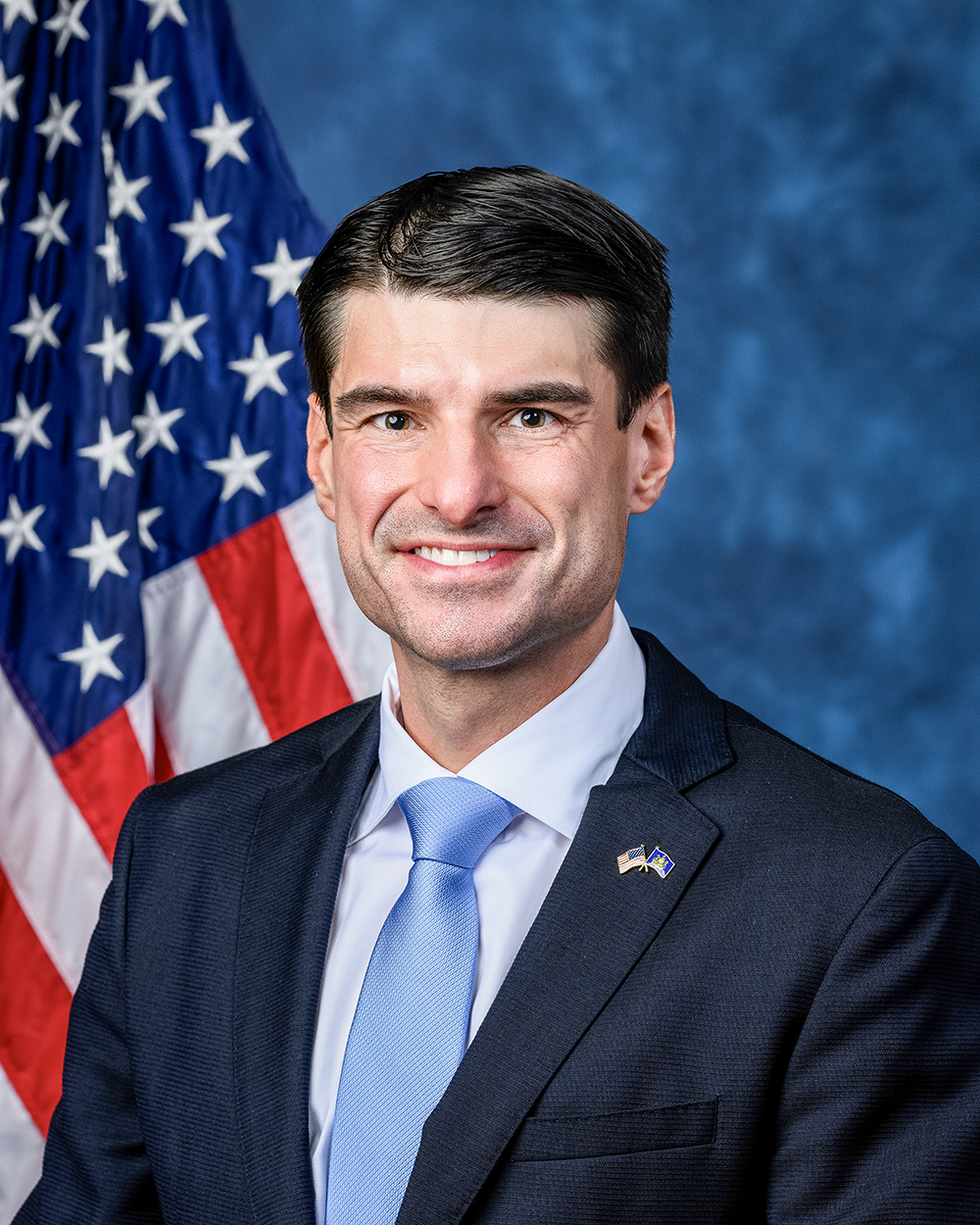
Robert P. Bresnahan, Jr.
Robert P. Bresnahan, Jr. House · District 8
R
Strong +
92% 197
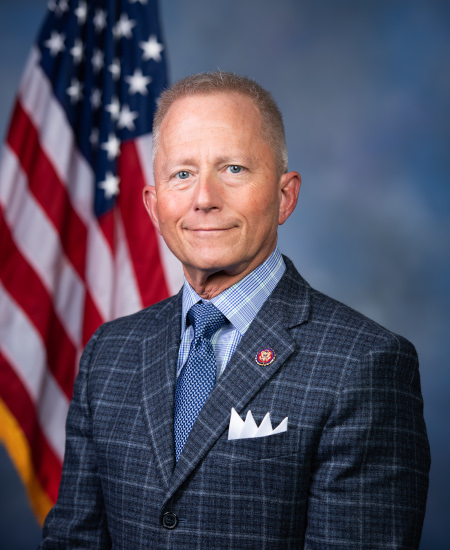
Jefferson Van Drew
Jefferson Van Drew House · District 2
R
Strong +
92% 197
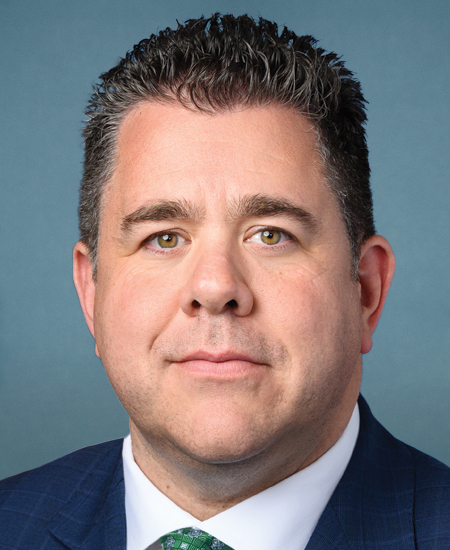
Nick LaLota
Nick LaLota House · District 1
R
Strong +
92% 195
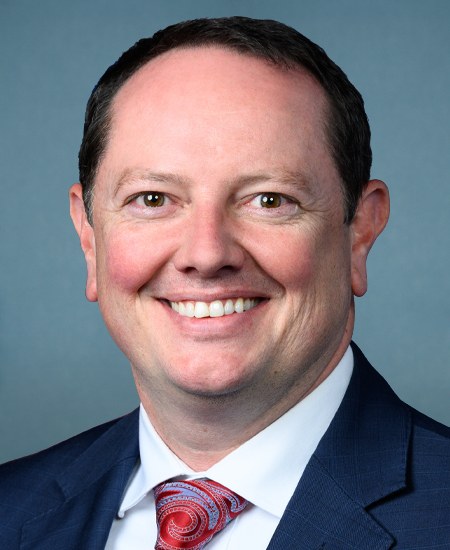
Eric Burlison
Eric Burlison House · District 7
R
Oppose
31% 197
Chip Roy
Chip Roy House · District 21
R
Oppose
31% 190
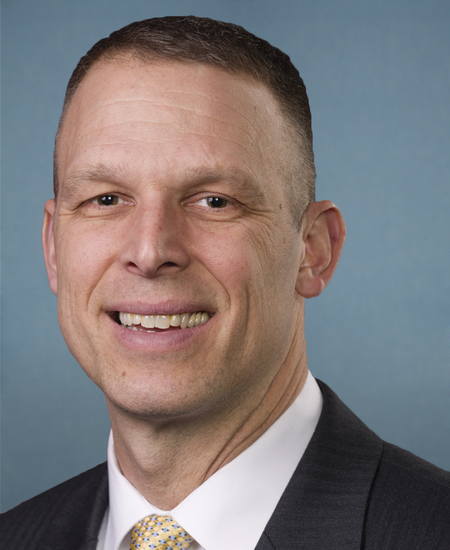
Scott Perry
Scott Perry House · District 10
R
Oppose
31% 194
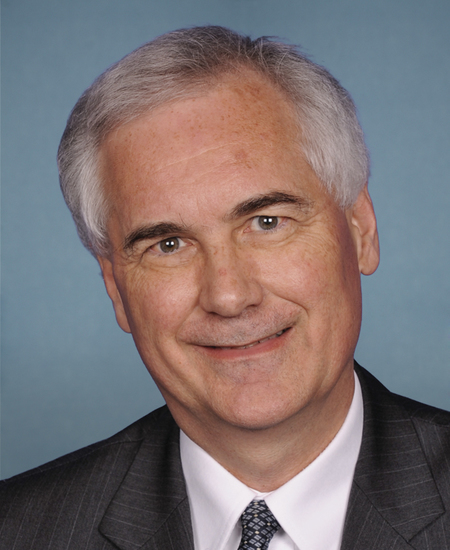
Tom McClintock
Tom McClintock House · District 5
R
Oppose
31% 190
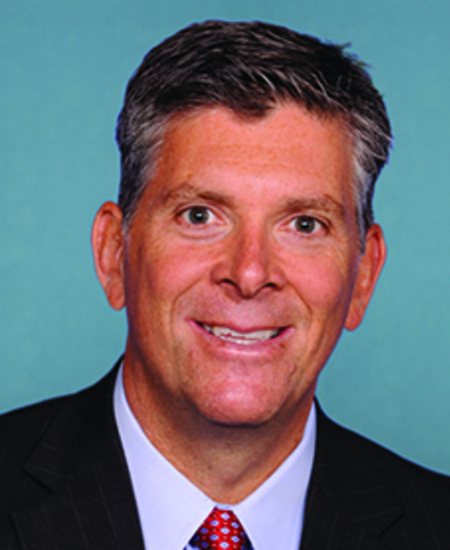
Darin LaHood
Darin LaHood House · District 16
R
Oppose
33% 175
Showing 61–70 of 144 bills

All labor & employment bills

in committee · United States · House Sep 26, 2025

HR 5596: FARMS Act

HR 5596, the FARMS Act, freezes the current wage rate for H-2B visa workers for two years after enactment. It directly affects H-2B nonimmigrant workers and their employers by preventing increases to the required wage rate during this period. The bill allows the Secretary of Labor to retain the existing wage rate if they determine a valid calculation method for the new rate is unavailable. This provides temporary stability to employers hiring H-2B workers without requiring immediate changes to wage payments.
in committee · United States · House Oct 24, 2025

HR 5812: Correcting Opportunity and Accountability in Collegiate Hiring Act (COACH Act)

The COACH Act sets a limit on compensation for college athletics staff at 10 times the institution's annual undergraduate tuition and fees for full-time, first-time students. It applies to all colleges and universities receiving federal student aid (Title IV programs), requiring them to cap total pay - including salaries, bonuses, buyouts, and related payments - for all athletic department employees. Institutions must publicly disclose the cap amount, the tuition figure used, and how many staff are near the limit. The law aims to redirect resources toward academic priorities by preventing excessive athletic spending, while including an antitrust safe harbor to allow uniform enforcement.
in committee · United States · House Jan 6, 2026

HR 6946: Temporary Protected Status Reform Act of 2026.

HR 6946, the Temporary Protected Status Reform Act of 2026, would terminate TPS for nationals from Somalia, Sudan, Syria, Yemen, and Lebanon. It requires these individuals to depart the U.S. within 180 days of the law's enactment, unless they already hold other lawful immigration status (such as permanent residency, asylum, or another non-TPS visa). Employment authorization tied to TPS would expire on the termination date, and the Secretary of Homeland Security cannot redesignate these countries for TPS without new legislation. The bill explicitly states it does not require granting relief or limit existing immigration enforcement authority.
in committee · United States · House Jan 3, 2025

HR 52: Stop Woke Investing Act

HR 52, the Stop Woke Investing Act, limits shareholder proposals on corporate proxy materials based on company size. Public companies must exclude proposals that do not have a "material" financial impact on the business, defined as directly affecting investment returns or risks. This excludes proposals focused on non-financial social, environmental, or political goals (like diversity initiatives or climate action) from being included in voting materials. The bill caps the number of proposals companies must include: 2 for small firms, 4 for mid-sized firms, and 7 for large firms, with companies deciding which proposals meet the financial impact requirement.
in committee · United States · Senate Feb 13, 2025

S 583: Reorganizing Government Act of 2025

S 583, the Reorganizing Government Act of 2025, updates federal reorganization rules to focus on executive departments rather than agencies. It adds specific goals like reducing unnecessary operations, cutting federal employee numbers, and eliminating burdensome regulations. The bill revises Title 5 of the U.S. Code to require that reorganization plans avoid increasing federal worker counts or spending, and extends deadlines for implementation to December 31, 2026. These changes directly affect how federal departments are structured and managed under executive reorganization authority.
in committee · United States · Senate Feb 26, 2025

S 750: Protecting Rural Seniors’ Access to Care Act

This bill blocks the implementation of a new federal staffing rule for nursing homes, specifically halting the May 2024 rule requiring minimum staffing levels in long-term care facilities. It directly affects rural nursing facilities and their workforce by preventing a regulation that could increase operational demands. The bill creates a 17-member advisory panel with mandatory rural representation to study nursing home staffing shortages, analyze regulatory impacts, and recommend solutions to strengthen the workforce. The panel must submit annual reports to Congress and the public, focusing on barriers to care access in rural and underserved areas. This is a procedural measure stopping a specific rule while establishing a review mechanism, not a direct funding or service change.
in committee · United States · House Jan 22, 2025

HJRES 27: Providing for congressional disapproval under chapter 8 of title 5, United States Code, of the rule submitted by the Environmental Protection Agency relating to "Trichloroethylene (TCE); Regulation Under the Toxic Substances Control Act (TSCA)".

HJRES 27 is a procedural resolution seeking to block an Environmental Protection Agency (EPA) rule regulating Trichloroethylene (TCE), a chemical used in industrial cleaning. It asks Congress to disapprove the EPA's final rule (published December 17, 2024, in Federal Register 89 Fed. Reg. 102568) under the Toxic Substances Control Act (TSCA), which would have restricted TCE use. If passed, this resolution would prevent the EPA rule from taking effect, directly affecting industries and facilities that use TCE. The bill does not create new rules but aims to halt an existing EPA regulation through congressional disapproval.
in committee · United States · House Feb 11, 2025

HR 1208: No Tax Breaks for Radical Corporate Activism Act

This bill denies tax deductions to employers for expenses related to two specific services: (1) reimbursing employees for travel to obtain an abortion, and (2) covering gender transition procedures for a minor child (under age 18). It directly affects employers who provide health benefits or reimbursements for these services, making such costs non-deductible for tax purposes. Key provisions define "gender transition procedure" broadly to include medical/surgical services, puberty-blocking drugs, and cross-sex hormones, with limited exceptions for medically verified disorders of sex development or complications from prior procedures. The law would take effect for taxable years after enactment.
in committee · United States · House Apr 1, 2025

HR 2572: Worker Enfranchisement Act

The Worker Enfranchisement Act (HR 2572) changes how unions gain exclusive representation rights under labor law. It requires that a union must be chosen by at least two-thirds of all eligible employees voting in a secret ballot election, rather than a simple majority. This applies to all new union representation elections occurring six months after the bill becomes law. The change directly affects workers and unions by raising the threshold for establishing a union as the sole bargaining representative.
in committee · United States · Senate Feb 20, 2025

S 662: MERIT Act of 2025

The MERIT Act of 2025 makes significant changes to federal employee disciplinary procedures and personnel management. It repeals Section 4303 of Title 5 (which governed performance-based actions) and establishes a "preponderance of evidence" standard for disciplinary actions instead of the previous higher standard. The bill shortens response periods for employees from 14 to 7 business days, extends probationary periods for Senior Executive Service positions and competitive service positions from 1 year to 2 years, and adds provisions allowing agencies to recoup bonuses from employees with adverse findings or reduce annuities for employees convicted of felonies related to their job performance. These changes primarily affect federal employees, supervisors, and senior executives across the government.
Sub-Topics Public Employees
Showing 61 to 70 of 144 bills
Previous 1 6 7 8 15 Next