Issue · Labor & Employment

Labor & Employment (Collective Bargaining)

Every labor & employment bill, vote, and legislator stance in United States, automatically classified by Maddy, our AI policy reader.

Total bills
88
119th Congress
Top supporter
Adam Gray
100% support rate
Top opponent
Chip Roy
0% support rate
Ranked legislators
10
5 support · 5 oppose
Key legislators

Who's moving collective bargaining in United States

Legislators moving collective bargaining in United States
Legislator Party Stance Support rate Votes
Adam Gray
Adam Gray House · District 13
D
Strong +
100% 7
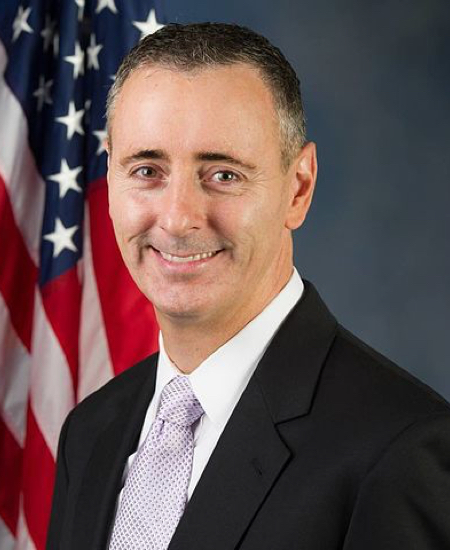
Brian K. Fitzpatrick
Brian K. Fitzpatrick House · District 1
R
Strong +
100% 7
Brittany Pettersen
Brittany Pettersen House · District 7
D
Strong +
100% 7
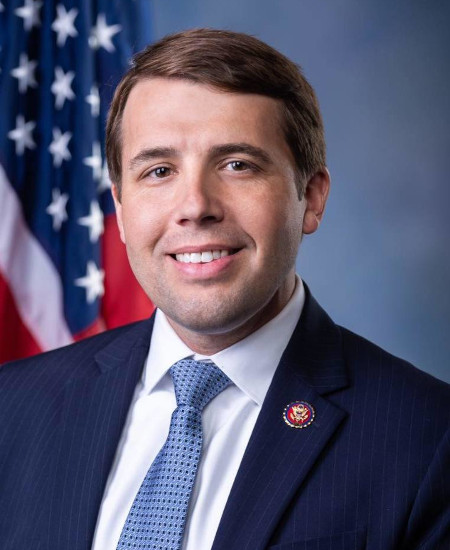
Chris Pappas
Chris Pappas House · District 1
D
Strong +
100% 7
Christopher H. Smith
Christopher H. Smith House · District 4
R
Strong +
100% 7
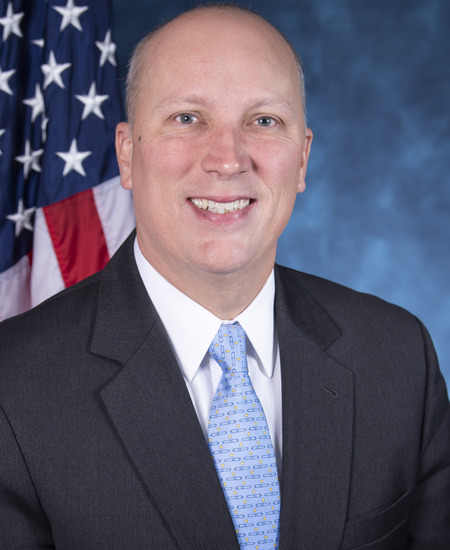
Chip Roy
Chip Roy House · District 21
R
Strong −
0% 7
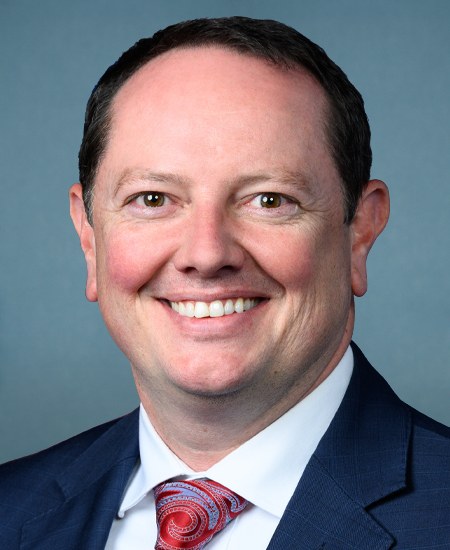
Eric Burlison
Eric Burlison House · District 7
R
Strong −
0% 7
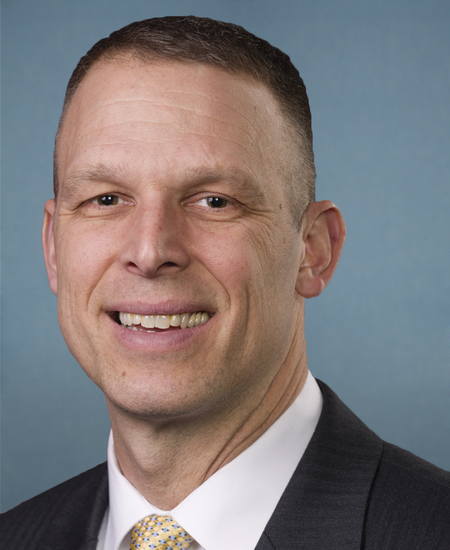
Scott Perry
Scott Perry House · District 10
R
Strong −
0% 7
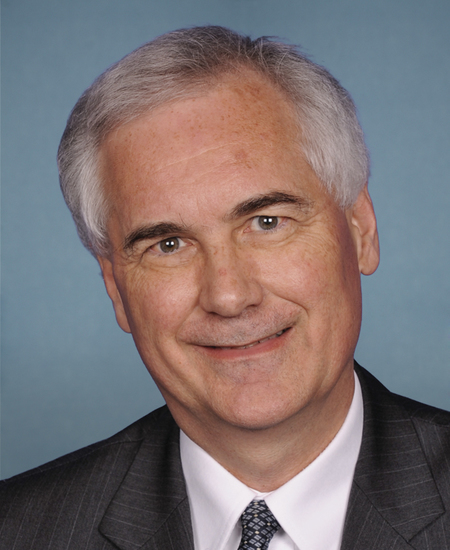
Tom McClintock
Tom McClintock House · District 5
R
Strong −
0% 7
Celeste Maloy
Celeste Maloy House · District 2
R
Strong −
0% 6
Showing 41–50 of 88 bills

All labor & employment bills

in committee · United States · House Nov 19, 2025

HR 6136: PURE Act

HR 6136, the PURE Act, amends the Labor-Management Reporting and Disclosure Act to require secret ballots for union elections where members choose representatives. It removes existing exceptions that allowed non-secret voting for certain union conventions or officer elections by deleting specific language from the law. This change directly affects union members and labor organizations participating in elections for representation or officers. The law takes effect 18 months after enactment, ensuring all such elections use secret ballots as the standard procedure.
in committee · United States · House Mar 14, 2025

HR 2126: FOCA Act of 2025

The FOCA Act of 2025 prohibits federal agencies from requiring or banning contractors from using union agreements in construction project bids or contracts. It directly affects federal agencies, contractors, and subcontractors working on federally funded or assisted construction projects (like buildings or infrastructure). The law requires bid documents to not favor or penalize contractors based on whether they have union agreements, aiming to promote open competition and prevent discrimination. This changes how agencies structure bids but does not affect union agreements themselves. The bill applies to all new contracts and subcontracts after enactment, with limited exemptions only for public health/safety emergencies or national security.
in committee · United States · Senate Feb 19, 2025

S 636: Public Safety Employer-Employee Cooperation Act

The Public Safety Employer-Employee Cooperation Act establishes minimum standards for collective bargaining rights for public safety employees, including law enforcement officers, firefighters, and emergency medical services personnel. It requires states to substantially provide specific rights such as forming labor organizations, negotiating terms of employment, and using binding interest arbitration to resolve disputes. The Federal Labor Relations Authority would determine if states meet these standards, and states that don't would be subject to federal regulations for public safety bargaining. The law also prohibits strikes and lockouts in public safety sectors while respecting existing state laws that provide stronger protections for these workers.
in committee · United States · House Mar 25, 2025

HR 2174: Paycheck Protection Act

HR 2174, the Paycheck Protection Act, prohibits federal agencies and the U.S. Postal Service from deducting labor organization dues, fees, or political contributions from employee paychecks. This bill directly affects federal employees and postal workers by ensuring these amounts are no longer withheld from their earnings. The key provision amends existing laws (Title 5 U.S.C. § 7115 and Title 39 U.S.C. § 1205) to explicitly ban such deductions. It does not change existing tax treatment of union dues or affect private-sector workers.
in committee · United States · House Jul 23, 2025

HR 4740: No Tax on Overtime for All Workers Act

This bill creates a federal tax deduction for certain overtime pay, making it non-taxable for eligible workers. It directly affects employees who earn overtime under the Fair Labor Standards Act (FLSA) or as specified in binding collective bargaining agreements, specifically pay exceeding 40 hours per workweek at 1.5x their regular rate. The key provision amends tax law to exclude this defined "qualified overtime compensation" from taxable income, removing federal income tax liability for those specific overtime earnings. The change applies to tax years beginning after December 31, 2024.
in committee · United States · Senate May 7, 2025

S 1650: VA Employee Fairness Act of 2025

S 1650, the VA Employee Fairness Act of 2025, modifies collective bargaining rules for Veterans Health Administration (VHA) employees. It removes existing subsections (b), (c), and (d) from Section 7422 of Title 38 and redesignates the current subsection (e) as (b). This change directly affects VHA health care workers who negotiate with management over wages, hours, and working conditions. The bill clarifies that these modifications do not impact the Secretary's existing authority over incentive pay and expedited hiring under Section 706 of Title 38.
in committee · United States · House Nov 19, 2025

HR 6139: Union Members Right to Know Act

This bill requires labor unions to provide members with key documents related to union operations and collective bargaining agreements. Specifically, unions must share copies of their contracts with employers (or post them online) within 18 months of enactment, and provide members with the union's constitution, bylaws, and a summary of the law itself - either by mail/email or via a website hyperlink. New members must receive these materials within 30 days of joining, while all members get annual updates. The law applies to all unions with employer contracts and mandates annual compliance reports to the Department of Labor.
in committee · United States · House Apr 18, 2025

HR 2357: Food Secure Strikers Act of 2025

HR 2357, the Food Secure Strikers Act of 2025, removes a restriction that previously barred workers on strike from receiving Supplemental Nutrition Assistance Program (SNAP) benefits. The bill amends the Food and Nutrition Act of 2008 to eliminate language making workers ineligible for SNAP "as a result of being on strike," ensuring striking workers are not automatically denied food assistance during labor disputes. This change directly affects workers participating in strikes who would otherwise lose access to SNAP benefits. The key mechanism updates the eligibility rules to prevent SNAP ineligibility solely due to strike participation.
in committee · United States · Senate Mar 4, 2025

S 844: Faster Labor Contracts Act

The Faster Labor Contracts Act requires employers and newly certified unions to begin negotiating an initial collective bargaining agreement within 10 days of a written request. If no agreement is reached within 90 days, the parties may request mediation from the Federal Mediation and Conciliation Service, which must act within 30 days. If mediation fails, the dispute moves to a binding arbitration panel whose decision - based on factors like employer finances, business type, and industry wages - remains enforceable for two years. This law directly affects employees represented by newly certified unions and their employers by reducing delays in securing first contracts, which historically averaged 465 days.
in committee · United States · Senate May 5, 2025

S 1597: Paycheck Protection Act

This bill prohibits federal agencies and the U.S. Postal Service from deducting labor organization dues, fees, or political contributions from employee paychecks. It directly affects federal workers and postal employees by ensuring their union dues are not automatically withheld from their pay. The key provision amends existing laws (5 U.S.C. § 7115 and 39 U.S.C. § 1205) to explicitly ban these payroll deductions. The policy change ensures employees retain full control over how they pay union dues, without automatic payroll withholding.
Showing 41 to 50 of 88 bills
Previous 1 4 5 6 9 Next