Issue · Labor & Employment

Labor & Employment (Labor Standards)

Every labor & employment bill, vote, and legislator stance in United States, automatically classified by Maddy, our AI policy reader.

Total bills
38
119th Congress
Top supporter
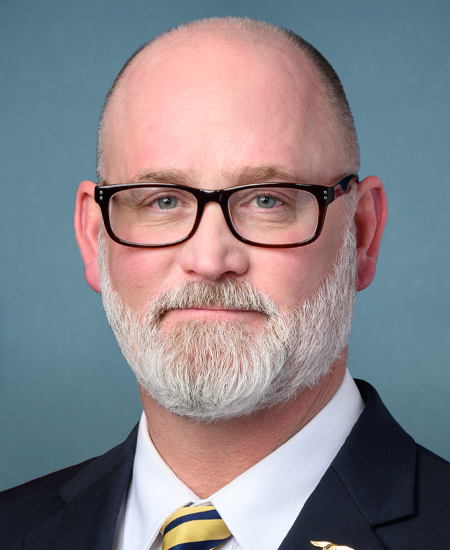
Derrick Van Orden
100% support rate
Top opponent
Julie Fedorchak
33% support rate
Ranked legislators
10
5 support · 5 oppose
Key legislators

Who's moving labor standards in United States

Legislators moving labor standards in United States
Legislator Party Stance Support rate Votes
Derrick Van Orden
Derrick Van Orden House · District 3
R
Strong +
100% 3
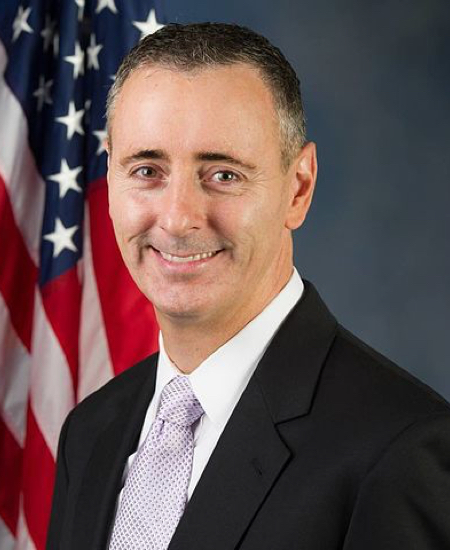
Brian K. Fitzpatrick
Brian K. Fitzpatrick House · District 1
R
Strong +
86% 7
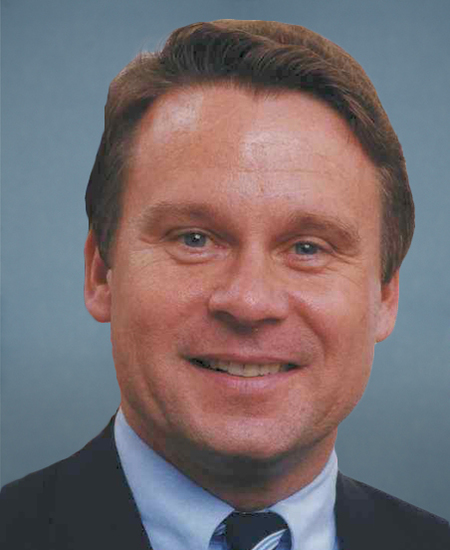
Christopher H. Smith
Christopher H. Smith House · District 4
R
Strong +
86% 7
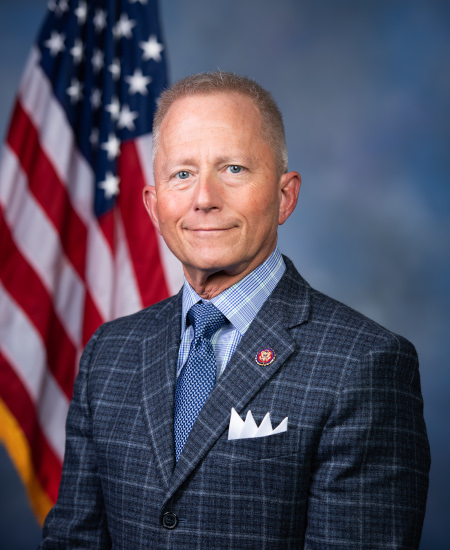
Jefferson Van Drew
Jefferson Van Drew House · District 2
R
Strong +
86% 7
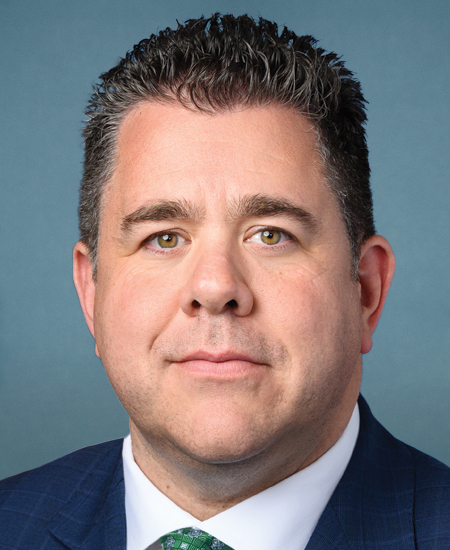
Nick LaLota
Nick LaLota House · District 1
R
Strong +
86% 7
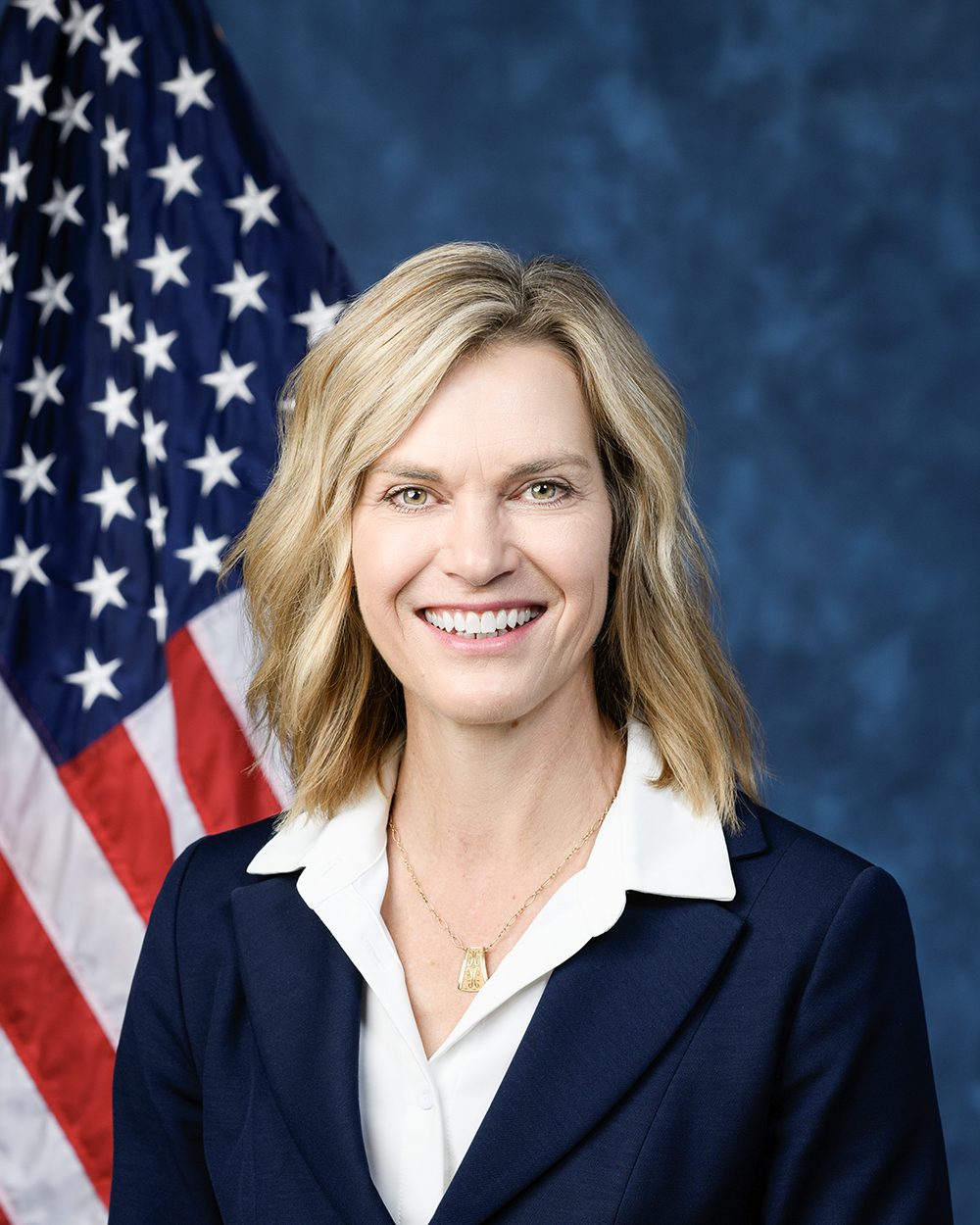
Julie Fedorchak
Julie Fedorchak House · District At-Large
R
Oppose
33% 6
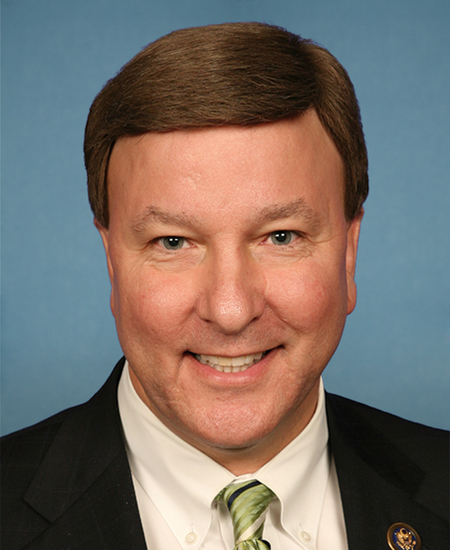
Mike Rogers
Mike Rogers House · District 3
R
Oppose
33% 6
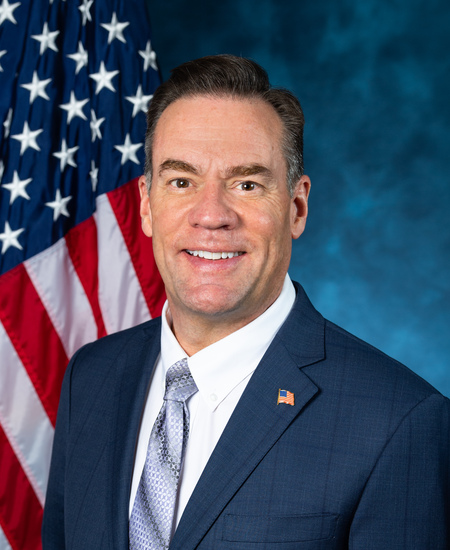
Russ Fulcher
Russ Fulcher House · District 1
R
Oppose
33% 6
Gregory F. Murphy
Gregory F. Murphy House · District 3
R
Oppose
33% 3
Wesley Hunt
Wesley Hunt House · District 38
R
Oppose
33% 3
Showing 21–30 of 38 bills

All labor & employment bills

in committee · United States · House Feb 11, 2025

HR 1193: Future in Logging Careers Act

This bill amends the Fair Labor Standards Act to create child labor exemptions for specific logging work. It allows 16- and 17-year-olds to work in mechanized timber harvesting operations (like felling, processing, and transporting timber using machinery) that the Secretary of Labor deems particularly hazardous, provided the employer is not owned or operated by a parent or guardian. The exemption applies to jobs involving equipment such as feller-bunchers, forwarders, and whole tree processors, but excludes children working for non-family-owned logging businesses. It does not create new career programs but modifies existing child labor restrictions for certain logging occupations.
failed · United States · House Jan 13, 2026

HR 2262: Flexibility for Workers Education Act

Flexibility for Workers Education Act This bill modifies the definition of hours worked under the Fair Labor Standards Act to exclude certain voluntary training that occurs outside an employee's regular working hours. Such training does not count as hours worked even if it is offered by the employer, provided that an employee's working conditions are not adversely affected by choosing not to participate and the employee does not perform any work for the employer during the training.
in committee · United States · House Sep 8, 2026

HR 5267: American Franchise Act

HR 5267, the American Franchise Act, clarifies when franchisors can be considered joint employers of franchisee employees under federal labor laws. It defines "substantial direct and immediate control" over essential employment terms like wages, benefits, hours, hiring, and discipline - requiring franchisors to actively set these terms to be deemed joint employers. The bill explicitly excludes routine brand standards, training, or minimal safety requirements from constituting such control. This directly affects franchisors and franchisees by limiting joint employer liability to cases where franchisors exert significant, ongoing influence over core employment decisions. The law applies prospectively to new cases after enactment, not past disputes.
Sub-Topics Labor Standards
passed · United States · House Jan 13, 2026

HR 4366: Save Local Business Act

Save Local Business Act This bill provides that a person may be considered a joint employer of the employees of another employer under federal labor law only if such person directly, actually, and immediately exercises significant control over the essential terms and conditions of employment. Such control may by demonstrated by hiring and discharging employees; determining individual employee rates of pay and benefits; day-to-day supervision of employees; assigning individual work schedules, positions, or tasks; or administering employee discipline.
in committee · United States · House Feb 26, 2025

HR 1624: Supporting Farm Operations Act of 2025

This bill freezes the minimum wage rate for H-2A agricultural workers at the level effective in each state on December 31, 2023, through December 31, 2026. It directly affects farms hiring H-2A visa workers and the workers themselves by maintaining current wage requirements. The bill clarifies that wage determination for these workers will use a "primary duties evaluation" to assess their main job tasks, rather than all duties performed. This provides stability in wage calculations for agricultural employers and workers during the specified period.
in committee · United States · Senate Apr 7, 2025

S 1313: No Union Time on the Taxpayer's Dime Act

This bill eliminates "official time" for federal employees, meaning they can no longer use regular work hours to perform union-related activities. It directly affects federal workers who are union members, requiring them to handle union business during non-duty time instead of paid work hours. The key provision amends Title 5 of the U.S. Code to change the rule governing union activities during work time. This is a procedural change to federal employment law, not a new policy affecting the public or specific industries.
in committee · United States · House Oct 31, 2025

HR 5884: TASK Act

HR 5884, the TASK Act, amends the Fair Labor Standards Act to exclude certain vocational students from being classified as "employees." It specifically exempts students performing work required by their postsecondary vocational program to earn a recognized credential (as defined by federal education law) from FLSA protections like minimum wage. This means schools can assign these training tasks without paying students the federal minimum wage. The bill directly affects students in structured vocational programs at colleges or institutions covered under the Higher Education Act.
in committee · United States · House Feb 12, 2025

HR 1232: National Right-to-Work Act

HR 1232, the National Right-to-Work Act, would make union membership voluntary for workers in most private-sector jobs by removing legal requirements for employees to join a union or pay dues as a condition of employment. It directly affects workers in unionized workplaces covered by the National Labor Relations Act (including most private employers) and railroad workers covered by the Railway Labor Act. The key change eliminates provisions that allowed "union security agreements" (requiring dues or membership), meaning workers could no longer be forced to pay union fees to keep their jobs. This bill does not change other labor rights or create new programs - it only modifies existing laws to allow workers to opt out of union membership and financial obligations.
in committee · United States · Senate Nov 5, 2025

S 3111: Small Businesses before Bureaucrats Act

The Small Businesses before Bureaucrats Act raises the dollar threshold that determines when the National Labor Relations Board (NLRB) declines jurisdiction over labor disputes involving small businesses. Starting in 2026, the threshold will be set at 10 times the current threshold, and for future years, it will adjust annually using the Personal Consumption Expenditure Per Capita Index to account for inflation. This change means more small businesses will fall below the threshold and avoid NLRB oversight for labor disputes, directly affecting small business owners and the NLRB's jurisdictional decisions. The bill takes effect on or after January 1, 2026, or the bill's enactment date, whichever is later.
Sub-Topics Collective Bargaining Gig Economy Labor Standards Tags Small Business
in committee · United States · House Jan 7, 2025

HR 240: Protect Local Farms Act

HR 240, the Protect Local Farms Act, amends federal labor law to override certain state regulations affecting agricultural workers. It adds a provision stating that federal overtime rules preempt any state law setting a maximum workweek of less than 60 hours for farm employees. This means states with stricter rules (like limiting workweeks to 50 or 55 hours) would no longer be able to enforce those limits for agricultural workers. The bill directly affects farm employees in states that currently have shorter workweek requirements under their own laws.
Showing 21 to 30 of 38 bills
Previous 1 2 3 4 Next