Issue · Labor & Employment

Labor & Employment (Labor Standards)

Every labor & employment bill, vote, and legislator stance in United States, automatically classified by Maddy, our AI policy reader.

Total bills
295
119th Congress
Top supporter
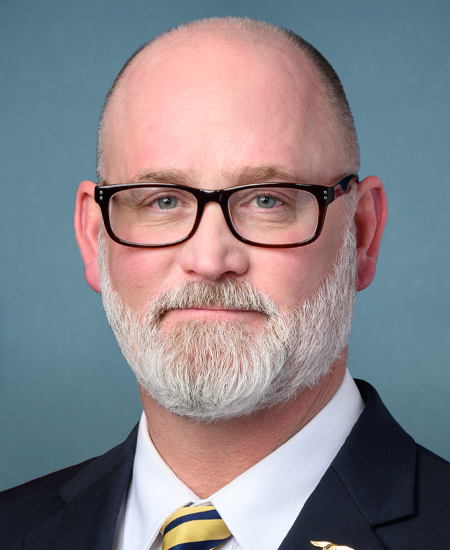
Derrick Van Orden
100% support rate
Top opponent
Julie Fedorchak
33% support rate
Ranked legislators
10
5 support · 5 oppose
Key legislators

Who's moving labor standards in United States

Legislators moving labor standards in United States
Legislator Party Stance Support rate Votes
Derrick Van Orden
Derrick Van Orden House · District 3
R
Strong +
100% 3
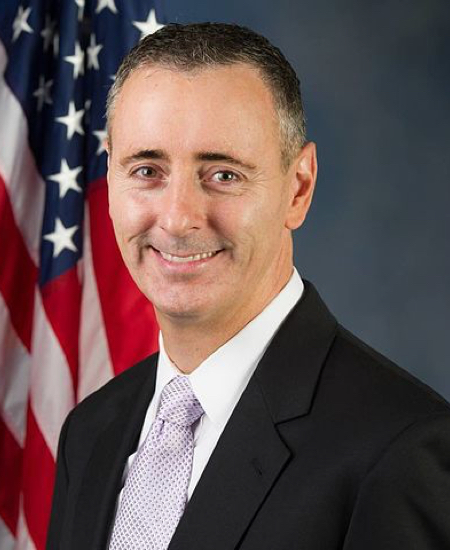
Brian K. Fitzpatrick
Brian K. Fitzpatrick House · District 1
R
Strong +
86% 7
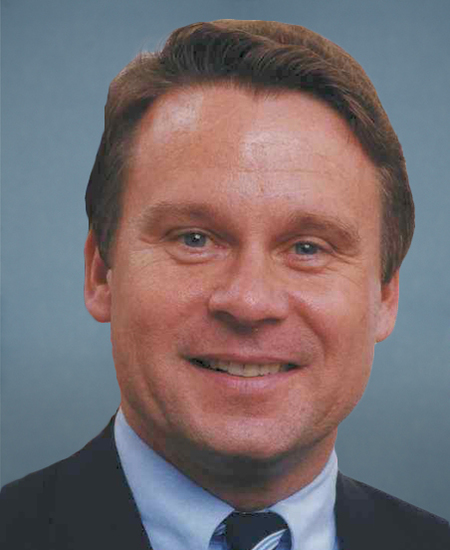
Christopher H. Smith
Christopher H. Smith House · District 4
R
Strong +
86% 7
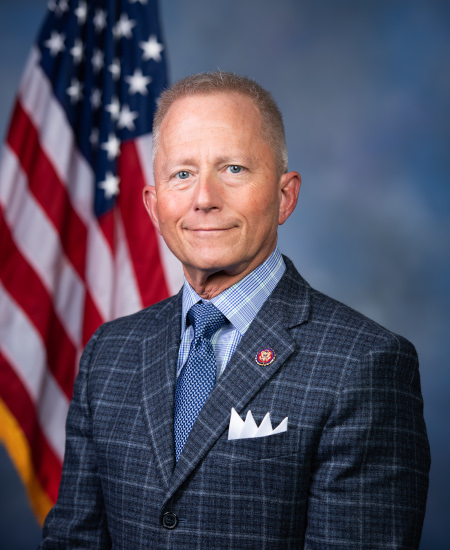
Jefferson Van Drew
Jefferson Van Drew House · District 2
R
Strong +
86% 7
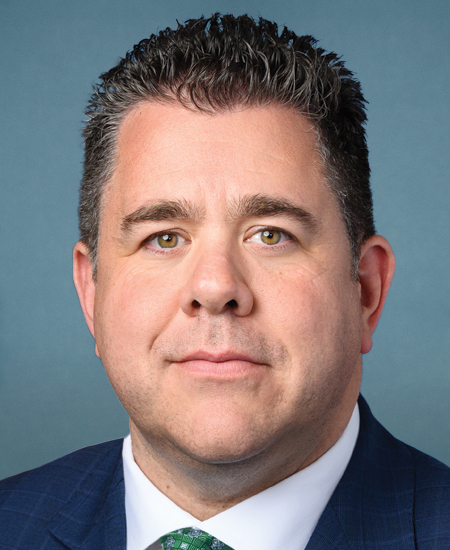
Nick LaLota
Nick LaLota House · District 1
R
Strong +
86% 7
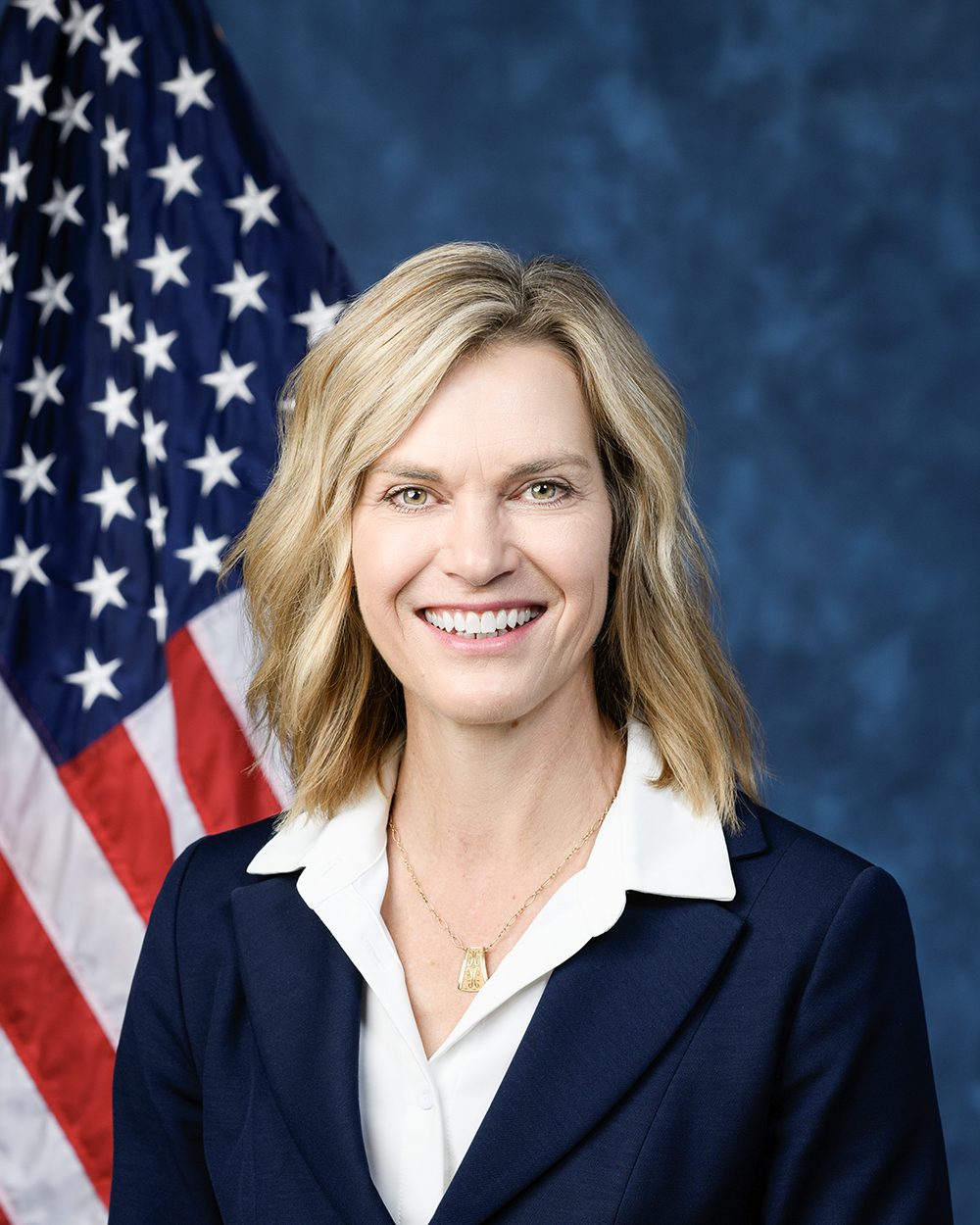
Julie Fedorchak
Julie Fedorchak House · District At-Large
R
Oppose
33% 6
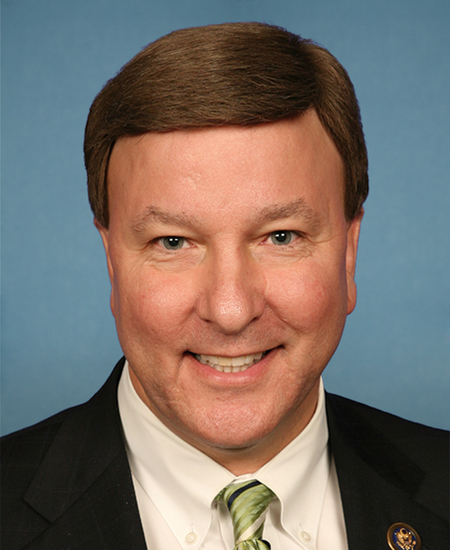
Mike Rogers
Mike Rogers House · District 3
R
Oppose
33% 6
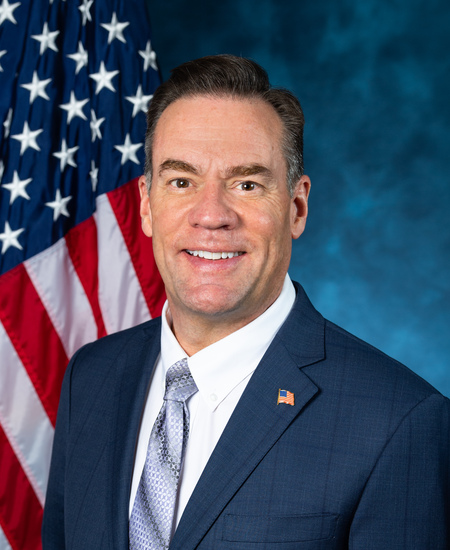
Russ Fulcher
Russ Fulcher House · District 1
R
Oppose
33% 6
Gregory F. Murphy
Gregory F. Murphy House · District 3
R
Oppose
33% 3
Wesley Hunt
Wesley Hunt House · District 38
R
Oppose
33% 3
Showing 251–260 of 295 bills

All labor & employment bills

in committee · United States · House Dec 10, 2025

HR 6597: LET’S Protect Workers Act

HR 6597, the LET’S Protect Workers Act, increases civil penalties for employers violating key labor laws to strengthen worker protections. It raises fines for child labor violations to up to $700,000 per incident causing death or serious injury, and doubles penalties for repeated wage/hour violations (up to $50,000 per violation). The bill also significantly boosts OSHA penalties (e.g., up to $800,000 for serious violations), adds new retaliation penalties for mine safety violations (up to $200,000 for repeat offenses), and clarifies that recordkeeping violations continue until corrected. These changes apply to employers across sectors, including manufacturing, agriculture, and mining, under the Fair Labor Standards Act, Occupational Safety and Health Act, and Mine Safety Act.
in committee · United States · Senate Jul 28, 2025

S 2488: Empowering App-Based Workers Act

This bill establishes new transparency and accountability requirements for digital labor platforms (like ride-hail and delivery apps) that currently misclassify workers as independent contractors. It requires platforms to disclose how algorithms determine pay and work assignments, provides detailed pay statements showing the "take rate" (the percentage of consumer payments kept by the platform), and caps the take rate at 25% for ride-hail services. The bill directly affects app-based workers (such as drivers and delivery personnel) and the platforms they work for, aiming to address wage theft, lack of benefits, and algorithmic opacity. It also includes whistleblower protections for workers who report violations and mandates platforms to report demographic and compensation data to the government.
in committee · United States · Senate Jul 16, 2025

S 2298: Asunción Valdivia Heat Illness, Injury, and Fatality Prevention Act of 2025

S 2298, the Asunción Valdivia Heat Illness, Injury, and Fatality Prevention Act of 2025, requires employers to prevent heat-related harm to workers. It mandates the Secretary of Labor to create binding standards within one year of enactment, including requirements for employers to provide cool water, scheduled rest breaks, shade, heat illness training, and engineering controls (like ventilation) to reduce heat exposure. These standards directly affect workers in high-heat occupations (e.g., construction, agriculture) and their employers, who must implement specific protective measures like hydration plans, cooling equipment, and supervisor training on recognizing heat illness symptoms. The bill also includes whistleblower protections for workers reporting safety violations and requires ongoing data collection to assess the standards' effectiveness.
in committee · United States · House Apr 7, 2025

HR 2692: No Tax Breaks for Union Busting (NTBUB) Act

The No Tax Breaks for Union Busting Act would deny tax deductions for employers who spend money to influence employees' decisions about union activities, such as union elections or collective bargaining. It defines "labor organization activities" broadly to include union elections, labor disputes, and collective actions. The bill requires employers to report such spending on tax returns and prevents them from deducting these expenses from taxable income. This would apply to employers using tactics like captive audience meetings, outside consultants, or other efforts to sway workers' union decisions. The policy aims to remove tax incentives for employers to interfere with workers' rights under labor law.
in committee · United States · House Jan 3, 2025

HR 122: Original LAW Act

HR 122, the Original LAW Act, proposes a phased increase to the federal minimum wage, starting at $10.59 per hour in 2026 and rising to $26.59 per hour by 2030. It establishes an automatic adjustment mechanism where the Secretary of Labor must set the minimum wage every seven years starting in 2031, ensuring it equals 40% above the Federal supplemental poverty threshold for a renter family of four with two children. This bill directly affects all workers covered under the Fair Labor Standards Act who earn the federal minimum wage. The law requires the wage to be adjusted annually based on poverty threshold data published by the Bureau of Labor Statistics, aiming to align wages with living costs.
in committee · United States · Senate Nov 6, 2025

S 3115: NLRB Stability Act

The NLRB Stability Act (S 3115) amends the National Labor Relations Act to clarify court procedures for labor disputes. It requires that National Labor Relations Board (NLRB) cases involving alleged unfair labor practices be filed in the specific U.S. Court of Appeals for the circuit where the alleged violation occurred, or in the D.C. Circuit. The bill also adds a provision stating that NLRB orders must not conflict with decisions from the relevant federal appeals court. This changes venue rules to simplify where cases are heard, directly affecting employers, unions, and the NLRB in labor practice disputes.
in committee · United States · Senate May 6, 2025

S 1606: Overtime Wages Tax Relief Act

The Overtime Wages Tax Relief Act would create a new tax deduction for eligible workers, allowing them to subtract up to $10,000 of their overtime pay (or $20,000 for joint tax returns) from their taxable income. This deduction phases out for higher earners, reducing by $50 for every $1,000 their income exceeds $100,000 (or $200,000 for joint returns). To qualify, overtime pay must be at 1.5 times the regular rate for hours worked beyond 40 in a week, as defined by the Fair Labor Standards Act or a collective bargaining agreement. The bill also requires employers to report overtime pay on tax forms and adjusts withholding procedures, effective for tax years beginning after December 31, 2025.
in committee · United States · House Jul 16, 2025

HR 4443: Asunción Valdivia Heat Illness, Injury, and Fatality Prevention Act of 2025

This bill establishes federal worker heat protection standards to prevent heat-related illness and injury. It requires employers to provide a workplace free from heat stress hazards, including access to cool water, scheduled rest breaks, shaded cooling areas, and training on heat illness symptoms. The Secretary of Labor must create these standards within one year, incorporating evidence-based practices like engineering controls (e.g., ventilation), administrative measures (e.g., adjusted schedules), and employer-paid personal protective equipment. The law directly affects all employers in high-heat work environments - such as construction, agriculture, and manufacturing - and strengthens whistleblower protections for workers reporting safety violations.
in committee · United States · Senate Jul 31, 2025

S 2568: Protecting American Jobs Act

This bill amends the National Labor Relations Act to shift labor dispute resolution from the National Labor Relations Board (NLRB) to federal courts. It eliminates the NLRB’s authority to investigate unfair labor practice charges or file complaints, requiring workers or unions to instead file civil lawsuits in federal court for issues like retaliation or union interference. The NLRB’s rulemaking power is also restricted to internal operations, prohibiting it from creating rules affecting workers’ or employers’ substantive rights. This directly affects workers, unions, and employers involved in labor disputes, as it changes how allegations of unfair labor practices are addressed. The bill also mandates the NLRB to review and revise existing regulations within six months to align with these changes.
in committee · United States · House Jul 25, 2025

HR 4771: Transformation to Competitive Integrated Employment Act

This bill transitions individuals with disabilities from segregated employment under special certificates (which allow subminimum wages) to competitive integrated employment with fair wages. It creates grant programs for states and employers to facilitate this transition, requiring employers to pay at least minimum wage (increasing over time) and providing necessary supports. The bill phases out special certificates entirely within 4 years, while ensuring individuals with disabilities receive ongoing support during the transition. It also establishes evaluation requirements to track progress and ensure compliance with the new standards.
Sub-Topics Labor Standards Minimum Wage Tags People with Disabilities
Showing 251 to 260 of 295 bills
Previous 1 25 26 27 30 Next