Issue · Labor & Employment

Labor & Employment (Labor Standards)

Every labor & employment bill, vote, and legislator stance in United States, automatically classified by Maddy, our AI policy reader.

Total bills
257
119th Congress
Top supporter
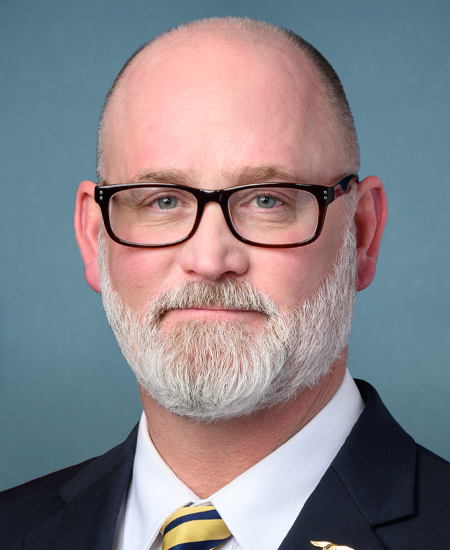
Derrick Van Orden
100% support rate
Top opponent
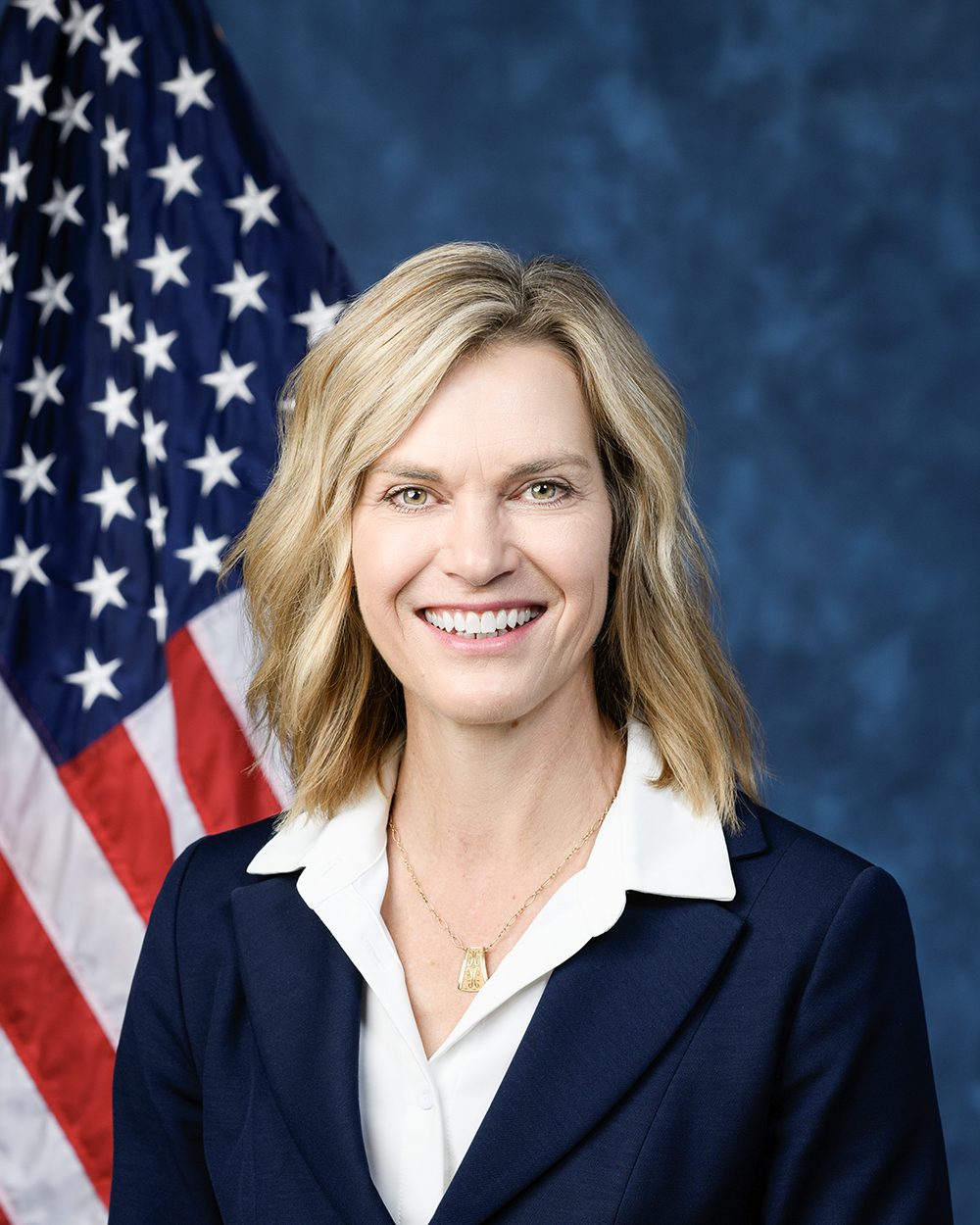
Julie Fedorchak
33% support rate
Ranked legislators
10
5 support · 5 oppose
Key legislators

Who's moving labor standards in United States

Legislators moving labor standards in United States
Legislator Party Stance Support rate Votes
Derrick Van Orden
Derrick Van Orden House · District 3
R
Strong +
100% 3
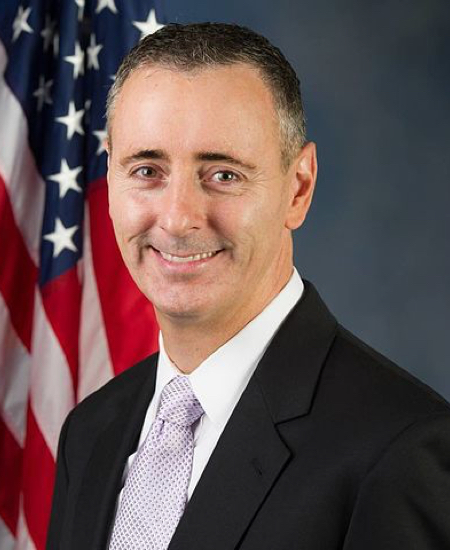
Brian K. Fitzpatrick
Brian K. Fitzpatrick House · District 1
R
Strong +
86% 7
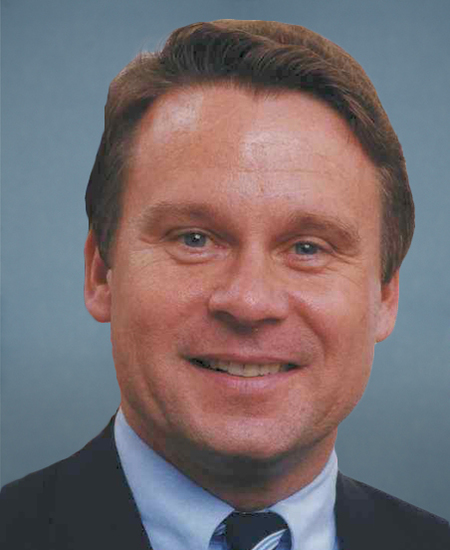
Christopher H. Smith
Christopher H. Smith House · District 4
R
Strong +
86% 7
Jefferson Van Drew
Jefferson Van Drew House · District 2
R
Strong +
86% 7
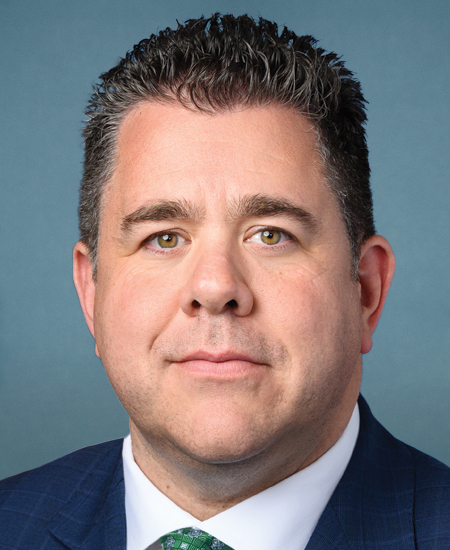
Nick LaLota
Nick LaLota House · District 1
R
Strong +
86% 7
Julie Fedorchak
Julie Fedorchak House · District At-Large
R
Oppose
33% 6
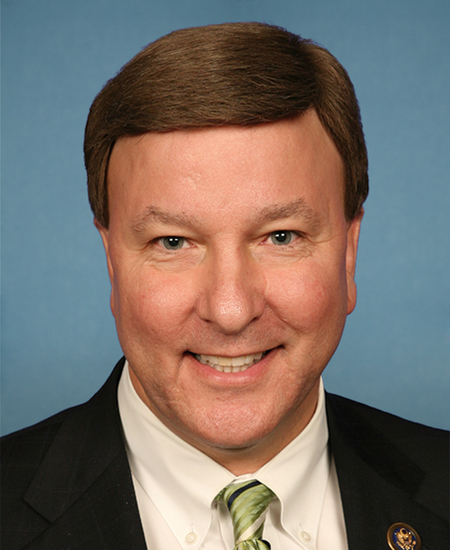
Mike Rogers
Mike Rogers House · District 3
R
Oppose
33% 6
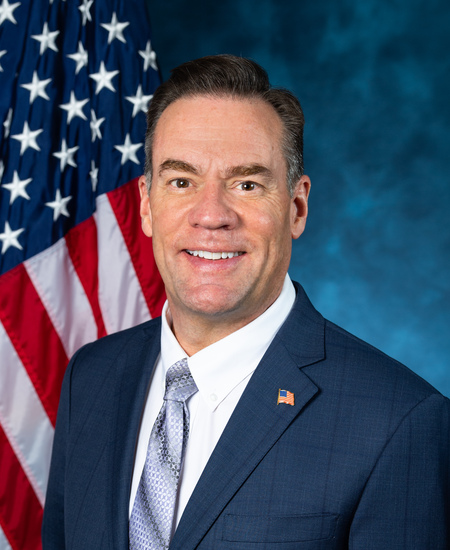
Russ Fulcher
Russ Fulcher House · District 1
R
Oppose
33% 6
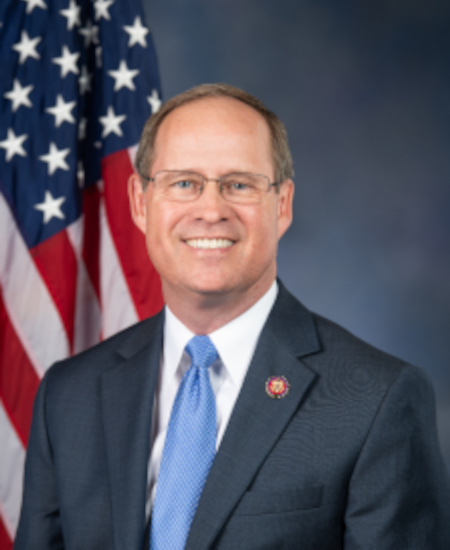
Gregory F. Murphy
Gregory F. Murphy House · District 3
R
Oppose
33% 3
Wesley Hunt
Wesley Hunt House · District 38
R
Oppose
33% 3
Showing 251–257 of 257 bills

All labor & employment bills

in committee · United States · Senate Mar 10, 2025

S 920: Preventing Child Labor Exploitation in Federal Contracting Act

This bill requires federal contractors and their subcontractors to annually certify whether they or their subcontractors have been found liable for child labor violations under the Fair Labor Standards Act within the past three years. Entities that fail to address such violations face exclusion from federal contracts for at least four years, with their names publicly listed in the System for Award Management. The law mandates that contractors submit these certifications as part of the bidding process, and agencies must withhold contracts from non-compliant entities or those using non-compliant subcontractors. It also increases civil penalties for child labor violations in federal contracting and directs a GAO study on the prevalence of such violations among contractors.
in committee · United States · Senate Dec 9, 2025

S 3396: Domestic Workers Bill of Rights Act

This bill establishes comprehensive labor protections for domestic workers, including house cleaners, nannies, personal care aides, and other employees working in private homes. It directly affects approximately 2.2 million domestic workers, predominantly women of color and immigrants who have historically been excluded from key labor protections. Key provisions include requiring written employment agreements outlining wages and hours, providing earned sick days for health and safety needs, establishing fair scheduling practices with advance notice requirements, protecting privacy rights, and prohibiting unfair wage deductions. The bill also extends civil rights protections under Title VII of the Civil Rights Act to domestic workers and creates a Domestic Employee Standards Board to recommend workplace standards.
in committee · United States · Senate Jul 14, 2025

S 2267: Ensuring Workers Get PAID Act of 2025

This bill makes the Department of Labor's voluntary Payroll Audit Independent Determination (PAID) pilot program permanent. It allows employers to self-audit unintentional violations of minimum wage or overtime rules under the Fair Labor Standards Act (FLSA), submit detailed payroll data to the Labor Department, and pay back wages to affected employees directly. Employees receive settlement offers they can accept (waiving future lawsuits) or decline while retaining their right to sue. The program aims to resolve wage issues faster and more efficiently than traditional enforcement, as shown in the pilot's data where self-audits paid more back wages per case and per enforcement hour than standard investigations. It directly affects employers covered by the FLSA and their employees who may have unpaid wages.
in committee · United States · House Sep 11, 2025

HR 5338: Union Auto Workers Job Protection Act

HR 5338, the Union Auto Workers Job Protection Act, requires federal agencies to mandate detailed labor and safety information from contractors bidding on vehicle assembly contracts. Specifically, bidders must disclose plant locations, average/minimum/maximum wages, temporary worker counts, and any labor (NLRB) or safety (OSHA) violations at each facility. This applies directly to motor vehicle assembly employers (like auto plants) and affects federal contracts for vehicle assembly. The bill also prohibits federal spending on delivery vehicles unless contractors agree to remain neutral in union organizing and comply with union neutrality agreements, as seen in the Postal Service's Oshkosh Defense contract.
in committee · United States · Senate Feb 12, 2026

S 3867: Holiday Pay Act

This bill requires most private employers to pay non-exempt workers 1.5 times their regular hourly rate for work performed on federal holidays. It applies to employees in jobs involving commerce or production for commerce (covering most private-sector hourly workers), excluding certain exempt positions like managers. The law amends the federal minimum wage law to add holiday pay as a new requirement, alongside existing overtime rules. Employers must pay this premium for all federal holidays listed under 5 U.S.C. 6103(a), such as New Year’s Day and Independence Day.
in committee · United States · Senate May 13, 2025

S 1742: Children Don't Belong on Tobacco Farms Act

This bill amends the Fair Labor Standards Act to prohibit children under 18 from having direct contact with tobacco plants or dried tobacco leaves on farms. It directly affects minors working in tobacco agriculture by adding this restriction to existing labor protections. The key change modifies the law to explicitly exclude tobacco-related farming from exemptions that previously allowed minors in certain manufacturing or mining roles. This creates a clear policy change banning underage labor in direct tobacco handling on farms.
in committee · United States · House Dec 17, 2025

HR 6786: Schedules That Work Act

The Schedules That Work Act would require employers in retail, food service, hospitality, cleaning, and warehouse sectors to provide workers with 14 days' advance notice of their schedules and pay predictability wages for last-minute changes. It allows employees to request schedule changes related to caregiving responsibilities, health conditions, education, or other jobs, with employers required to engage in good-faith discussions about such requests. The bill prohibits retaliation against employees who request schedule changes and mandates written notice of schedule changes and predictability pay. It applies to employers with 15 or more employees in covered sectors, aiming to address widespread issues with unpredictable schedules that negatively impact workers' ability to care for family members, maintain housing stability, and access health care.
Showing 251 to 257 of 257 bills
Previous 1 24 25 26