Issue · Labor & Employment

Labor & Employment (Labor Standards)

Every labor & employment bill, vote, and legislator stance in United States, automatically classified by Maddy, our AI policy reader.

Total bills
295
119th Congress
Top supporter
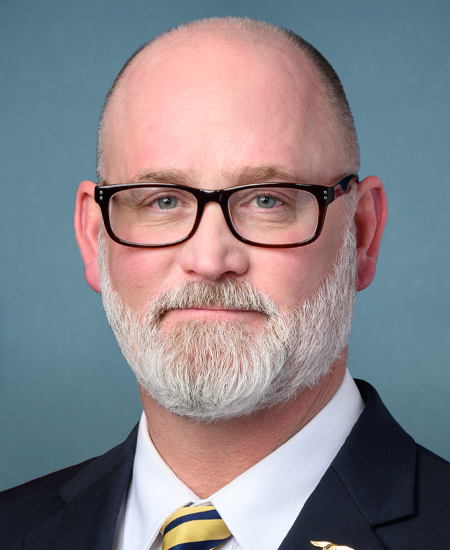
Derrick Van Orden
100% support rate
Top opponent
Julie Fedorchak
33% support rate
Ranked legislators
10
5 support · 5 oppose
Key legislators

Who's moving labor standards in United States

Legislators moving labor standards in United States
Legislator Party Stance Support rate Votes
Derrick Van Orden
Derrick Van Orden House · District 3
R
Strong +
100% 3
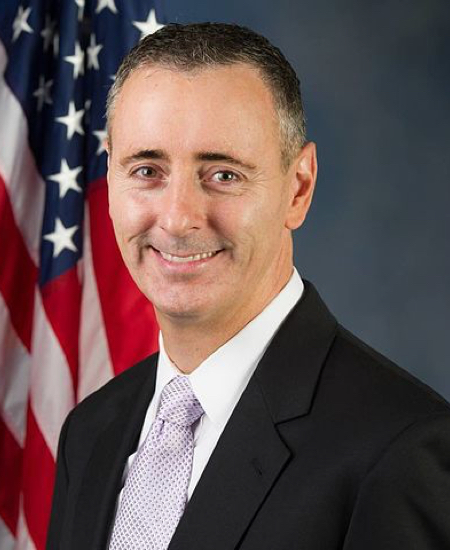
Brian K. Fitzpatrick
Brian K. Fitzpatrick House · District 1
R
Strong +
86% 7
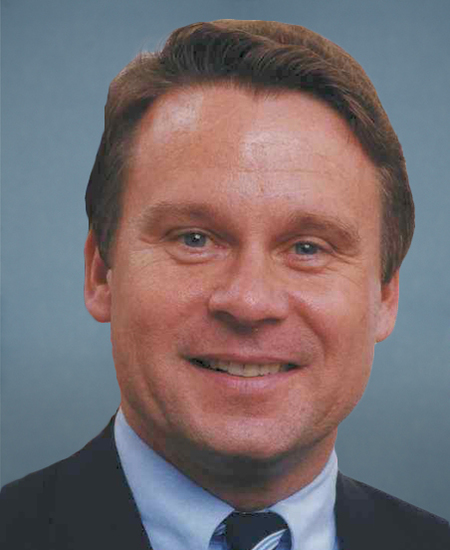
Christopher H. Smith
Christopher H. Smith House · District 4
R
Strong +
86% 7
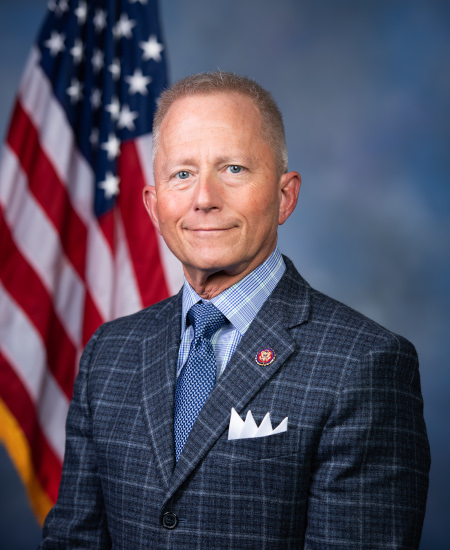
Jefferson Van Drew
Jefferson Van Drew House · District 2
R
Strong +
86% 7
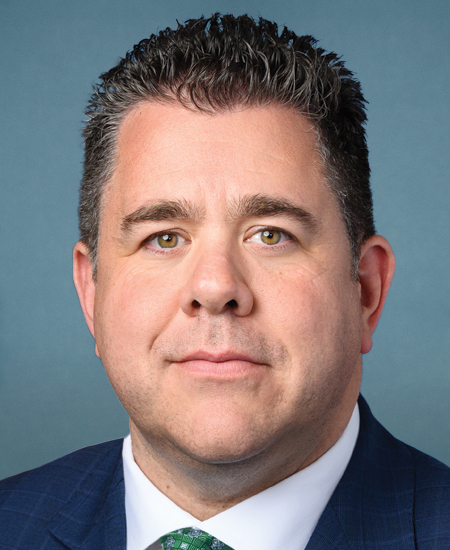
Nick LaLota
Nick LaLota House · District 1
R
Strong +
86% 7
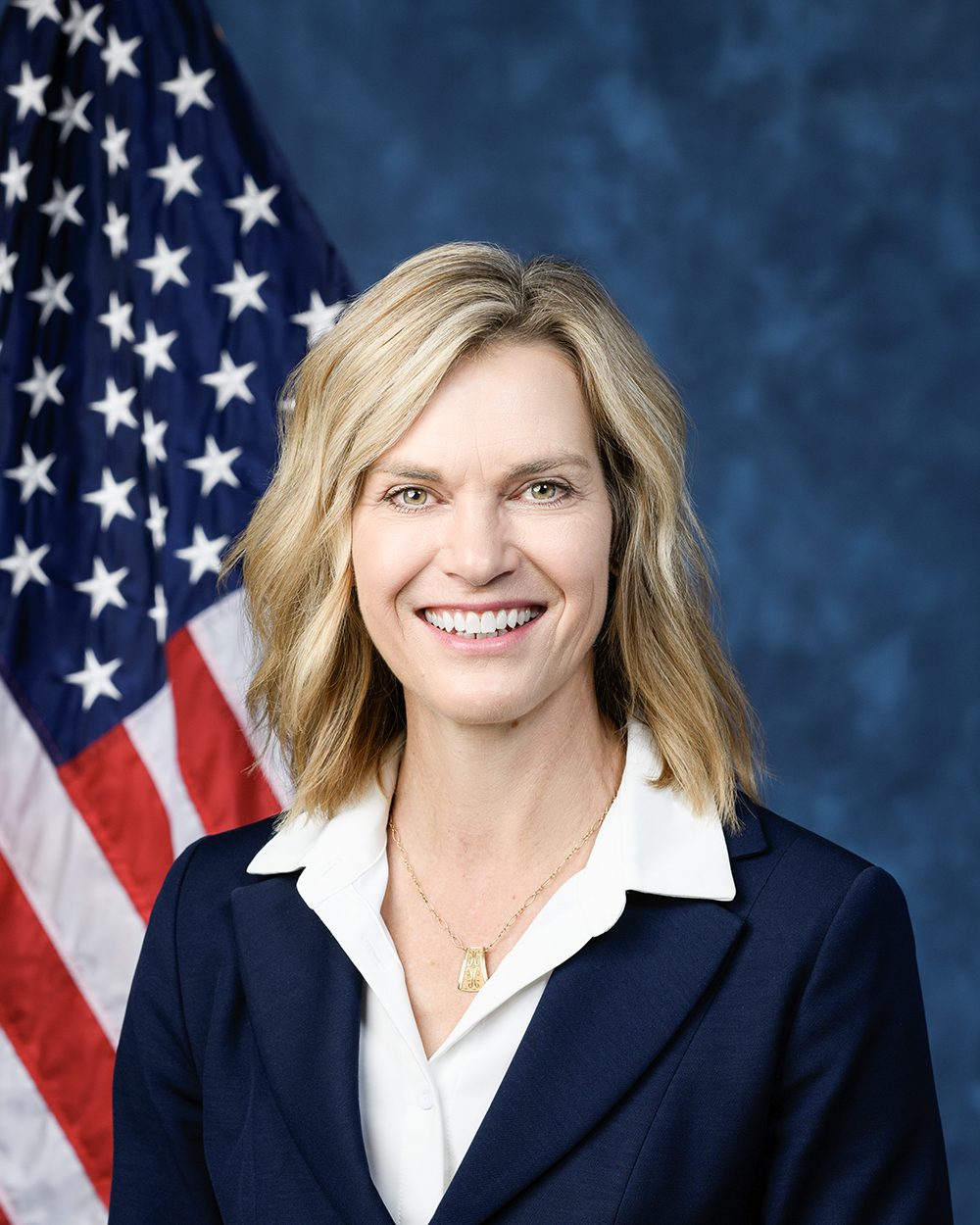
Julie Fedorchak
Julie Fedorchak House · District At-Large
R
Oppose
33% 6
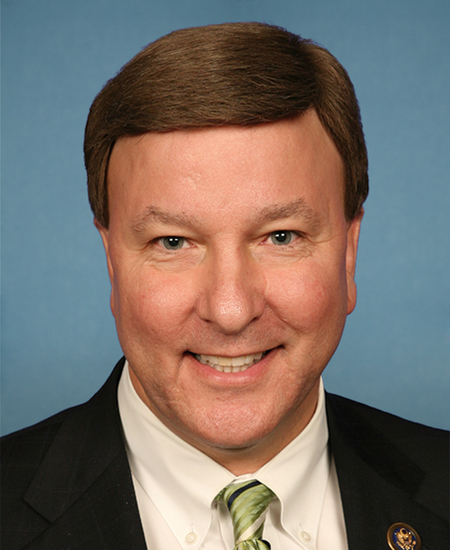
Mike Rogers
Mike Rogers House · District 3
R
Oppose
33% 6
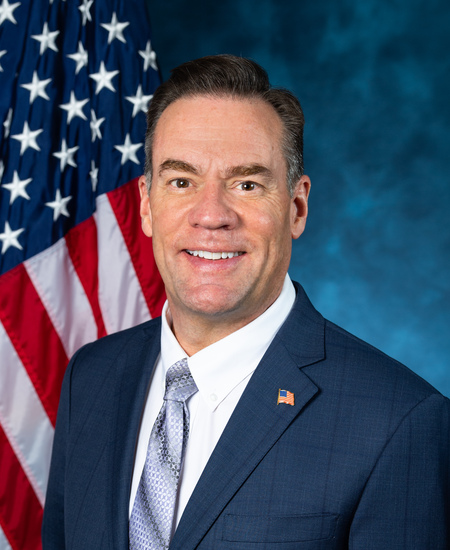
Russ Fulcher
Russ Fulcher House · District 1
R
Oppose
33% 6
Gregory F. Murphy
Gregory F. Murphy House · District 3
R
Oppose
33% 3
Wesley Hunt
Wesley Hunt House · District 38
R
Oppose
33% 3
Showing 241–250 of 295 bills

All labor & employment bills

in committee · United States · House Feb 10, 2026

HR 7471: Give America a Raise Act

The Give America a Raise Act raises the federal minimum wage in a phased schedule: starting at $10.00 per hour, increasing to $13.00 after one year, $16.50 after two years, and $20.00 after three years. After the fourth year, the wage would automatically adjust annually based on the higher of inflation (CPI) or GDP growth. It eliminates the separate lower minimum wage for tipped workers (currently $2.13/hour) by phasing it to match the standard minimum wage by year six, and ends the sub-minimum wage for workers under 20 years old by year six. The bill also phases out special certificates allowing sub-minimum wages for workers with disabilities, requiring full minimum wage by year six while providing transition support. This directly affects all covered hourly workers, employers, and current recipients of sub-minimum wage arrangements under existing law.
in committee · United States · Senate Apr 3, 2025

S 1301: Tribal Labor Sovereignty Act of 2025

This bill amends the National Labor Relations Act to explicitly include Indian Tribes and their enterprises operating on tribal lands under federal labor law. It defines "employer" to cover tribal governments and tribal-owned businesses on Indian lands, directly affecting tribal governments and their workplaces. Key provisions add specific definitions for "Indian Tribe," "Indian," and "Indian lands" to clarify which entities and locations fall under the law. This change brings tribal employers on reservation or trust lands under the same federal labor protections as other employers, expanding the scope of the National Labor Relations Act.
Sub-Topics Collective Bargaining Labor Standards Tags Tribal Nations
in committee · United States · House Apr 8, 2025

HR 2676: No Union Time on the Taxpayer’s Dime Act

This bill amends Title 5 of the U.S. Code to eliminate "official time" for federal employees engaging in union activities. It requires employees to perform all union-related work during non-duty time (e.g., personal time, not paid work hours), directly affecting federal workers who are union members. The key provision changes Section 7131 to state that any labor organization business must occur when employees are in a non-duty status. This policy shift removes the previous allowance for using paid work time for union duties, making it a concrete change to federal employment rules.
in committee · United States · House Jun 12, 2025

HR 3997: Protecting Children Act

The Protecting Children Act increases penalties for employers violating child labor laws, raising civil penalties to as much as $700,000 for serious violations involving children and doubling or tripling penalties for violations that cause harm to young workers. It establishes a National Advisory Committee on Child Labor to advise federal agencies and creates a fund using penalty collections to support enforcement, research, and education about child labor. The bill updates processes for reviewing hazardous occupations for children and requires annual reports on child labor enforcement activities, statistics, and the effectiveness of protections. These provisions directly affect employers who hire children, children working in hazardous conditions, and federal agencies responsible for labor and safety enforcement.
Sub-Topics Child Labor Labor Standards Workplace Safety Tags Children
in committee · United States · Senate Feb 5, 2025

S 437: Caring for All Families Act

The Caring for All Families Act expands family medical leave eligibility under the FMLA to include domestic partners, in-laws, grandparents, grandchildren, siblings, and others with a "close association equivalent to a family relationship." It adds a new provision allowing employees to take up to 24 hours per year for school activities, routine medical care for family members, or care for elderly individuals considered family. The bill specifies that this new leave can be taken intermittently, may be substituted with accrued paid leave, and requires employees to provide at least 7 days' notice for scheduled leave. This policy change directly affects private employers covered by FMLA and federal employees who qualify for leave under these expanded provisions.
in committee · United States · Senate Apr 8, 2025

S 1352: Public Service Freedom to Negotiate Act of 2025

The Public Service Freedom to Negotiate Act of 2025 establishes federal minimum standards for collective bargaining rights for public employees and supervisory employees. The Federal Labor Relations Authority will determine if states' laws "substantially provide" these rights, and if not, the federal standards will apply to affected workers. The bill guarantees rights like forming labor organizations, negotiating wages and working conditions, and resolving disputes through mediation or arbitration, while prohibiting strikes that would disrupt emergency services. Existing collective bargaining agreements and units are protected from the bill's implementation.
in committee · United States · Senate Mar 5, 2025

S 852: Richard L. Trumka Protecting the Right to Organize Act of 2025

This bill, the Richard L. Trumka Protecting the Right to Organize Act of 2025, aims to strengthen workers' rights to organize and bargain collectively. It would make it harder for employers to classify workers as independent contractors by changing the definition of "employee," restricts employers from threatening to permanently replace workers who strike, and prohibits them from requiring employees to give up their right to pursue class or collective claims. The bill also changes election procedures to make it easier for workers to form unions, requires employers to post notices about workers' rights in conspicuous locations, and increases penalties for unfair labor practices. It directly affects employers and workers across various industries by altering the landscape of labor organizing and collective bargaining.
in committee · United States · House Oct 14, 2025

HR 5761: Fair Warning Act of 2025

The Fair Warning Act of 2025 requires employers with 50 or more employees (or $2 million+ annual payroll) to provide 90 days' written notice before site closings or mass layoffs. This notice must include details about the layoff, recall dates, available benefits, and job opportunities at other locations, and must be provided to affected employees, state workforce agencies, and local governments. Exceptions include natural disasters, terrorist attacks, public health emergencies, and situations where new business or financing would be jeopardized by the notice. The bill creates a public database tracking all notices and increases penalties for non-compliance, including liquidated damages equal to 30 days of back pay.
in committee · United States · House May 15, 2025

HR 3438: Fair Wage Act of 2025

HR 3438, the Fair Wage Act of 2025, establishes a regional minimum wage tied to cost of living, directly affecting most covered workers across the U.S. The bill sets the minimum wage for each metropolitan area or nonmetropolitan region as a percentage (starting at 40%) of the national average hourly wage for private non-supervisory workers, adjusted by regional price parity (ranging from 87.5% to 115% based on local costs). It phases in higher percentages over time (45% after 1 year, 50% after 5 years) and requires tipped employees to receive cash wages equal to 30% of this regional minimum, while setting a new minimum for workers aged 18 or younger at two-thirds of the regional rate. The law takes effect three months after enactment.
in committee · United States · House Feb 18, 2025

HR 1424: To amend the Internal Revenue Code of 1986 to increase the employer tax credit for paid family and medical leave.

HR 1424 increases the employer tax credit for providing paid family and medical leave under the Internal Revenue Code. It doubles the credit percentages - from 12.5% to 25% for smaller employers and 25% to 50% for larger employers - and makes the credit permanent by removing its temporary sunset provision. This bill directly affects employers who offer paid leave benefits, reducing their tax burden for providing such coverage. The changes apply to taxable years beginning after December 31, 2025.
Showing 241 to 250 of 295 bills
Previous 1 24 25 26 30 Next