Issue · Labor & Employment

Labor & Employment (Labor Standards)

Every labor & employment bill, vote, and legislator stance in United States, automatically classified by Maddy, our AI policy reader.

Total bills
257
119th Congress
Top supporter
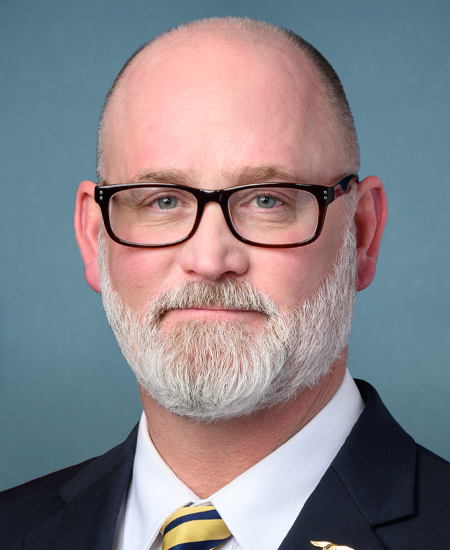
Derrick Van Orden
100% support rate
Top opponent
Julie Fedorchak
33% support rate
Ranked legislators
10
5 support · 5 oppose
Key legislators

Who's moving labor standards in United States

Legislators moving labor standards in United States
Legislator Party Stance Support rate Votes
Derrick Van Orden
Derrick Van Orden House · District 3
R
Strong +
100% 3
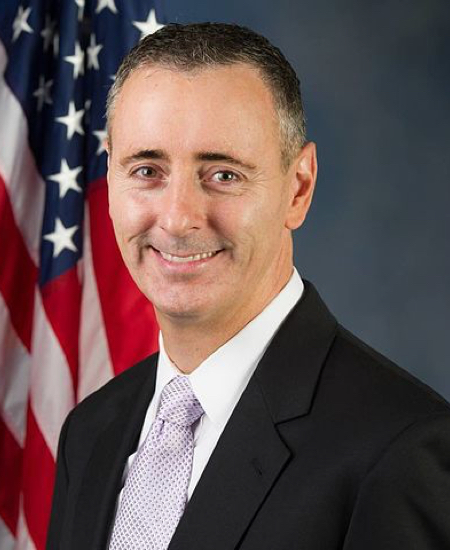
Brian K. Fitzpatrick
Brian K. Fitzpatrick House · District 1
R
Strong +
86% 7
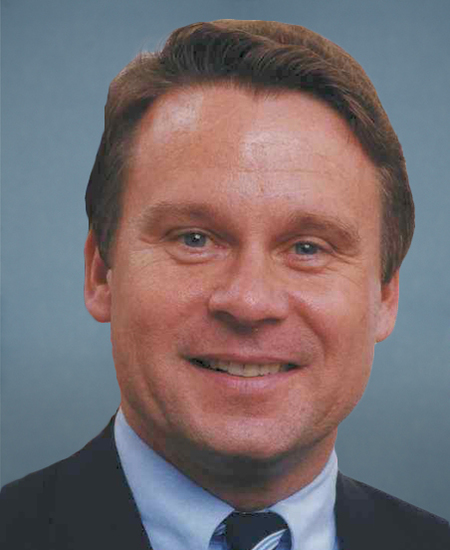
Christopher H. Smith
Christopher H. Smith House · District 4
R
Strong +
86% 7
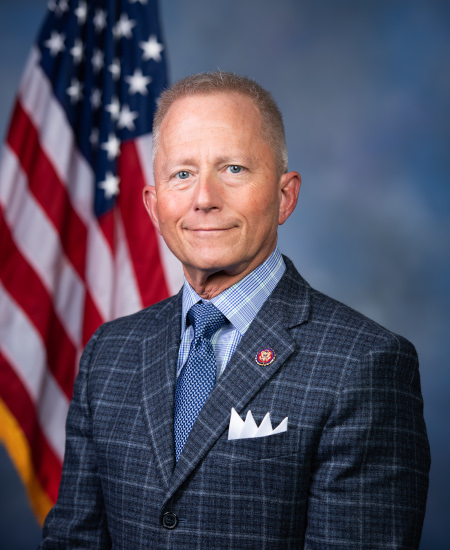
Jefferson Van Drew
Jefferson Van Drew House · District 2
R
Strong +
86% 7
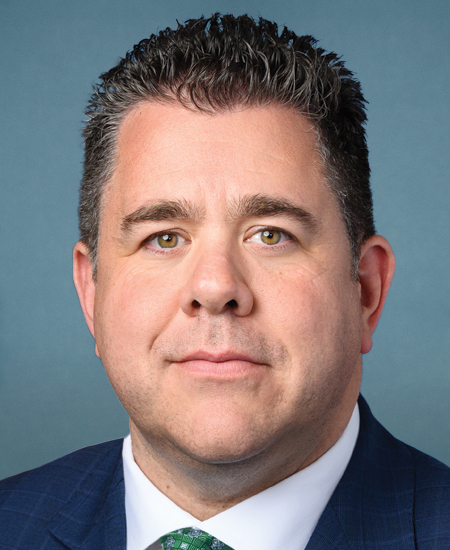
Nick LaLota
Nick LaLota House · District 1
R
Strong +
86% 7
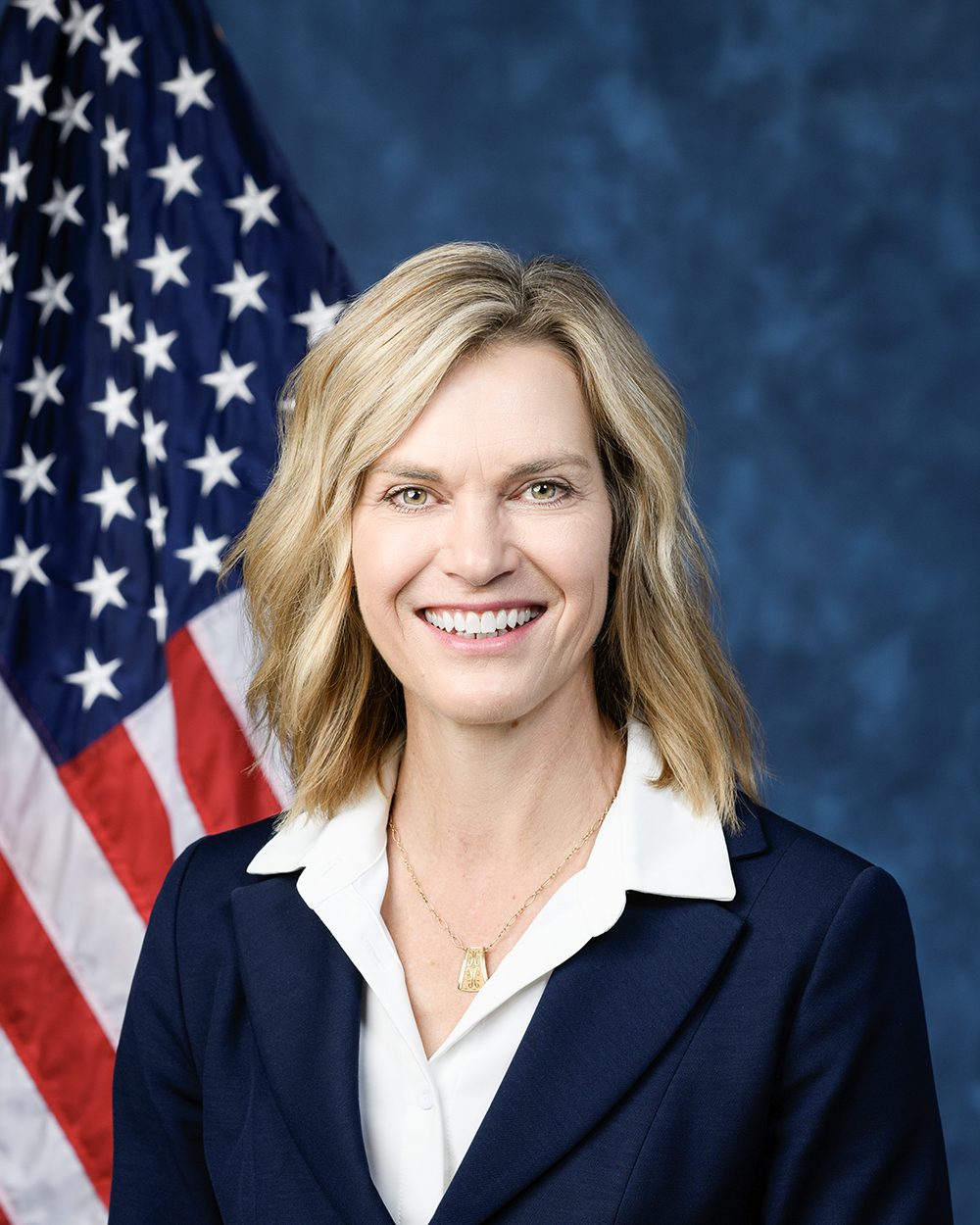
Julie Fedorchak
Julie Fedorchak House · District At-Large
R
Oppose
33% 6
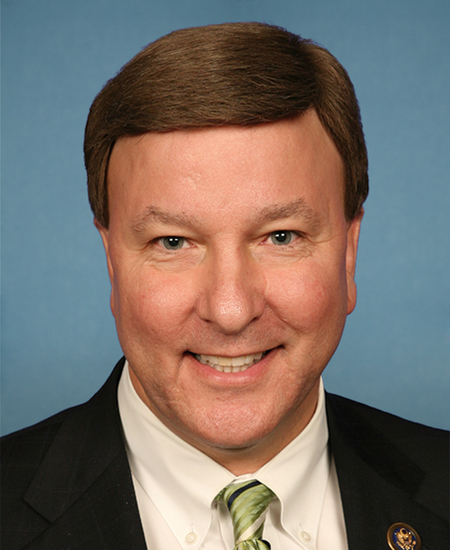
Mike Rogers
Mike Rogers House · District 3
R
Oppose
33% 6
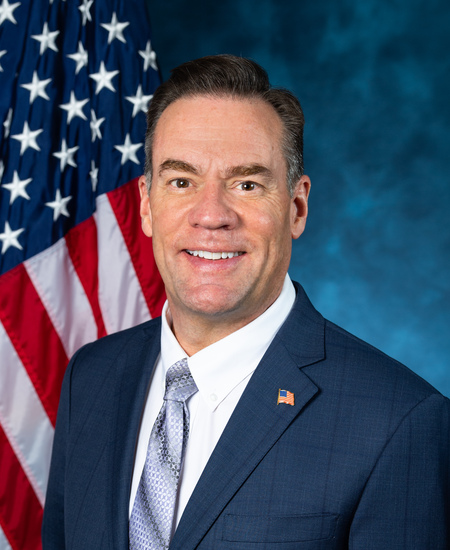
Russ Fulcher
Russ Fulcher House · District 1
R
Oppose
33% 6
Gregory F. Murphy
Gregory F. Murphy House · District 3
R
Oppose
33% 3
Wesley Hunt
Wesley Hunt House · District 38
R
Oppose
33% 3
Showing 231–240 of 257 bills

All labor & employment bills

in committee · United States · Senate Jul 30, 2025

S 2549: Time Off to Vote Act

S 2549, the Time Off to Vote Act, requires employers with 25 or more employees to provide workers with 2 hours of paid leave during open voting hours for federal elections. This covers voting in person, returning mail ballots, or other voting activities, with employers allowed to set the specific 2-hour window (excluding lunch breaks) but not denying the leave. The law prohibits retaliation against employees who take this leave and authorizes the Department of Labor to enforce it, imposing civil penalties of up to $10,000 per violation for noncompliance. It does not override stricter state voting leave laws but takes effect before the next federal election after enactment.
in committee · United States · House Dec 3, 2025

HR 6371: No Robot Bosses Act

The "No Robot Bosses Act" (HR 6371) prevents employers from making final employment decisions (like hiring, firing, or promotions) using automated systems without human oversight. It requires companies with 11+ employees to test these systems for bias against protected groups, explain how they work in plain language to workers, and provide opportunities for workers to dispute automated decisions through human review. The bill creates a new Technology and Worker Protection Division within the Department of Labor to enforce these rules and requires annual public reports on bias testing. It also includes strong whistleblower protections for workers who report violations. The law applies to most employers but excludes certain government entities and labor organizations acting in their representative capacity.
in committee · United States · House May 1, 2025

HR 3139: Public Service Worker Protection Act

This bill expands OSHA safety protections to cover public employees, including teachers, police, and sanitation workers, who were previously excluded from federal workplace safety regulations. It directly affects state and local government workers by amending the Occupational Safety and Health Act to explicitly include "the United States, a State, or a political subdivision of a State" under OSHA coverage. The key mechanism is a technical amendment to the law’s definition of covered employees, ensuring public service workers fall under the same safety standards as private-sector employees. The bill takes effect 90 days after enactment for most workplaces, with a 36-month delay for state/local governments without existing OSHA plans.
Sub-Topics Labor Standards Public Employees Workplace Safety Tags Public Safety
in committee · United States · House Jan 16, 2026

HR 1723: Tribal Labor Sovereignty Act of 2025

The Tribal Labor Sovereignty Act of 2025 amends the National Labor Relations Act to explicitly include tribal governments and their enterprises as covered employers under federal labor law. It adds new definitions clarifying that "Indian tribe," "Indian," and "Indian lands" encompass federally recognized tribes, their members, and lands held in trust or within reservation boundaries. This change directly affects tribal nations, their member-owned businesses, and tribal employees by bringing them under the same labor protections (like collective bargaining rights) previously applicable to most private-sector employers. The bill does not create new programs but adjusts the legal definition to ensure tribal entities operating on tribal lands are subject to the NLRA’s standard labor regulations.
Sub-Topics Collective Bargaining Labor Standards Tags Tribal Nations
in committee · United States · Senate Apr 7, 2025

SRES 158: A resolution expressing the sense of the Senate that paraprofessionals and education support staff should have fair compensation, benefits, and working conditions.

SRES 158 is a non-binding Senate resolution expressing the chamber's view that paraprofessionals (like paraeducators) and education support staff (including clerical, custodial, and food service workers in schools) deserve fair treatment. It outlines specific expectations for their workplaces, such as livable wages, affordable healthcare, job security, paid leave, and meaningful input in school policies - directly affecting over 3 million frontline workers supporting 49 million students. The resolution does not create new laws but urges federal and state action to address current gaps, including ending seasonal layoffs and ensuring access to benefits. It emphasizes these staff’s critical role in school environments while clarifying that it does not override existing collective bargaining agreements.
in committee · United States · Senate Jul 16, 2025

S 2312: Unemployment Insurance Modernization and Recession Readiness Act

This bill establishes federal standards for unemployment insurance to increase consistency and support during economic downturns. It sets minimum requirements for benefit duration (26 weeks), wage replacement (75% of earnings), and maximum benefit amounts, while expanding eligibility for individuals separated due to compelling reasons like family care or workplace violence. The bill creates a new Jobseeker Allowance program providing weekly payments to unemployed individuals actively seeking work, with higher payments during periods of elevated unemployment. States would administer these programs with full federal funding for extended benefits and specific administrative support for the new allowance. The changes would take effect for unemployment claims beginning on or after January 1, 2027.
in committee · United States · House Aug 5, 2025

HR 4908: Time Off to Vote Act

The Time Off to Vote Act requires employers with 25 or more employees to provide two hours of paid leave for federal elections. Employees can use this leave to vote in person, return mail-in ballots, or perform other voting activities during open polling hours. Employers may set the specific two-hour window (excluding lunch breaks) but cannot deny the leave, retaliate against employees who take it, or cause loss of accrued benefits. Violations could result in civil penalties up to $10,000 per violation, enforced by the Department of Labor.
Sub-Topics Labor Standards Paid Leave Tags Elections
in committee · United States · Senate Jul 28, 2025

S 2474: Advocate for Employee Ownership Act

This bill establishes an "Advocate for Employee Ownership" within the Department of Labor to promote employee ownership models, primarily affecting workers, employers, and employee stock ownership plan (ESOP) participants. The advocate will serve as a liaison between stakeholders, provide public education on ESOPs, help resolve disputes involving ESOPs, and recommend policy changes to expand employee ownership. The role requires annual reports to Congress detailing activities, challenges, and recommendations for improving employee ownership practices. The position, compensated at a senior executive pay level, will coordinate with agencies like the Small Business Administration and Treasury to advance outreach on employee ownership as a business succession option.
Sub-Topics Labor Standards Tags Small Business
in committee · United States · Senate Jun 5, 2025

S 1984: Striking and Locked Out Workers Healthcare Protection Act

This bill prevents employers from dropping health insurance coverage for workers during strikes or lockouts. It amends the National Labor Relations Act to prohibit employers from terminating group health plan coverage for employees who are either locked out (during bargaining disputes) or participating in a lawful strike. Employers who violate this rule face civil penalties of up to $75,000 per violation for lockout-related actions (doubling to $150,000 for repeat offenses) or $50,000 for strike-related actions (doubling to $100,000 for repeat offenses). The law directly affects workers engaged in strikes or locked out by employers, ensuring their healthcare coverage continues during these labor disputes.
in committee · United States · House Dec 17, 2025

HR 6818: Part-Time Worker Bill of Rights Act

HR 6818, the Part-Time Worker Bill of Rights Act, would expand rights for part-time workers by reducing eligibility requirements for family and medical leave from 12 months to 90 days of employment under the FMLA. The bill prohibits employers from discriminating against part-time workers based on hours worked, requiring equal treatment for benefits, promotions, and scheduling. It mandates that employers obtain written statements from employees about their desired work hours and prioritize offering available work hours to existing employees before hiring new external workers. The bill establishes enforcement mechanisms including civil penalties for violations and allows employees to file private lawsuits for damages, with the Secretary of Labor having investigative authority to ensure compliance. This legislation directly affects part-time workers and employers with more than 15 employees across both private and public sectors.
Showing 231 to 240 of 257 bills
Previous 1 23 24 25 26 Next