Issue · Labor & Employment

Labor & Employment (Labor Standards)

Every labor & employment bill, vote, and legislator stance in United States, automatically classified by Maddy, our AI policy reader.

Total bills
257
119th Congress
Top supporter
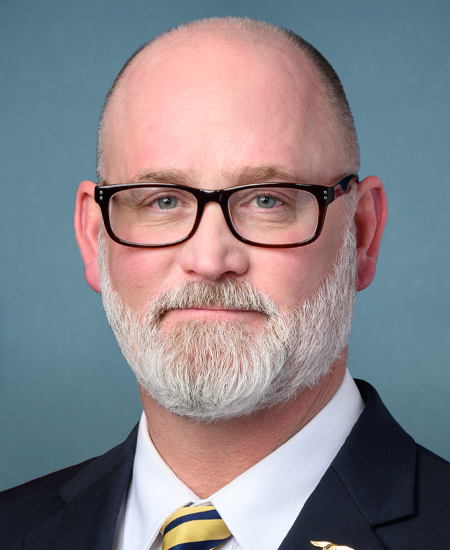
Derrick Van Orden
100% support rate
Top opponent
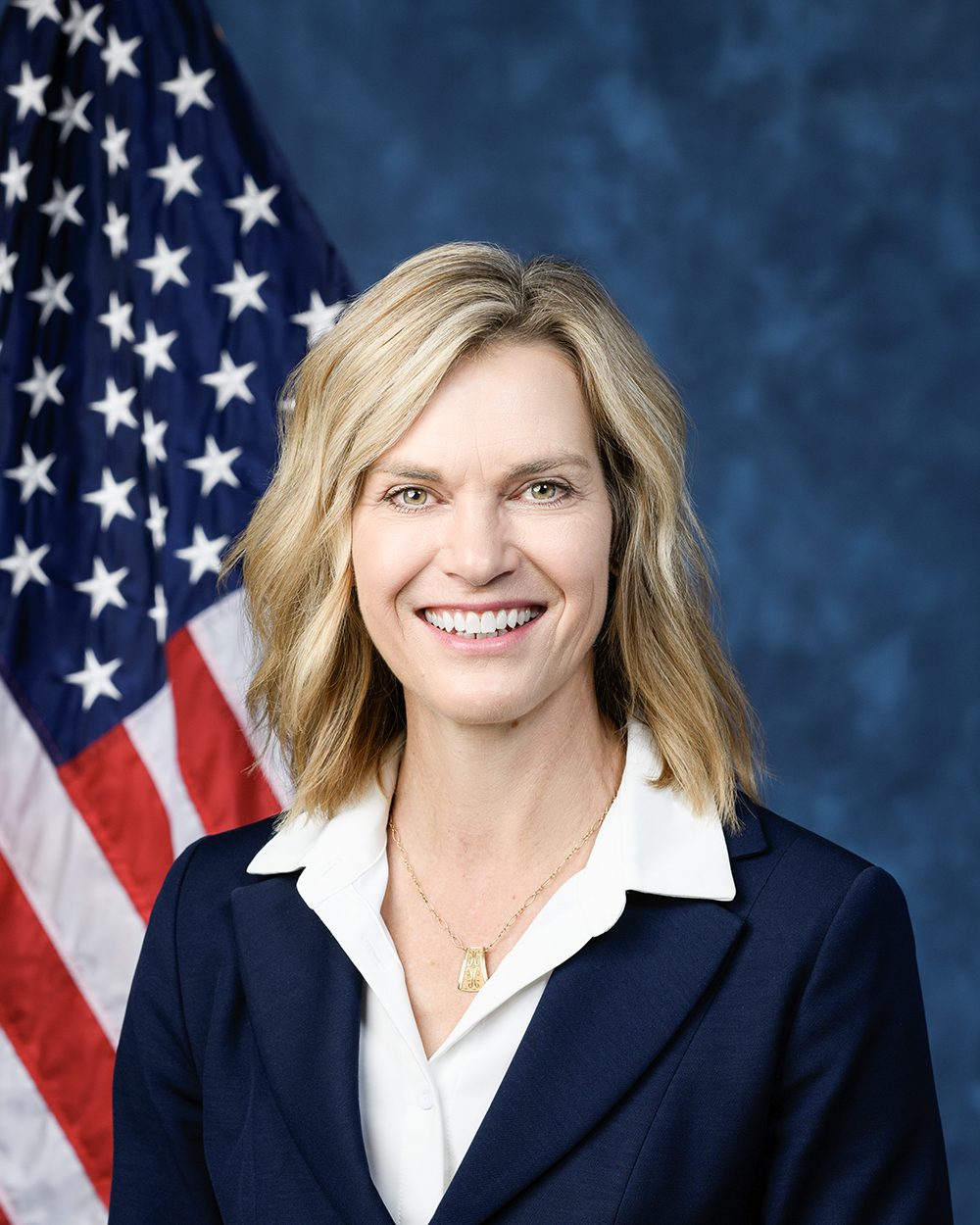
Julie Fedorchak
33% support rate
Ranked legislators
10
5 support · 5 oppose
Key legislators

Who's moving labor standards in United States

Legislators moving labor standards in United States
Legislator Party Stance Support rate Votes
Derrick Van Orden
Derrick Van Orden House · District 3
R
Strong +
100% 3
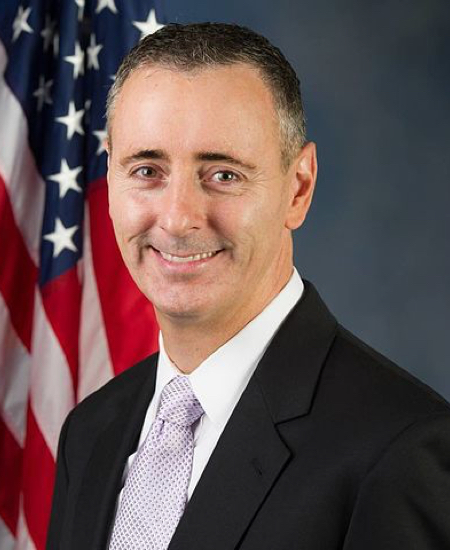
Brian K. Fitzpatrick
Brian K. Fitzpatrick House · District 1
R
Strong +
86% 7
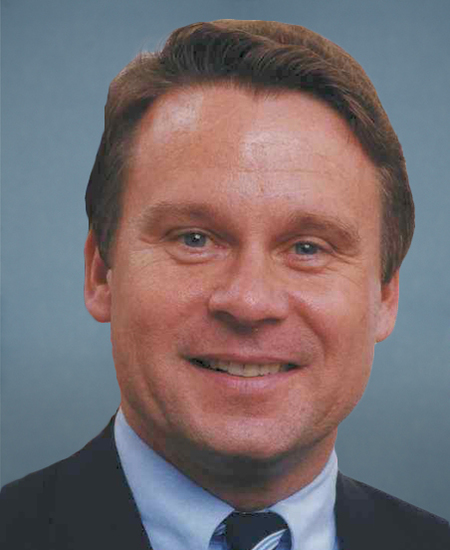
Christopher H. Smith
Christopher H. Smith House · District 4
R
Strong +
86% 7
Jefferson Van Drew
Jefferson Van Drew House · District 2
R
Strong +
86% 7
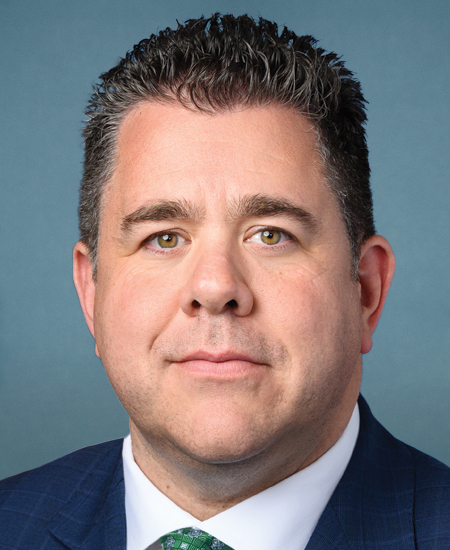
Nick LaLota
Nick LaLota House · District 1
R
Strong +
86% 7
Julie Fedorchak
Julie Fedorchak House · District At-Large
R
Oppose
33% 6
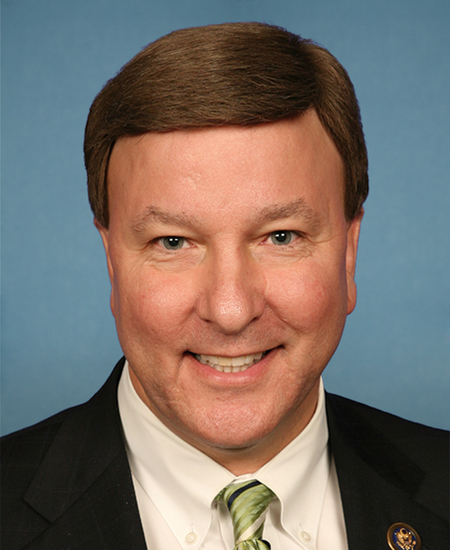
Mike Rogers
Mike Rogers House · District 3
R
Oppose
33% 6
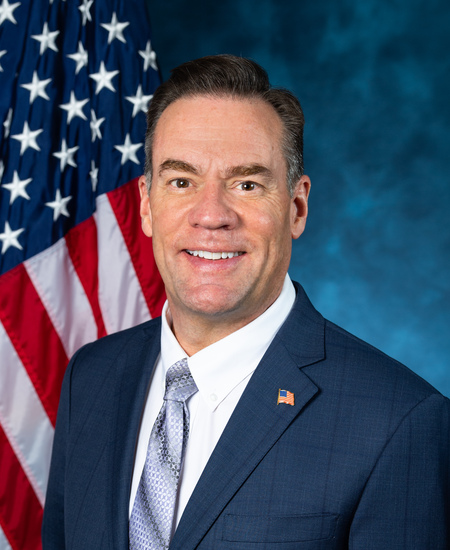
Russ Fulcher
Russ Fulcher House · District 1
R
Oppose
33% 6
Gregory F. Murphy
Gregory F. Murphy House · District 3
R
Oppose
33% 3
Wesley Hunt
Wesley Hunt House · District 38
R
Oppose
33% 3
Showing 221–230 of 257 bills

All labor & employment bills

in committee · United States · House Jan 3, 2025

HR 122: Original LAW Act

HR 122, the Original LAW Act, proposes a phased increase to the federal minimum wage, starting at $10.59 per hour in 2026 and rising to $26.59 per hour by 2030. It establishes an automatic adjustment mechanism where the Secretary of Labor must set the minimum wage every seven years starting in 2031, ensuring it equals 40% above the Federal supplemental poverty threshold for a renter family of four with two children. This bill directly affects all workers covered under the Fair Labor Standards Act who earn the federal minimum wage. The law requires the wage to be adjusted annually based on poverty threshold data published by the Bureau of Labor Statistics, aiming to align wages with living costs.
in committee · United States · Senate May 6, 2025

S 1606: Overtime Wages Tax Relief Act

The Overtime Wages Tax Relief Act would create a new tax deduction for eligible workers, allowing them to subtract up to $10,000 of their overtime pay (or $20,000 for joint tax returns) from their taxable income. This deduction phases out for higher earners, reducing by $50 for every $1,000 their income exceeds $100,000 (or $200,000 for joint returns). To qualify, overtime pay must be at 1.5 times the regular rate for hours worked beyond 40 in a week, as defined by the Fair Labor Standards Act or a collective bargaining agreement. The bill also requires employers to report overtime pay on tax forms and adjusts withholding procedures, effective for tax years beginning after December 31, 2025.
in committee · United States · House Jul 16, 2025

HR 4443: Asunción Valdivia Heat Illness, Injury, and Fatality Prevention Act of 2025

This bill establishes federal worker heat protection standards to prevent heat-related illness and injury. It requires employers to provide a workplace free from heat stress hazards, including access to cool water, scheduled rest breaks, shaded cooling areas, and training on heat illness symptoms. The Secretary of Labor must create these standards within one year, incorporating evidence-based practices like engineering controls (e.g., ventilation), administrative measures (e.g., adjusted schedules), and employer-paid personal protective equipment. The law directly affects all employers in high-heat work environments - such as construction, agriculture, and manufacturing - and strengthens whistleblower protections for workers reporting safety violations.
in committee · United States · House Jul 25, 2025

HR 4771: Transformation to Competitive Integrated Employment Act

This bill transitions individuals with disabilities from segregated employment under special certificates (which allow subminimum wages) to competitive integrated employment with fair wages. It creates grant programs for states and employers to facilitate this transition, requiring employers to pay at least minimum wage (increasing over time) and providing necessary supports. The bill phases out special certificates entirely within 4 years, while ensuring individuals with disabilities receive ongoing support during the transition. It also establishes evaluation requirements to track progress and ensure compliance with the new standards.
Sub-Topics Labor Standards Minimum Wage Tags People with Disabilities
in committee · United States · Senate Apr 4, 2025

S 1310: No Tax Breaks for Union Busting (NTBUB) Act

S 1310, the No Tax Breaks for Union Busting (NTBUB) Act, denies tax deductions for employer spending aimed at influencing workers' decisions about union organizing or collective bargaining. It amends the tax code to block deductions for expenses like anti-union consultant fees, captive audience meetings, and other tactics that interfere with labor rights under the National Labor Relations Act. Employers must report such spending on tax returns with specific details, including dates, amounts, and whether activities relate to unfair labor practice charges. This directly affects businesses that engage in anti-union organizing tactics, removing a tax incentive for these activities while preserving deductions for standard union negotiations.
in committee · United States · House Apr 7, 2025

HR 2671: Tax Fairness for Workers Act

The Tax Fairness for Workers Act (HR 2671) would allow certain employees to deduct work-related expenses directly from their gross income. Specifically, it creates an above-the-line deduction for union dues (amending IRC Section 62(a)(1)) and reinstates a deduction for other out-of-pocket work costs like uniforms or tools (amending IRC Section 67(g)), effective for 2025 tax years. This directly affects union members and workers with significant job-related expenses who previously could not deduct these costs. The bill removes the prior limitation that barred these deductions, making them available without needing to itemize. The policy change simplifies tax filing for affected workers by treating these expenses as deductible business costs.
in committee · United States · Senate Dec 3, 2025

S 3339: AI Workforce PREPARE Act

The AI Workforce PREPARE Act requires the Department of Labor to collect and analyze data on how artificial intelligence affects jobs, including tracking AI adoption by employers and forecasting impacts on specific occupations. It establishes an AI Workforce Research Hub to lead this effort, mandates new survey questions about AI in the workplace, and requires employers to disclose when AI contributes to mass layoffs. The bill creates detailed employment forecasts for occupations most affected by AI, with prediction intervals showing uncertainty ranges, and aims to integrate this data into workforce training programs. These provisions are designed to help workers, employers, and policymakers prepare for AI-driven changes in the labor market.
Sub-Topics Gig Economy Labor Standards Workforce Development Tags Artificial Intelligence
in committee · United States · House Aug 26, 2025

HR 5048: Don’t STEAL Act

HR 5048, the "Don’t STEAL Act," amends the Fair Labor Standards Act to ensure workers receive the highest wage promised in their contracts or collective bargaining agreements, whichever exceeds federal or state minimum wage requirements. It directly affects employees engaged in commerce or working for businesses involved in commerce, requiring employers to pay at least the higher of their agreed-upon wage or the legal minimum. The bill establishes criminal penalties for willful wage theft exceeding $1,000 (up to 5 years in prison) and civil penalties for all unpaid wages, with fines funding the Department of Labor’s Wage and Hour Division enforcement efforts. These changes apply to violations occurring 90 days after enactment.
in committee · United States · Senate Sep 4, 2025

S 2729: Nationwide Right To Unionize Act

The Nationwide Right To Unionize Act (S 2729) would repeal a federal law provision allowing states to enact "right-to-work" laws, which typically prevent unions from requiring workers to pay dues as a condition of employment. By removing this state-level exception, the bill would make it illegal for any state to have right-to-work laws, meaning workers in unionized workplaces across all 50 states could be required to pay union dues if their union and employer agree. This directly affects workers, unions, and employers in every state, particularly in the 27 states currently with right-to-work laws. The bill does not change existing union security agreements but eliminates state-level alternatives that restrict union dues collection.
in committee · United States · Senate Jul 31, 2025

S 2571: Farmworker Smoke and Excessive Heat Protection Act of 2025

This bill establishes immediate protections for farmworkers against wildfire smoke and excessive heat. It requires agricultural employers to provide N95/N100 respirators when smoke levels become dangerous, cooling equipment and water during heat events, and mandatory 10-minute rest breaks every 2 hours in shaded areas. Employers must also train workers in their language on proper equipment use, health risks, and heat illness signs. The law creates a temporary standard effective immediately, with the Secretary of Labor required to develop a permanent rule within 90 days. These requirements directly affect farmworkers and their employers in agricultural operations across the U.S.
Showing 221 to 230 of 257 bills
Previous 1 22 23 24 26 Next