Issue · Labor & Employment

Labor & Employment

Every labor & employment bill, vote, and legislator stance in United States, automatically classified by Maddy, our AI policy reader.

Total bills
1,399
119th Congress
Top supporter
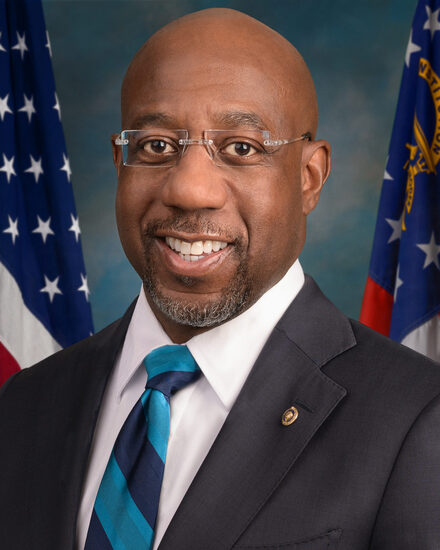
Raphael G. Warnock
100% support rate
Top opponent
Eric Burlison
31% support rate
Ranked legislators
10
5 support · 5 oppose
Key legislators

Who's moving labor & employment in United States

Legislators moving labor & employment in United States
Legislator Party Stance Support rate Votes
Raphael G. Warnock
Raphael G. Warnock Senate
D
Strong +
100% 211
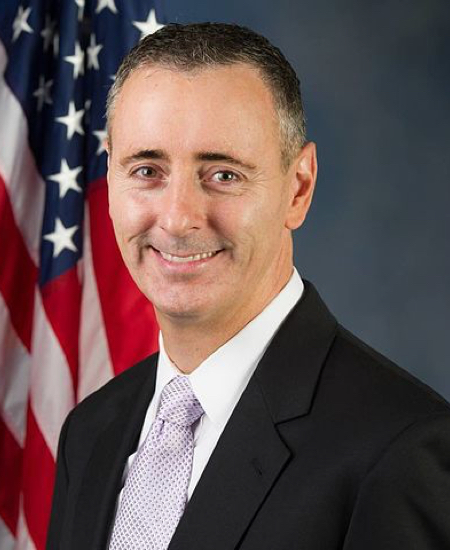
Brian K. Fitzpatrick
Brian K. Fitzpatrick House · District 1
R
Strong +
92% 194
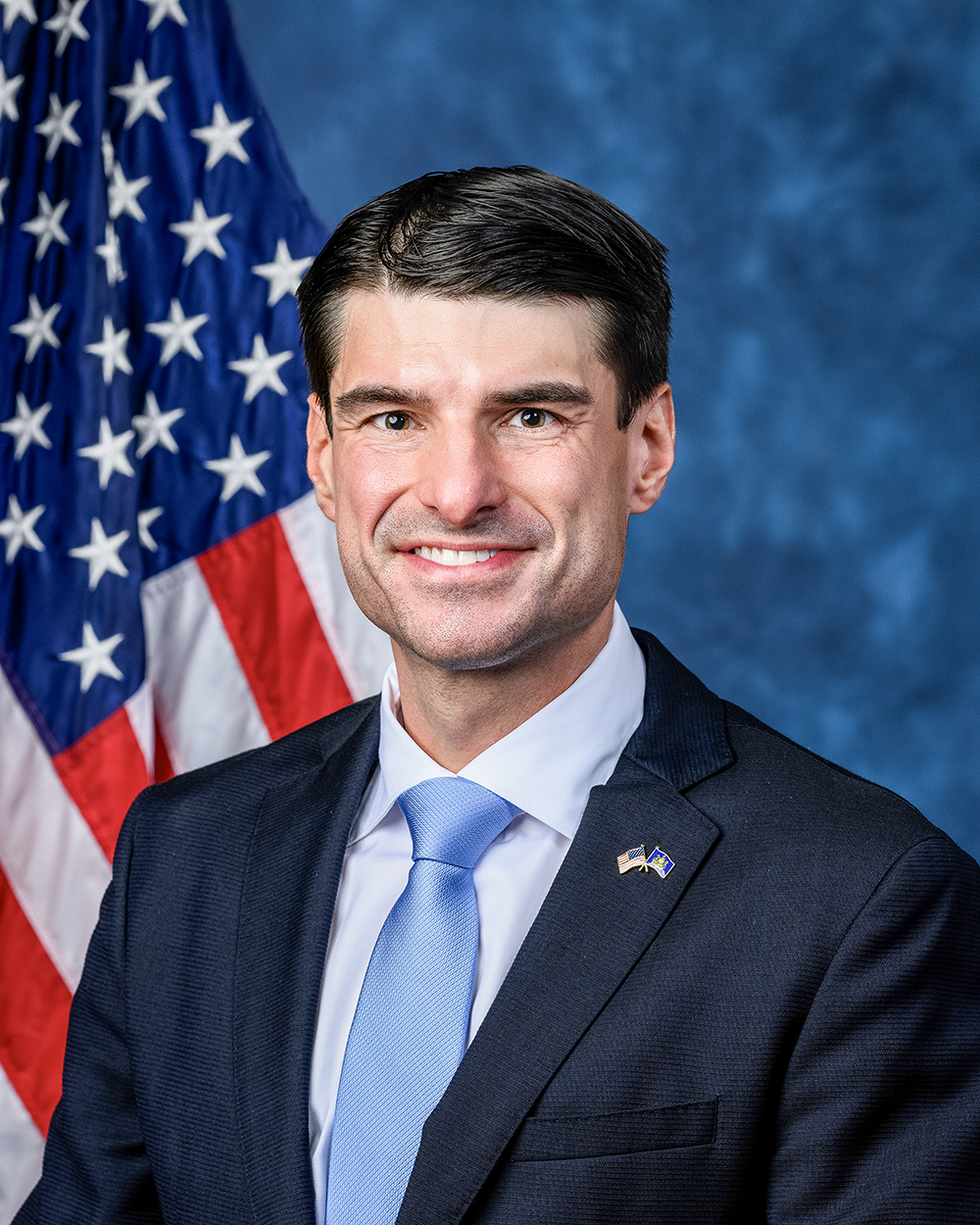
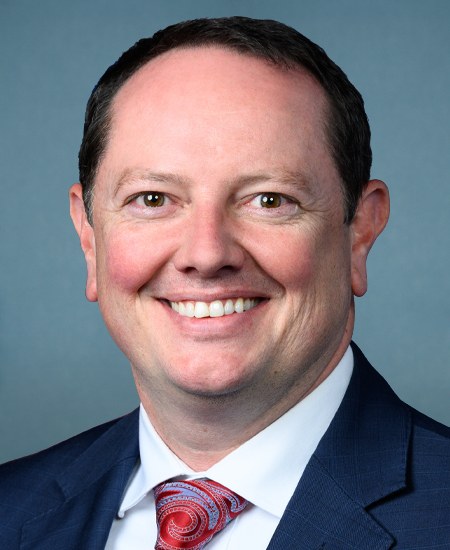
Robert P. Bresnahan, Jr.
Robert P. Bresnahan, Jr. House · District 8
R
Strong +
92% 197
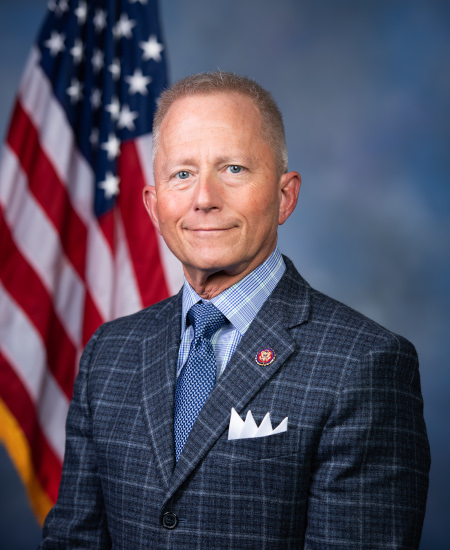
Jefferson Van Drew
Jefferson Van Drew House · District 2
R
Strong +
92% 197
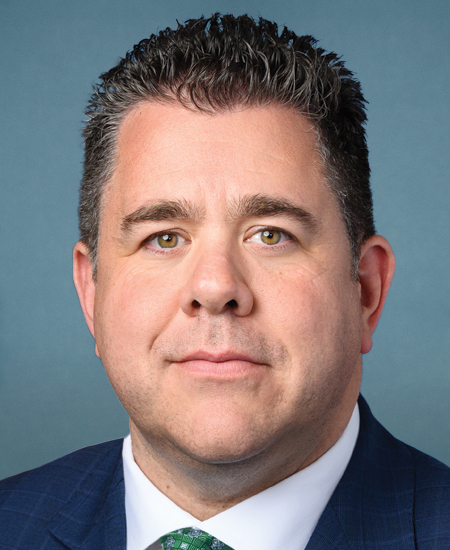
Nick LaLota
Nick LaLota House · District 1
R
Strong +
92% 195
Eric Burlison
Eric Burlison House · District 7
R
Oppose
31% 197
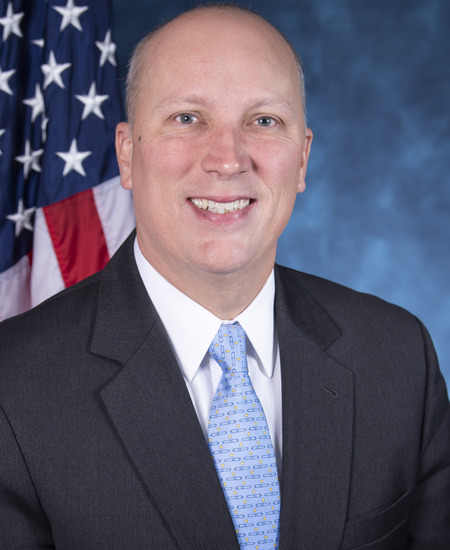
Chip Roy
Chip Roy House · District 21
R
Oppose
31% 190
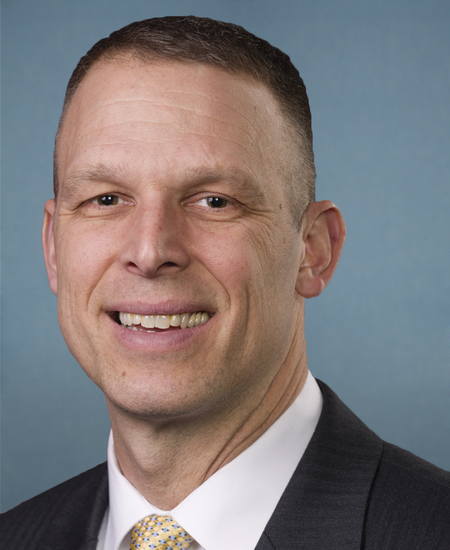
Scott Perry
Scott Perry House · District 10
R
Oppose
31% 194
Tom McClintock
Tom McClintock House · District 5
R
Oppose
31% 190
Darin LaHood
Darin LaHood House · District 16
R
Oppose
33% 175
Showing 221–230 of 1,399 bills

All labor & employment bills

in committee · United States · Senate Apr 16, 2026

S 4334: Blind Americans Return to Work Act of 2026

The Blind Americans Return to Work Act of 2026 establishes a 20-year demonstration project to help blind individuals who receive Social Security disability benefits return to the workforce. Under this program, the usual rules that reduce or stop benefits when a recipient earns money are modified to allow them to keep working while still receiving financial support. Specifically, the bill removes the requirement that earnings must be low enough to qualify for disability benefits and limits how much a person's monthly payment decreases based on their income and work-related expenses. Additionally, the project prevents benefits from ending solely because of earnings and waives certain standard compliance rules to facilitate the trial. After the initial 120-month period, participants have the option to exit the demonstration project if they choose.
Tags People with Disabilities
in committee · United States · House May 14, 2026

HR 8816: Tax Cut for Striking Workers Act of 2026

This bill, the Tax Cut for Striking Workers Act of 2026, allows workers who are on strike or lockout to receive tax-free strike benefits from their labor unions. These benefits are intended to replace wages lost due to the labor dispute and will not be counted as taxable income for the recipient. The law applies to compensation received after December 31, 2026, and specifically covers members of tax-exempt labor organizations. By excluding these payments from gross income, the bill aims to provide financial relief to striking employees without increasing their tax liability.
passed · United States · Senate May 21, 2026

S 4631: Expanding Whistleblower Protections for Contractors Act of 2026

This bill expands whistleblower protections for contractors, subcontractors, and grant recipients working with the Department of Defense, NASA, and the broader Federal Government. It allows these individuals to report evidence of gross mismanagement, waste of funds, abuse of authority, or dangers to public health and safety without fear of retaliation. The legislation also prohibits government officials from demanding that contractors take retaliatory actions and bans the waiver of these rights through arbitration agreements or other employment contracts. Additionally, it broadens the definition of who is protected to include personal service workers and employees of state, tribal, and territorial governments.
in committee · United States · House Apr 30, 2026

HR 8629: Developing the Community Health Workforce Act of 2026

This bill aims to strengthen the community health workforce by providing financial incentives and new training opportunities for health centers serving underserved areas. It establishes a priority system for assigning federal health professionals to rural clinics and creates a grant program that helps health centers repay student loans for staff who commit to working there. The legislation also expands funding for partnerships between health centers and colleges to train new workers, specifically targeting behavioral health specialists, and allows these centers to participate in medical residency programs. Additionally, the bill broadens Medicare and Medicaid coverage to include services provided by behavioral health consultants and case managers at these facilities.
in committee · United States · Senate Apr 16, 2026

S 4336: Restoring Rights of Medical Residents Act

The Restoring Rights of Medical Residents Act repeals a specific section of the Pension Funding Equity Act of 2004 that previously barred medical residents from participating in certain pension plans. By removing this restriction, the bill allows medical residents to join and benefit from the same retirement savings programs available to other employees. This change directly affects medical residents working in the United States by expanding their access to employer-sponsored pension funding. The law takes effect on the first March 18 following its enactment.
Sub-Topics Retirement Benefits
in committee · United States · Senate Apr 27, 2026

S 4397: Sound Science Act of 2026

The Sound Science Act of 2026 modifies the Toxic Substances Control Act to update how the Environmental Protection Agency evaluates and regulates chemical substances. The bill requires the use of technically feasible testing methods and mandates that risk assessments consider existing safety standards from other federal agencies like OSHA. It also introduces stricter scientific review processes, including mandatory in-person peer reviews and a requirement to consult with industry experts when setting worker protection rules. Additionally, the legislation ensures that agencies must consider relevant international test guidelines and provides specific timelines for interagency feedback on draft evaluations. These changes aim to standardize scientific practices and improve the consistency of federal chemical risk management.
in committee · United States · Senate Apr 30, 2026

S 4468: Supporting the Mental Health of Educators and Staff Act of 2026

The Supporting the Mental Health of Educators and Staff Act of 2026 aims to improve the well-being of teachers and school employees by establishing federal programs and sharing best practices. The bill directs the Department of Health and Human Services to create an awareness initiative to reduce stigma around seeking mental health care and to distribute evidence-based strategies for preventing suicide and promoting resiliency. It authorizes $45 million over three years to fund grants for schools and universities to implement new mental health programs, offer peer support, and provide professional training on addressing mental health needs. Additionally, the legislation requires the government to conduct a comprehensive review of these efforts and report findings to Congress within two years.
in committee · United States · Senate Apr 29, 2026

SRES 700: A resolution expressing support for the designation of April 1, 2026, through April 30, 2026, as "Fair Chance Jobs Month".

This Senate resolution expresses support for designating April 2026 as "Fair Chance Jobs Month" to raise awareness about employment barriers faced by formerly incarcerated individuals. While the bill itself does not change laws, it encourages the removal of obstacles like licensing restrictions and promotes fair-chance hiring practices. The resolution also calls for expanded workforce development programs, better access to housing and healthcare, and increased collaboration between government agencies and community groups to help returning citizens secure stable employment.
in committee · United States · Senate Apr 28, 2026

S 4409: START Act

The START Act streamlines the process for registering apprenticeship programs by requiring the Department of Labor to review submitted program standards within 90 days and providing faster, 30-day feedback for incomplete submissions. It establishes a new grant program that provides federal funding to states based on their population and the number of apprentices, with states required to match these funds to support training, technical assistance, and outreach efforts. The legislation also mandates greater transparency by requiring state agencies to publicly post their reciprocity rules, apprenticeship standards, and their average response times to program applications. Additionally, the bill clarifies that state apprenticeship councils do not have final decision-making authority over program registrations, shifting that power to the federal Secretary of Labor or designated state agencies.
in committee · United States · House Apr 30, 2026

HR 8645: New Pathways Act

The New Pathways Act requires the Bureau of Prisons to provide returning federal prisoners with essential identification and documents before their release. For U.S. citizens, the bill mandates that the agency issue a photo ID card and secure necessary proof of citizenship and a Social Security card, even if the prisoner lacks the paperwork to obtain them themselves. Noncitizens eligible for work and residence will receive assistance in getting their immigration status documents and employment authorization. Additionally, the act ensures that individuals released directly from prison without prior custody receive help from the Probation System to create a plan for their reentry into society.
Showing 221 to 230 of 1,399 bills
Previous 1 22 23 24 140 Next