Issue · Labor & Employment

Labor & Employment (Labor Standards)

Every labor & employment bill, vote, and legislator stance in United States, automatically classified by Maddy, our AI policy reader.

Total bills
295
119th Congress
Top supporter
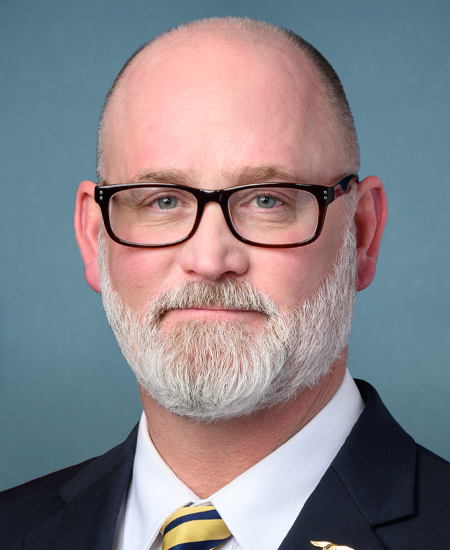
Derrick Van Orden
100% support rate
Top opponent
Julie Fedorchak
33% support rate
Ranked legislators
10
5 support · 5 oppose
Key legislators

Who's moving labor standards in United States

Legislators moving labor standards in United States
Legislator Party Stance Support rate Votes
Derrick Van Orden
Derrick Van Orden House · District 3
R
Strong +
100% 3
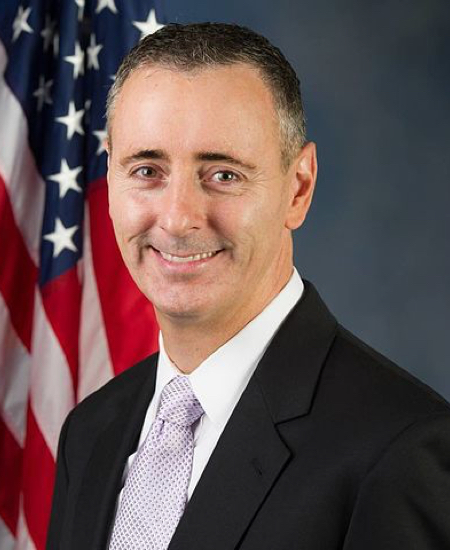
Brian K. Fitzpatrick
Brian K. Fitzpatrick House · District 1
R
Strong +
86% 7
Christopher H. Smith
Christopher H. Smith House · District 4
R
Strong +
86% 7
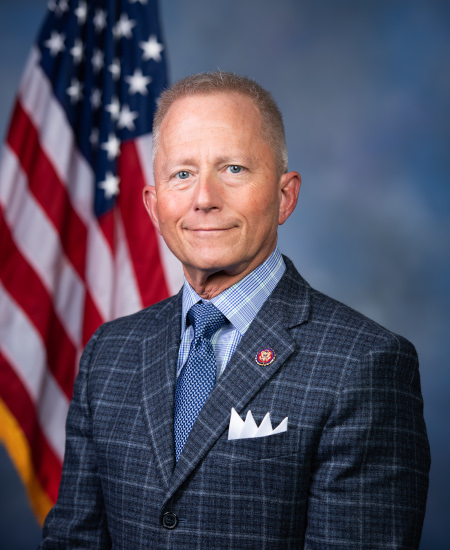
Jefferson Van Drew
Jefferson Van Drew House · District 2
R
Strong +
86% 7
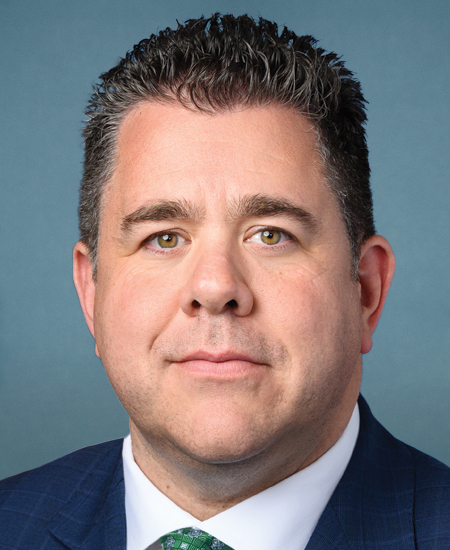
Nick LaLota
Nick LaLota House · District 1
R
Strong +
86% 7
Julie Fedorchak
Julie Fedorchak House · District At-Large
R
Oppose
33% 6
Mike Rogers
Mike Rogers House · District 3
R
Oppose
33% 6
Russ Fulcher
Russ Fulcher House · District 1
R
Oppose
33% 6
Gregory F. Murphy
Gregory F. Murphy House · District 3
R
Oppose
33% 3
Wesley Hunt
Wesley Hunt House · District 38
R
Oppose
33% 3
Showing 211–220 of 295 bills

All labor & employment bills

in committee · United States · House Nov 17, 2025

HR 6066: CARE Act of 2025

HR 6066, the CARE Act of 2025, strengthens child labor protections for children working in agriculture. It raises the minimum age for non-family farm work from 14 to 16 years, eliminates existing exemptions for hand-harvest labor, and prohibits children under 18 from handling pesticides. The bill increases civil penalties for violations (up to $60,115 for serious harm/death) and imposes new employer reporting requirements for child injuries, illnesses, or deaths in farm work. It also mandates annual reports to Congress on child farmworker injuries, using data from labor and health agencies.
in committee · United States · Senate Dec 17, 2025

S 3547: Part-Time Worker Bill of Rights Act

The Part-Time Worker Bill of Rights Act would expand benefits for part-time workers by reducing the eligibility requirement for family and medical leave from 12 months of employment to just 90 days. It prohibits discrimination against part-time employees based on their work hours and requires employers to offer preferred work schedules to existing part-time employees before hiring new staff or using contractors. The bill mandates that employers compensate part-time workers for hours they could not schedule due to new hires, and establishes enforcement mechanisms through the Department of Labor. This legislation directly affects part-time workers and employers with more than 15 employees across various sectors, including government agencies.
in committee · United States · Senate Jun 10, 2025

S 2013: Higher Wages for American Workers Act of 2025

This bill raises the federal minimum wage to $15 per hour, effective January 1 of the first year after enactment. It then automatically adjusts the minimum wage annually on January 1 based on the previous year's inflation rate (using the Consumer Price Index for Urban Wage Earners), rounding to the nearest $0.05. The policy directly affects most hourly workers covered under the Fair Labor Standards Act, including those in retail, hospitality, and other service sectors. The changes take effect on the first January 1 following the bill's enactment date.
in committee · United States · Senate Mar 13, 2025

S 1046: No Tax On Overtime Act of 2025

S 1046, the "No Tax On Overtime Act of 2025," would exclude overtime pay earned under the Fair Labor Standards Act (FLSA) from taxable gross income. This directly affects hourly workers who receive legally required overtime compensation (typically 1.5 times regular pay for hours over 40 per week). The bill amends the tax code to add a new provision stating that such overtime pay is not included when calculating federal income tax liability. The change would take effect for overtime pay received after the bill's enactment date.
in committee · United States · Senate Mar 6, 2025

S 893: Guaranteeing Overtime for Truckers Act

The Guaranteeing Overtime for Truckers Act (S 893) repeals a provision in the Fair Labor Standards Act that currently exempts certain truck drivers from overtime pay requirements. This bill would require commercial truck drivers to receive overtime pay for hours worked beyond 40 in a workweek, aligning their pay rules with standard federal labor protections. The change directly affects truck drivers in the commercial transportation industry who are currently excluded from overtime protections under the exemption. The bill does not alter other provisions of the Fair Labor Standards Act, focusing solely on removing this specific exemption.
in committee · United States · House Feb 20, 2026

HR 1319: Modern Worker Empowerment Act

This bill specifies a legal standard for determining whether an individual is considered an independent contractor rather than an employee for the purposes of federal labor laws that address issues such as the federal minimum wage, overtime compensation, and collective bargaining. The rights and protections provided by these laws exclusively apply to employees. Under the bill, an individual is considered an independent contractor if (1) another individual or entity does not exercise significant control over the details of how the individual's work is performed, without regard to any control the other individual or entity may exercise over the final result of the work performed; and (2) while performing such work, the individual has opportunities and risks inherent with entrepreneurship (for example, the discretion to exercise professional judgment). The bill also sets forth factors that may not be used to determine whether an individual is an employee. Specifically, factors such as whether another individual or entity requires the individual to meet certain legal, health and safety, insurance, or performance requirements may not be used to make such a determination.
in committee · United States · Senate Dec 4, 2025

S 3364: Fast Track Healthcare Apprenticeships Act

S 3364, the Fast Track Healthcare Apprenticeships Act, streamlines the registration process for healthcare apprenticeship programs. It requires the U.S. Department of Labor to make registration decisions within 45 days (or provide a written delay explanation with a new timeline within 90 days), directly affecting healthcare training programs and applicants. The bill also mandates that all apprenticeship agreement forms (including employer and disability forms) be digitized. It defines "health care field" to include occupations like nurses, technicians, and support staff as classified by the Bureau of Labor Statistics. These changes aim to simplify administrative processes for healthcare apprenticeships under the National Apprenticeship Act.
in committee · United States · House Oct 17, 2025

HR 5779: American Workforce Act

The American Workforce Act creates a federal program that provides paid, full-time training positions with on-the-job work and educational components for U.S. citizens without bachelor's degrees who want to enter high-wage, high-demand industries. Employers participating in the program receive workforce education subsidies (up to $9,000 per trainee) to cover training costs, while trainees earn wages meeting minimum wage standards. The program requires employers to provide structured training plans, maintain wage standards, and report on outcomes including completion rates and trainee earnings. The Director of the American Workforce Division oversees the program, approves contracts, and enforces compliance through investigations and disciplinary actions. The program is set to sunset 11 years after enactment or after a 10-year evaluation report is submitted to Congress.
in committee · United States · House Jan 13, 2026

HR 2270: Empowering Employer Child and Elder Care Solutions Act

This bill amends the Fair Labor Standards Act to exclude the value of employer-provided child or dependent care services from overtime pay calculations. It directly affects employers who offer such care benefits, allowing them to exclude the cost of these services when determining overtime wages for eligible employees. The key change adds a new exclusion (paragraph (9)) to the overtime calculation rules, meaning the value of childcare or elder care provided by an employer is no longer counted toward an employee's regular rate for overtime purposes. The change applies to overtime pay required for workweeks beginning after the bill's enactment date.
in committee · United States · House Jul 14, 2025

HR 4367: Bracero Program 2.0 Act

HR 4367, the Bracero Program 2.0 Act, reforms the H-2A agricultural visa program to improve employer processes and worker mobility. It requires an online portal for employers to file petitions and post jobs (replacing current ad requirements), raises the H-2A wage rate to the state minimum wage plus $2.00 per hour, and creates a 6-year pilot program allowing H-2A workers to move between registered agricultural employers within the same state without restarting visa paperwork. The pilot limits portable H-2A status to 10,000 workers at a time and mandates employers to provide workers' compensation if state coverage doesn’t apply. This directly affects agricultural employers seeking seasonal workers and H-2A workers who may switch employers more easily under the pilot.
Showing 211 to 220 of 295 bills
Previous 1 21 22 23 30 Next