

Issue · Labor & Employment
Labor & Employment
Every labor & employment bill, vote, and legislator stance in United States, automatically classified by Maddy, our AI policy reader.
Total bills
1,399
119th Congress
Top supporter
Raphael G. Warnock
100% support rate
Top opponent
Eric Burlison
31% support rate
Ranked legislators
10
5 support · 5 oppose
Key legislators
Who's moving labor & employment in United States
| Legislator | Party | Stance | Support rate | Votes |
|---|---|---|---|---|
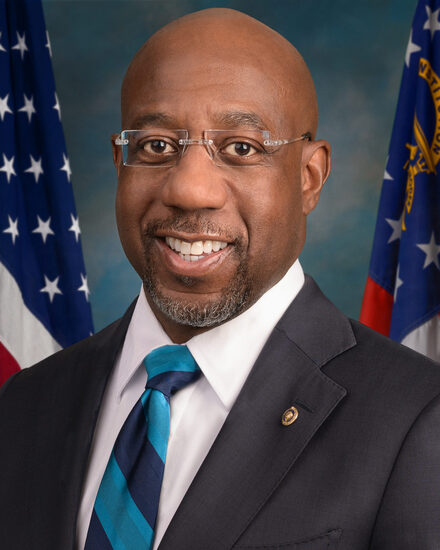
Raphael G. Warnock
Senate
|
D |
Strong +
|
100% | 211 |
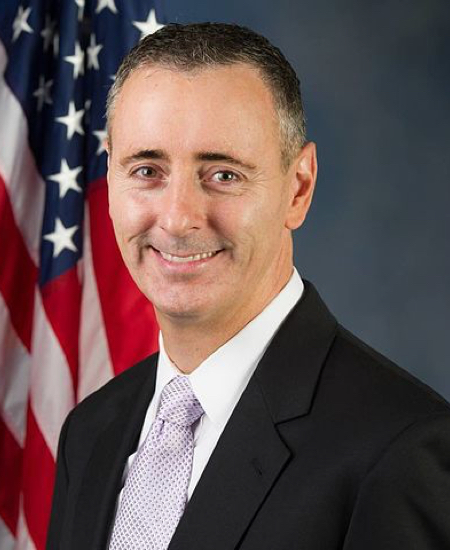
Brian K. Fitzpatrick
House · District 1
|
R |
Strong +
|
92% | 194 |

Robert P. Bresnahan, Jr.
House · District 8
|
R |
Strong +
|
92% | 197 |
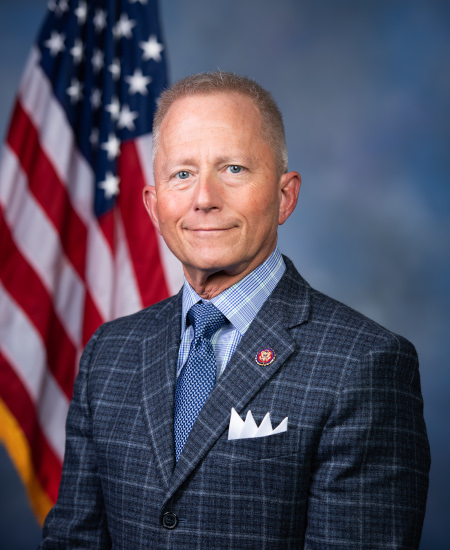
Jefferson Van Drew
House · District 2
|
R |
Strong +
|
92% | 197 |
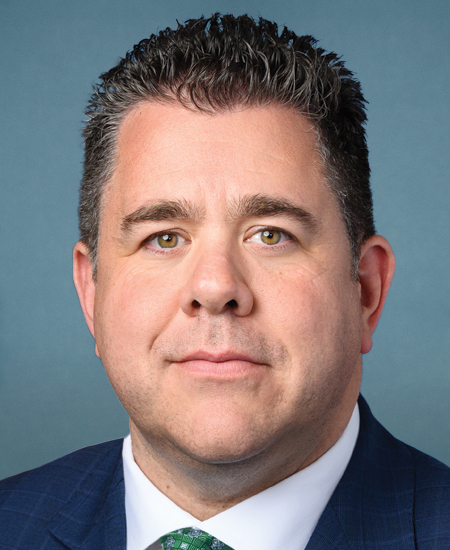
Nick LaLota
House · District 1
|
R |
Strong +
|
92% | 195 |
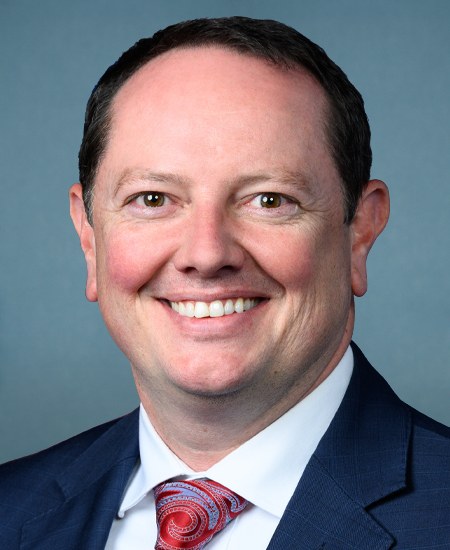
Eric Burlison
House · District 7
|
R |
Oppose
|
31% | 197 |
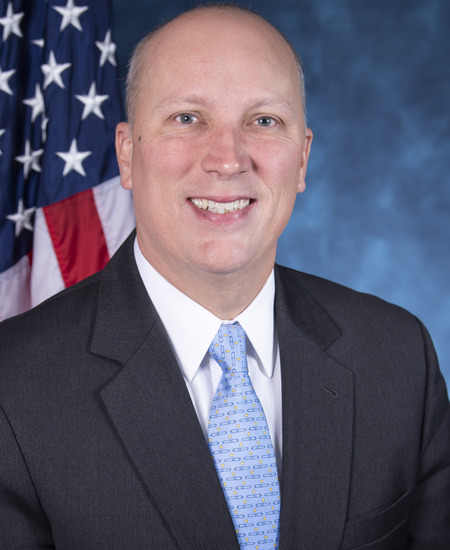
Chip Roy
House · District 21
|
R |
Oppose
|
31% | 190 |
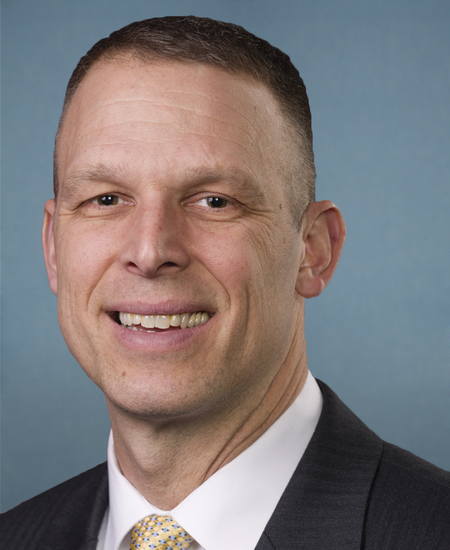
Scott Perry
House · District 10
|
R |
Oppose
|
31% | 194 |
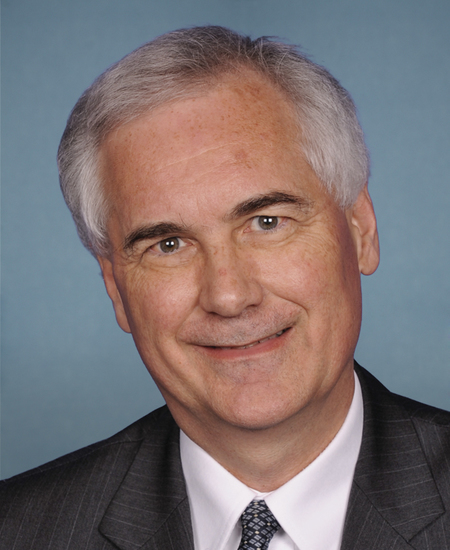
Tom McClintock
House · District 5
|
R |
Oppose
|
31% | 190 |
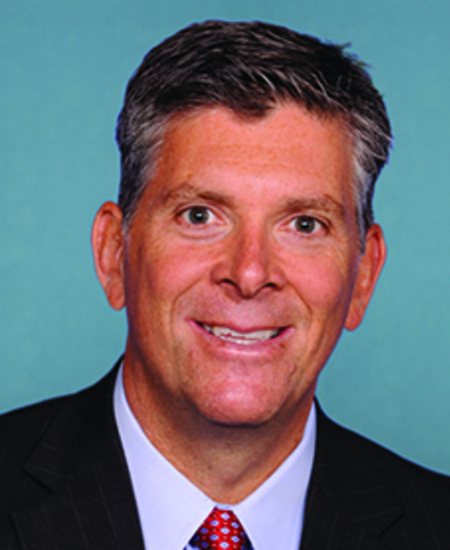
Darin LaHood
House · District 16
|
R |
Oppose
|
33% | 175 |
Showing 1,311–1,320 of 1,399
bills
All labor & employment bills
HR 3036: Protecting America’s Workers Act
HR 1177: Improve and Enhance the Work Opportunity Tax Credit Act
Topics
✓ Budget & TaxesSupports Budget & TaxesExpands tax credits for employers hiring targeted groups, providing tax relief through increased credit rates and higher limits.
✓ Labor & EmploymentSupports Labor & EmploymentIncreases tax credits for employers hiring targeted groups (veterans, SNAP recipients), promoting employment opportunities for workers facing barriers.
✓ VeteransSupports VeteransBill creates higher tax credit limits for veterans (up to $24,000/$48,000), directly supporting veteran employment through enhanced employer incentives.
S 3265: Improve and Enhance the Work Opportunity Tax Credit Act
Topics
✓ Budget & TaxesSupports Budget & TaxesExpands Work Opportunity Tax Credit with higher rates and broader eligibility, providing tax relief to employers hiring targeted groups, directly strengthening tax incentive programs.
✓ Labor & EmploymentSupports Labor & EmploymentExtends WOTC through 2030, increases credit rate to 50%, expands eligibility to military spouses/SNAP recipients - directly enhances employment opportunities for targeted groups
✓ VeteransSupports VeteransBill explicitly includes veterans as a targeted group for WOTC, supporting veteran employment through tax incentives.
HR 6646: Empowering App-Based Workers Act
Topics
✓ Labor & EmploymentSupports Labor & EmploymentRequires transparency in pay algorithms, caps platform take rates at 25%, mandates detailed pay statements - directly protects gig workers' compensation rights and workplace fairness.
✓ TechnologySupports TechnologyMandates algorithmic transparency and caps platform take rates for digital labor platforms, regulating tech company practices to protect worker pay data and fairness.
HR 3871: Apprenticeship Infrastructure Tax Credit Act of 2025
Topics
✓ Budget & TaxesSupports Budget & TaxesCreates $5B tax credit for infrastructure apprenticeships, directing government funds via tax incentives to support workforce development and economic growth.
✓ Labor & EmploymentSupports Labor & EmploymentTax credit incentivizes employer investment in apprenticeships, creating job pathways and supporting workforce development in infrastructure roles.
✓ TransportationSupports TransportationBill creates tax credits for apprentices in infrastructure occupations (including construction), directly funding workforce development for transportation infrastructure projects.
✓ VeteransSupports VeteransDirectly offers double tax credit ($6,000) for veterans in apprenticeship programs, advancing veteran employment opportunities per bill summary.
Sub-Topics
Tax Credits
Tax Incentives
Apprenticeships
Workforce Development
National Guard & Reserve
Veteran Employment
HR 7002: Justice for Exploited Children Act
Topics
✓ Criminal JusticeSupports Criminal JusticeAdds criminal penalties for child labor violations, strengthening enforcement within criminal justice framework.
✓ Labor & EmploymentSupports Labor & EmploymentIncreases penalties for child labor violations, strengthening protections for minor workers under 18 per Fair Labor Standards Act amendments.
HR 2007: Salary Transparency Act
SRES 240: A resolution affirming that diversity, equity, inclusion, and accessibility are fundamental values of the United States and emphasizing the ongoing need to address discrimination and inequality in the workplace, pre-K through 12th grade and higher education systems, government programs, the military, and our society.
Topics
✓ EducationSupports EducationBill explicitly affirms DEI as core values and emphasizes addressing discrimination in K-12 and higher education systems per summary.
✓ Labor & EmploymentSupports Labor & EmploymentExplicitly addresses workplace discrimination, wage gaps, and underrepresentation in leadership, affirming DEIA as core values to advance labor equity.
S 3825: Workforce Development Modernization Act
Topics
✓ Labor & EmploymentSupports Labor & EmploymentModernizes workforce centers to improve access to job training/employment services, advancing employment standards through flexible service delivery options.
✓ TechnologySupports TechnologyBill promotes virtual service centers and modernizes workforce development through digital infrastructure, enhancing technology adoption in public services.
Sub-Topics
Workforce Development