Issue · Labor & Employment

Labor & Employment (Labor Standards)

Every labor & employment bill, vote, and legislator stance in United States, automatically classified by Maddy, our AI policy reader.

Total bills
257
119th Congress
Top supporter
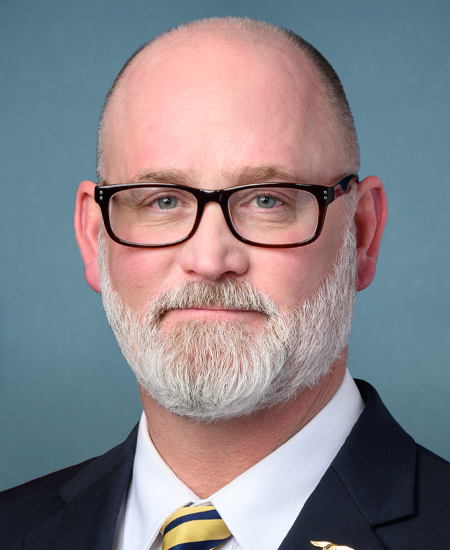
Derrick Van Orden
100% support rate
Top opponent
Julie Fedorchak
33% support rate
Ranked legislators
10
5 support · 5 oppose
Key legislators

Who's moving labor standards in United States

Legislators moving labor standards in United States
Legislator Party Stance Support rate Votes
Derrick Van Orden
Derrick Van Orden House · District 3
R
Strong +
100% 3
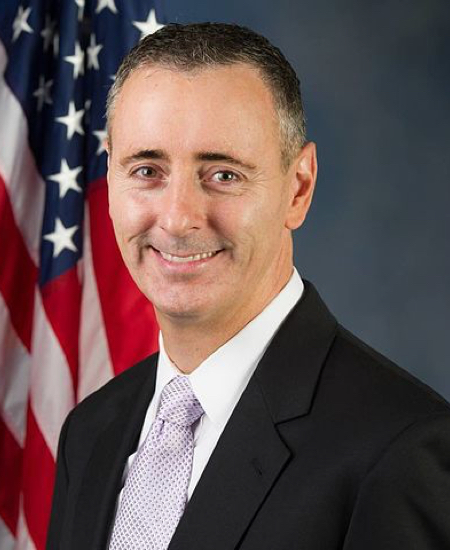
Brian K. Fitzpatrick
Brian K. Fitzpatrick House · District 1
R
Strong +
86% 7
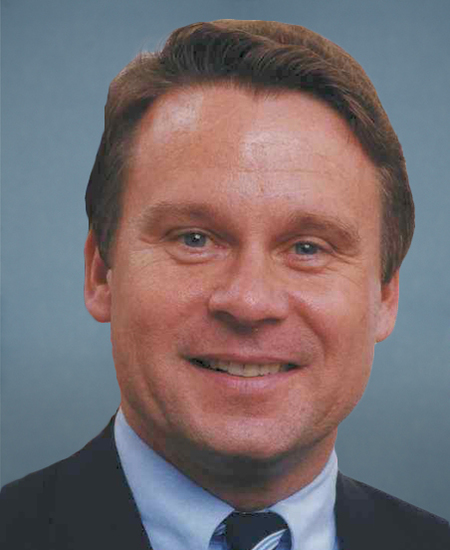
Christopher H. Smith
Christopher H. Smith House · District 4
R
Strong +
86% 7
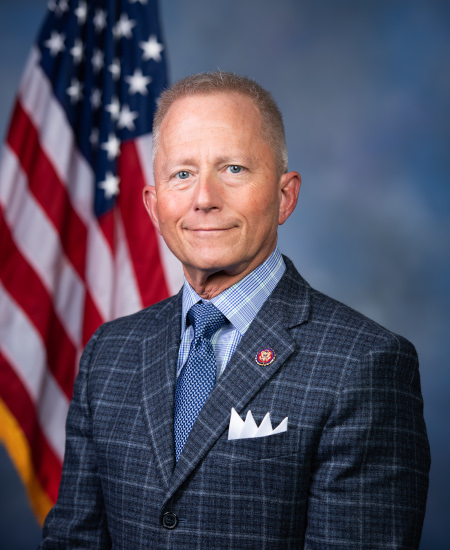
Jefferson Van Drew
Jefferson Van Drew House · District 2
R
Strong +
86% 7
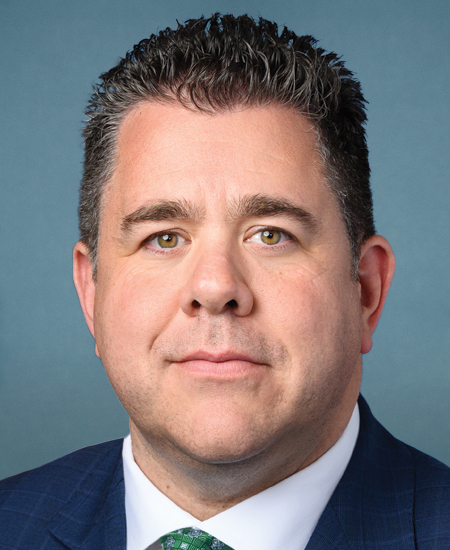
Nick LaLota
Nick LaLota House · District 1
R
Strong +
86% 7
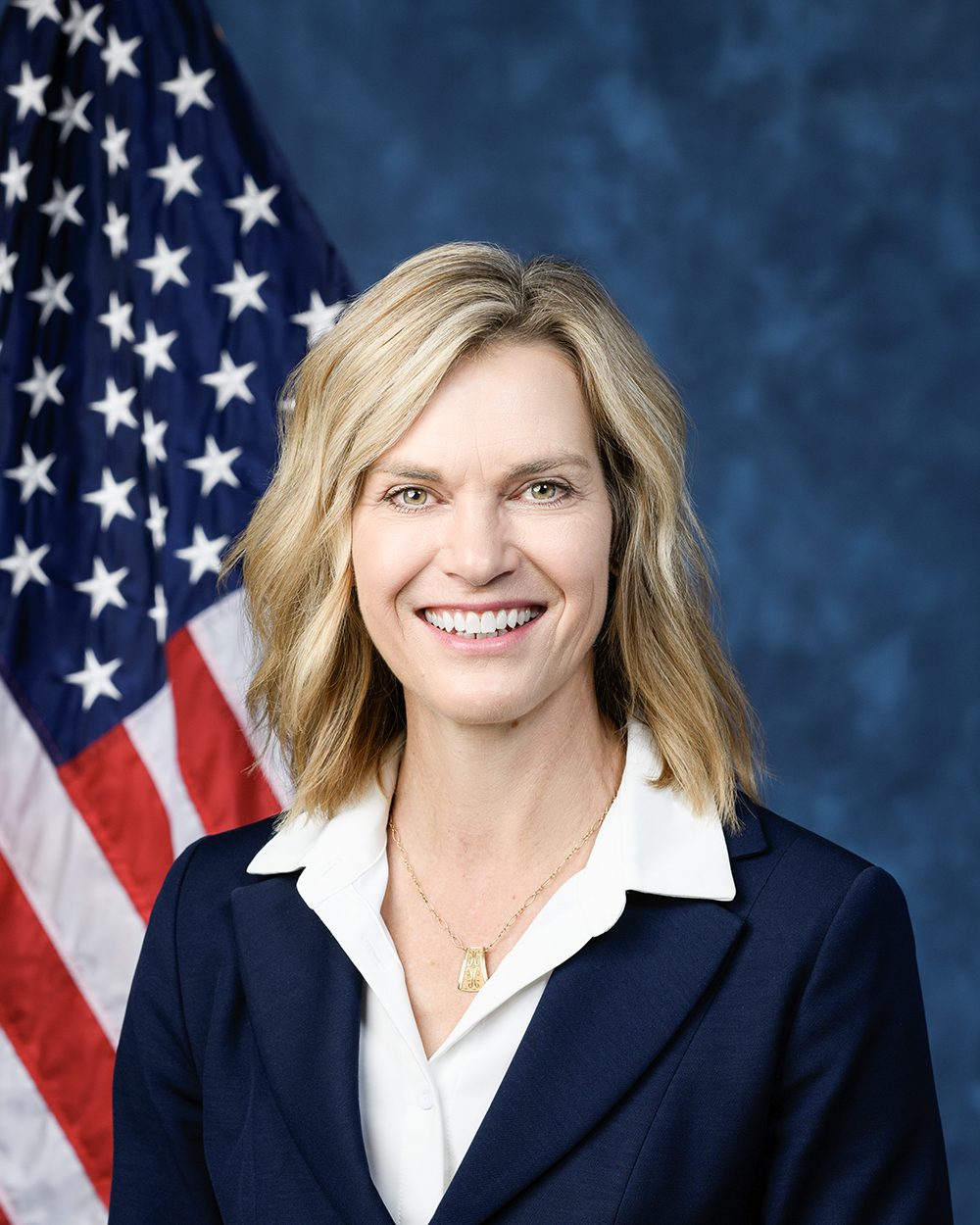
Julie Fedorchak
Julie Fedorchak House · District At-Large
R
Oppose
33% 6
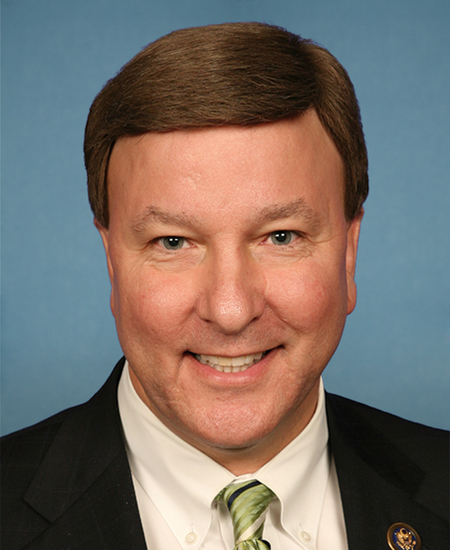
Mike Rogers
Mike Rogers House · District 3
R
Oppose
33% 6
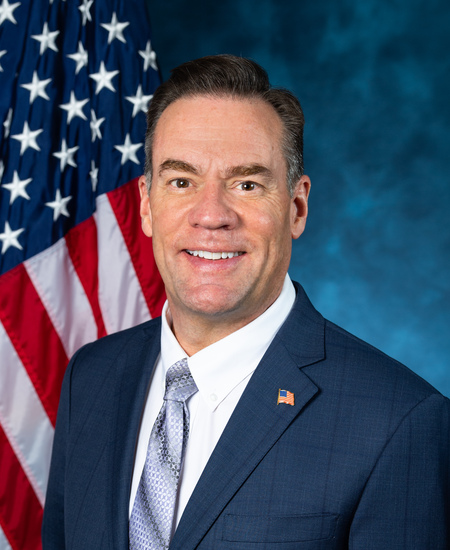
Russ Fulcher
Russ Fulcher House · District 1
R
Oppose
33% 6
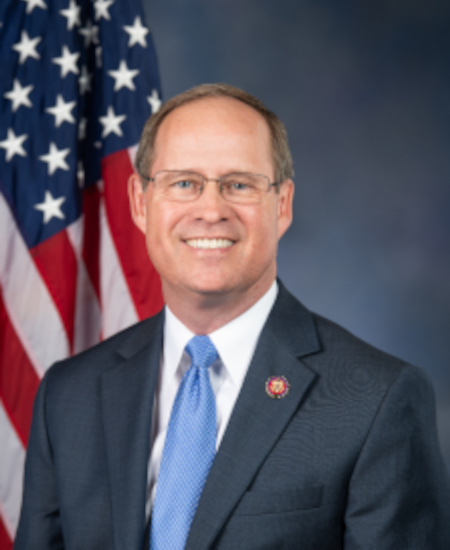
Gregory F. Murphy
Gregory F. Murphy House · District 3
R
Oppose
33% 3
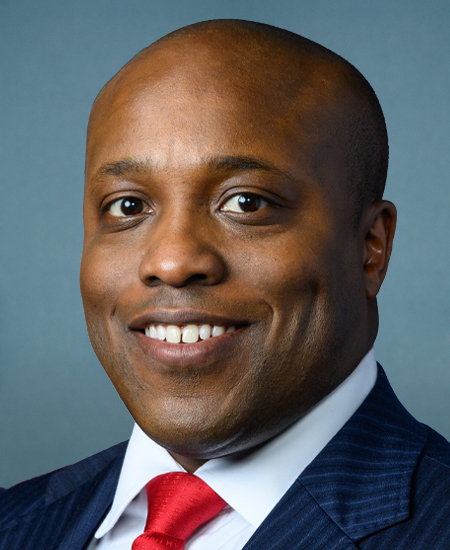
Wesley Hunt
Wesley Hunt House · District 38
R
Oppose
33% 3
Showing 121–130 of 257 bills

All labor & employment bills

in committee · United States · House Mar 18, 2025

HR 2219: Salary History Question Prohibition Act

This bill prohibits employers from using a job applicant's past salary or benefits history when making hiring decisions or setting new pay. It specifically bans employers from asking about prior wages before making an offer, relying on that history to set pay (except if the applicant voluntarily shares it after an offer to request higher pay), or retaliating against applicants who object to these practices. The law directly affects job seekers and employees who might face pay discrimination based on past earnings. Violations carry civil penalties of up to $10,000 per offense and allow affected individuals to seek damages of up to $10,000 plus attorney fees.
in committee · United States · House Feb 6, 2025

HR 1055: CONSTRUCTS Act of 2025

The CONSTRUCTS Act of 2025 creates a federal grant program to fund training programs at community colleges and career schools focused on residential construction careers. It targets rural areas and underserved populations - including veterans, low-income individuals, and groups with historically low representation in construction - to develop skills in trades like carpentry, plumbing, electrical work, and HVAC. Grants, totaling $20 million annually from 2026-2030, require flexible scheduling, partnerships with construction employers, and plans to increase affordable housing supply through workforce development. The bill directly affects community colleges in rural or underserved regions and their students seeking residential construction careers.
in committee · United States · House Jan 20, 2025

HR 567: Expanding Labor Representation in the Workforce System Act

This bill increases the required representation of labor organizations on state and local workforce development boards from 20% to 30% under the Workforce Innovation and Opportunity Act. It also expands the definition of "labor organization" to include groups representing federal/state employees, railroad workers, and agricultural laborers - previously excluded under the National Labor Relations Act. These changes directly affect workforce boards that design job training programs and connect workers to employment services. The key mechanism is raising the mandated labor representation percentage and clarifying which worker groups qualify as labor organizations for this purpose. The policy aims to broaden worker input in workforce planning without altering existing labor protections.
in committee · United States · Senate Mar 26, 2025

S 1158: Working Families Flexibility Act of 2025

The Working Families Flexibility Act of 2025 allows private sector employees to earn time off instead of cash for overtime hours, at a rate of 1.5 hours of time off for every hour of overtime worked. To qualify, employees must have worked at least 1,000 hours for their employer in the prior 12 months, and agreements for time off must be voluntary, in writing, and not tied to employment conditions. Employers must pay cash for unused time off by January 31 each year (or another agreed 12-month period), with a cap of 160 hours of accrued time. The bill excludes public employees, includes enforcement provisions for violations, and expires 5 years after enactment.
in committee · United States · Senate Jun 11, 2025

S 2031: Workforce Mobility Act of 2025

The Workforce Mobility Act of 2025 bans most noncompete agreements that restrict workers' ability to change jobs or locations. It directly affects approximately 20% of U.S. workers currently covered by such agreements, removing barriers to job mobility across industries. Key exceptions include business sales (with geographic limits), partnership dissolutions, and senior executives receiving severance pay (capped at one year). The bill preserves employers' ability to protect trade secrets and confidential information through separate agreements, while requiring employers to post notices about the law and establishing enforcement by the FTC and Department of Labor.
in committee · United States · Senate May 12, 2025

S 1709: Nurse Staffing Standards for Hospital Patient Safety and Quality Care Act of 2025

The Nurse Staffing Standards for Hospital Patient Safety and Quality Care Act of 2025 establishes specific minimum nurse-to-patient ratios for different hospital units, such as 1:1 in trauma emergency units and 2:1 in critical care units. Hospitals must develop and annually update staffing plans with nurse input, document actual staffing levels for each shift, and prohibit practices like averaging ratios or mandating overtime. The bill provides protections for nurses who refuse unsafe assignments and prohibits retaliation for reporting staffing violations, with enforcement through Medicare, Medicaid, and other federal health programs. This applies to all hospitals, including those operated by the Department of Veterans Affairs, Department of Defense, and Indian Health Service.
in committee · United States · House Mar 6, 2025

HR 1962: Guaranteeing Overtime for Truckers Act

This bill amends the Fair Labor Standards Act to remove an exemption that previously allowed certain truck drivers to be excluded from overtime pay requirements. It directly affects commercial truck drivers who were previously not required to receive overtime pay for hours worked beyond 40 in a workweek. The key mechanism is striking the existing exemption language in Section 13(b), which would require truck drivers to be paid overtime for all hours worked over 40 per week. This change would extend standard overtime protections to these workers under federal law. The bill focuses on a specific policy change to labor standards, not broader industry impacts.
in committee · United States · Senate May 22, 2025

S 1881: Public Service Worker Protection Act

This bill expands workplace safety protections under the Occupational Safety and Health Act to cover public employees, including those working for federal, state, or local government agencies. It amends the law to explicitly include "the United States, a State, or a political subdivision of a State" in the definition of covered workers, removing previous exclusions. The key provision requires all public workplaces to follow OSHA safety standards, with a 36-month transition period for states or localities without their own OSHA-approved plans. This directly affects government workers like teachers, police, and sanitation staff who were previously excluded from federal OSHA coverage.
in committee · United States · House Dec 18, 2025

HR 6847: Fair Wages for Farmworkers Act

This bill updates the process for H-2A agricultural visas. It requires the Department of Labor to use Bureau of Labor Statistics wage data to set the minimum wage rate for farmworkers, directly affecting farm employers needing these visas and the workers they hire. The bill also amends immigration law to have the Secretary of Homeland Security handle visa processing instead of the Attorney General and allows simultaneous processing of labor certifications and visa petitions. These changes aim to streamline the H-2A program while ensuring wage rates are based on current local data. The bill does not alter the wage rate amount itself but changes how it is calculated and processed.
Sub-Topics Labor Standards Minimum Wage Tags Agriculture
in committee · United States · House Sep 30, 2025

HR 5628: Pay Workers What They’ve Earned Act

This bill requires the federal government to reimburse certain workers and states for specific costs incurred during government shutdowns lasting 14+ days. Covered workers include federal employees, District of Columbia public employees, and federal contractors who faced furloughs, unpaid work, or unpaid leave due to funding lapses. It mandates reimbursement for direct shutdown-related expenses like loan payments or credit card fees (defined as "shutdown costs"), and requires states to be reimbursed within 90 days for covering federal programs during such shutdowns. Applications for reimbursement must be submitted within one year of the shutdown ending, with payments drawn from a new Treasury Reserve Fund established by the bill.
Sub-Topics Labor Standards
Showing 121 to 130 of 257 bills
Previous 1 12 13 14 26 Next