Issue · Labor & Employment

Labor & Employment

Every labor & employment bill, vote, and legislator stance in United States, automatically classified by Maddy, our AI policy reader.

Total bills
1,399
119th Congress
Top supporter
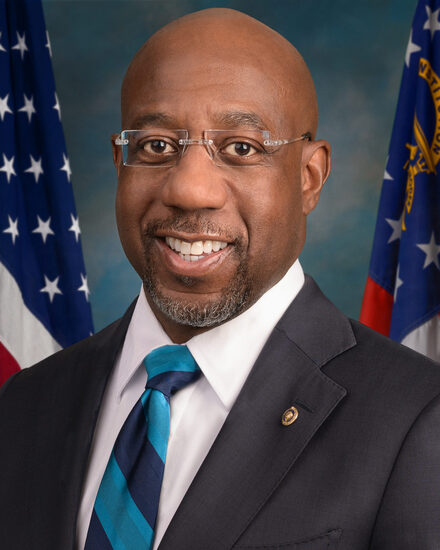
Raphael G. Warnock
100% support rate
Top opponent
Eric Burlison
31% support rate
Ranked legislators
10
5 support · 5 oppose
Key legislators

Who's moving labor & employment in United States

Legislators moving labor & employment in United States
Legislator Party Stance Support rate Votes
Raphael G. Warnock
Raphael G. Warnock Senate
D
Strong +
100% 211
Brian K. Fitzpatrick
Brian K. Fitzpatrick House · District 1
R
Strong +
92% 194
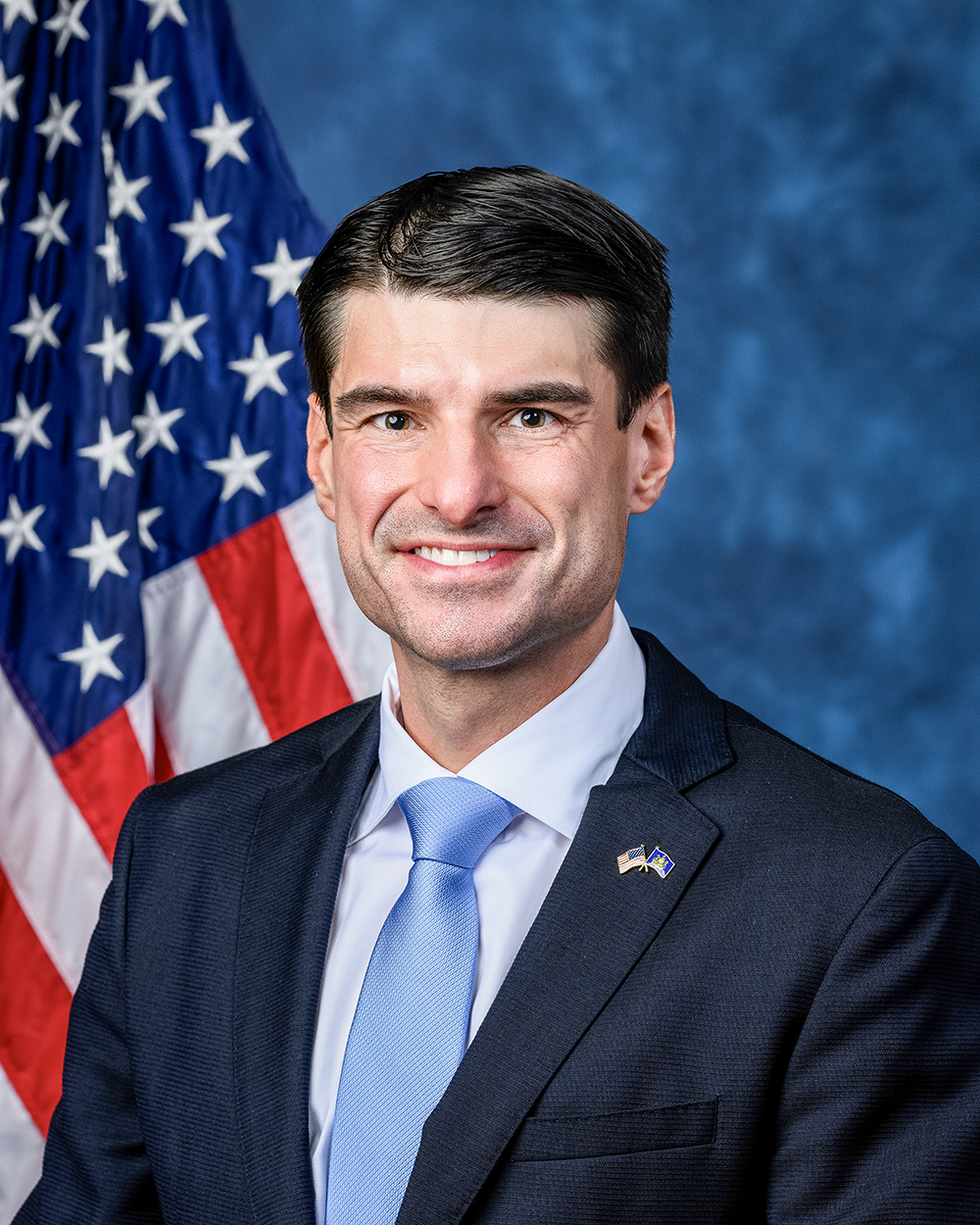
Robert P. Bresnahan, Jr.
Robert P. Bresnahan, Jr. House · District 8
R
Strong +
92% 197
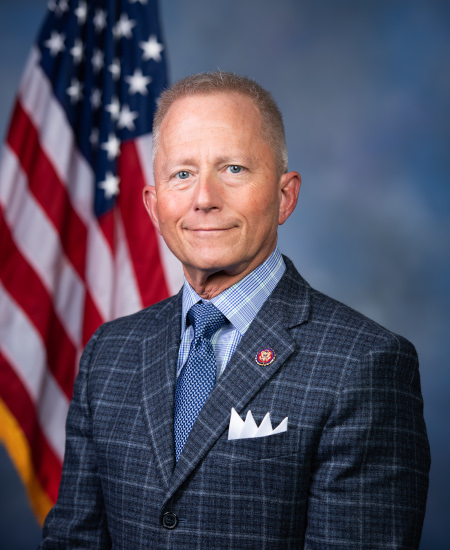
Jefferson Van Drew
Jefferson Van Drew House · District 2
R
Strong +
92% 197
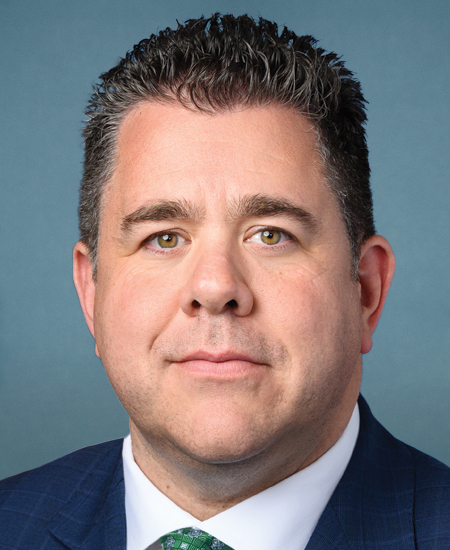
Nick LaLota
Nick LaLota House · District 1
R
Strong +
92% 195
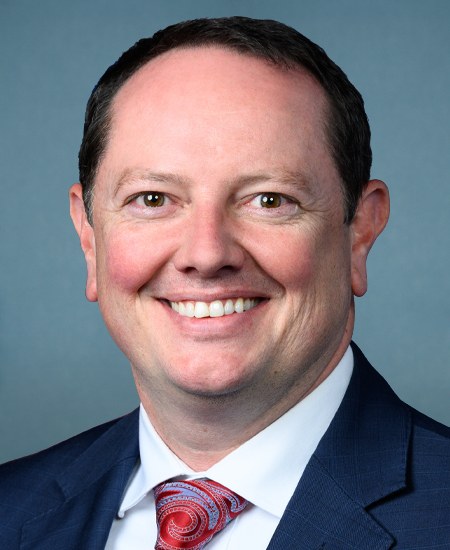
Eric Burlison
Eric Burlison House · District 7
R
Oppose
31% 197
Chip Roy
Chip Roy House · District 21
R
Oppose
31% 190
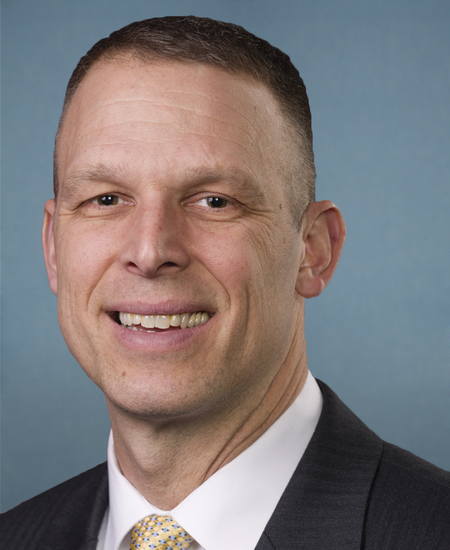
Scott Perry
Scott Perry House · District 10
R
Oppose
31% 194
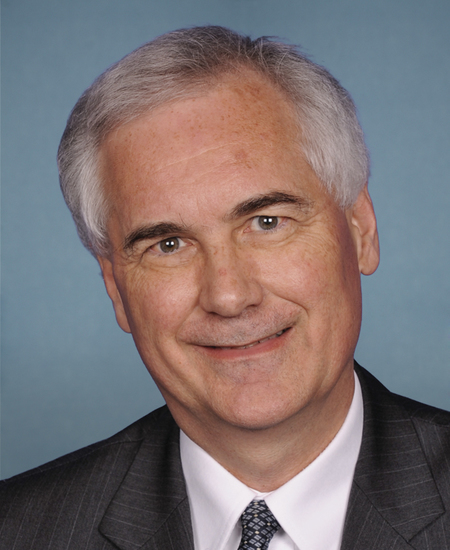
Tom McClintock
Tom McClintock House · District 5
R
Oppose
31% 190
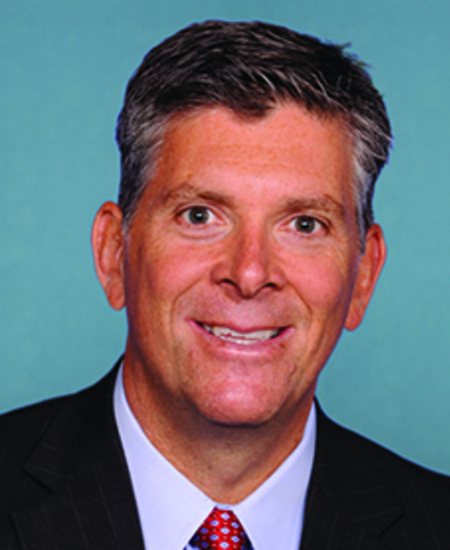
Darin LaHood
Darin LaHood House · District 16
R
Oppose
33% 175
Showing 1,151–1,160 of 1,399 bills

All labor & employment bills

in committee · United States · Senate Nov 20, 2025

S 3243: Ending Forced Arbitration of Race Discrimination Act of 2025

This bill prohibits employers from requiring employees to use forced arbitration for race discrimination claims. It directly affects workers who face discrimination based on race, color, or national origin in employment, making pre-dispute arbitration agreements unenforceable for such cases. The key mechanism requires courts - not arbitrators - to decide if an arbitration clause applies, ensuring employees can choose to pursue claims in court under federal, tribal, state, or local law. The law applies to all new or ongoing claims arising after its enactment.
in committee · United States · Senate Dec 17, 2025

S 3534: A bill to amend the Internal Revenue Code of 1986 to provide a credit for increasing wages paid to child care providers.

This bill creates a new tax credit for employers who pay qualified wages to child care workers. Employers at eligible child care facilities (providing care for at least 6 children, charging fees, and meeting state regulations) can claim a 5% credit on those wages, increasing to 7% for facilities in rural areas. The credit applies to wage increases and is treated as part of the general business tax credit. It directly affects child care employers by reducing their federal tax liability for raising wages at qualifying facilities.
in committee · United States · House Jan 13, 2026

HR 7032: Pay Paraprofessionals and Support Staff Act

This bill establishes minimum salary and wage standards for paraprofessionals and education support staff in public schools. It requires states to set a minimum annual salary of $45,000 for full-time staff (increasing with inflation after 2030) and a minimum hourly wage of $30 for part-time staff (also inflation-adjusted). The federal government will provide $25 billion in FY2026, with annual funding increases, to help states implement these standards through grants. States must ensure all local schools meet these minimums within 4 years of receiving funds, with 98% of grant money allocated directly to schools for salary increases or professional development.
in committee · United States · House Apr 17, 2025

HR 2949: Working Families Task Force Act of 2025

HR 2949, the Working Families Task Force Act of 2025, establishes a federal task force to examine challenges facing working families and develop policy recommendations. The task force, led by the Secretary of Labor and including representatives from 9 agencies (like Health, Education, Housing, and Small Business), will meet quarterly to study issues such as affordable childcare, livable wages, housing access, healthcare costs, and workforce training. It must submit a report to Congress within 180 days, detailing findings, stakeholder consultations, and recommendations for improving working families' quality of life. This bill creates a research and coordination mechanism but does not enact new laws or funding.
in committee · United States · House Mar 31, 2025

HR 2506: AID Youth Employment Act

The AID Youth Employment Act creates federal grant programs to support summer and year-round employment for youth aged 14-24, with special focus on marginalized youth including those who are homeless, in foster care, or involved in the justice system. The bill allocates $1.8 billion for summer employment programs and $2.4 billion for year-round programs, requiring eligible entities to form partnerships with educational agencies, workforce development organizations, and community partners. It establishes performance metrics to track employment rates, education enrollment, and credential attainment for participants, with specific requirements that 20% of summer funding support rural areas and 5% support tribal areas. The law includes special provisions for tribal communities and requires annual evaluations to ensure program quality and effectiveness.
in committee · United States · Senate Jul 29, 2025

S 2495: Keep Call Centers in America Act of 2025

This bill requires employers who relocate call centers outside the United States or contract call center work overseas to notify the Secretary of Labor 120 days in advance. It creates a public list of such employers and makes them ineligible for federal grants or guaranteed loans for five years. The bill also mandates that Federal agencies give preference to employers not on this list when awarding contracts and requires all call center work under Federal contracts to be performed within the United States. Additionally, businesses must disclose to customers if they're using artificial intelligence for customer service or if the agent is outside the U.S., and must transfer customers to a U.S.-based human agent upon request.
in committee · United States · Senate Feb 19, 2025

S 636: Public Safety Employer-Employee Cooperation Act

The Public Safety Employer-Employee Cooperation Act establishes minimum standards for collective bargaining rights for public safety employees, including law enforcement officers, firefighters, and emergency medical services personnel. It requires states to substantially provide specific rights such as forming labor organizations, negotiating terms of employment, and using binding interest arbitration to resolve disputes. The Federal Labor Relations Authority would determine if states meet these standards, and states that don't would be subject to federal regulations for public safety bargaining. The law also prohibits strikes and lockouts in public safety sectors while respecting existing state laws that provide stronger protections for these workers.
in committee · United States · Senate Feb 12, 2026

S 3886: Nurses Belong in Nursing Homes Act

This bill establishes minimum nurse staffing requirements for nursing homes participating in Medicare and Medicaid. It requires facilities to provide 24-hour registered nurse coverage (transitioning from 8-hour daily coverage within 180 days of enactment) and maintain a minimum of 3.48 hours of nursing care per resident daily. The bill mandates a study every four years to review staffing standards based on resident needs and safety data, with findings informing future regulations. Additionally, it directs states to use a portion of collected civil penalties to fund workforce programs like student loan repayment and career pathway development for nursing home staff.
in committee · United States · House Apr 30, 2025

HR 3090: I–PLAN Act of 2025

The I-PLAN Act of 2025 establishes an Interstate Paid Leave Action Network (I-PLAN) to coordinate state paid family and medical leave programs across state lines. It requires participating states to develop a standardized interstate agreement covering key elements like benefit calculations, eligibility rules, and administrative processes to simplify compliance for employers and employees working in multiple states. The bill creates a national intermediary to support I-PLAN activities, including developing technology systems for processing cross-state leave claims and producing annual reports comparing state programs. States with existing paid leave programs can receive federal grants to help implement the agreement and cover administrative costs, with funding authorized for fiscal years 2026-2028. This legislation directly affects states, employers operating across state lines, and employees who work in multiple states.
in committee · United States · House Mar 4, 2025

HR 1826: Child Care Workforce Act

This bill establishes a federal pilot program to increase wages for child care workers through competitive grants to states and tribes. It requires grant recipients to use funds directly to supplement wages for eligible workers in licensed child care centers or home-based settings, paid quarterly, with up to 10% of funds allowed for administrative costs. The program must track impacts on worker retention, well-being, care quality, and affordability, and report results to Congress within two years. It targets low-wage workers in underserved areas, including those serving infants, toddlers, children with disabilities, or during nontraditional hours.
Sub-Topics Child Labor
Showing 1,151 to 1,160 of 1,399 bills