Issue · Labor & Employment

Labor & Employment

Every labor & employment bill, vote, and legislator stance in United States, automatically classified by Maddy, our AI policy reader.

Total bills
144
119th Congress
Top supporter
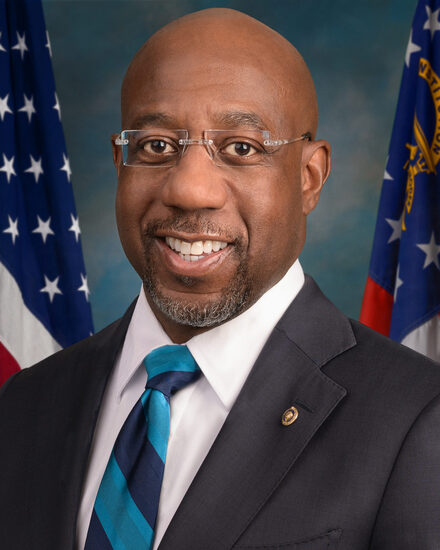
Raphael G. Warnock
100% support rate
Top opponent
Eric Burlison
31% support rate
Ranked legislators
10
5 support · 5 oppose
Key legislators

Who's moving labor & employment in United States

Legislators moving labor & employment in United States
Legislator Party Stance Support rate Votes
Raphael G. Warnock
Raphael G. Warnock Senate
D
Strong +
100% 211
Brian K. Fitzpatrick
Brian K. Fitzpatrick House · District 1
R
Strong +
92% 194
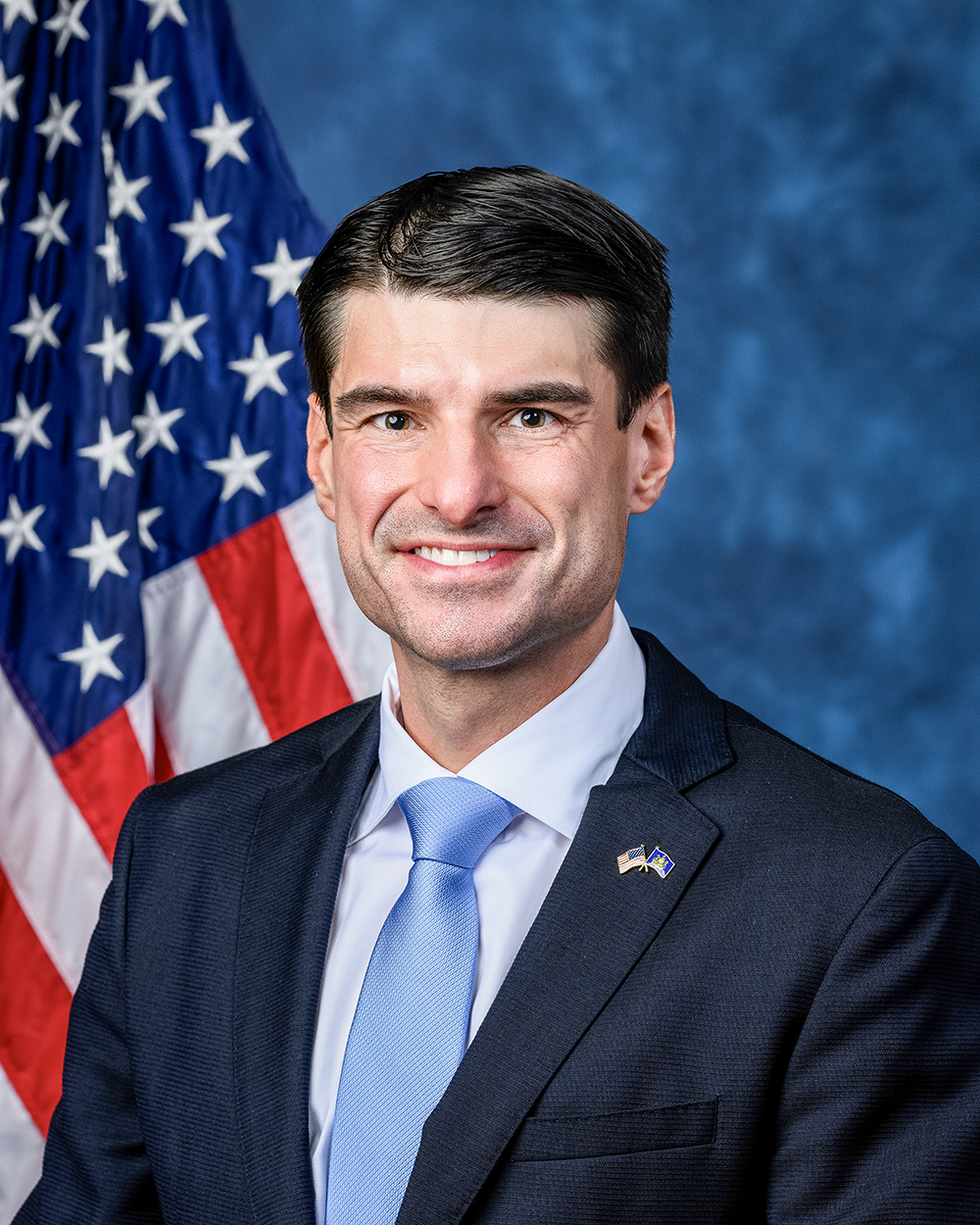
Robert P. Bresnahan, Jr.
Robert P. Bresnahan, Jr. House · District 8
R
Strong +
92% 197
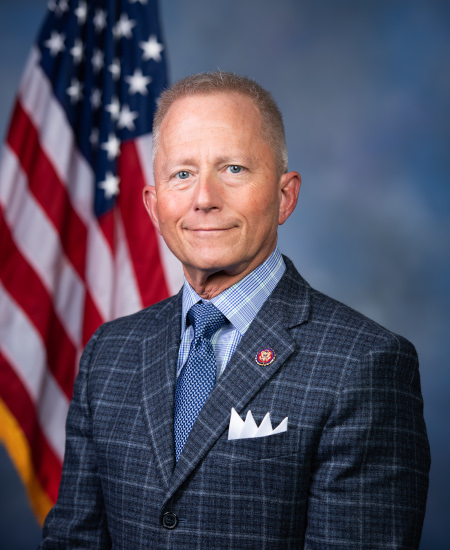
Jefferson Van Drew
Jefferson Van Drew House · District 2
R
Strong +
92% 197
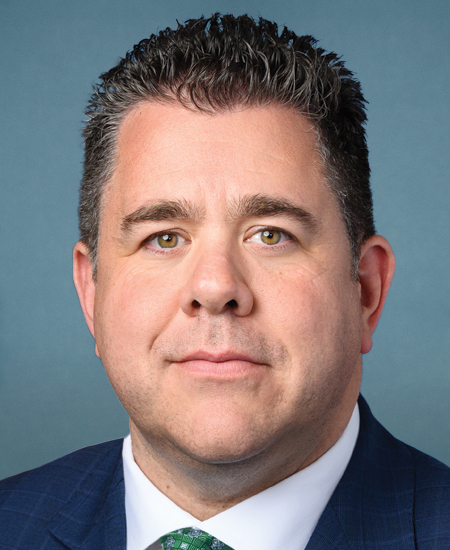
Nick LaLota
Nick LaLota House · District 1
R
Strong +
92% 195
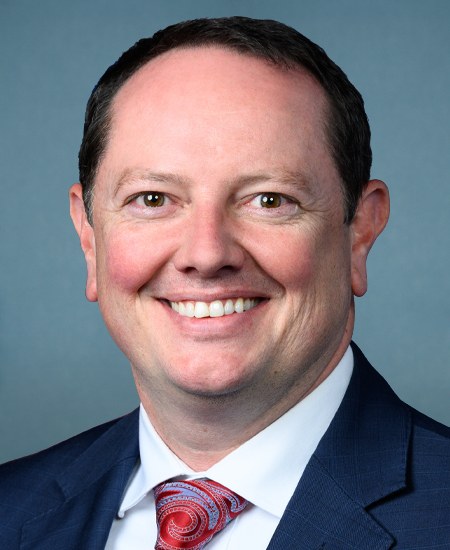
Eric Burlison
Eric Burlison House · District 7
R
Oppose
31% 197
Chip Roy
Chip Roy House · District 21
R
Oppose
31% 190
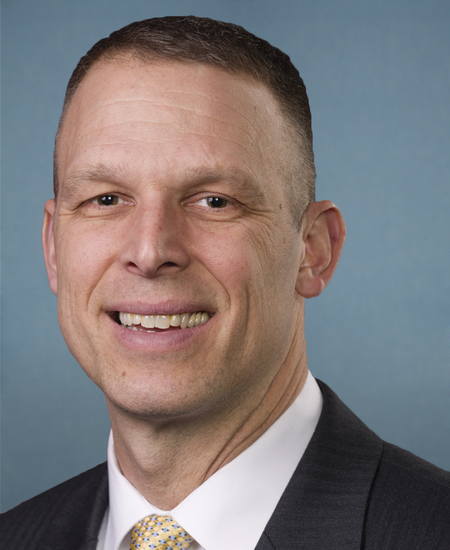
Scott Perry
Scott Perry House · District 10
R
Oppose
31% 194
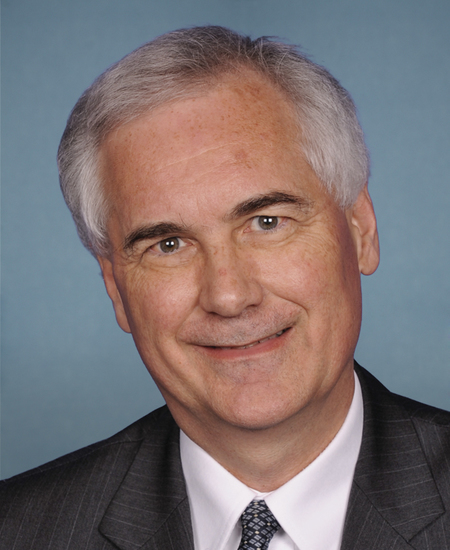
Tom McClintock
Tom McClintock House · District 5
R
Oppose
31% 190
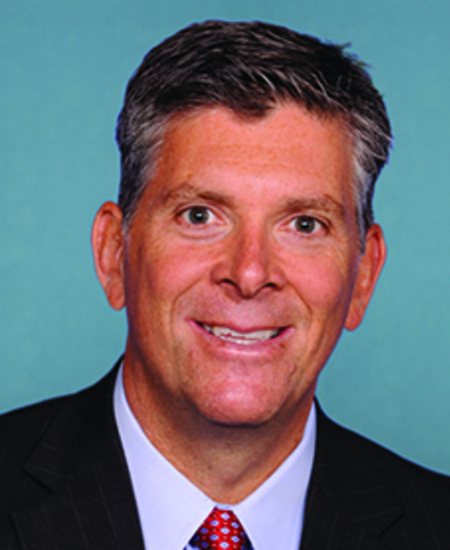
Darin LaHood
Darin LaHood House · District 16
R
Oppose
33% 175
Showing 101–110 of 144 bills

All labor & employment bills

in committee · United States · House May 19, 2025

HR 3499: Outdoor Recreational Outfitting and Guiding Act

This bill amends the Fair Labor Standards Act to exempt certain employees in the outdoor recreation industry from overtime pay requirements. It specifically applies to employees primarily engaged in outdoor recreational outfitting (like equipment rentals) or guiding services, but only if their business meets one of two seasonal criteria: operating for fewer than seven months annually, or having average receipts for six months that don't exceed 33 1/3% of receipts during the other six months. The exemption applies to wages and overtime compensation for workweeks starting after the bill's enactment date. This change directly affects small seasonal outdoor recreation businesses and their employees who meet the specified operational thresholds.
in committee · United States · House Feb 26, 2026

HR 7739: Rural Emergency Response Support Act

HR 7739, the Rural Emergency Response Support Act, amends the Fair Labor Standards Act to exempt rural employers of emergency medical technicians (EMTs) and paramedics from standard overtime requirements. It specifically applies to public agencies (like counties or towns) with fewer than 100,000 residents and private entities contracted by them. The key provision removes these employers from FLSA overtime violations when employing EMTs or paramedics, easing compliance for small rural emergency response teams. This directly affects rural EMS providers in smaller communities by allowing flexibility in scheduling without triggering overtime pay obligations under current law.
Sub-Topics Labor Standards Tags Public Safety
in committee · United States · Senate Jan 28, 2025

S 268: Saving American Workers’ Benefits Act of 2025

The Saving American Workers’ Benefits Act of 2025 requires taxpayers claiming the Child Tax Credit or Earned Income Credit to provide Social Security Numbers (SSNs) that confirm the individual is authorized to work in the United States. Specifically, the SSN must be issued to a U.S. citizen or under specific Social Security Act provisions indicating work eligibility, and must be issued before the tax return deadline. The bill updates tax code references to replace "TIN" (Taxpayer Identification Number) with "SSN" in certain procedures and removes an exception for SSNs that do not indicate work authorization. These changes apply to tax returns for taxable years beginning after December 31, 2025, directly affecting individuals seeking these federal tax credits.
Sub-Topics Work Authorization
in committee · United States · Senate Feb 2, 2026

S 3760: CLOSE Act

The CLOSE Act terminates temporary pandemic unemployment benefit programs established under the CARES Act, including Pandemic Unemployment Assistance and Federal Pandemic Unemployment Compensation, after a 30-day grace period following enactment. It also cancels (rescinds) unused federal funds that were allocated for these programs but not yet spent. This directly affects states administering these benefits and individuals who received pandemic-era unemployment support. The bill stops future payments and returns unobligated funds to the Treasury without altering benefits already paid.
Sub-Topics Unemployment
in committee · United States · House Feb 2, 2026

HR 7306: CLOSE Act

The CLOSE Act terminates three federal unemployment assistance programs established under the CARES Act, ending all future payments 30 days after the bill's enactment. It cancels unspent funds that were allocated for these programs, requiring states to return unused money to the federal government. This directly affects states administering the CARES Act unemployment programs but does not change current benefits for individuals already receiving assistance. The bill focuses on ending future funding and reclaiming unused resources, with no impact on existing recipients.
Sub-Topics Unemployment
in committee · United States · House Feb 20, 2026

HR 2958: Balance the Scales Act

HR 2958, the Balance the Scales Act, requires the U.S. Department of Labor to obtain written agreements with individuals before sharing information that could be used in lawsuits against employers or pension plan sponsors. The bill mandates annual reports to Congress detailing these agreements, including redacted copies, dates, types of information shared, and communications logs, while protecting privacy. It also adds a policy finding that private pension plans are vital for employee security. The law applies to any "adverse assistance" provided on or after its enactment date.
Sub-Topics Retirement Benefits
in committee · United States · House Jul 16, 2025

HR 4424: SHIELD Act

The SHIELD Act would change unemployment benefit eligibility by barring workers from receiving regular unemployment compensation if they are unemployed due to a strike or labor dispute they are participating in, financially supporting, or have a direct interest in (excluding lockouts). This rule would require states to adjust their unemployment programs to deny benefits in such cases. The changes would take effect two years after the bill becomes law, though states could choose to implement them sooner. The bill also repeals a federal tax provision related to unemployment tax rates, but this is a secondary provision.
in committee · United States · House May 21, 2025

HR 3545: TEENS Act

The TEENS Act amends child labor rules to allow teenagers working during school sessions to work up to 24 hours per week, with specific time restrictions. It directly affects teen workers in part-time jobs, setting a maximum weekly hour limit and requiring work to start no earlier than 7:00 a.m. and end no later than 9:00 p.m. in their local time zone. These provisions prevent employers from being deemed in violation of "oppressive child labor" rules under the Fair Labor Standards Act when following these limits. The bill creates a clear, time-bound framework for teen work hours during school terms.
in committee · United States · House Mar 25, 2025

HR 2249: Preserving Presidential Management Authority Act

HR 2249, the "Preserving Presidential Management Authority Act," gives a newly elected president the authority to terminate specific provisions of existing federal employee union contracts upon taking office. It allows the president (via agency heads) to end parts of these contracts that conflict with presidential orders, executive actions, or agency rules, making such conflicting contract terms unenforceable. The bill requires agencies to notify unions in writing when such terminations or conflicts are applied. This applies only to new presidents, not sitting ones, and directly affects federal agencies and their unionized employees by altering the enforceability of their existing collective bargaining agreements.
in committee · United States · House Feb 11, 2025

HR 1193: Future in Logging Careers Act

This bill amends the Fair Labor Standards Act to create child labor exemptions for specific logging work. It allows 16- and 17-year-olds to work in mechanized timber harvesting operations (like felling, processing, and transporting timber using machinery) that the Secretary of Labor deems particularly hazardous, provided the employer is not owned or operated by a parent or guardian. The exemption applies to jobs involving equipment such as feller-bunchers, forwarders, and whole tree processors, but excludes children working for non-family-owned logging businesses. It does not create new career programs but modifies existing child labor restrictions for certain logging occupations.
Showing 101 to 110 of 144 bills
Previous 1 10 11 12 15 Next