Issue · Labor & Employment

Labor & Employment (Labor Standards)

Every labor & employment bill, vote, and legislator stance in United States, automatically classified by Maddy, our AI policy reader.

Total bills
257
119th Congress
Top supporter
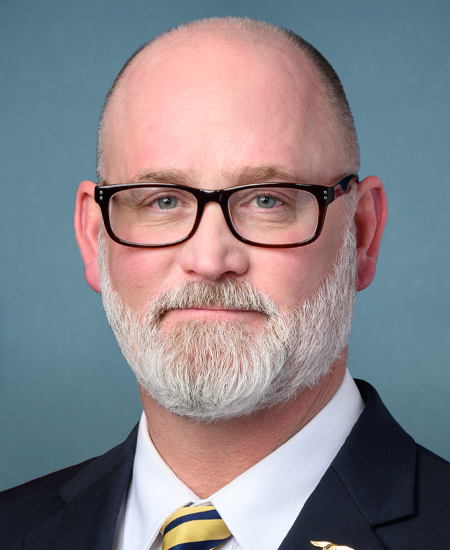
Derrick Van Orden
100% support rate
Top opponent
Julie Fedorchak
33% support rate
Ranked legislators
10
5 support · 5 oppose
Key legislators

Who's moving labor standards in United States

Legislators moving labor standards in United States
Legislator Party Stance Support rate Votes
Derrick Van Orden
Derrick Van Orden House · District 3
R
Strong +
100% 3
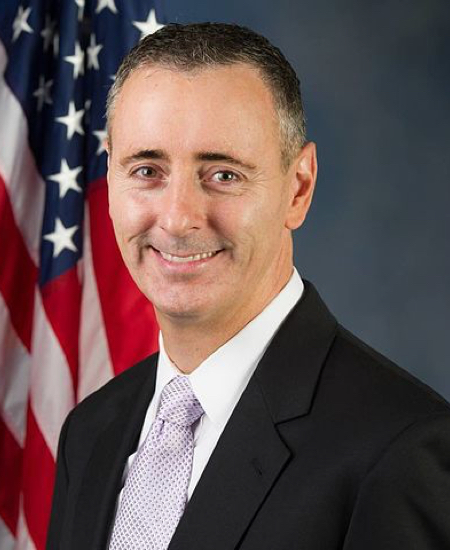
Brian K. Fitzpatrick
Brian K. Fitzpatrick House · District 1
R
Strong +
86% 7
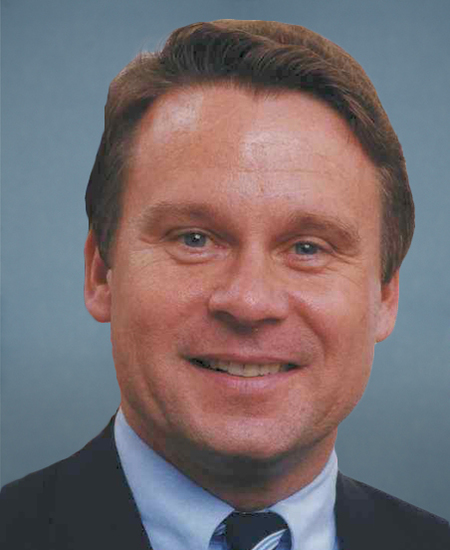
Christopher H. Smith
Christopher H. Smith House · District 4
R
Strong +
86% 7
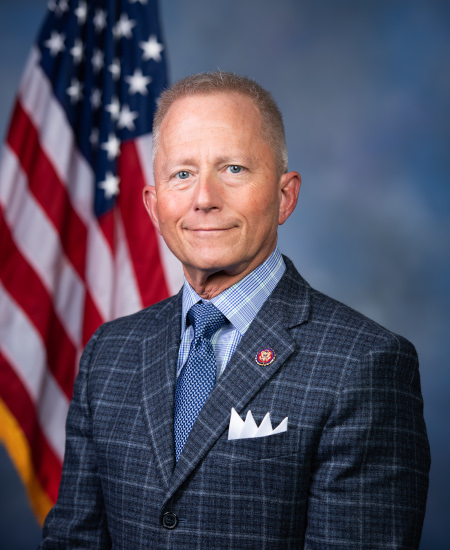
Jefferson Van Drew
Jefferson Van Drew House · District 2
R
Strong +
86% 7
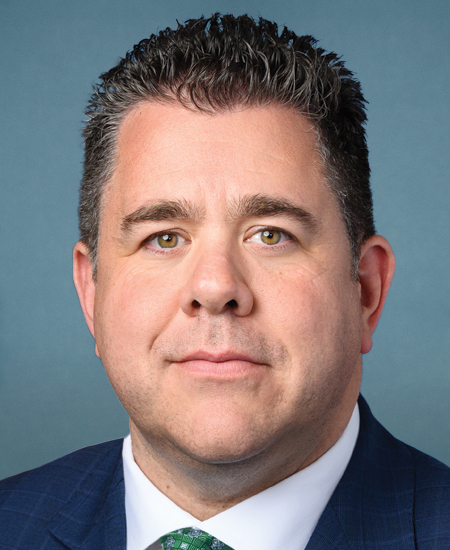
Nick LaLota
Nick LaLota House · District 1
R
Strong +
86% 7
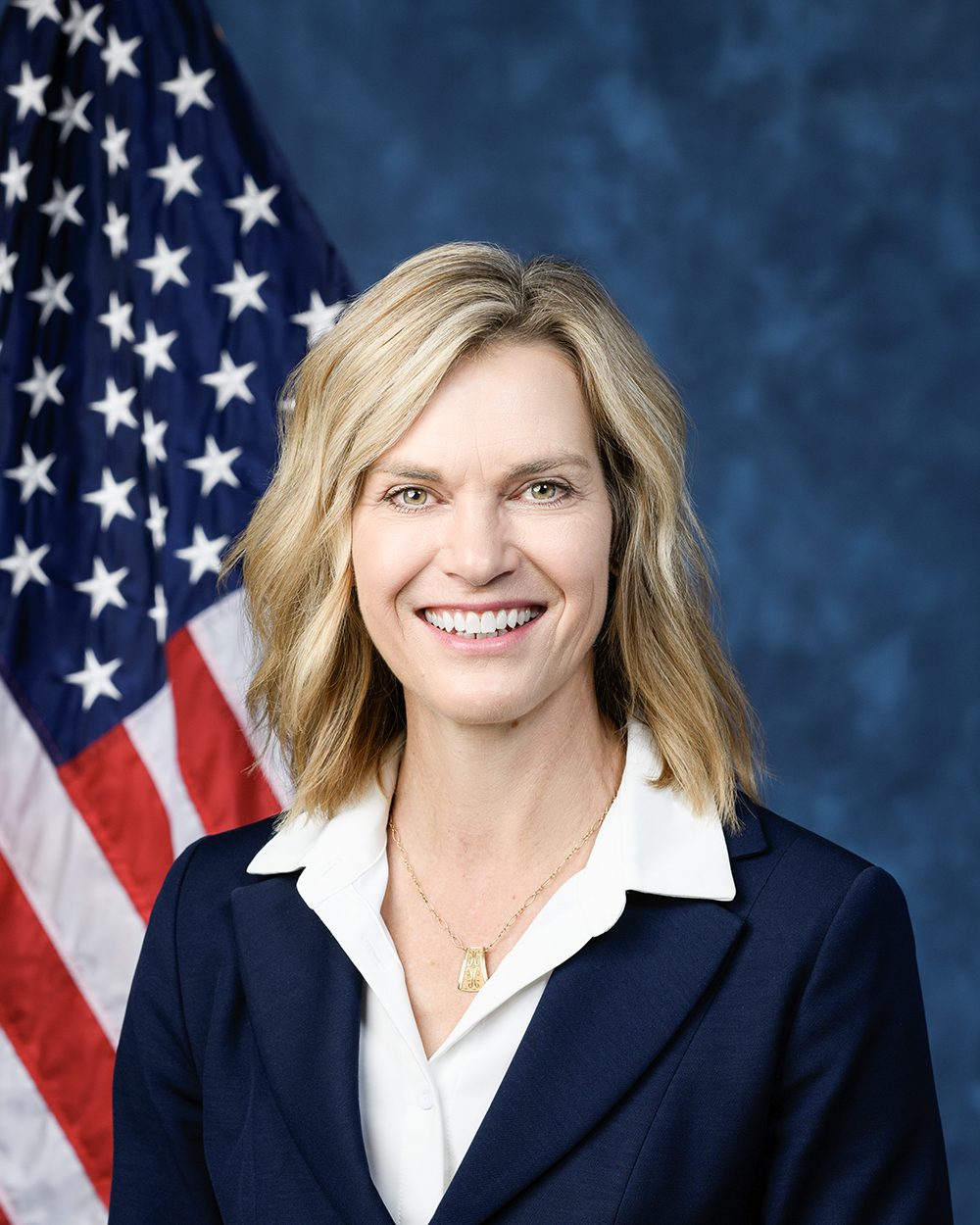
Julie Fedorchak
Julie Fedorchak House · District At-Large
R
Oppose
33% 6
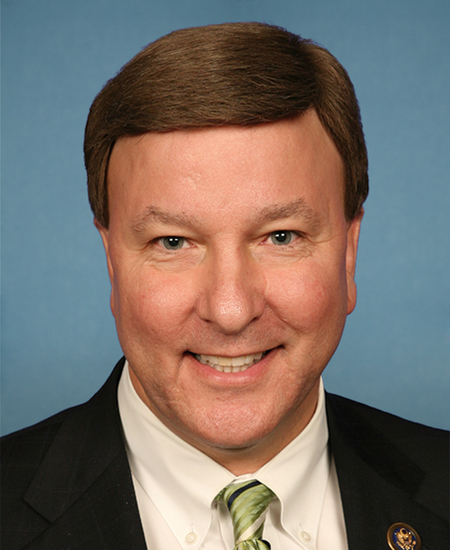
Mike Rogers
Mike Rogers House · District 3
R
Oppose
33% 6
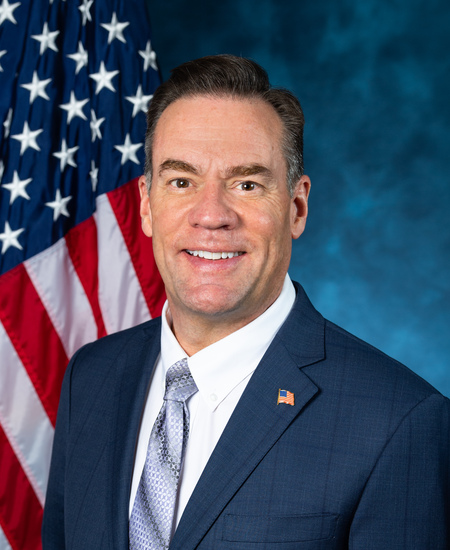
Russ Fulcher
Russ Fulcher House · District 1
R
Oppose
33% 6
Gregory F. Murphy
Gregory F. Murphy House · District 3
R
Oppose
33% 3
Wesley Hunt
Wesley Hunt House · District 38
R
Oppose
33% 3
Showing 91–100 of 257 bills

All labor & employment bills

in committee · United States · House Nov 20, 2025

HR 759: Federal Firefighters Families First Act

This bill establishes fairer pay and retirement benefits for federal firefighters. It requires that overtime hours worked during a firefighter's regular schedule be included in retirement calculations, improving retirement payouts. The bill also sets a maximum 60-hour regular workweek for federal firefighters, to be defined by the Office of Personnel Management within one year. These changes directly affect federal firefighters by addressing pay disparities with municipal firefighters and enhancing recruitment and retention.
Sub-Topics Labor Standards
in committee · United States · House Jan 20, 2025

HR 558: Tip Tax Termination Act

This bill excludes up to $20,000 in tips from taxable income for workers in hospitality, food service, and cosmetology who rely on tips as part of their wages. It applies to tips received after December 31, 2024, and ends for tips received after December 31, 2029. The excluded tips still count toward qualifying for the child tax credit and earned income credit, but not for other tax deductions or credits. The IRS must adjust withholding procedures to reflect this exclusion starting in 2025.
in committee · United States · Senate Jul 10, 2025

S 2241: Enhancing Detection of Human Trafficking Act

S 2241 (Enhancing Detection of Human Trafficking Act) requires the U.S. Department of Labor to train specific employees - particularly those in the Wage and Hour Division working in states with rising oppressive child labor - on identifying human trafficking. The training, to be implemented within 180 days of enactment, covers current trafficking trends, victim identification methods, and proper referral procedures to the Department of Justice and victim advocacy groups, while respecting privacy laws. The bill mandates annual reports to Congress detailing training participation, effectiveness evaluations, and the number of trafficking cases referred by the Department of Labor to authorities. It directly affects Department of Labor staff handling labor enforcement and child labor issues, aiming to improve detection and response through structured training and accountability.
in committee · United States · House May 14, 2025

HR 3412: Ending Administrative Garnishment Act of 2025

This bill suspends federal student loan wage garnishment authority until the Secretary of Education submits a certification to Congress. The certification requires implementing a process to refund improperly garnished wages within one week, allowing the Secretary to halt garnishment at any time, and verifying employer data quarterly. It also mandates a centralized database tracking garnished borrowers and annual reports to Congress. If the Secretary cannot meet these requirements, garnishment must stop entirely, and borrowers receive double the improperly withheld wages within 10 days. The bill also limits garnishment to loans outstanding for less than 10 years.
in committee · United States · Senate Jun 12, 2025

S 2083: Pay Our Correctional Officers Fairly Act

This bill adjusts pay rates for Bureau of Prisons correctional officers working in the "Rest of U.S." pay locality. It requires these employees to be paid based on the nearest other pay locality within 200 miles that offers a higher wage, rather than the standard "Rest of U.S." rate. For employees in specific "covered" wage areas, the bill mandates payment at the highest applicable rate within their region. The changes apply to pay periods starting 180 days after the bill's enactment.
Sub-Topics Labor Standards
in committee · United States · Senate Jun 26, 2025

S 2200: First Responders Emergency Assistance Act

This bill creates a federal grant program to help local first responder agencies (like police departments, fire stations, and emergency centers) cover costs when there's a sudden, large increase in people entering the U.S. from abroad. Eligible entities can use the funds for equipment, personnel salaries, overtime, and other direct response costs related to these arrivals. The program requires 25% of funds to go to agencies in states bordering Canada or Mexico, and mandates detailed reporting on how money is spent and annual progress reports to Congress. Funds cannot be used to reimburse costs for enforcing immigration laws.
Sub-Topics Labor Standards Tags Emergency Management
in committee · United States · Senate Oct 29, 2025

S 3073: Pay Our Capitol Police Act

This bill ensures the U.S. Capitol Police continue receiving pay during fiscal year 2026 funding gaps by authorizing temporary funds for salaries, benefits (including hazard pay and retirement), and contractor support. It directly affects Capitol Police officers (classified as "excepted employees" during emergencies), their civilian support staff, and contractors providing essential services. The funding mechanism provides immediate payments for the period starting October 1, 2025, and lasts until Congress passes regular appropriations for the Capitol Police or September 30, 2026, whichever comes first.
in committee · United States · House Nov 17, 2025

HR 6011: VA Work-Study Improvement Act

HR 6011, the VA Work-Study Improvement Act, expands opportunities for veterans and military members participating in the VA's work-study program. It allows them to work on activities with state/local governments or nonprofits that benefit veterans (e.g., community service or job training), and sets a new wage standard requiring payments to be the highest of federal employee rates, state minimum wage, or local minimum wage. The bill also requires electronic tracking of work hours and annual public reporting on program participation, including demographics, wages, hours worked, and participating schools. These changes apply to work-study payments made on or after January 1, 2028.
in committee · United States · Senate Jul 10, 2025

S 2249: Border Patrol Supervisors Retention Act

This bill amends federal pay rules to expand eligibility for higher overtime rates to U.S. Border Patrol agents in grades GS-12 through GS-15. It directly affects these supervisory agents by allowing them to receive increased overtime pay previously only available to GS-12 agents. The key change modifies the pay code wording to remove the "GS-12" restriction, making all agents in that pay range eligible. This is a concrete policy change to improve retention for supervisory Border Patrol staff. The bill does not alter base pay or other benefits, only the overtime compensation structure for specific grades.
Sub-Topics Labor Standards
in committee · United States · Senate Oct 9, 2025

S 3001: Shutdown Fairness Act

The Shutdown Fairness Act ensures that certain federal employees who must work during government shutdowns - such as those in national security or emergency roles, plus their supporting contractors - receive wages during funding gaps. It directs agencies to use unspent Treasury funds to pay these "excepted employees" for work performed when no appropriations are in effect, covering periods until new funding is enacted. Payments end automatically when either full-year appropriations are passed or a continuing resolution without such funding is enacted. All costs are later charged to the agency’s next regular budget, avoiding new appropriations. This directly affects federal workers designated as essential during shutdowns, not the general public.
Sub-Topics Labor Standards
Showing 91 to 100 of 257 bills
Previous 1 9 10 11 26 Next