Issue · Labor & Employment

Labor & Employment

Every labor & employment bill, vote, and legislator stance in United States, automatically classified by Maddy, our AI policy reader.

Total bills
144
119th Congress
Top supporter
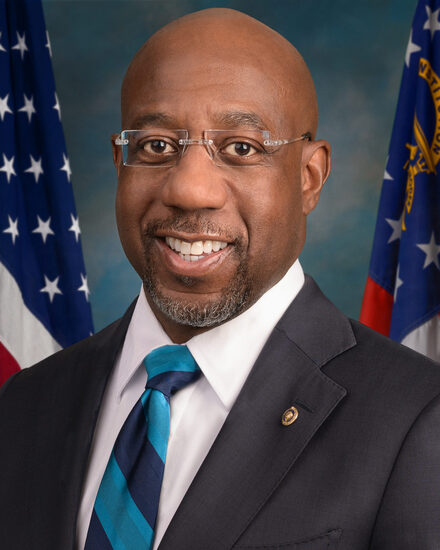
Raphael G. Warnock
100% support rate
Top opponent
Eric Burlison
31% support rate
Ranked legislators
10
5 support · 5 oppose
Key legislators

Who's moving labor & employment in United States

Legislators moving labor & employment in United States
Legislator Party Stance Support rate Votes
Raphael G. Warnock
Raphael G. Warnock Senate
D
Strong +
100% 211
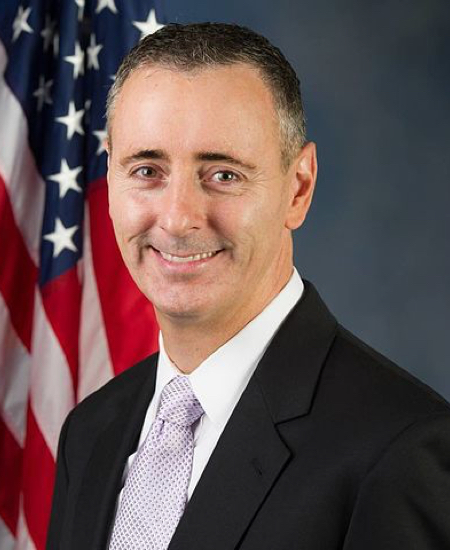
Brian K. Fitzpatrick
Brian K. Fitzpatrick House · District 1
R
Strong +
92% 194
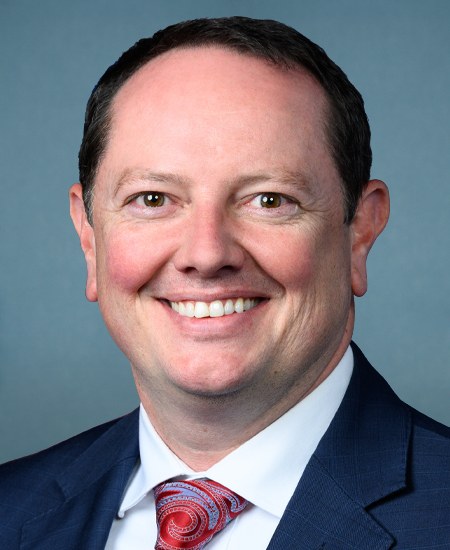
Robert P. Bresnahan, Jr.
Robert P. Bresnahan, Jr. House · District 8
R
Strong +
92% 197
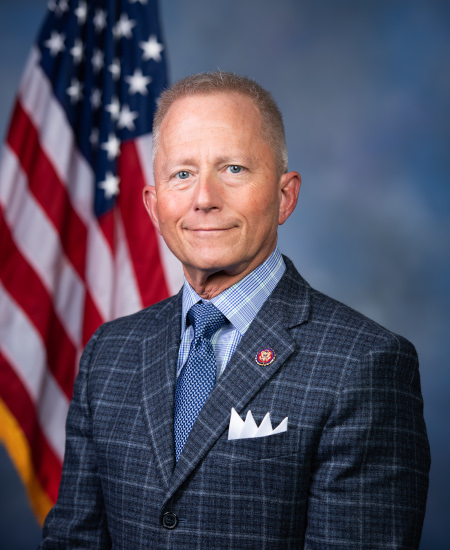
Jefferson Van Drew
Jefferson Van Drew House · District 2
R
Strong +
92% 197
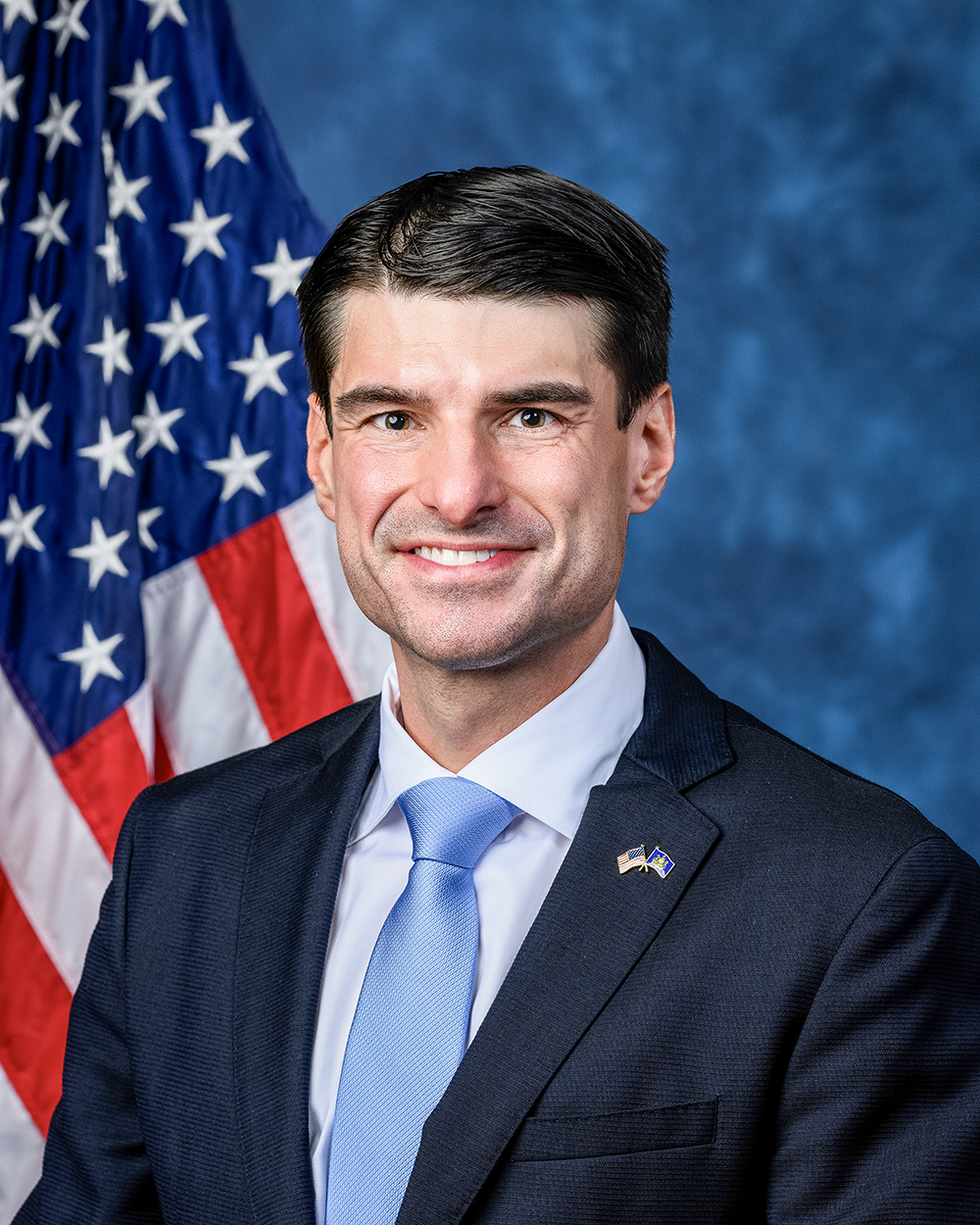
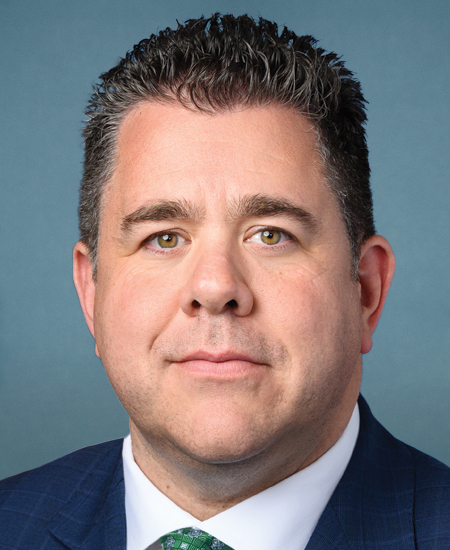
Nick LaLota
Nick LaLota House · District 1
R
Strong +
92% 195
Eric Burlison
Eric Burlison House · District 7
R
Oppose
31% 197
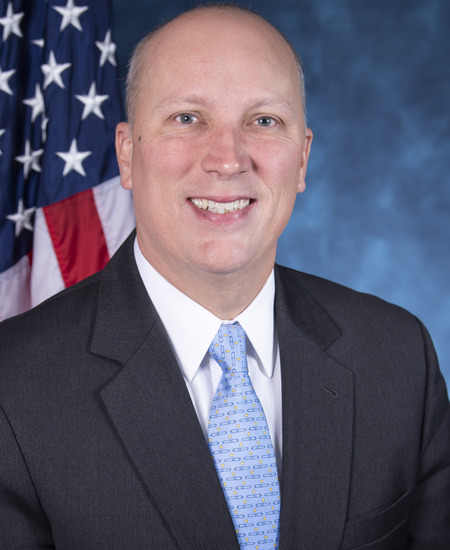
Chip Roy
Chip Roy House · District 21
R
Oppose
31% 190
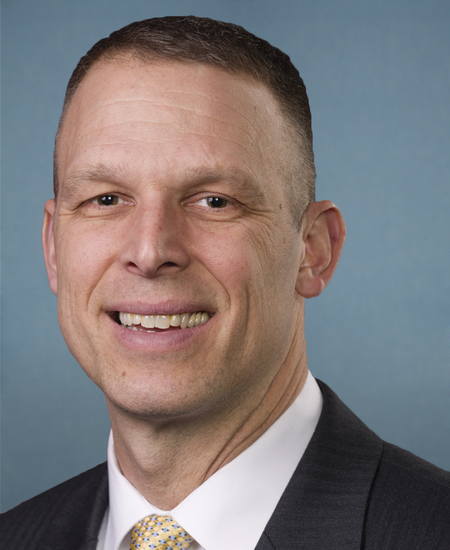
Scott Perry
Scott Perry House · District 10
R
Oppose
31% 194
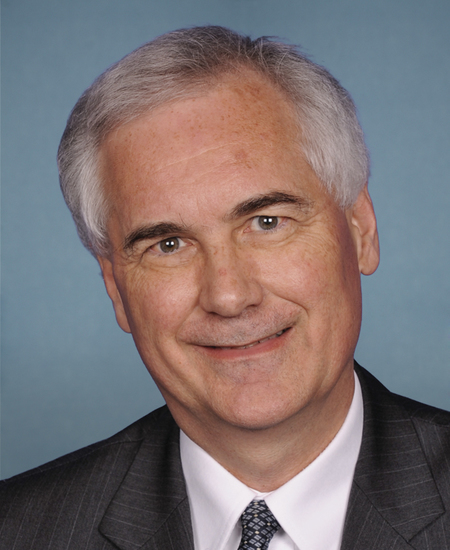
Tom McClintock
Tom McClintock House · District 5
R
Oppose
31% 190
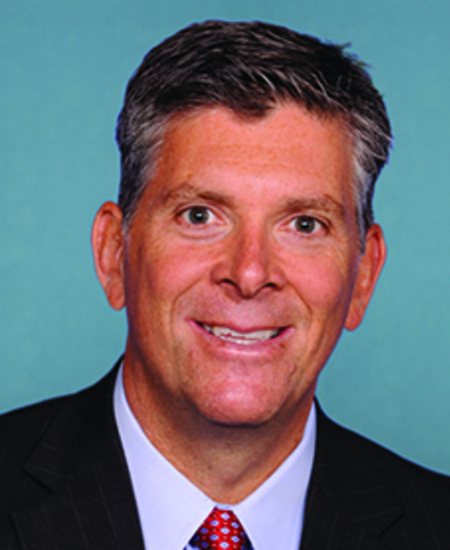
Darin LaHood
Darin LaHood House · District 16
R
Oppose
33% 175
Showing 91–100 of 144 bills

All labor & employment bills

in committee · United States · House Apr 17, 2025

HR 2952: SALT Act

The SALT Act (HR 2952) requires labor unions and labor relations consultants to report payments or agreements related to influencing employee organizing efforts. It directly affects unions making payments to employees or groups to persuade others about union organizing, as well as consultants hired for organizing-related activities. Key provisions mandate detailed annual reports to the Labor Department, including the amount, date, recipient's details, and full explanation of each payment or agreement. These reports must cover all payments intended to affect employees' rights to organize or bargain collectively, excluding information used solely in legal proceedings.
in committee · United States · House Jan 3, 2025

HR 100: Protect the Gig Economy Act of 2025

This bill amends federal court rules to prevent class action lawsuits claiming gig workers were wrongly classified as independent contractors. It adds a new requirement to Rule 23(a) of the Federal Rules of Civil Procedure, blocking such cases from proceeding if they allege misclassification. The change directly affects gig economy companies (like ride-share or food-delivery apps) facing worker classification lawsuits and limits workers' ability to pursue these claims collectively. This is a procedural change to the legal process, not a new classification standard for workers.
in committee · United States · House Jan 3, 2025

HR 85: Small Business Flexibility Act

The Small Business Flexibility Act (HR 85) amends the Fair Labor Standards Act to change tip pooling rules. It allows tip pools to include two types of employees: (1) those who customarily and regularly receive tips, and (2) a new category defined as employees who both customarily and regularly receive tips (while being paid at least the minimum wage) and do not customarily and regularly receive tips. This change aims to give small businesses more flexibility in managing tip distributions. The bill specifically targets how tips can be shared among staff, affecting restaurants and similar businesses where tipping is common.
Sub-Topics Gig Economy Labor Standards Minimum Wage Tags Small Business
in committee · United States · Senate Jan 29, 2025

S 295: Reducing the Federal Workforce Through Attrition Act

This bill requires federal agencies to reduce their workforce to 90% of the 2025 level by fiscal year 2028, directly affecting all federal agencies and their employees (excluding political appointees). It mandates that agencies hire no more than one new employee for every three retirees or separations during 2026-2027, with strict monitoring to ensure compliance. Agencies exceeding their capped workforce must halt all new hiring, remote work approvals, and certain position changes until they meet the limit. The bill includes limited emergency waivers for national security or public safety crises but prohibits increasing service contracts or remote work arrangements as part of the reduction strategy.
Sub-Topics Public Employees
in committee · United States · Senate Oct 3, 2025

S 2971: Plant Safety Authorities Coordination Act of 2025

This bill clarifies federal definitions under the U.S. Code to exclude specific gas activities from certain safety regulations. It directly affects gas operators and plant owners by removing federal oversight for two scenarios: (1) gathering gas in rural areas outside designated populated zones, and (2) moving gas within a plant's own operations via short piping systems (under 1 mile outside plant grounds). The key mechanism is amending the definition of "transporting gas" to explicitly exclude these activities, reducing regulatory coverage for routine plant operations and rural gas collection. This change streamlines oversight by focusing federal safety rules on broader transportation activities. (Bill: S 2971, Plant Safety Authorities Coordination Act of 2025)
in committee · United States · House Mar 24, 2025

HR 2304: Ensuring Access to Affordable and Quality Home Care for Seniors and People with Disabilities Act

This bill clarifies and preserves existing labor law exemptions for home care workers under the Fair Labor Standards Act. It specifically defines "companionship services" to include non-medical in-home care (like bathing, meal prep, and medication reminders) and ensures these services remain exempt from overtime pay requirements, even when provided through third-party agencies. The bill directly affects home care aides, agencies employing them, and the seniors/disabled individuals receiving care. It does not create new benefits or funding but maintains current labor exemptions for this workforce.
in committee · United States · House May 21, 2025

HR 3548: Infrastructure Expansion Act of 2025

HR 3548, the Infrastructure Expansion Act of 2025, changes liability rules for injuries on federally funded infrastructure projects. It prohibits "absolute liability" (where a party is automatically responsible regardless of fault) for elevation or gravity-related risks, requiring states to use "comparative negligence" instead (where fault is shared based on circumstances). This applies to projects receiving federal funding like construction, bridges, or transit systems, directly affecting contractors, property owners, and workers filing injury claims. The bill preempts state laws imposing absolute liability and directs federal courts to handle related cases, while leaving workers’ compensation laws unchanged. It takes effect for projects accepting federal funds on or after January 1, 2026.
Sub-Topics Workplace Safety
in committee · United States · House Apr 3, 2025

HR 2644: Love Them Both Act of 2025

HR 2644, the "Love Them Both Act of 2025," prohibits the Equal Employment Opportunity Commission (EEOC) and the Office of Congressional Workplace Rights from finalizing, implementing, or enforcing any regulations related to abortion or abortion-related services under the Pregnant Workers Fairness Act. This bill directly affects federal agencies responsible for workplace regulations, blocking them from creating rules about abortion coverage in employment contexts. The key mechanism is a specific restriction on regulatory actions, preventing agencies from developing policies on abortion-related services under the existing Pregnant Workers Fairness Act. It does not alter the core protections of the Pregnant Workers Fairness Act but limits how its regulations can address abortion coverage.
in committee · United States · House Jan 3, 2025

HR 99: Protecting Businesses From Frivolous COVID Lawsuits Act of 2025

HR 99 requires federal courts to instruct juries in civil lawsuits alleging business negligence related to COVID-19 transmission that simply opening a business is legally reasonable. It mandates that juries cannot find businesses negligent solely for remaining open, and must apply the standard that a business owner acted reasonably if they followed public health guidance. This bill directly affects businesses facing such lawsuits by altering jury instructions to favor defendants, without changing the underlying negligence standard itself.
in committee · United States · House Apr 7, 2025

HR 2688: Protecting Student Athletes’ Economic Freedom Act of 2025

HR 2688, the Protecting Student Athletes’ Economic Freedom Act of 2025, prevents student athletes (and former athletes) from being classified as employees under federal or state law solely due to their participation in varsity intercollegiate athletics. The bill explicitly states that institutions, conferences, or associations cannot treat athletes as employees based on their athletic involvement, competition, or team membership. This directly affects current and former college athletes participating in NCAA or similar varsity sports programs. The law overrides conflicting state or federal employment laws to maintain their non-employee status, focusing solely on clarifying legal classification without altering athletic eligibility or compensation rules.
Sub-Topics Gig Economy
Showing 91 to 100 of 144 bills
Previous 1 9 10 11 15 Next