Issue · Labor & Employment

Labor & Employment (Child Labor)

Every labor & employment bill, vote, and legislator stance in United States, automatically classified by Maddy, our AI policy reader.

Total bills
71
119th Congress
Top supporter
Brian K. Fitzpatrick
100% support rate
Top opponent
Adam Gray
33% support rate
Ranked legislators
10
5 support · 5 oppose
Key legislators

Who's moving child labor in United States

Legislators moving child labor in United States
Legislator Party Stance Support rate Votes
Brian K. Fitzpatrick
Brian K. Fitzpatrick House · District 1
R
Strong +
100% 3
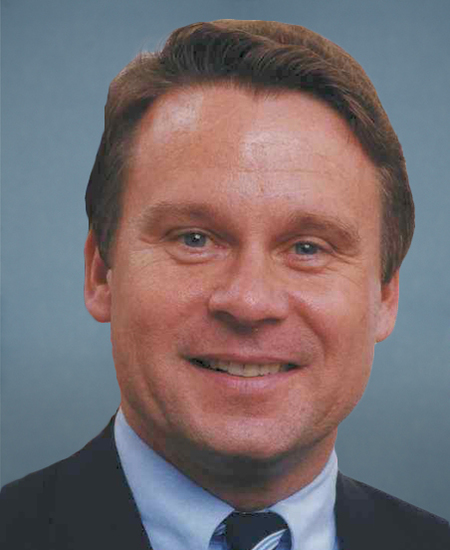
Christopher H. Smith
Christopher H. Smith House · District 4
R
Strong +
100% 3
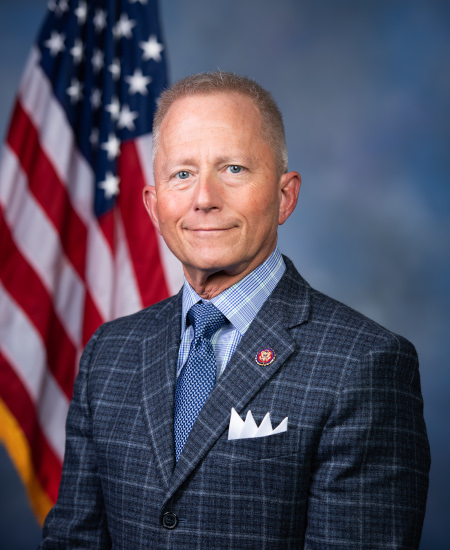
Jefferson Van Drew
Jefferson Van Drew House · District 2
R
Strong +
100% 3
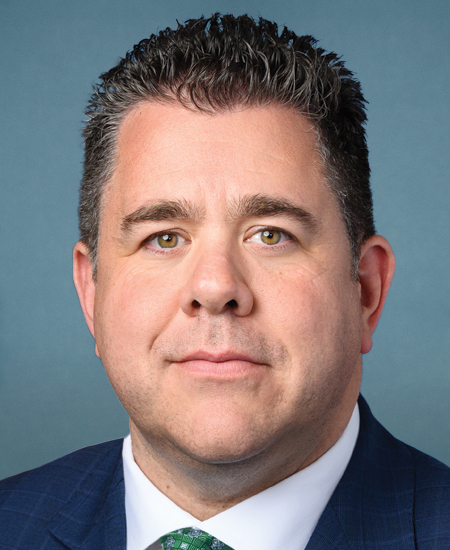
Nick LaLota
Nick LaLota House · District 1
R
Strong +
100% 3
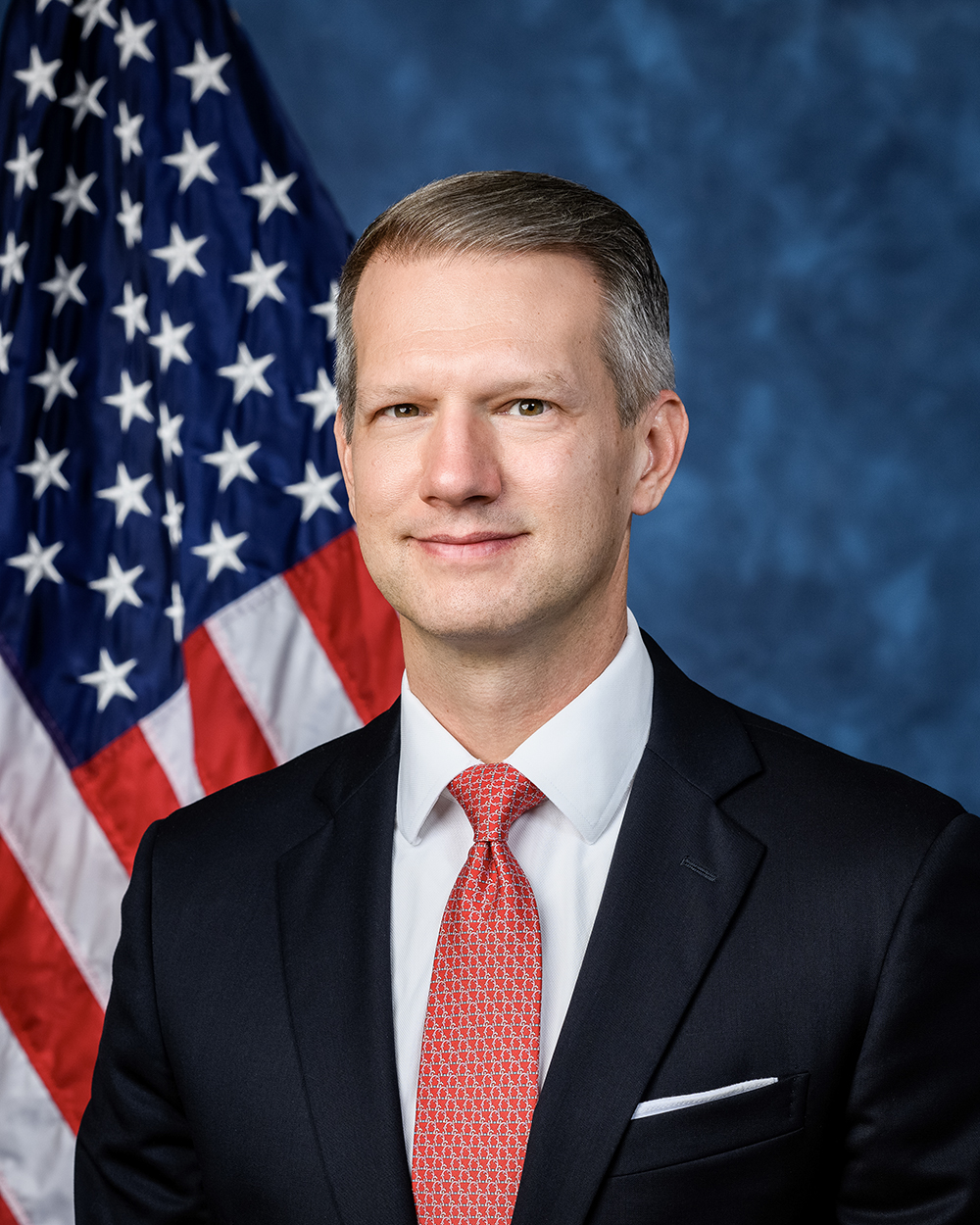
Riley M. Moore
Riley M. Moore House · District 2
R
Strong +
100% 3
Adam Gray
Adam Gray House · District 13
D
Oppose
33% 3
Adam Smith
Adam Smith House · District 9
D
Oppose
33% 3
Adelita S. Grijalva
Adelita S. Grijalva House · District 7
D
Oppose
33% 3
Adriano Espaillat
Adriano Espaillat House · District 13
D
Oppose
33% 3
Al Green
Al Green House · District 9
D
Oppose
33% 3
Showing 1–10 of 71 bills

All labor & employment bills

in committee · United States · House Sep 3, 2026

HR 10273: Fairness for Farm Workers Act

The Fairness for Farm Workers Act amends the Fair Labor Standards Act to end the long-standing exemption that allows agricultural workers to be denied overtime pay. The bill introduces a phased schedule requiring employers to pay farm workers time-and-a-half for hours worked beyond a set threshold, which gradually decreases from 55 hours in 2027 to the standard 40 hours by 2030. Small farms with 25 or fewer employees are given a three-year delay, reaching full compliance by 2033. Additionally, the legislation removes several other exemptions that currently allow agricultural employers to bypass federal wage and hour protections.
Sub-Topics Child Labor Labor Standards Minimum Wage Tags Agriculture
in committee · United States · Senate Aug 6, 2026

S 5304: Fairness for Farm Workers Act

The Fairness for Farm Workers Act amends the Fair Labor Standards Act to extend overtime protections to agricultural workers, who are currently largely exempt from these requirements. The bill establishes a phased schedule requiring employers to pay farm workers time-and-a-half for hours worked beyond a threshold that decreases from 55 hours per week in 2027 to the standard 40 hours by 2030. Small farms with 25 or fewer employees are granted an additional three-year grace period, reaching full compliance by 2033. Additionally, the legislation removes several existing exemptions that allow agricultural employers to bypass federal wage and hour standards, ensuring broader coverage for workers in the sector.
Sub-Topics Child Labor Labor Standards Minimum Wage Tags Agriculture
in committee · United States · Senate Jun 17, 2026

S 4817: CHILD Labor Act

The CHILD Labor Act strengthens existing federal protections against child labor by expanding the definition of hazardous work for minors and requiring stricter oversight of companies in supply chains. It mandates that federal contractors and recipients of federal financial assistance ensure no child under 16 is employed and that those aged 16 or 17 are not engaged in dangerous labor, with penalties for violations extending to parent companies that fail to verify their subcontractors' compliance. The legislation also increases fines for child labor offenses, allows the Department of Labor to issue stop-work orders, and establishes new civil damages for victims of these violations. Additionally, the bill requires the government to publish annual reports on work-related injuries and deaths while funding training programs to help identify and prevent child labor abuses.
in committee · United States · House Jun 25, 2026

HR 9458: Wage Theft Prevention and Wage Recovery Act

This bill, known as the Wage Theft Prevention and Wage Recovery Act, aims to combat unpaid wages by strengthening penalties for employers who violate federal labor laws and providing workers with better tools to recover stolen money. It directly affects employees across industries who are currently at risk of not receiving their full compensation for hours worked, tips, or benefits. Key provisions require employers to provide detailed paystubs and final payments within 14 days of termination, increase civil fines for violations, and extend the time limit for workers to file lawsuits from two to four years. Additionally, the legislation creates a new grant program to fund community partnerships between the Department of Labor and local organizations to educate workers, assist with claims, and improve enforcement efforts.
in committee · United States · House Jun 18, 2026

HR 9347: CHILD Labor Act

This bill strengthens child labor protections by expanding the definition of hazardous work for minors, particularly in dangerous industries like mining and explosives, and requires the government to update these regulations every five years. It imposes strict rules on companies with federal contracts, prohibiting them from using child labor in their supply chains and holding them jointly liable if their subcontractors violate these rules. The legislation also increases penalties for violations, including higher fines for serious injuries or deaths, allows for stop-work orders, and enables victims to seek significant compensatory and punitive damages. Additionally, the bill mandates training programs to help identify and prevent child labor abuses and requires the Department of Labor to report annually on work-related injuries and deaths.
in committee · United States · House May 21, 2026

HR 8736: Restoration of Employment Choice for Adults with Disabilities Act

This bill modifies federal rules to allow adults with disabilities aged 18 and older to work for employers at wages below the standard minimum rate, whereas the previous law restricted this option to individuals under 24. It requires these employers to make documented efforts to find suitable jobs for their employees at regular intervals and permits the use of subminimum wages only if state agencies fail to provide necessary job counseling and referrals. Additionally, the bill mandates that employers must provide copies of these job search records to the individuals they employ. These changes aim to expand employment opportunities for adults with disabilities while maintaining specific oversight to ensure they are not denied access to regular competitive employment.
Sub-Topics Child Labor Labor Standards Minimum Wage Tags People with Disabilities
in committee · United States · House Apr 28, 2026

HR 8555: Living Wage For All Act

The Living Wage For All Act raises the federal minimum wage in a tiered schedule, requiring large corporations to reach $25 per hour by 2031 while giving smaller businesses a longer timeline to catch up. Once the standard is met, the law automatically indexes the minimum wage to two-thirds of the national median hourly wage to ensure it keeps pace with economic changes. The bill also eliminates the lower minimum wage for tipped employees and youth workers, phasing them out until they match the general standard, and extends similar protections to incarcerated workers. Additionally, the legislation restricts the issuance of special minimum wage certificates for workers with disabilities and mandates that employers provide technical assistance during the transition period.
in committee · United States · House Jul 21, 2026

HR 8775: Ending Predator Access to Union Power Act

The Ending Predator Access to Union Power Act prohibits individuals convicted of certain sex offenses against minors from holding office in labor unions. This change expands the list of disqualifying crimes under the Labor-Management Reporting and Disclosure Act of 1959 to include these specific offenses. The bill takes effect 30 days after it is signed into law.
in committee · United States · House May 7, 2026

HR 8681: SHIELD Act

The SHIELD Act authorizes the President to impose sanctions on foreign entities that use forced labor or child labor in cobalt mining operations. These sanctions allow the government to block assets within the United States and deny visas or entry to affected foreign nationals. The law includes exceptions for humanitarian aid, such as food and medicine, and permits the President to waive sanctions for national security reasons. The authority to enforce these measures will expire seven years after the bill is enacted.
Sub-Topics Child Labor
in committee · United States · House Mar 12, 2026

HR 7917: Fair Wages for Home Care Workers Act

This bill, known as the Fair Wages for Home Care Workers Act, would change federal labor rules to require overtime pay and minimum wage protections for certain babysitters. It specifically targets casual babysitting work that is irregular or intermittent, while excluding trained medical professionals like nurses and home health aides from these changes. The law would also allow babysitters to perform up to 20% of their work time on unrelated household tasks without losing their protected status. These amendments would apply to workers covered by the Fair Labor Standards Act of 1938 who provide custodial care for infants or children in private homes.
Showing 1 to 10 of 71 bills
1 2 3 8 Next