Issue · Immigration

Immigration

Every immigration bill, vote, and legislator stance in United States, automatically classified by Maddy, our AI policy reader.

Total bills
827
119th Congress
Top supporter
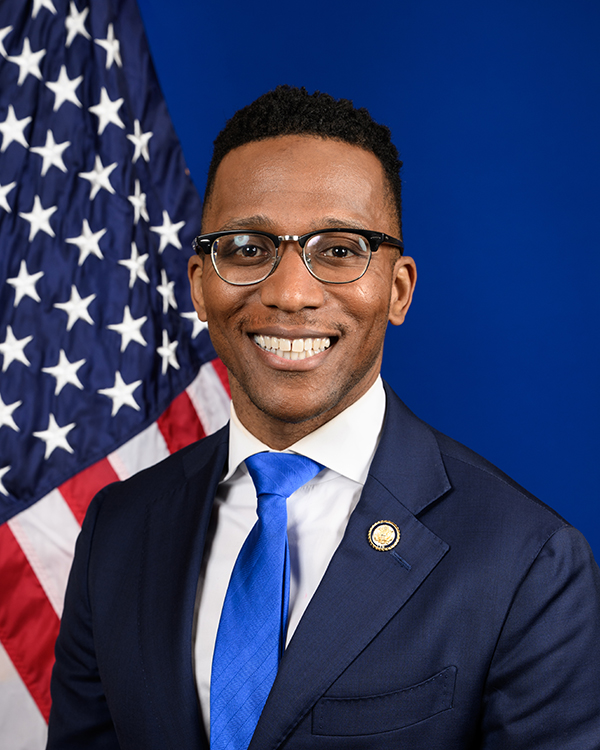
Christian D. Menefee
89% support rate
Top opponent
Gregory F. Murphy
13% support rate
Ranked legislators
10
5 support · 5 oppose
Key legislators

Who's moving immigration in United States

Legislators moving immigration in United States
Legislator Party Stance Support rate Decisive votes
Christian D. Menefee
Christian D. Menefee House · District 18
D
Strong +
89% 9
Nancy Pelosi
Nancy Pelosi House · District 11
D
Strong +
86% 21
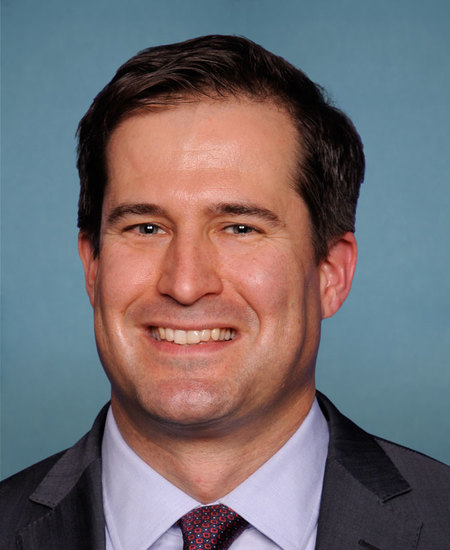
Seth Moulton
Seth Moulton House · District 6
D
Strong +
86% 21
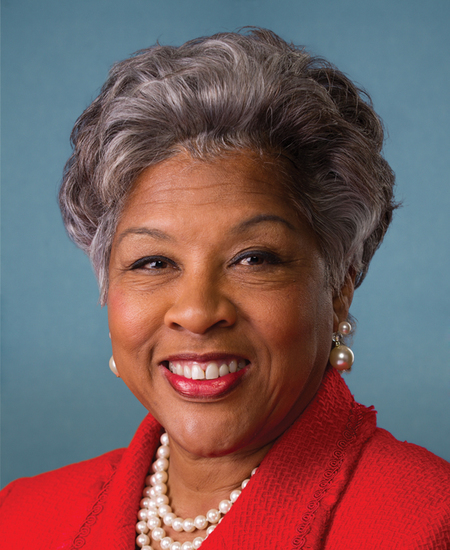
Joyce Beatty
Joyce Beatty House · District 3
D
Strong +
85% 20
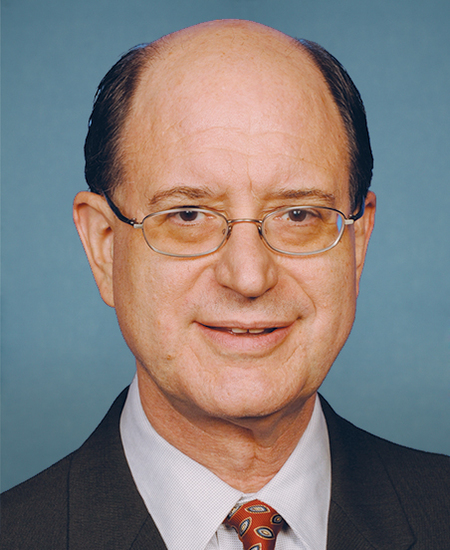
Brad Sherman
Brad Sherman House · District 32
D
Strong +
85% 26
Gregory F. Murphy
Gregory F. Murphy House · District 3
R
Strong −
13% 23
Ronny Jackson
Ronny Jackson House · District 13
R
Strong −
14% 28
Clay Fuller
Clay Fuller House · District 14
R
Strong −
14% 7
Brad Finstad
Brad Finstad House · District 1
R
Strong −
15% 26
Elise M. Stefanik
Elise M. Stefanik House · District 21
R
Strong −
15% 26
Showing 561–570 of 827 bills

All immigration bills

in committee · United States · Senate Feb 20, 2025

S 646: Born in the USA Act

This bill prohibits federal funding for Executive Order 14160 (and any successor policies), which attempted to deny U.S. citizenship to children born in the U.S. to non-citizen parents. It directly affects the executive branch by blocking financial support for the controversial order, which contradicted the 14th Amendment and established court precedent like *United States v. Wong Kim Ark*. The bill’s key mechanism is a funding ban, ensuring no government resources can be used to implement policies that undermine birthright citizenship guaranteed by the Constitution and immigration law. It does not alter citizenship rules but prevents enforcement of the challenged executive order.
in committee · United States · House Nov 18, 2025

HR 6118: Support and Defend Our Military Personnel and Their Families Act

This bill streamlines immigration benefits for military personnel and their families. It reduces the residency requirement for naturalization from six months to one year for those serving honorably in contingency operations, and adds spouses, children, and parents of active-duty service members to priority visa categories. It also creates a new pathway for immediate family members to adjust to permanent residency if they're physically present in the U.S., meet admissibility standards, and pay a fee. Additionally, the bill prohibits deportation proceedings against honorably discharged military members or veterans without prior approval from the Secretary of Homeland Security, with a two-year posthumous eligibility period for families if a service member dies from service-related injuries.
in committee · United States · House Jan 9, 2025

HR 263: Transnational Criminal Organization Illicit Spotter Prevention and Elimination Act

HR 263, the Transnational Criminal Organization Illicit Spotter Prevention and Elimination Act, creates new federal criminal penalties for actions aiding criminal groups evading border controls. It makes it a crime to knowingly transmit law enforcement locations or movements to help with immigration, customs, or border-related crimes, punishable by fines or up to 10 years in prison. The bill also criminalizes damaging or tampering with border infrastructure like fences or sensors, with penalties increasing to 20 years if a firearm is involved. These provisions directly affect individuals assisting transnational criminal organizations in circumventing U.S. border security measures. The law aims to strengthen enforcement against those who undermine border control systems.
in committee · United States · House Jan 3, 2025

HR 174: Consequences for Social Security Fraud Act

HR 174 adds new grounds for inadmissibility and deportability related to specific fraud offenses. It targets non-citizens convicted of, or admitting to, Social Security fraud (using false account numbers/cards), identification document fraud, or fraud involving pandemic-era loans or grants (like those under the Small Business Act or American Rescue Plan). The bill amends immigration law to make such individuals ineligible for entry into the U.S. or subject to removal. It directly affects non-citizens who commit these defined offenses, not general fraud cases. The policy change is limited to these specific fraud categories tied to federal pandemic programs and Social Security/ID documents.
in committee · United States · Senate Feb 10, 2025

S 497: FENCE Act

The FENCE Act amends the tax code to deny 501(c)(3) tax-exempt status to organizations that knowingly provide financial assistance, benefits, or material support to individuals unlawfully present in the U.S. It directly affects nonprofits, community foundations, and religious organizations that may assist undocumented immigrants. The key provision adds a new requirement that organizations must not engage in a "pattern or practice" of such support, without mandating proof of citizenship or requiring religious groups to violate their beliefs. This change would take effect upon the bill's enactment, altering how tax-exempt status is maintained for qualifying organizations.
in committee · United States · House Feb 13, 2025

HR 1312: No Asylum for Criminals Act of 2025

No Asylum for Criminals Act of 2025 This bill bars an individual who has been convicted of a felony or misdemeanor from receiving asylum, with limited exceptions. Specifically, the Department of Homeland Security may designate political offenses committed outside of the United States that shall not be considered a crime for this purpose. Currently, an individual shall be barred from receiving asylum for only certain types of criminal convictions, such as if the individual is convicted for (1) an aggravated felony, or (2) a particularly serious crime and as a result deemed a danger to the United States.
in committee · United States · House Jun 4, 2025

HR 3715: New IDEA Act

This bill prohibits businesses from deducting wages paid to undocumented workers when calculating taxable income. It creates a safe harbor for employers using the E-Verify program: if they confirm employment eligibility through E-Verify, they may still deduct those wages. The law directly affects employers who hire undocumented workers, removing a tax benefit for such payments. It also establishes new data-sharing between the IRS, DHS, and Social Security to enforce compliance, with a 6-year audit window for improper deductions.
in committee · United States · House Jun 3, 2026

HR 175: Deport Alien Gang Members Act

This bill creates new grounds for deporting non-citizens who are members of or associated with criminal gangs. It defines a "criminal gang" as a group of five or more people whose primary purpose is committing serious crimes like drug offenses, violence, trafficking, or weapons violations. The Secretary of Homeland Security can designate groups as criminal gangs after consultation with the Attorney General, and these designations make gang members ineligible for asylum, temporary protected status, parole, and other immigration benefits. The bill also establishes procedures for reviewing and revoking these designations, with limited judicial review options.
in committee · United States · Senate Jan 23, 2025

S 221: Extending Limits of United States Customs Waters Act of 2025

This bill would extend U.S. customs enforcement authority from 12 to 24 nautical miles from shore. It amends the Tariff Act of 1930 and the Anti-Smuggling Act to align enforcement zones with existing international law limits (as established by Presidential Proclamations 5928 and 7219). Currently, customs agents can only act within 12 miles, but the bill would allow enforcement in the contiguous zone up to 24 miles to provide more time for interdiction. Congress states this change addresses modern vessel speeds, enabling U.S. Customs and Border Protection to better prevent violations of customs, fiscal, or immigration laws. The policy directly affects CBP operations in coastal waters.
Sub-Topics Border Security
in committee · United States · House Jan 12, 2026

HR 7014: To provide for the designation of Burma for temporary protected status.

HR 7014 designates Burma for temporary protected status (TPS) under U.S. immigration law, providing eligible Burmese nationals temporary legal status in the U.S. The bill establishes an 18-month TPS period beginning November 25, 2025, for Burmese nationals who have continuously resided in the U.S. since the bill's enactment, are admissible as immigrants (with limited exceptions), and register with Homeland Security. It also requires the Secretary of Homeland Security to grant prior consent for travel abroad for those with emergency circumstances and ensures returning travelers retain their TPS status. This policy change directly affects Burmese nationals meeting these specific criteria, offering temporary protection from deportation.
Sub-Topics Enforcement
Showing 561 to 570 of 827 bills
Previous 1 56 57 58 83 Next