Issue · Immigration

Immigration

Every immigration bill, vote, and legislator stance in United States, automatically classified by Maddy, our AI policy reader.

Total bills
827
119th Congress
Top supporter
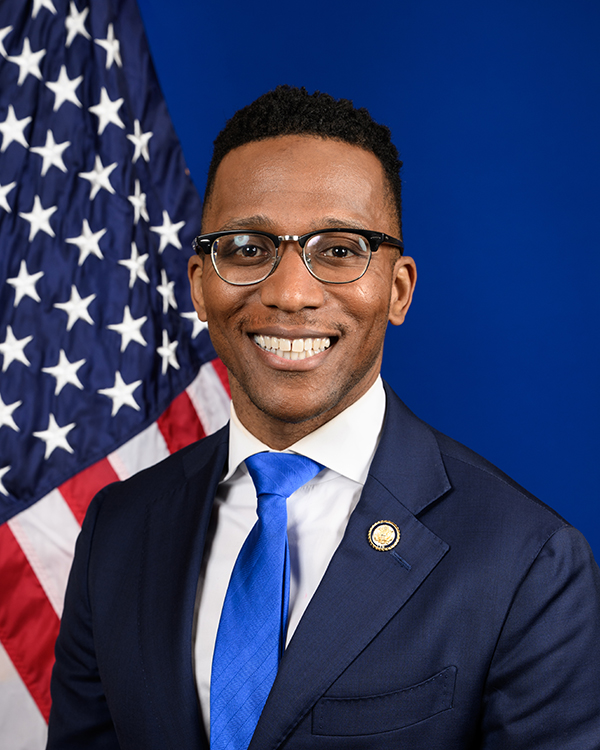
Christian D. Menefee
89% support rate
Top opponent
Gregory F. Murphy
13% support rate
Ranked legislators
10
5 support · 5 oppose
Key legislators

Who's moving immigration in United States

Legislators moving immigration in United States
Legislator Party Stance Support rate Decisive votes
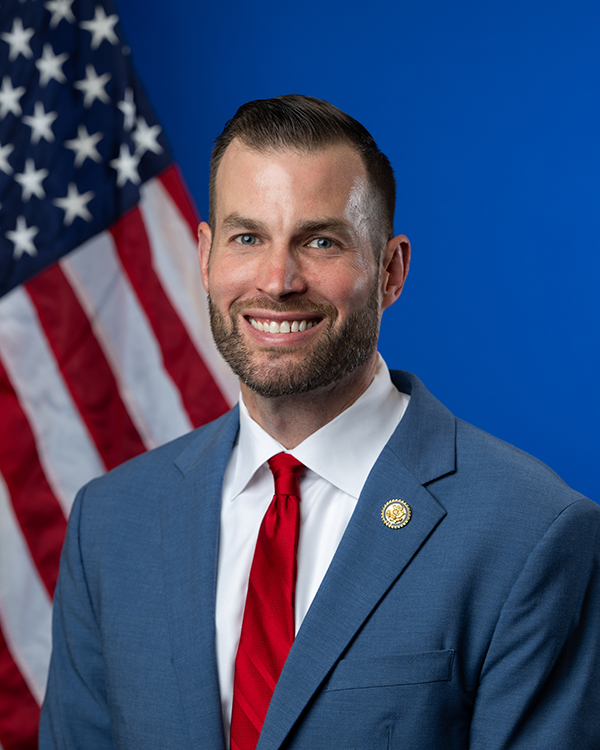
Christian D. Menefee
Christian D. Menefee House · District 18
D
Strong +
89% 9
Nancy Pelosi
Nancy Pelosi House · District 11
D
Strong +
86% 21
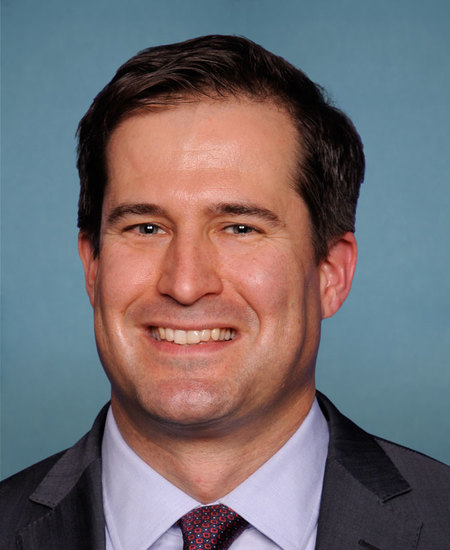
Seth Moulton
Seth Moulton House · District 6
D
Strong +
86% 21
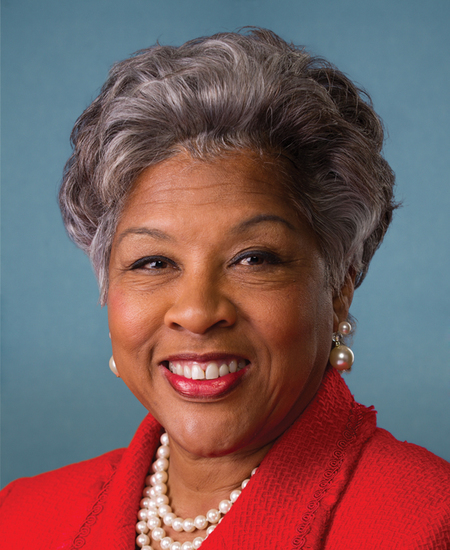
Joyce Beatty
Joyce Beatty House · District 3
D
Strong +
85% 20
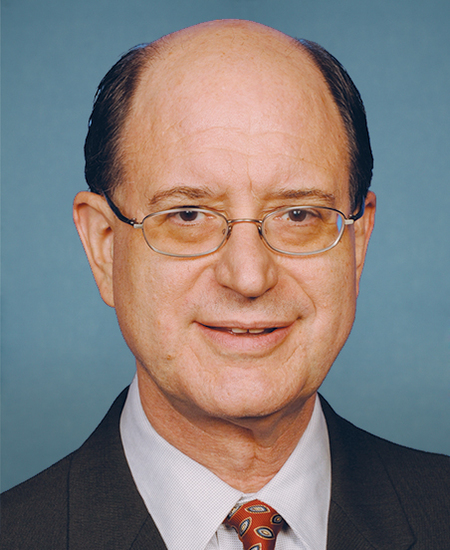
Brad Sherman
Brad Sherman House · District 32
D
Strong +
85% 26
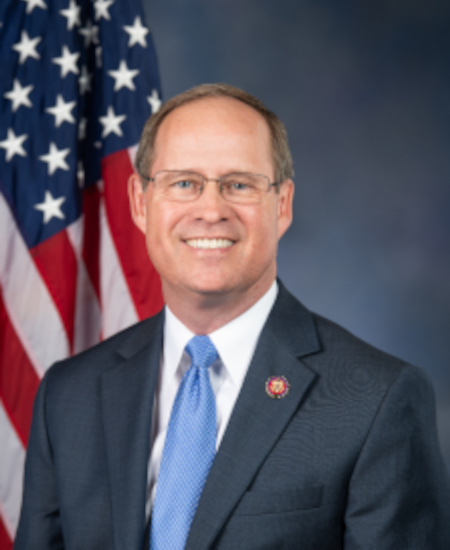
Gregory F. Murphy
Gregory F. Murphy House · District 3
R
Strong −
13% 23
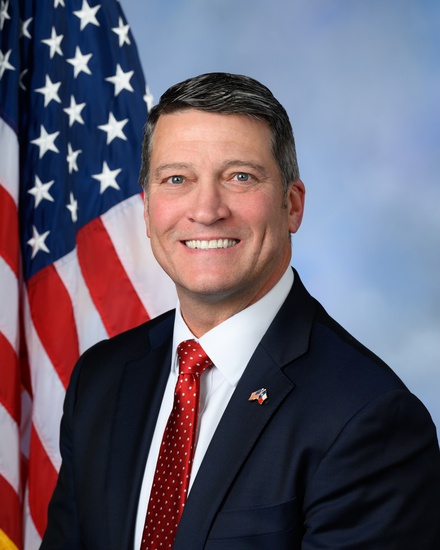
Ronny Jackson
Ronny Jackson House · District 13
R
Strong −
14% 28
Clay Fuller
Clay Fuller House · District 14
R
Strong −
14% 7
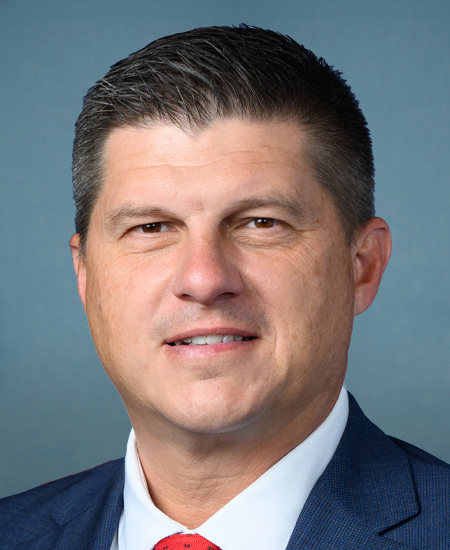
Brad Finstad
Brad Finstad House · District 1
R
Strong −
15% 26
Elise M. Stefanik
Elise M. Stefanik House · District 21
R
Strong −
15% 26
Showing 521–530 of 827 bills

All immigration bills

in committee · United States · Senate Jan 29, 2025

S 304: Birthright Citizenship Act of 2025

S 304, the Birthright Citizenship Act of 2025, would amend U.S. immigration law to redefine who qualifies for automatic U.S. citizenship at birth under the 14th Amendment. It specifies that a child born in the U.S. gains citizenship only if one parent is a U.S. citizen, a lawful permanent resident living in the U.S., or a military service member in active duty. This change would exclude children born to undocumented immigrants from automatic birthright citizenship under this definition. The bill explicitly states it would not affect citizenship status for anyone born before its enactment date. The legislation focuses on clarifying the "subject to the jurisdiction" requirement in existing law, not creating new citizenship categories.
in committee · United States · Senate Jun 11, 2025

S 2036: Putting American Students First Act

S 2036 ("Putting American Students First Act") amends the Higher Education Act to establish new citizenship and residency requirements for participation in Federal TRIO programs. It explicitly defines eligible individuals as U.S. nationals, lawful permanent residents, certain aliens with intent to become permanent residents, citizens of Freely Associated States, CNMI residents, or lawful residents of Freely Associated States. The bill prohibits waivers of these requirements under specific appropriations laws and performance partnership authorities. This change directly affects individuals seeking TRIO program benefits, including college access and support services.
in committee · United States · Senate Feb 6, 2025

S 486: Mandatory Removal Proceedings Act

Mandatory Removal Proceedings Act This bill requires the immediate initiation of removal proceedings against a non-U.S. national ( alien under federal law) whose visa is revoked on security and related grounds.
in committee · United States · House Feb 11, 2026

HR 7470: Keep ICE Out of Washington County, Maryland Act

This bill prohibits U.S. Immigration and Customs Enforcement (ICE) and other federal immigration authorities from establishing, operating, expanding, or reopening detention facilities in Washington County, Maryland. It bans the use of federal funds for any such facility in the county and requires all federal agencies to respect local community concerns about immigration detention. Residents, local officials, or the state can legally challenge violations in court. The bill directly affects Washington County residents and local decision-making by preventing federal immigration detention operations in the area.
in committee · United States · House Jul 7, 2025

HR 4298: ICE Badge Visibility Act of 2025

HR 4298, the ICE Badge Visibility Act of 2025, requires U.S. Immigration and Customs Enforcement (ICE) officers to visibly display their badge numbers on their person during any interaction involving questioning, arresting, or detaining an individual. This bill directly affects ICE officers, who must comply with the new identification requirement, and the public, who would see the badge numbers during enforcement encounters. The key provision amends the Immigration and Nationality Act to mandate that officers show their badge number visibly during specific enforcement actions. The bill does not change immigration policy or enforcement procedures, only requiring clear officer identification during certain interactions.
in committee · United States · Senate Jan 9, 2025

S 42: Build the Wall Act of 2025

The Build the Wall Act of 2025 redirects unused Coronavirus relief funds to create a dedicated account for constructing physical barriers along the southern U.S. border. It mandates that the Department of Homeland Security use these redirected funds - specifically unobligated amounts from the Social Security Act's pandemic recovery programs - to build and maintain border walls. The bill directly affects the Department of Homeland Security (as the agency responsible for implementation) and U.S. taxpayers (as the source of redirected funds). This is a funding mechanism, not a new policy, repurposing existing pandemic relief money for border infrastructure.
Sub-Topics Border Security
in committee · United States · Senate Feb 11, 2025

S 512: Agent Raul Gonzalez Officer Safety Act

This bill creates a new federal offense for intentionally fleeing U.S. Border Patrol agents or assisting law enforcement while operating a vehicle within 100 miles of the U.S. border. It establishes tiered penalties: up to 2 years in prison for the basic offense, 5-20 years if serious injury occurs, and 10+ years or life if death results. The bill also links this offense to immigration consequences, making convictions trigger inadmissibility, deportability, and disqualification from seeking asylum. Additionally, it requires an annual report to Congress tracking prosecutions, apprehensions, and sentencing related to this new offense.
passed · United States · House Mar 19, 2026

HR 1958: Deporting Fraudsters Act of 2026

Deporting Fraudsters Act of 2026 This bill makes certain acts related to public benefits fraud grounds for (1) barring a non-U.S. national ( alien under federal law) from admission into the United States, or (2) deporting the individual. The bill also makes such an individual ineligible for immigration enforcement relief, including relief for an individual in danger of subjection to torture. Specifically, this bill applies to individuals who have been convicted of, admit to having committed, or admit to acts which constitute certain offenses. Offenses covered by this bill include (1) fraud involving Supplemental Nutrition Assistance Program (SNAP) benefits, (2) fraud involving Social Security benefits, (3) fraud involving programs that receive federal funds, and (4) the production of fraudulent identification documents.
in committee · United States · House Mar 6, 2025

HR 1928: Sanctuary City Accountability Act

HR 1928, the Sanctuary City Accountability Act, allows U.S. citizens to sue local governments designated as "sanctuary jurisdictions" if an alien commits a crime against them or their immediate family within that jurisdiction or later relocates. The bill creates a private right of action for compensatory damages or injunctions against such jurisdictions, defined as those obstructing immigration enforcement (e.g., refusing ICE detainers or denying access to incarcerated aliens). It explicitly limits liability for local governments that comply with state laws regarding immigration enforcement. The bill does not alter existing sanctuary policies but adds a new legal pathway for individuals affected by crimes committed by aliens in these jurisdictions.
in committee · United States · Senate Jan 15, 2026

S 3652: Welfare Fraud Deterrence and Recovery Act of 2026

S 3652 increases criminal penalties for welfare fraud to up to 15 years in prison, with steeper sentences for noncitizens and cases exceeding $100,000 in fraudulent benefits. It creates a Welfare Fraud Recovery Task Force to investigate fraud in federal welfare programs (like SNAP and child care grants), pursue civil penalties (including triple damages and fines up to $20,000), and recover funds for program reimbursement. Noncitizens convicted of welfare fraud face deportation, expedited removal, and potential loss of citizenship through denaturalization. Recovered funds would be deposited into a new Treasury fund managed by the Department of Health and Human Services to offset program losses and support fraud prevention.
Showing 521 to 530 of 827 bills
Previous 1 52 53 54 83 Next