Issue · Immigration

Immigration

Every immigration bill, vote, and legislator stance in United States, automatically classified by Maddy, our AI policy reader.

Total bills
827
119th Congress
Top supporter
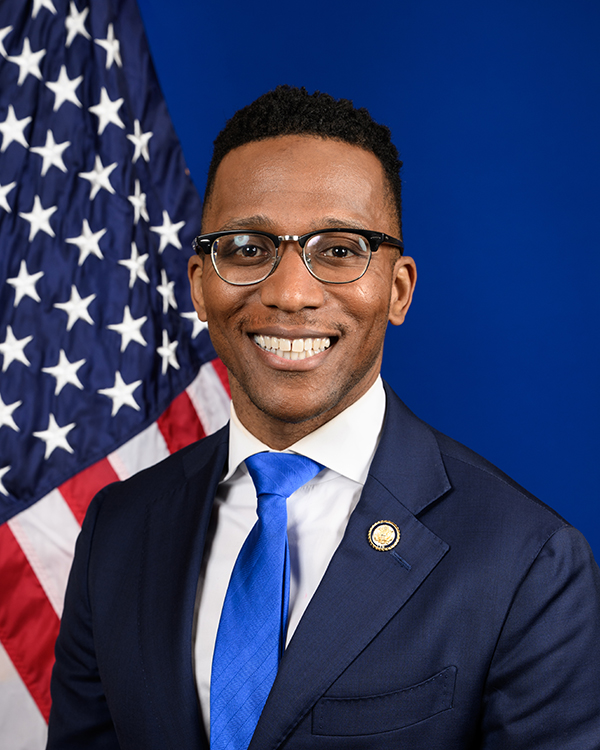
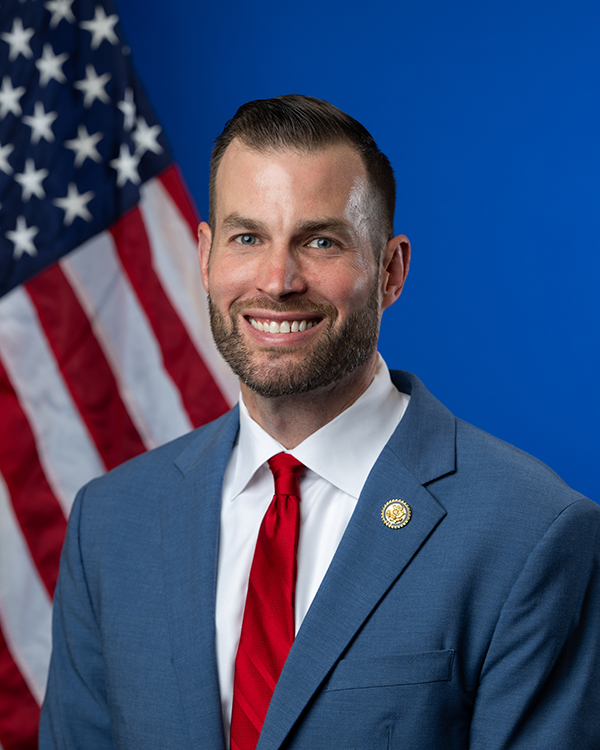
Christian D. Menefee
89% support rate
Top opponent
Gregory F. Murphy
13% support rate
Ranked legislators
10
5 support · 5 oppose
Key legislators

Who's moving immigration in United States

Legislators moving immigration in United States
Legislator Party Stance Support rate Decisive votes
Christian D. Menefee
Christian D. Menefee House · District 18
D
Strong +
89% 9
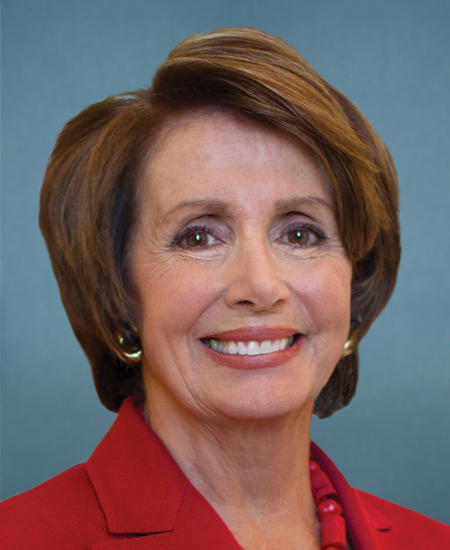
Nancy Pelosi
Nancy Pelosi House · District 11
D
Strong +
86% 21
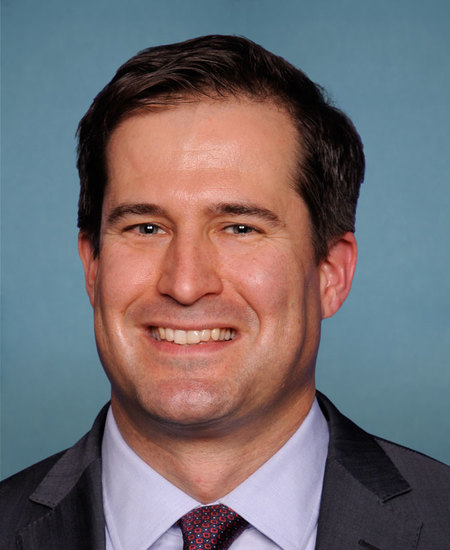
Seth Moulton
Seth Moulton House · District 6
D
Strong +
86% 21
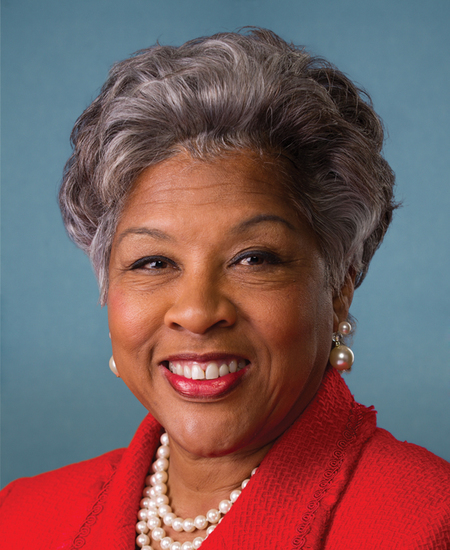
Joyce Beatty
Joyce Beatty House · District 3
D
Strong +
85% 20
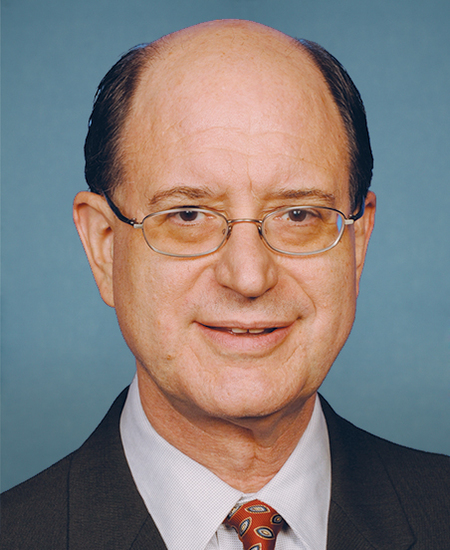
Brad Sherman
Brad Sherman House · District 32
D
Strong +
85% 26
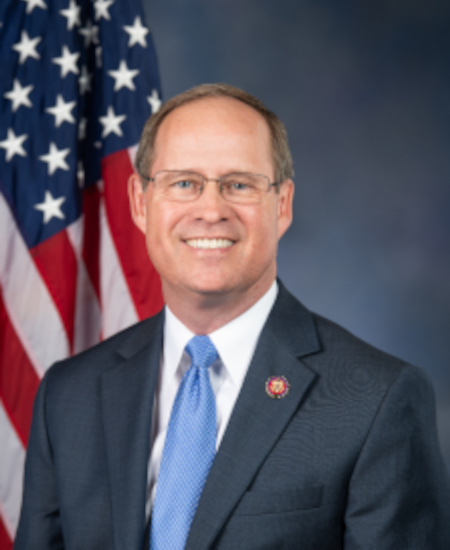
Gregory F. Murphy
Gregory F. Murphy House · District 3
R
Strong −
13% 23
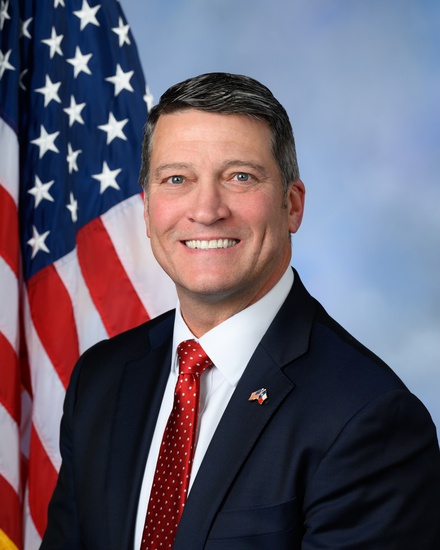
Ronny Jackson
Ronny Jackson House · District 13
R
Strong −
14% 28
Clay Fuller
Clay Fuller House · District 14
R
Strong −
14% 7
Brad Finstad
Brad Finstad House · District 1
R
Strong −
15% 26
Elise M. Stefanik
Elise M. Stefanik House · District 21
R
Strong −
15% 26
Showing 461–470 of 827 bills

All immigration bills

in committee · United States · House Jan 15, 2025

HR 449: To amend the Immigration and Nationality Act to waive certain naturalization requirements for United States nationals, and for other purposes.

This bill (HR 449) would allow U.S. nationals (primarily residents of U.S. territories like Puerto Rico) to become U.S. citizens more easily. It waives standard naturalization requirements such as state residency, educational testing, and application fees for those who have continuously resided in a U.S. territory since birth or serve in military/civilian roles requiring citizenship. Key provisions include expedited processing without needing to relocate, potential waiver of personal interviews, and reduced fees for these applicants. The bill directly affects U.S. nationals in territories who seek citizenship to serve in the military, secure clearances, or access full citizenship rights.
in committee · United States · House Dec 10, 2025

HR 6565: Reuniting Families Act

HR 6565, the Reuniting Families Act, would significantly reform family-based immigration by reclassifying spouses, permanent partners, and minor children of legal permanent residents as "immediate relatives," eliminating current visa backlogs for these family members. The bill creates a new legal definition of "permanent partner" to provide equal treatment for same-sex partners in immigration processes, expanding eligibility for family-based visas. It increases the worldwide level of family-sponsored immigrant visas and adjusts allocation numbers to reduce processing delays, while also providing specific relief for orphans, widows, widowers, and certain Filipino veterans. The bill also expands refugee family reunification provisions and increases diversity visa numbers from 55,000 to 80,000. These changes would directly affect family members seeking to reunite with U.S. citizens or legal permanent residents through family-based immigration pathways.
Sub-Topics Refugees & Asylum
in committee · United States · House Aug 5, 2025

HR 4895: Afghan Adjustment Act

HR 4895, the Afghan Adjustment Act, creates a pathway to conditional permanent resident status for Afghans who supported U.S. military or government efforts in Afghanistan. Eligible individuals include Afghan citizens or nationals who were employed by or on behalf of U.S. forces, worked with U.S. intelligence, or were part of specific Afghan security forces (including members of the Afghanistan National Defense and Security Forces), and who served for at least one year during the relevant period. The bill establishes a 4-year conditional period before full permanent residency is granted, requires security checks similar to refugee processing, prohibits fees for processing applications, and creates a referral system for processing applications from Afghans still in Afghanistan. It also provides eligibility for benefits available to refugees and establishes an Interagency Task Force to oversee implementation.
Sub-Topics Refugees & Asylum
passed · United States · House Mar 19, 2026

HR 4638: Federal Working Animal Protection Act

Bill to Outlaw Wounding of Official Working Animals Act or the BOWOW Act This bill establishes that a non-U.S. national ( alien under federal law) convicted of, or who admits to having committed, an offense related to harming animals used in law enforcement is inadmissible and deportable.
in committee · United States · House May 21, 2025

HR 3529: Protect Patriot Parents Act

This bill helps parents of U.S. military members obtain immigration status by removing common barriers. It exempts qualifying parents from certain inadmissibility rules, such as criminal history checks (unless related to their immigration status), and allows waivers for other issues. Parents who were previously removed from the U.S. can now apply for visas from abroad, and may temporarily enter the U.S. to reunite with their citizen child while their application is processed. To qualify, a parent must be the immediate relative of a U.S. citizen child who served in the military (active duty or honorably discharged).
in committee · United States · House Mar 31, 2025

HR 2490: No In-State Tuition for Illegal Immigrants Act

HR 2490, the "No In-State Tuition for Illegal Immigrants Act," would require states to charge non-citizens not lawfully present in the U.S. the same out-of-state tuition rate at public colleges as other non-residents, or risk losing federal education funding. Specifically, states that offer in-state tuition rates to undocumented immigrants would become ineligible for Title IV federal student aid funds under the Higher Education Act starting the year after the violation is identified. This provision directly affects public universities in states that currently provide in-state tuition to undocumented immigrants, as they would lose access to federal financial aid programs. The bill does not change state tuition laws directly but ties federal funding eligibility to compliance with the new requirement.
in committee · United States · Senate Apr 8, 2025

S 1328: Nuclear Family Priority Act

This bill, the Nuclear Family Priority Act, would change U.S. immigration policy by removing parents from the list of immediate family members eligible for visas, prioritizing only spouses and children of permanent residents. It reduces the worldwide annual cap for family-sponsored visas from 226,000 to 88,000, with the remainder subject to country-specific limits. Additionally, it creates a new temporary nonimmigrant visa category for parents of adult U.S. citizens (age 21+), requiring the U.S. citizen child to provide health insurance, cover support costs, and limiting stay to 5 years with no work authorization. These changes directly affect family immigration pathways and parents seeking to join adult children in the U.S.
Sub-Topics Work Authorization
in committee · United States · House Mar 26, 2025

HR 2367: College Employment Accountability Act

HR 2367, the College Employment Accountability Act, requires colleges and universities receiving federal student aid or institutional funds to comply with immigration laws or risk losing that funding. Specifically, it prohibits institutions from receiving federal aid if they hire individuals without legal work authorization (violating Section 274A of immigration law) and mandates participation in the E-Verify employment verification program. The Department of Homeland Security must monitor compliance every six months and notify the Education Secretary within 10 days if an institution violates immigration rules or fails to use E-Verify. This directly affects all higher education institutions seeking federal financial assistance under the Higher Education Act.
in committee · United States · Senate Jul 14, 2025

S 2269: PRICE Act

The PRICE Act (S 2269) increases penalties for assaulting, resisting, or impeding U.S. Immigration and Customs Enforcement (ICE) officers or employees. It would double the maximum prison sentence and adjust the fine for such offenses when committed against ICE personnel, as specified in amended federal law (18 U.S.C. § 111). This bill directly affects individuals convicted of violent or obstructive acts against ICE officers, making their penalties more severe than for similar crimes against other federal officers. The key provision modifies existing penalties without changing the definition of the offense or creating new requirements for ICE operations.
in committee · United States · House Aug 1, 2025

HR 4867: PHDs First Act

This bill creates an exemption from annual visa caps for foreign nationals who earned a U.S. doctoral degree (or terminal degree in fields without doctoral options) from an accredited U.S. institution. To qualify, they must have a job offer in their field paying above the median wage for that occupation in their area, and meet labor certification requirements. It also allows doctoral students on F-1 visas to pursue permanent residency while studying, removing barriers to dual intent under current immigration rules. The bill directly affects international doctoral students and graduates seeking permanent residency in the U.S. who meet these specific educational and employment criteria.
Sub-Topics DACA & Dreamers
Showing 461 to 470 of 827 bills
Previous 1 46 47 48 83 Next