Issue · Immigration

Immigration

Every immigration bill, vote, and legislator stance in United States, automatically classified by Maddy, our AI policy reader.

Total bills
506
119th Congress
Top supporter
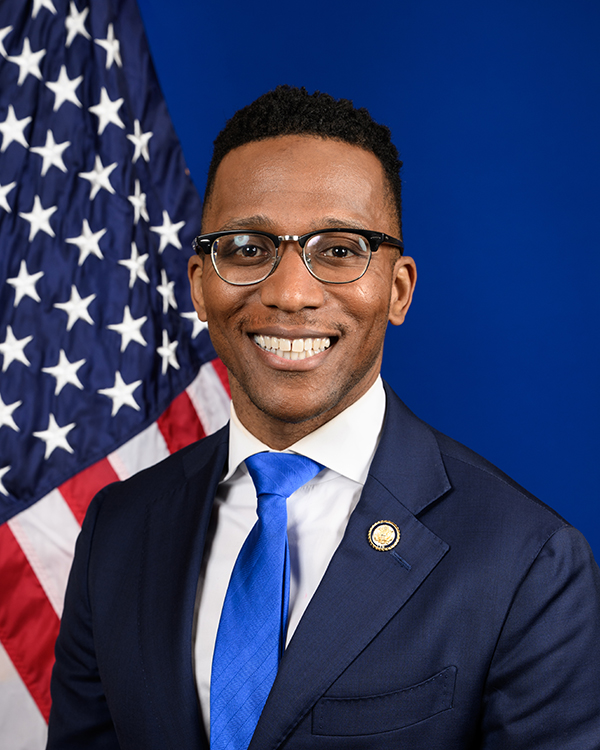
Christian D. Menefee
89% support rate
Top opponent
Gregory F. Murphy
13% support rate
Ranked legislators
10
5 support · 5 oppose
Key legislators

Who's moving immigration in United States

Legislators moving immigration in United States
Legislator Party Stance Support rate Decisive votes
Christian D. Menefee
Christian D. Menefee House · District 18
D
Strong +
89% 9
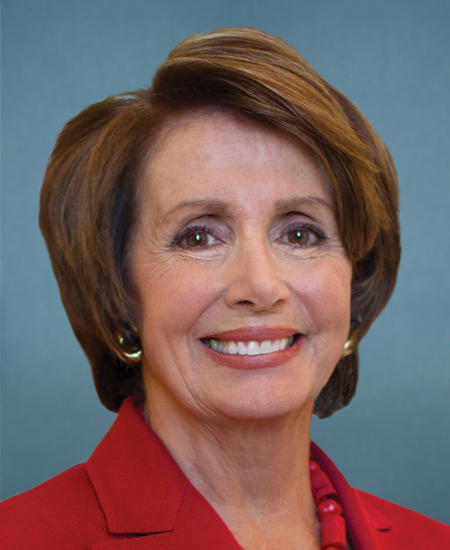
Nancy Pelosi
Nancy Pelosi House · District 11
D
Strong +
86% 21
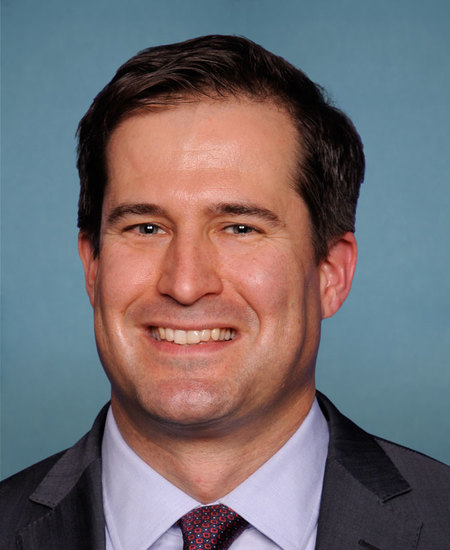
Seth Moulton
Seth Moulton House · District 6
D
Strong +
86% 21
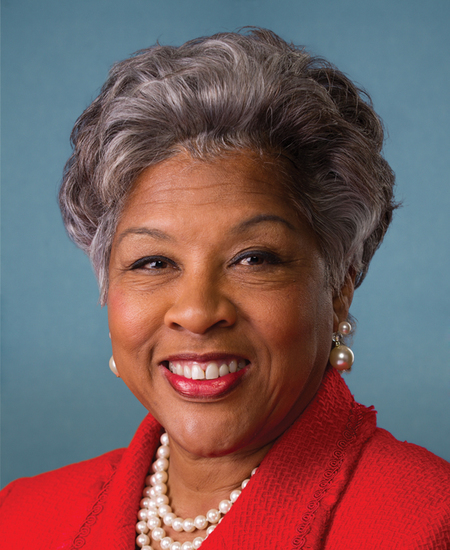
Joyce Beatty
Joyce Beatty House · District 3
D
Strong +
85% 20
Brad Sherman
Brad Sherman House · District 32
D
Strong +
85% 26
Gregory F. Murphy
Gregory F. Murphy House · District 3
R
Strong −
13% 23
Ronny Jackson
Ronny Jackson House · District 13
R
Strong −
14% 28
Clay Fuller
Clay Fuller House · District 14
R
Strong −
14% 7
Brad Finstad
Brad Finstad House · District 1
R
Strong −
15% 26
Elise M. Stefanik
Elise M. Stefanik House · District 21
R
Strong −
15% 26
Showing 411–420 of 506 bills

All immigration bills

in committee · United States · House Nov 20, 2025

HR 4711: REMOVE Act

HR 4711, the REMOVE Act, requires the U.S. government to expedite the removal of immigrants convicted of crimes that make them deportable. It mandates that immigration court proceedings for these individuals must be completed within 15 days of starting, replacing longer standard timelines. The bill directly affects non-citizens convicted of offenses listed under deportation laws, requiring faster processing by the Attorney General. Key provisions include immediate initiation of removal proceedings after a Notice to Appear is filed and strict 15-day deadlines for court resolutions. This changes current procedures by prioritizing speed for this specific group in immigration court.
in committee · United States · Senate May 21, 2025

S 1845: No Loan Forgiveness for Terrorists Act of 2025

This bill amends the Higher Education Act to exclude from public service loan forgiveness any employment with organizations that engage in specific illegal activities. It targets organizations that: aid illegal immigration (e.g., violating border laws), materially support terrorism (including funding cartels), commit severe child abuse (like forced medical procedures or trafficking), engage in systemic illegal discrimination, or repeatedly violate state tort laws (e.g., trespassing, vandalism). Employees working for such organizations would no longer qualify for student loan forgiveness under the public service program. The law directly affects individuals employed by qualifying organizations seeking this specific federal loan benefit.
Sub-Topics Border Security
in committee · United States · Senate Jan 16, 2025

S 112: Make the Migrant Protection Protocols Mandatory Act of 2025

This bill requires U.S. border officials to implement the Migrant Protection Protocols (MPP), also known as "Remain in Mexico," for all eligible asylum seekers at the southern border. It changes the law to make MPP mandatory (replacing "may" with "shall" in immigration law), directly affecting migrants seeking asylum and border enforcement personnel. The key provision is a simple legal amendment ensuring MPP is applied without discretion, rather than allowing officials to choose whether to use it. This would require migrants to wait in Mexico while their U.S. asylum cases are processed, rather than being permitted to remain in the U.S. during the review. The bill does not alter asylum eligibility criteria or create new procedures.
in committee · United States · Senate Mar 12, 2025

S 1010: CAMPUS Act

The CAMPUS Act requires the Director of National Intelligence to identify Chinese institutions of higher education supporting China's military-civil fusion strategy or defense industrial base, submitting an annual list to Congress. It prohibits federal funding for Department of Defense research contracts with entities partnering with these institutions, blocks facilities from hosting classified information without certification of no such partnerships, and allows visa denials for students/employees of listed institutions. The bill also restricts K-12 education funding for schools with contracts with Chinese entities and lowers the disclosure threshold for foreign gifts to $50,000. Additionally, it authorizes grants for U.S. schools to partner with Taiwan for Mandarin language and cultural programming. The bill directly affects federal research recipients, K-12 schools, and individuals affiliated with targeted Chinese institutions.
in committee · United States · House Jul 17, 2025

HR 4483: State Accountability for Federal Deployment Costs Act of 2025

This bill requires states and local governments to reimburse the federal government for costs when they obstruct lawful federal immigration enforcement, leading to military deployments. Specifically, if a state fails to cooperate with immigration operations (like refusing detainer requests), the Secretary of Defense must send the state a bill for expenses like military personnel travel, lodging, and equipment transport. States have 180 days to pay the invoice, or the President may withhold federal grants to offset the unpaid amount. The bill targets reimbursement for deployments triggered by state noncooperation, not for routine enforcement. It does not change immigration law but shifts costs to jurisdictions that impede federal operations.
in committee · United States · House Mar 4, 2025

HR 1821: HELD Act

The HELD Act would deny federal funding to states and local governments that fail to comply with federal immigration detainers. It specifically targets jurisdictions with policies preventing law enforcement from (1) promptly sharing an immigrant's release date with the Department of Homeland Security or (2) holding an immigrant for up to 48 hours to facilitate transfer to federal custody. Federal funds for any project or activity in such jurisdictions would be withheld starting in the fiscal year after the bill's enactment. This policy directly affects state and local governments that restrict cooperation with immigration enforcement requests.
in committee · United States · Senate Jan 14, 2026

S 3641: No Relief for Allies of Dictators Act of 2026

This bill imposes visa restrictions on individuals connected to specific governments in Venezuela, Cuba, Nicaragua, and Bolivia. It targets current or former officials of those regimes, Sandinista party members in Nicaragua, or anyone aiding repression or undermining democracy in those countries. The Secretary of State must revoke visas or deny entry to such individuals, including their spouses and children, for human rights violations or activities threatening democratic integrity. The restrictions apply to people inside or outside the U.S. and bar them from immigration benefits under U.S. law.
in committee · United States · Senate Jul 23, 2025

S 2401: 287(g) Program Protection Act

This bill strengthens the federal 287(g) program, which allows state and local law enforcement agencies to collaborate with U.S. Immigration and Customs Enforcement (ICE) on immigration enforcement. It requires the Department of Homeland Security (DHS) to approve state/local requests for 287(g) agreements unless there is a compelling reason to deny them, prohibits limiting the number of agreements, and prevents arbitrary termination of existing agreements without due process. The bill also mandates annual public reports tracking participation, outcomes (like arrests and removals), compliance with training standards, and reasons for any agreement terminations. Additionally, it clarifies funding for the program by adding 287(g) expenses to the Breached Bond/Detention Fund and requires DHS to establish uniform training standards aligned with federal law enforcement training.
in committee · United States · House Jan 15, 2026

HR 7105: Guaranteeing the States Protection Against Invasion Act of 2026

HR 7105, the Guaranteeing the States Protection Against Invasion Act of 2026, authorizes the President to declare an "invasion" at the U.S.-Mexico border and suspend entry for individuals unlawfully crossing the border during such a declaration. It makes these individuals ineligible for immigration relief like asylum (section 208) or protection under other provisions during the declared period, while requiring them to provide entry information or face immediate removal. The bill also grants authorities to repel the invasion, detain or remove involved individuals, and prohibits court reviews of these determinations (except for citizenship claims). These provisions expire when the President ends the declared invasion.
in committee · United States · House Aug 19, 2025

HR 5005: Sanctuary Penalty and Public Protection Act of 2025

This bill creates a federal database identifying state or local governments that conflict with immigration enforcement laws. It prohibits federal funding for any jurisdiction listed in this database, which includes entities that block cooperation with immigration detainers, restrict arrests of certain immigrants, or prevent officials from interviewing incarcerated individuals about immigration status. The database must be updated quarterly and made public within 90 days of the bill's enactment. This directly affects local governments that have policies limiting collaboration with federal immigration authorities.
Showing 411 to 420 of 506 bills
Previous 1 … 41 42 43 … 51 Next