Issue · Immigration

Immigration

Every immigration bill, vote, and legislator stance in United States, automatically classified by Maddy, our AI policy reader.

Total bills
827
119th Congress
Top supporter
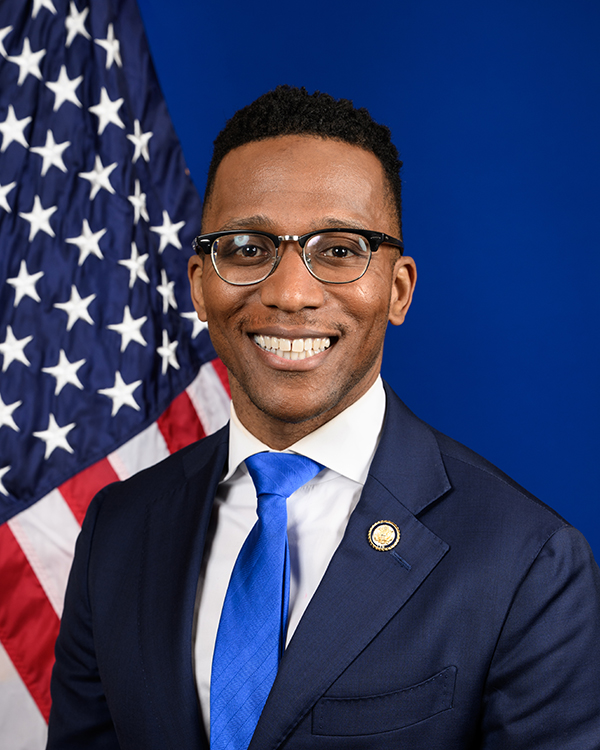
Christian D. Menefee
89% support rate
Top opponent
Gregory F. Murphy
13% support rate
Ranked legislators
10
5 support · 5 oppose
Key legislators

Who's moving immigration in United States

Legislators moving immigration in United States
Legislator Party Stance Support rate Decisive votes
Christian D. Menefee
Christian D. Menefee House · District 18
D
Strong +
89% 9
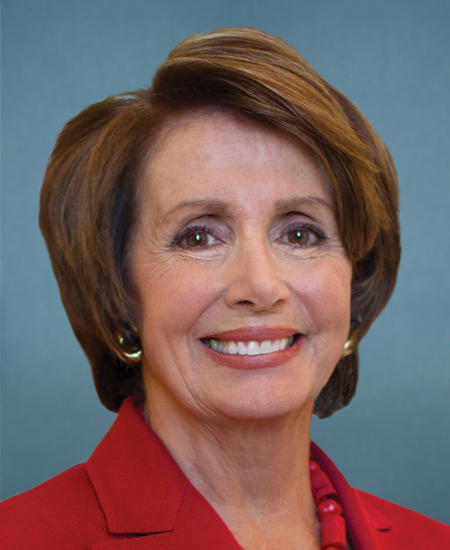
Nancy Pelosi
Nancy Pelosi House · District 11
D
Strong +
86% 21
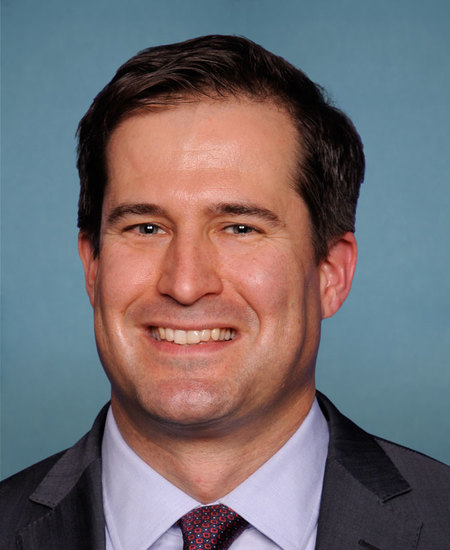
Seth Moulton
Seth Moulton House · District 6
D
Strong +
86% 21
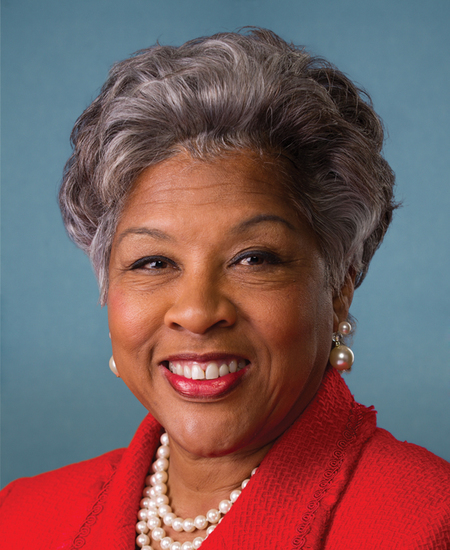
Joyce Beatty
Joyce Beatty House · District 3
D
Strong +
85% 20
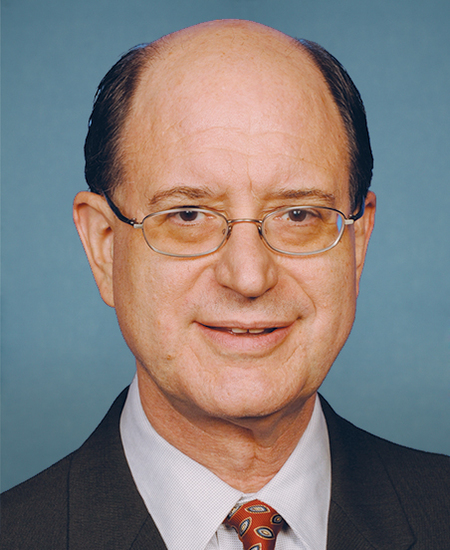
Brad Sherman
Brad Sherman House · District 32
D
Strong +
85% 26
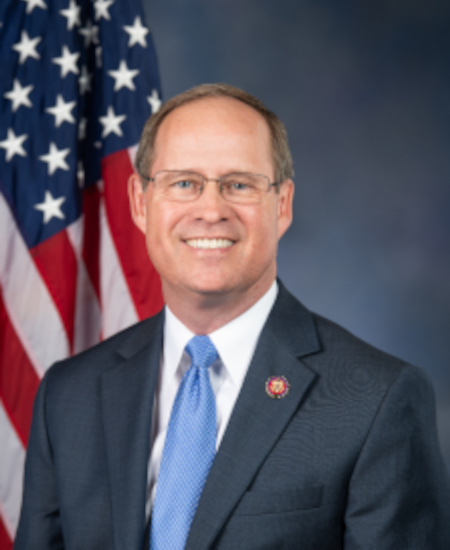
Gregory F. Murphy
Gregory F. Murphy House · District 3
R
Strong −
13% 23
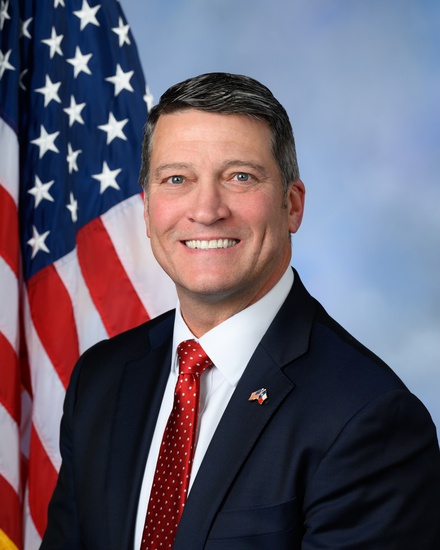
Ronny Jackson
Ronny Jackson House · District 13
R
Strong −
14% 28
Clay Fuller
Clay Fuller House · District 14
R
Strong −
14% 7
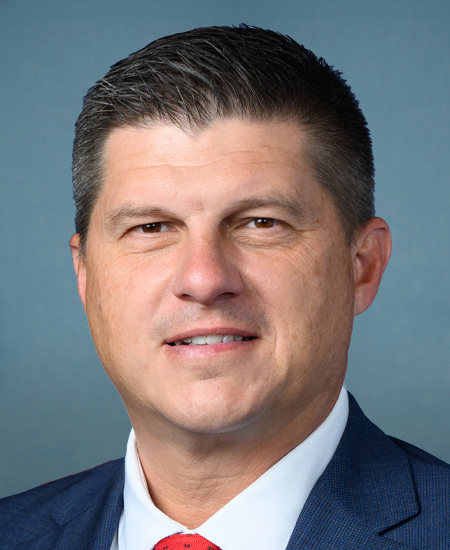
Brad Finstad
Brad Finstad House · District 1
R
Strong −
15% 26
Elise M. Stefanik
Elise M. Stefanik House · District 21
R
Strong −
15% 26
Showing 361–370 of 827 bills

All immigration bills

in committee · United States · Senate Feb 4, 2026

S 3776: The Federal Grant Neutrality Act

The Federal Grant Neutrality Act (S 3776) prevents the Department of Justice from requiring entities to comply with specific immigration-related laws or presidential directives as a condition for receiving DOJ grants. It specifically blocks the Attorney General from demanding agreement to Section 642 of the 1996 immigration law, presidential memoranda, or executive orders. This directly affects local governments, community organizations, and other applicants seeking federal grant funding from the DOJ. The bill removes these requirements as a prerequisite for grant eligibility, ensuring entities can access funding without meeting those particular conditions. The change applies only to DOJ-administered grants, not other federal programs.
in committee · United States · House Feb 23, 2026

HR 7652: Respect for Local Communities Act

HR 7652, the Respect for Local Communities Act, requires the federal government to obtain local community input before building new U.S. Immigration and Customs Enforcement (ICE) detention centers or processing facilities. The bill mandates a 30-day public comment period in the Federal Register, written agreements with local mayors/councils and the state governor, and a 30-day waiting period after reporting to congressional committees before construction or operation begins. It directly affects local governments (mayors, city/county councils) and state governors who must agree to new facilities, and applies to any new ICE facility built after the bill's enactment. Key provisions include requiring an economic impact analysis, environmental compliance checks, and detailed public notice before federal agencies can proceed. The bill does not block construction but adds specific procedural steps for community engagement and oversight.
in committee · United States · House May 7, 2025

HR 3254: Disaster Relief for Farm Workers Act

This bill creates annual emergency grants for farm workers affected by covered disasters. It directly helps migrant and seasonal farm workers who lose income or cannot work due to events like hurricanes, wildfires, pandemics, or extreme weather. Grants fund immediate relief (food, shelter), rebuild community capacity, and support long-term resilience against future disasters. Eligible organizations, including farm worker groups or qualified nonprofits, receive funds to distribute aid without time limits.
Tags Agriculture
in committee · United States · House Mar 3, 2025

HR 1772: Designation of English as the Official Language of the United States Act of 2025

HR 1772 designates English as the official language of the United States federal government, requiring all official government functions (like laws, regulations, and public proceedings) to be conducted in English. It directly affects federal agencies, naturalization processes (mandating English ceremonies and language standards for new citizens), and government communications. Key exceptions include language teaching, disability education, national security needs, census activities, and protections for Native American languages under existing law. The bill does not restrict the use of other languages in private settings or ban bilingual services for essential government functions. It amends U.S. Code to establish these requirements, with implementation set for 180 days after enactment.
passed · United States · House Jun 27, 2025

HR 875: Jeremy and Angel Seay and Sergeant Brandon Mendoza Protect Our Communities from DUIs Act of 2025

HR 875 amends immigration law to make non-citizens with DUI convictions inadmissible (preventing entry) and deportable (requiring removal after entry). It applies to any conviction for driving while intoxicated or impaired under state, tribal, or local law, regardless of whether the offense is classified as a misdemeanor or felony. The bill directly affects non-citizens convicted of driving under the influence of alcohol or drugs, including impairment from other substances. This policy change expands immigration consequences for DUI offenses beyond current standards.
in committee · United States · House Apr 7, 2025

HR 2672: Religious Workforce Protection Act

HR 2672, the Religious Workforce Protection Act, extends temporary nonimmigrant status for religious workers whose applications for permanent residency (green cards) are delayed due to visa backlogs. It directly affects religious workers (such as pastors or missionaries) who are principal or derivative beneficiaries of pending immigrant petitions under specific visa categories, allowing them to maintain their work status beyond the usual 5-year limit while their green card applications are processed. Key provisions include granting extensions until a final decision is made on their adjustment of status application, modifying rules to allow limited job flexibility for these workers, and exempting them from a 1-year foreign residence requirement if they left the U.S. due to the prior 5-year cap. The bill aims to prevent religious workers from losing their legal status during lengthy immigration processing.
Sub-Topics Work Authorization
in committee · United States · House Jan 9, 2025

HR 251: Legal Workforce Act

Legal Workforce Act This bill directs the Department of Homeland Security (DHS) to create an electronic employment eligibility confirmation system modeled after and to replace the E-Verify system, which allows employers and recruiters to verify the immigration status of individuals. The bill also mandates the use of such a system, where currently only some employers, such as those with federal contracts, are required to use E-Verify. The bill specifies documents that can establish an individual's identity and employment authorization. During the period starting when a job offer is made until three business days after hiring, the individual must attest to his or her employment authorization, and the employer or recruiter must attest that it has examined the individual's required documents. Employers shall reverify certain types of employees who were not previously verified using E-Verify. The Social Security Administration shall notify employees if their Social Security number has been used multiple times in an unusual manner. DHS shall establish programs for blocking and suspending misused numbers. Employers that are required to use the verification system shall not be liable for any employment-related action based on a good-faith reliance on the system. The bill establishes a phased-in participation deadline for different sizes and categories of employers, including agricultural employers. The bill increases civil penalties related to hiring individuals without work authorization. It also preempts state laws relating to hiring and employment eligibility verification, but states may use their authority of business licensing to penalize employers for failing to comply with the bill's provisions.
Sub-Topics Work Authorization
in committee · United States · Senate Jun 18, 2025

S 2111: American Students First Act of 2025

S 2111, the American Students First Act of 2025, limits foreign student enrollment at U.S. universities participating in the Student and Exchange Visitor Program. It requires universities to cap nonimmigrant students (on F and M visas) at 10% of their total student population each academic year. Universities may request a waiver from the President or Homeland Security Secretary to increase this cap to 15% for national security reasons or U.S. interests. This bill directly affects all U.S. universities certified under the Student and Exchange Visitor Program by altering their foreign student enrollment rules.
in committee · United States · House Dec 3, 2025

HR 4397: Muslim Brotherhood Terrorist Designation Act of 2025

This bill would amend the Anti-Terrorism Act of 1987 to designate the Muslim Brotherhood as a terrorist organization and prohibit its operations within the United States. It would require the President to designate the Muslim Brotherhood as a foreign terrorist organization under immigration law and impose new visa restrictions, including immediate revocation of current visas, for individuals identified as members. The bill mandates annual reports from the Secretary of State identifying Muslim Brotherhood branches worldwide and determining which should be designated as terrorist organizations under existing laws. These provisions would directly affect Muslim Brotherhood members, branches, and affiliated organizations seeking entry to or operating within the United States.
in committee · United States · House Jun 26, 2025

HR 4200: End DED Act

HR 4200, the End DED Act, prohibits federal funding for the Deferred Enforced Departure (DED) program, which provides temporary immigration protections to individuals from specific countries. It directly affects approximately 100,000 people currently covered under DED from nine nations (including Haiti, El Salvador, and Venezuela), who would lose their work authorization and travel privileges if the program is defunded. The bill’s key provision bans all federal funds from being used to implement or administer DED or any successor program. This addresses congressional concerns that DED - a policy created solely by executive action without statutory authority - undermines Congress’s constitutional power over immigration, which it delegated to Temporary Protected Status (TPS) instead.
Showing 361 to 370 of 827 bills
Previous 1 36 37 38 83 Next