Issue · Immigration

Immigration

Every immigration bill, vote, and legislator stance in United States, automatically classified by Maddy, our AI policy reader.

Total bills
819
119th Congress
Top supporter
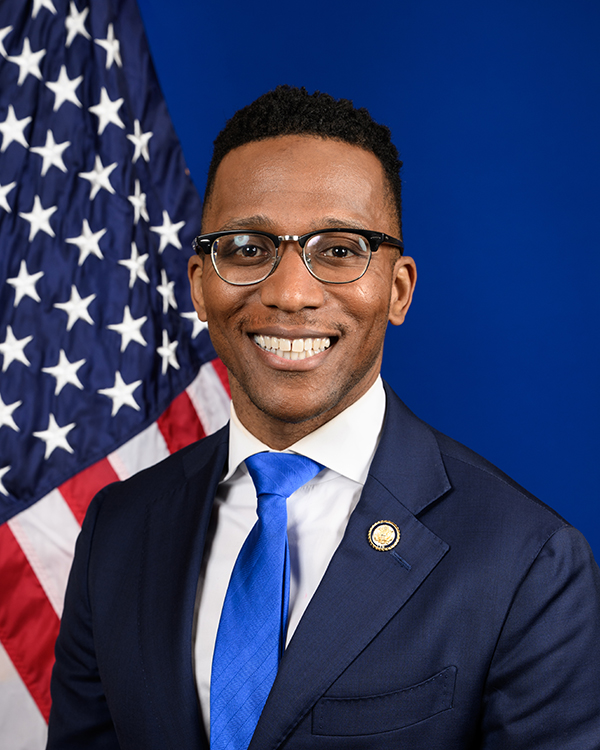
Christian D. Menefee
88% support rate
Top opponent
Gregory F. Murphy
14% support rate
Ranked legislators
10
5 support · 5 oppose
Key legislators

Who's moving immigration in United States

Legislators moving immigration in United States
Legislator Party Stance Support rate Votes
Christian D. Menefee
Christian D. Menefee House · District 18
D
Strong +
88% 66
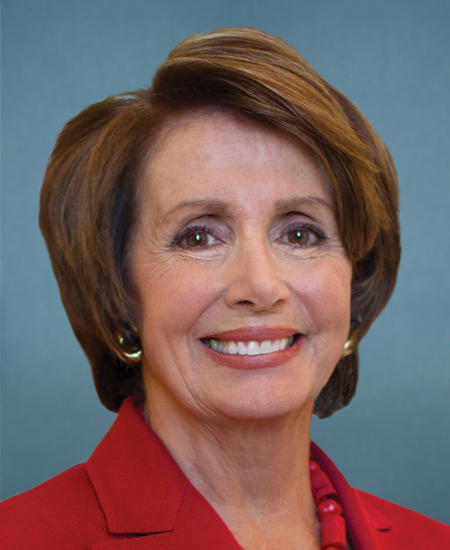
Nancy Pelosi
Nancy Pelosi House · District 11
D
Strong +
86% 139
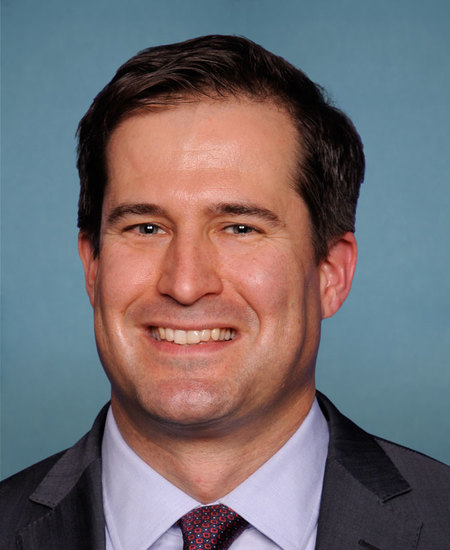
Seth Moulton
Seth Moulton House · District 6
D
Strong +
85% 127
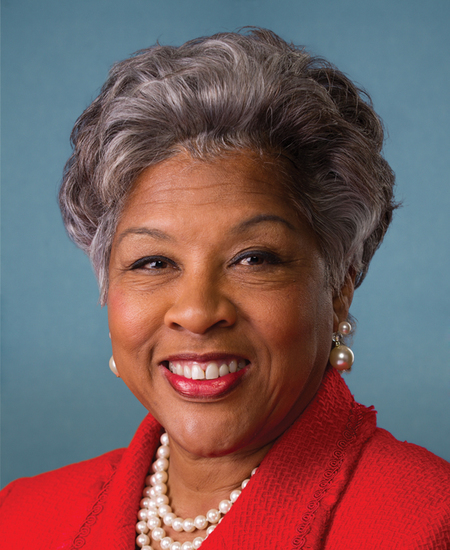
Joyce Beatty
Joyce Beatty House · District 3
D
Strong +
84% 135
Mike Quigley
Mike Quigley House · District 5
D
Strong +
84% 146
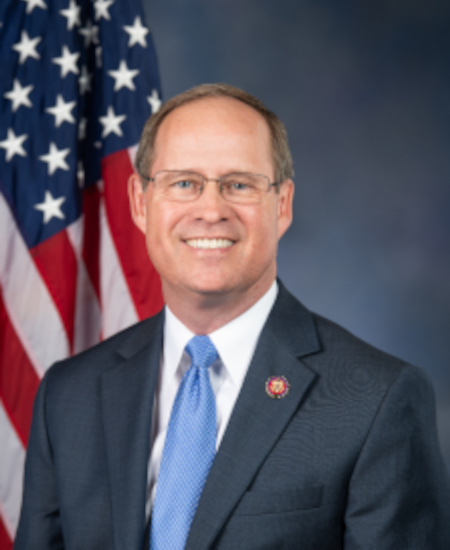
Gregory F. Murphy
Gregory F. Murphy House · District 3
R
Strong −
14% 123
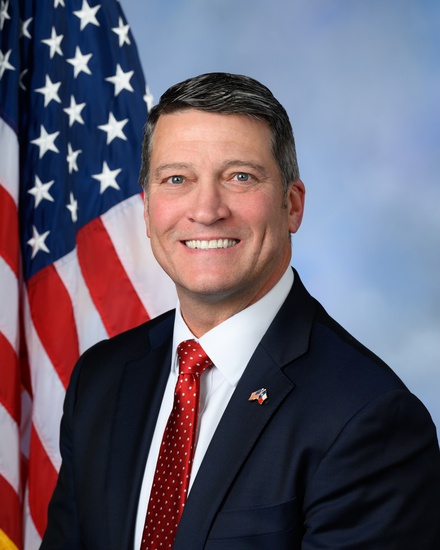
Ronny Jackson
Ronny Jackson House · District 13
R
Strong −
15% 145
Elise M. Stefanik
Elise M. Stefanik House · District 21
R
Strong −
16% 132
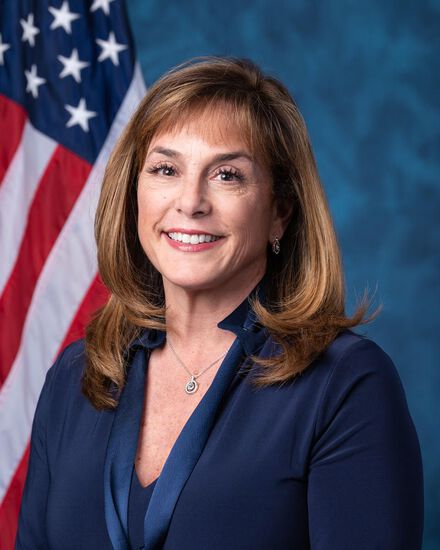
Lisa C. McClain
Lisa C. McClain House · District 9
R
Strong −
16% 147
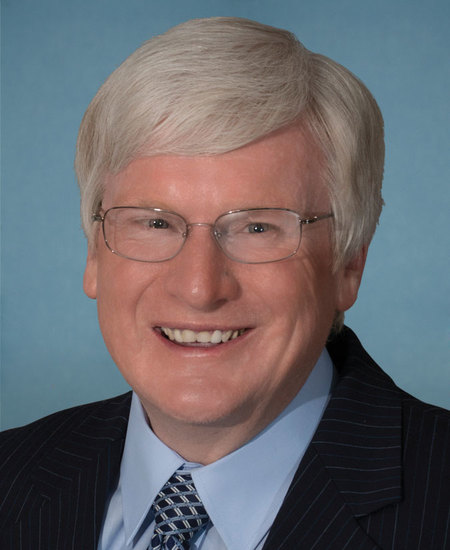
Glenn Grothman
Glenn Grothman House · District 6
R
Strong −
16% 147
Showing 281–290 of 819 bills

All immigration bills

in committee · United States · House Feb 9, 2026

HR 7451: EXILE Act

HR 7451, the EXILE Act, would end the H-1B visa program for foreign workers in specialty occupations after fiscal year 2026. It amends immigration law to eliminate the H-1B program's continuation starting in 2027, setting a permanent annual cap of zero for new H-1B visas. This directly affects U.S. employers who currently sponsor H-1B workers (commonly in tech and professional services) and foreign workers seeking these visas. The bill’s key provision modifies the legal text to phase out the program by removing existing renewal language and inserting a permanent end date.
in committee · United States · House Apr 2, 2025

HR 2604: Protecting Data at the Border Act

The Protecting Data at the Border Act requires U.S. border agents to obtain a warrant based on probable cause before accessing the digital contents of electronic devices belonging to U.S. persons at the border. It prohibits denying entry or delaying entry based on a refusal to provide access credentials, digital content, or online account information, and limits border agents to four hours to determine if a U.S. person will voluntarily provide access. The bill mandates written consent with clear notice of rights for voluntary data access, requires destruction of improperly accessed data, and includes emergency exceptions for immediate threats to life, national security, or public safety. It also requires the Department of Homeland Security to report annually on how often border agents access digital data and under what circumstances.
Sub-Topics Border Security
in committee · United States · House Dec 4, 2025

HR 6379: Shadow Wolves Improvement Act

HR 6379, the Shadow Wolves Improvement Act, amends the Homeland Security Act to establish new requirements for ICE's Shadow Wolves Program, which partners with tribal nations like the Tohono O'odham Nation. The bill requires ICE to define the program's mission, set staffing needs for special agents, create a recruitment/retention strategy with specific goals and timelines, and provide current Tactical Officers with clear details about reclassifying as special agents (including pay and training impacts). It also mandates a plan for filling vacancies due to retirements and outlines criteria for expanding the program to new tribal lands. The bill specifies no new funding is authorized for these changes and requires ICE to submit an implementation report to Congress within one year.
Sub-Topics Border Security Enforcement Tags Tribal Nations
in committee · United States · Senate Jan 13, 2025

S 72: Justice for Jocelyn Act

This bill (S 72) changes how Immigration and Customs Enforcement (ICE) releases non-detained immigrants. It requires that aliens only be placed in Alternatives to Detention (ATD) programs after all detention beds are filled, no detention options exist, and all reasonable detention efforts are exhausted (Section 2). It mandates continuous GPS monitoring and a nightly curfew (10 p.m. to 5 a.m.) for all aliens in ATD programs during all immigration proceedings and until removal (Section 3). Additionally, it allows for automatic removal in absentia if an alien fails to comply with release conditions, based on an officer’s affidavit (Section 4). The bill directly affects non-detained immigrants under ICE supervision who would previously qualify for ATD.
in committee · United States · House Feb 27, 2025

HR 1678: Homeland Security Improvement Act

The Homeland Security Improvement Act establishes a 30-member Border Oversight Commission with balanced regional representation from northern and southern border communities to review border enforcement policies and their impact on border residents. It creates an Ombudsman for Border and Immigration-Related Concerns within the Department of Homeland Security to independently receive and investigate complaints about border enforcement activities, including facility inspections and establishing a standardized complaint process. The bill mandates enhanced training for border enforcement personnel focusing on community relations, use of force policies, cultural awareness, and handling vulnerable populations. Additionally, it requires data collection on border enforcement stops and includes provisions to prohibit family separations for deterrence purposes.
Sub-Topics Border Security
in committee · United States · Senate Feb 4, 2025

S 391: Access to Counsel Act of 2025

S 391, the Access to Counsel Act of 2025, requires U.S. Customs and Border Protection to provide certain immigrants access to legal counsel during immigration inspections at ports of entry or during deferred inspection. It directly affects individuals including lawful permanent residents returning from travel, visa holders, refugees, asylees, and parolees. The bill mandates that immigration officers ensure a meaningful opportunity for counsel consultation within one hour of inspection starting, including phone access, and allows counsel to present evidence to officers. Special rules require lawful permanent residents to receive legal advice before signing a form abandoning their status, unless they voluntarily waive this right in writing. The law takes effect 180 days after enactment and does not override existing rights to counsel under other immigration laws.
Sub-Topics Border Security
in committee · United States · House Jul 23, 2025

HR 4687: Partner with Korea Act

The Partner with Korea Act creates a new visa category for South Korean nationals to work in specialty occupations in the U.S., with an annual cap of 15,000 visas. Employers must file an attestation with the Department of Labor, which the Secretary of Labor must certify before the visa is approved. The visa limit applies only to the principal worker and excludes spouses or children. This bill directly affects South Korean workers seeking specialty jobs and U.S. employers hiring them under this new category.
Sub-Topics Work Authorization
in committee · United States · House Oct 14, 2025

HRES 804: Recognizing the importance of Spanish-language media in the United States.

This resolution formally recognizes the vital role of Spanish-language media in serving over 41 million U.S. residents who speak Spanish at home. It affirms that access to Spanish-language news and entertainment is essential for community engagement, combating misinformation, and supporting democratic participation. The House resolution specifically commends Spanish-language media professionals and encourages policies that sustain this media sector, which provides culturally relevant information on elections, health, and civic life. As a symbolic gesture (not a law), it has no direct policy changes but highlights the sector's importance to Latino communities and national inclusivity.
in committee · United States · House Jan 20, 2026

HR 7156: SCAM Act

HR 7156, the SCAM Act, would expand grounds for revoking U.S. citizenship (denaturalization) for naturalized citizens who commit specific offenses within 10 years of becoming citizens. It targets individuals convicted of defrauding federal, state, or local governments (e.g., $10,000+ in public benefit fraud), affiliating with foreign terrorist organizations, or committing aggravated felonies or espionage. If convicted in these categories, the government could automatically revoke citizenship retroactively (as if it never existed) based on evidence that the person lacked good moral character or loyalty to the U.S. at the time of naturalization. This bill directly affects naturalized citizens who commit these offenses within a decade of gaining citizenship, with revocation triggering immediate deportability.
in committee · United States · House Mar 5, 2025

HR 1861: Checkpoint Modernization Act

The Checkpoint Modernization Act requires U.S. Customs and Border Protection (CBP) to prioritize renovating border checkpoints along the southern U.S. border to improve agent safety, enhance detection of smuggling and contraband, and reduce traffic congestion. It authorizes $150 million annually from 2025-2028 for these projects and mandates annual reports to Congress on costs and progress. The bill also rescinds unobligated funds from the EPA’s climate justice grants program to cover these border renovations. This directly affects Border Patrol agents, travelers at southern border checkpoints, and federal budget allocations for border security. The focus is on physical infrastructure upgrades and operational efficiency, not policy changes to border enforcement.
Sub-Topics Border Security
Showing 281 to 290 of 819 bills
Previous 1 28 29 30 82 Next