Issue · Immigration

Immigration

Every immigration bill, vote, and legislator stance in United States, automatically classified by Maddy, our AI policy reader.

Total bills
819
119th Congress
Top supporter
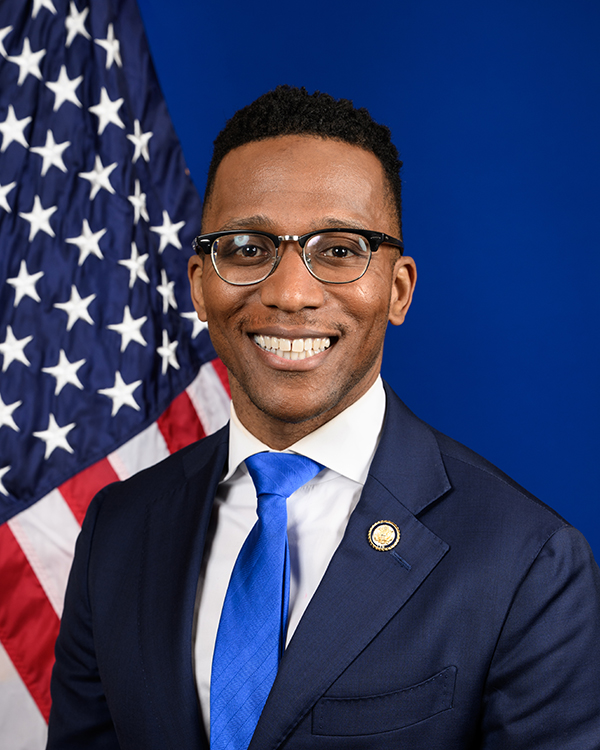
Christian D. Menefee
88% support rate
Top opponent
Gregory F. Murphy
14% support rate
Ranked legislators
10
5 support · 5 oppose
Key legislators

Who's moving immigration in United States

Legislators moving immigration in United States
Legislator Party Stance Support rate Votes
Christian D. Menefee
Christian D. Menefee House · District 18
D
Strong +
88% 66
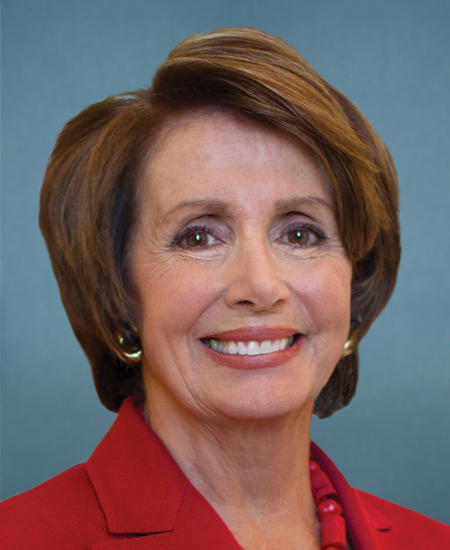
Nancy Pelosi
Nancy Pelosi House · District 11
D
Strong +
86% 139
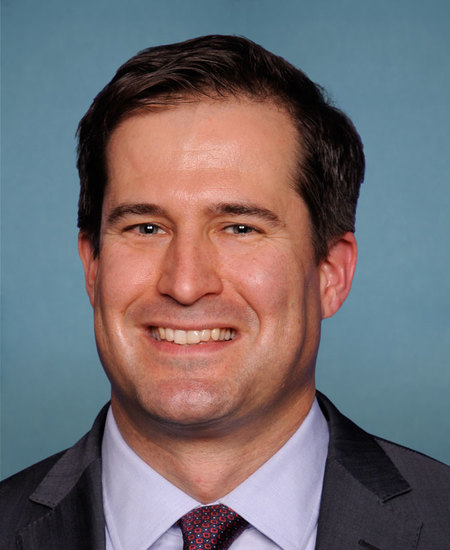
Seth Moulton
Seth Moulton House · District 6
D
Strong +
85% 127
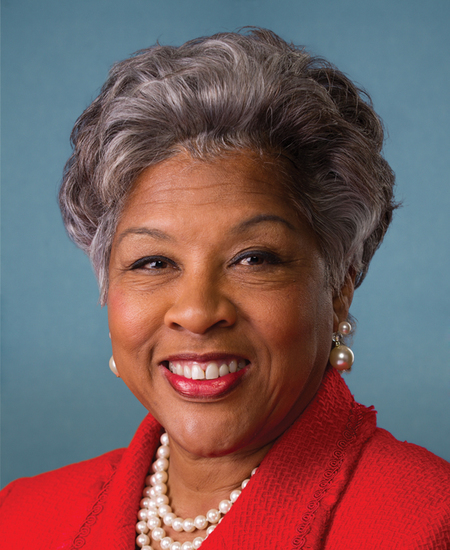
Joyce Beatty
Joyce Beatty House · District 3
D
Strong +
84% 135
Mike Quigley
Mike Quigley House · District 5
D
Strong +
84% 146
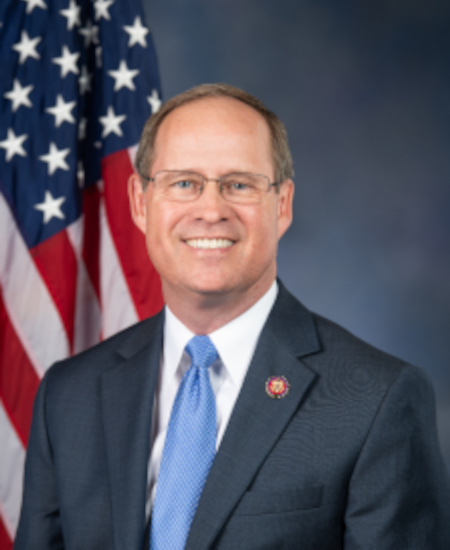
Gregory F. Murphy
Gregory F. Murphy House · District 3
R
Strong −
14% 123
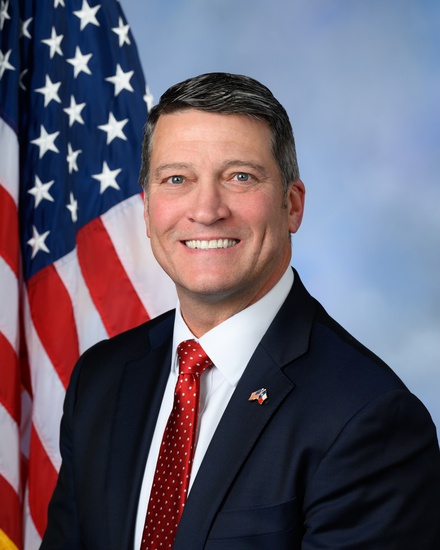
Ronny Jackson
Ronny Jackson House · District 13
R
Strong −
15% 145
Elise M. Stefanik
Elise M. Stefanik House · District 21
R
Strong −
16% 132
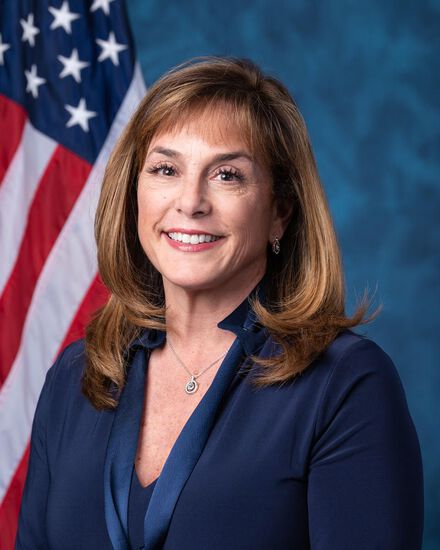
Lisa C. McClain
Lisa C. McClain House · District 9
R
Strong −
16% 147
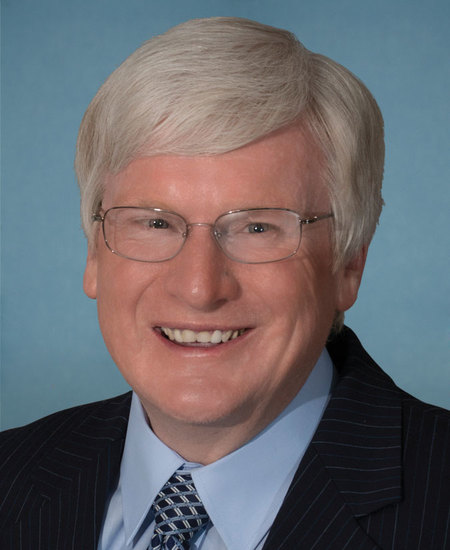
Glenn Grothman
Glenn Grothman House · District 6
R
Strong −
16% 147
Showing 211–220 of 819 bills

All immigration bills

introduced · United States · Senate Apr 2, 2026

S 4277: 10 Years of ICE Funding Act

10 Years of ICE Funding Act This bill provides appropriations for U.S. Immigration and Customs Enforcement (ICE) through FY2036. Specifically, the bill provides specified appropriations to ICE for operations and support, including for the purchase and lease of police-type vehicles, for overseas vetted units, and for maintenance, minor construction, and minor leasehold improvements at owned and leased facilities. The bill also provides appropriations to ICE for procurement, construction, and improvements, including for acquisition of necessary additional real property and facilities, construction and ongoing maintenance, facility improvements, equipment, and related expenses. The appropriations provided to ICE by this bill are available until September 30, 2036.
in committee · United States · House Feb 25, 2026

HR 7682: Closing the Workforce Gap Act of 2026

This bill, titled the Closing the Workforce Gap Act of 2026, modifies the H-2B temporary worker visa program by adjusting numerical limits, strengthening enforcement measures, and adding new requirements for employers. It directly affects employers seeking to hire foreign workers under the H-2B program and the workers themselves. The legislation caps the number of H-2B visas at half the number of certified positions from the previous year, while exempting rural and seasonal locations from this limit. It also increases penalties for employers who misrepresent information or fail to meet program requirements, establishes a formal complaint process for workers, and requires employers to maintain workplace safety plans and report certain employment issues to authorities. Additionally, the bill restricts H-2B petitions to nationals from countries designated as participating based on factors like visa fraud rates and overstay statistics, and prohibits workers from paying fees for recruitment or petition processing.
in committee · United States · Senate Mar 25, 2026

S 4206: Know Your American Customer Act

This bill requires banks and credit unions to verify the citizenship or lawful immigration status of individuals opening or maintaining accounts in the United States. Financial institutions must accept specific documents such as passports, driver's licenses, or birth certificates to confirm a customer's identity and legal presence. The law includes provisions for temporary residents, allowing them to maintain accounts for a limited period after their authorized stay expires while restricting certain transactions. It also establishes penalties for individuals who open accounts without lawful status and provides safe harbors for financial institutions that make good-faith efforts to comply with verification requirements.
in committee · United States · House Mar 19, 2026

HR 8015: Incentivizing Cooperation in Immigration Enforcement Act

This bill modifies federal grant eligibility rules to prioritize states or local jurisdictions that have formal agreements with the Department of Homeland Security under the 287(g) program. The 287(g) program allows local law enforcement to work with federal immigration officials on immigration enforcement activities. By changing the Omnibus Crime Control and Safe Streets Act, the legislation ensures that states or political subdivisions with these written agreements receive priority consideration when applying for certain crime control grants. The change does not mandate participation but creates a preference for jurisdictions already engaged in this type of cooperation.
in committee · United States · House Apr 2, 2026

HR 8191: Immigration Status Notification and Transparency Act of 2026

This bill requires the government to send electronic notifications within 24 hours when immigration petitions or applications change status. It directly affects applicants, petitioners, their legal representatives, and the aliens involved in these immigration cases. The notifications must include at least two methods of contact, such as email, phone calls, or text messages. This change aims to improve transparency by keeping all parties informed about updates to their immigration filings.
in committee · United States · House Apr 2, 2026

HR 8182: Banning Perpetrators of Religious Persecution Act of 2026

This bill prohibits the issuance of U.S. visas to individuals who have committed particularly severe violations of religious freedom, either while serving as foreign government officials or while acting outside the United States. It directly affects foreign nationals by adding them to the list of inadmissible aliens under U.S. immigration law if they meet specific criteria related to religious persecution. The law requires the Secretary of State to publish the names and locations of these individuals on a public website, though the Secretary retains discretion to withhold identities if doing so would harm U.S. foreign policy interests. This measure expands existing immigration restrictions to specifically target those responsible for religious freedom violations, creating a new ground for visa denial.
in committee · United States · House Mar 25, 2026

HR 8077: 287(g) Cooperation Act of 2026

This bill, the 287(g) Cooperation Act of 2026, requires state and local law enforcement agencies to sign a formal agreement with the Department of Homeland Security to remain eligible for federal Community Oriented Policing Services grants. The law mandates that agencies must have this written memorandum of agreement in place within 180 days of the bill's enactment, or they will be ineligible to receive funding for the program. The Attorney General and Secretary of Homeland Security must establish procedures to verify that agencies have completed this agreement before approving any grant awards. The changes apply to grant applications starting with fiscal year 2027 and all subsequent years.
in committee · United States · House Mar 26, 2026

HR 8112: Preserving Social Security and Medicare for Citizens Act of 2026

This bill proposes restricting Medicare and Social Security benefits to U.S. citizens and lawful permanent residents, excluding undocumented immigrants and other non-citizens from receiving these programs. It would also expand the Social Security payroll tax to cover wages paid to certain individuals currently exempt from such taxes. The changes would take effect for months beginning after the bill's enactment, directly affecting eligibility for federal retirement and healthcare benefits.
in committee · United States · House Mar 24, 2026

HR 8062: Ensuring Full Participation in the Census Act of 2026

This bill, titled the Ensuring Full Participation in the Census Act of 2026, prohibits the inclusion of questions about citizenship, nationality, or immigration status on the decennial census questionnaire. It directly affects the U.S. Census Bureau by amending federal law to restrict what information can be collected during the national population count. The key provision bans these specific questions for the main census survey while allowing the American Community Survey to continue collecting such data. This change aims to ensure all residents are counted without concerns about how their immigration status might be recorded.
in committee · United States · House Apr 9, 2026

HR 8240: SAFER Act of 2026

The SAFER Act of 2026 prohibits U.S. immigration officials from granting asylum to individuals who have returned to their country of nationality or last habitual residence after applying for asylum. The bill also allows for the termination of existing asylum status, denaturalization, and deportation for those who return to their country of concern. Exceptions to these restrictions may be made on a case-by-case basis if the President certifies national security needs or the Secretary of State certifies a legitimate transfer of power in the country. This legislation directly affects asylum seekers and those already granted asylum who travel back to their home countries.
Showing 211 to 220 of 819 bills
Previous 1 21 22 23 82 Next