Issue · Immigration

Immigration (Enforcement)

Every immigration bill, vote, and legislator stance in United States, automatically classified by Maddy, our AI policy reader.

Total bills
437
119th Congress
Top supporter
Alan Armstrong
86% support rate
Top opponent
Catherine Cortez Masto
11% support rate
Ranked legislators
10
5 support · 5 oppose
Key legislators

Who's moving enforcement in United States

Legislators moving enforcement in United States
Legislator Party Stance Support rate Decisive votes
AA
Alan Armstrong Senate
R
Strong +
86% 29
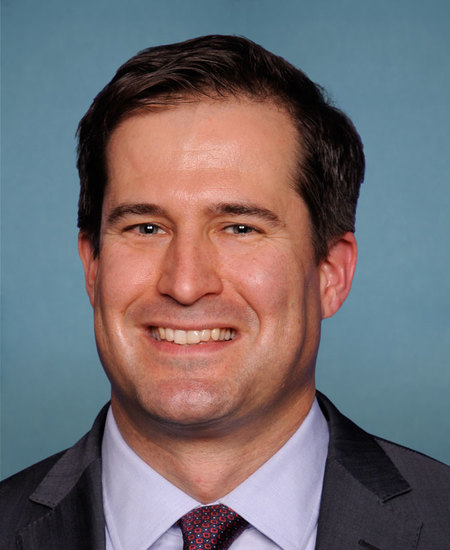
Seth Moulton
Seth Moulton House · District 6
D
Strong +
83% 12
Mitch McConnell
Mitch McConnell Senate
R
Strong +
82% 33
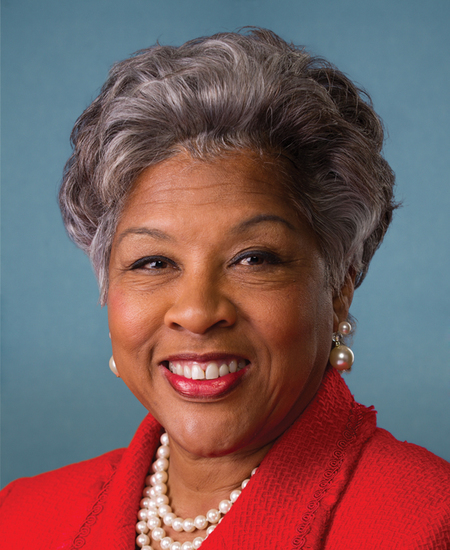
Joyce Beatty
Joyce Beatty House · District 3
D
Strong +
82% 11
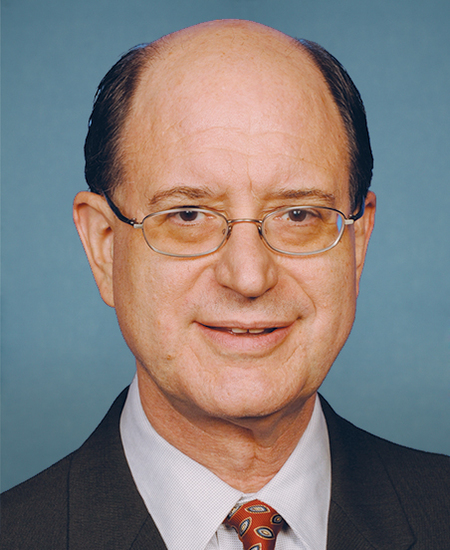
Brad Sherman
Brad Sherman House · District 32
D
Strong +
80% 15
Catherine Cortez Masto
Catherine Cortez Masto Senate
D
Strong −
11% 35
Margaret Wood Hassan
Margaret Wood Hassan Senate
D
Strong −
11% 35
Donald G. Davis
Donald G. Davis House · District 1
D
Strong −
12% 17
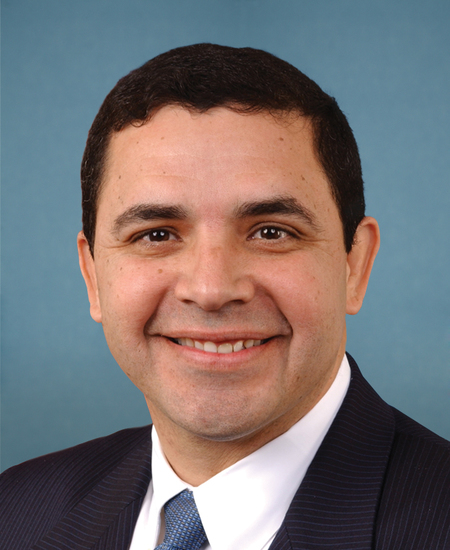
Henry Cuellar
Henry Cuellar House · District 28
D
Strong −
12% 17
Laura Gillen
Laura Gillen House · District 4
D
Strong −
12% 17
Showing 201–210 of 437 bills

All immigration bills

in committee · United States · House Sep 11, 2025

HR 5324: No More Missing Children Act

The No More Missing Children Act establishes a new federal program to prevent trafficking, disappearance, or loss of unaccompanied alien children (UAC) released into sponsors' care. It requires HHS to enroll all UAC (including those released before the law's enactment) and mandates strict monitoring: GPS tracking for children under 4, monthly telephonic check-ins, DNA collection from children and sponsors, and rigorous background checks for all sponsors (including FBI, sex offender registry, and criminal history checks). The program also requires unannounced home visits (6 in the first year, 4 annually after) and immediately takes custody if sponsors violate conditions like missing check-ins or failing to comply with court orders. This directly affects UAC under 18 and their sponsors, with enforcement focused on preventing exploitation through continuous oversight and strict eligibility standards.
Sub-Topics Enforcement
in committee · United States · Senate Jan 29, 2026

S 3744: A bill to amend chapter 93 of title 18, United States Code, to prohibit obstruction of immigration laws by official interference.

This bill prohibits state and local government officials from obstructing federal immigration enforcement. It makes it unlawful for such officials to block federal officers from accessing detention facilities, conceal aliens subject to removal, release individuals without 48-hour notice to federal authorities, or restrict cooperation with immigration enforcement requests. Violations could result in fines, up to 10 years in prison for most cases, or longer sentences if the release leads to death or serious injury. The law directly affects state and local law enforcement employees, contractors, and policies that interfere with federal immigration operations.
in committee · United States · House Feb 20, 2026

HR 7621: Stop ICE Election Militarization Act

This bill prohibits Immigration and Customs Enforcement (ICE) officers from conducting most immigration enforcement operations during the four weeks before federal elections. Exceptions only allow enforcement for specific criminal investigations involving a particular individual or to prevent imminent death or serious injury. It directly affects ICE operations by requiring stronger legal justification for actions near election periods. The law amends existing federal code to explicitly include immigration officers in election interference prohibitions.
in committee · United States · House Mar 14, 2025

HR 2128: Reimbursing Border Communities Act of 2025

HR 2128, the Reimbursing Border Communities Act of 2025, creates a federal grant program to reimburse eligible local governments within 200 miles of the U.S.-Mexico land border for costs related to border security measures, such as additional law enforcement wages. To qualify, communities must be local governments (not sanctuary jurisdictions), submit applications to the DHS Secretary, and cannot use funds for legal aid, housing, healthcare, or other services for immigrants. Grants are capped at $500,000 per community per year, with $25 million authorized annually from 2026-2036. The program requires annual reports to Congress detailing grant usage and implementation, including recommendations for future funding adjustments.
in committee · United States · House Jun 10, 2025

HR 3882: RIPPLE Act of 2025

This bill (HR 3882) creates a federal reimbursement program for state and local law enforcement agencies that participate in immigration enforcement under existing 287(g) agreements. It directly affects police departments and sheriff's offices that partner with federal immigration authorities, allowing them to seek reimbursement from the Attorney General for specific costs. Key provisions specify that reimbursements cover wages, overtime pay (as defined by federal labor law), and salaries paid to officers performing immigration-related duties under these agreements. The bill does not expand enforcement authority but changes how costs are covered for current 287(g) partnerships.
in committee · United States · House Jun 4, 2025

HR 3725: Preventing the Abuse of Immigration Parole Act

This bill would reform immigration parole by requiring the Secretary of Homeland Security to grant temporary entry only on a case-by-case basis for urgent humanitarian needs or significant public benefit, reversing what the bill describes as systemic overuse. It imposes a strict annual cap of 3,000 paroles starting in fiscal year 2029, restricts parole for nationals of designated "countries of concern" without a State Department waiver, and allows states to sue if they claim financial harm exceeding $100 from parole decisions. The bill directly affects immigrants seeking temporary entry and DHS officials administering the program. Key mechanisms include the new cap, country restrictions, and state lawsuit provisions to enforce compliance.
in committee · United States · House Feb 6, 2026

HR 7395: NO ICE ADs Act

HR 7395, the NO ICE ADs Act, prohibits the Department of Homeland Security (DHS) from spending federal funds on television advertisements promoting U.S. Immigration and Customs Enforcement (ICE), recruiting for ICE, or improving ICE's public image. This bill directly affects DHS by restricting how it can use its budget for communication activities related to ICE. The key provision bans the obligation or expenditure of funds for any TV ads intended to advance ICE's brand, programs, or personnel recruitment. It does not alter immigration enforcement policies or create new legal requirements, only limiting specific advertising spending. The bill aims to prevent federal resources from being used to support ICE's public outreach efforts.
in committee · United States · House Jun 12, 2025

HR 3987: No Community Development Block Grants for Sanctuary Cities Act

This bill amends federal law to block Community Development Block Grants (CDBG) from going to local governments that qualify as "sanctuary jurisdictions." A sanctuary jurisdiction is defined as a city or county that restricts sharing immigration status information with federal authorities or refuses to comply with certain immigration detainer requests. The law requires grant recipients to certify they are not sanctuary jurisdictions during the grant period. This directly affects cities and counties with policies limiting cooperation on immigration enforcement, potentially withholding federal funds for housing, infrastructure, and community programs. The exception for jurisdictions not sharing information when victims or witnesses of crimes come forward is included.
in committee · United States · House Mar 18, 2026

HR 5713: Expedited Removal of Criminal Aliens Act

This bill creates a new provision (Section 238A) in immigration law requiring the Department of Homeland Security to expedite the removal (deportation) of certain non-citizens. It directly affects individuals who are: (1) criminal gang members or members of a foreign terrorist organization, or (2) convicted of specific serious crimes including felonies, assaults against vulnerable groups (defined as children under 16, pregnant women, disabled individuals, or seniors over 65), sexual offenses, domestic violence, or child exploitation crimes. The bill mandates mandatory detention and faster removal proceedings for these individuals, and explicitly states they cannot seek withholding of removal (a form of protection from deportation). It does not change existing immigration categories but adds these specific grounds for expedited removal.
in committee · United States · House Feb 20, 2026

HR 7608: Southeast Asian Deportation Relief Act of 2026

HR 7608, the Southeast Asian Deportation Relief Act of 2026, prevents the deportation of eligible Cambodian, Laotian, and Vietnamese nationals who entered the U.S. before January 1, 2008, and have continuously resided here since. The bill halts removals for these individuals, grants them permanent work authorization with 5-year permits renewable indefinitely, and eliminates in-person check-ins for immigration supervision. It also requires immigration authorities to reopen past deportation cases for eligible individuals, allowing them to seek relief under the Act’s provisions without retroactive penalties. This directly affects approximately 15,000 long-term Southeast Asian residents, many of whom arrived as child refugees following conflicts the U.S. was involved in.
Showing 201 to 210 of 437 bills
Previous 1 … 20 21 22 … 44 Next