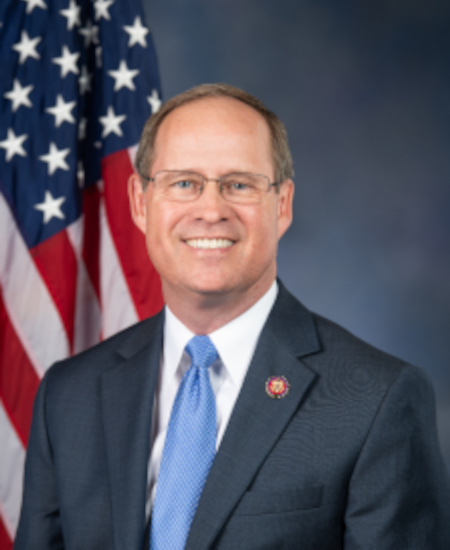
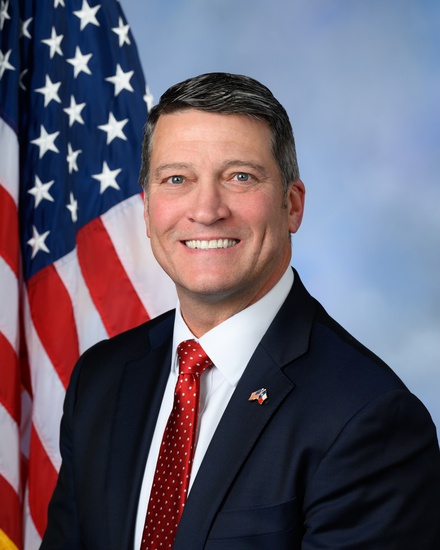
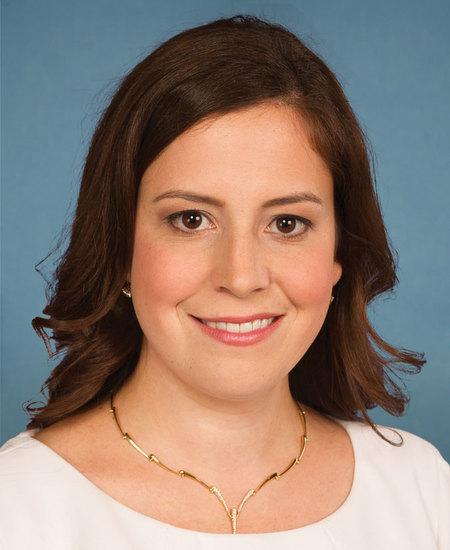
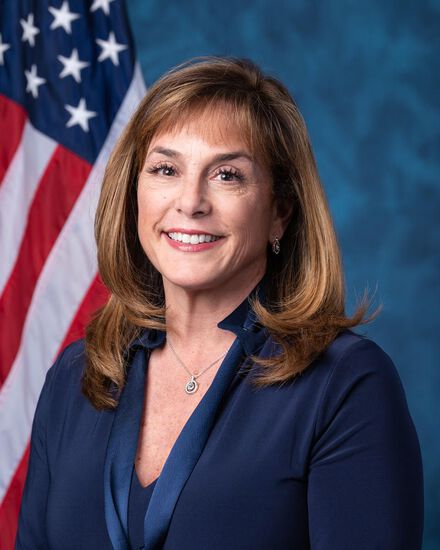
The KIDS Act restricts U.S. immigration authorities from detaining children, individuals with cognitive disabilities, and their primary caregivers, with limited exceptions for criminal warrants. It also prohibits law enforcement from conducting immigration actions within 1,000 feet of sensitive locations such as schools, hospitals, places of worship, and disaster relief sites. If a violation occurs, the bill mandates the immediate release of wrongfully detained individuals and bars the use of information gathered during illegal enforcement actions in future court cases. Additionally, the law requires that any necessary detentions be reported to Congress within 24 hours and prioritizes placing children with parents or designated guardians.
The Election Security Partnership Act allocates $20 million in additional funding to states that agree to share their voter registration lists with the Department of Homeland Security. To receive these funds, eligible states must enter a written agreement to provide quarterly updates of their voter rolls to the SAVE system for the purpose of verifying citizenship status. This provision directly affects states participating in the 2026 election security grant program, linking financial assistance to the specific requirement of data sharing for identity verification. The bill does not alter existing election laws but creates a conditional funding mechanism based on administrative cooperation between state election officials and federal agencies.
The Protecting Student Privacy Act prevents federal student aid data from being shared with immigration enforcement agencies for the purpose of enforcing immigration laws. This rule applies to information held by the Department of Education regarding students and their financial contributors, such as parents or spouses, and blocks its use for arrests, interviews, or surveillance by the Department of Homeland Security and other authorized entities. The law includes specific exceptions for court orders related to criminal offenses and for cases where a student or contributor voluntarily and without pressure consents to sharing their information. Additionally, the bill requires the Secretary of Education to report any unauthorized disclosures to Congress and states that this new rule overrides any conflicting state or local laws.
This bill proposes a constitutional amendment to bar individuals who hold citizenship or owe allegiance to a foreign country from serving as U.S. President, Vice President, members of Congress, federal judges, or certain appointed officials. The key provision requires any person wishing to hold these positions to formally and permanently give up their foreign citizenship or allegiance before taking office. If ratified by the states, the rules would take effect at different times depending on the specific office, ranging from immediately upon ratification for judges to the start of the next presidential term.
This bill, known as the Conrad 30 Physician Workforce Optimization Act, aims to increase the number of available visa slots for foreign-trained doctors in the United States from 10 to 15 per state. It also creates a new online portal to help states and hospitals find these doctors who have applied for work visas but were not initially selected or could not apply due to state limits. Under the new system, states with unused visa slots can review these doctors' credentials during a special 60-day period to fill positions in underserved areas. To ensure fairness, employers using this portal must certify that they have already tried to hire locally and that the facility serves a community with a shortage of healthcare providers.
This bill, known as the ASSIMILATION Act, fundamentally restructures the U.S. immigration system by replacing family-based and lottery-based admissions with a merit-based approach that prioritizes economic self-sufficiency and national interest. It directly affects prospective immigrants, current visa holders, and employers by establishing new requirements for entry, employment, and naturalization. Key provisions eliminate the diversity visa lottery, restrict family-sponsored immigration to spouses and minor children, and mandate that all immigrants demonstrate the ability to support themselves without relying on government benefits. The legislation also introduces stricter enforcement measures, such as making visa overstays a criminal offense, expanding E-Verify to all employers, and requiring higher English proficiency and tax compliance for citizenship. Additionally, it tightens asylum rules by adding a transit bar for those passing through other countries and limits parole to specific humanitarian cases rather than broad programs.
This resolution proposes to impeach John McConnell, Jr., the Chief Judge of the United States District Court for the District of Rhode Island, for high crimes and misdemeanors. The bill alleges that Judge McConnell abused his judicial discretion by vacating a USCIS policy framework that paused asylum applications and immigration benefit requests for individuals from certain countries. The resolution claims this decision disregarded specific national security incidents and prioritized the interests of noncitizens over public safety. If passed, the House would formally charge the judge with conduct incompatible with his office, sending the article of impeachment to the Senate for trial.
H.R. 1350 is a non-binding resolution that expresses the House of Representatives' support for creating a National Day of Honor and Respect alongside Constitution Day and Citizenship Day. The bill aims to honor immigrants and diverse backgrounds while encouraging positive interactions among citizens and reducing hate and discrimination. It also affirms the importance of promoting civic education and public service across the nation.
This bill prohibits the issuance of religious worker visas to individuals holding specific high-ranking titles in Islam, including ayatollahs, grand ayatollahs, imams, grand imams, muftis, grand muftis, and shaykhas. The law directly affects foreign nationals seeking to enter the United States under the R visa category for religious work, effectively barring those with these designated titles from admission. By amending the Immigration and Nationality Act, the legislation creates a blanket restriction based solely on religious hierarchy rather than individual conduct or specific activities.
This bill, known as the Know Your American Customer Act, requires banks and credit unions to verify that all new and existing individual account holders are legally present in the United States. To open an account, individuals must present specific documents proving citizenship or lawful status, such as a passport, driver's license, or permanent resident card, with stricter rules applying to those with temporary visas. The law mandates that institutions freeze or close accounts for individuals who lose their legal status, though it provides a temporary grace period to allow for incoming deposits before restricting withdrawals. Additionally, the bill introduces criminal penalties, including fines and imprisonment, for individuals who illegally open or maintain accounts, while explicitly exempting those who have recently lost status or are seeking asylum.