Issue · Immigration

Immigration (Border Security)

Every immigration bill, vote, and legislator stance in United States, automatically classified by Maddy, our AI policy reader.

Total bills
106
119th Congress
Top supporter
Mitch McConnell
93% support rate
Top opponent
Kristen McDonald Rivet
0% support rate
Ranked legislators
10
5 support · 5 oppose
Key legislators

Who's moving border security in United States

Legislators moving border security in United States
Legislator Party Stance Support rate Votes
Mitch McConnell
Mitch McConnell Senate
R
Strong +
93% 28
AA
Alan Armstrong Senate
R
Strong +
86% 28
Bernie Moreno
Bernie Moreno Senate
R
Strong +
86% 28
Bill Hagerty
Bill Hagerty Senate
R
Strong +
86% 28
Chuck Grassley
Chuck Grassley Senate
R
Strong +
86% 28
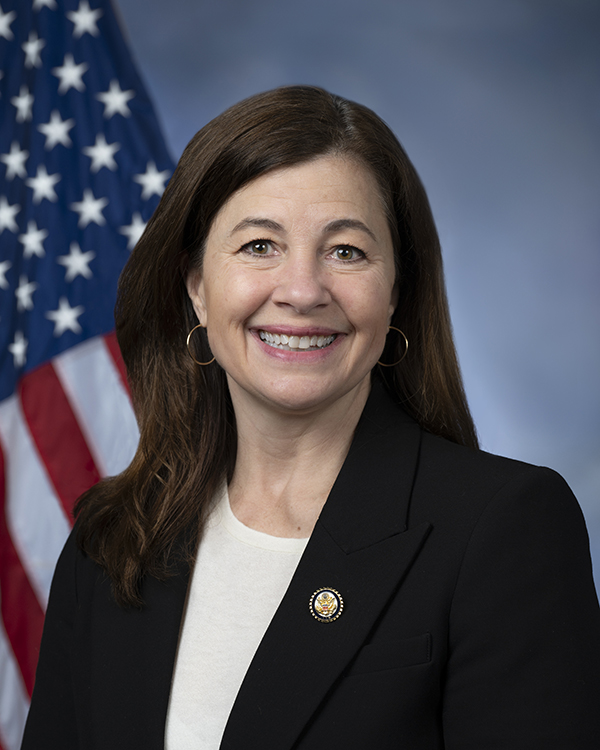
Kristen McDonald Rivet
Kristen McDonald Rivet House · District 8
D
Strong −
0% 3
Nancy Mace
Nancy Mace House · District 1
R
Strong −
0% 3
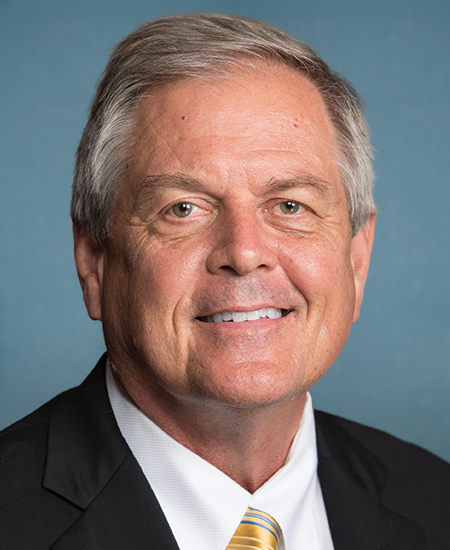
Ralph Norman
Ralph Norman House · District 5
R
Strong −
0% 3
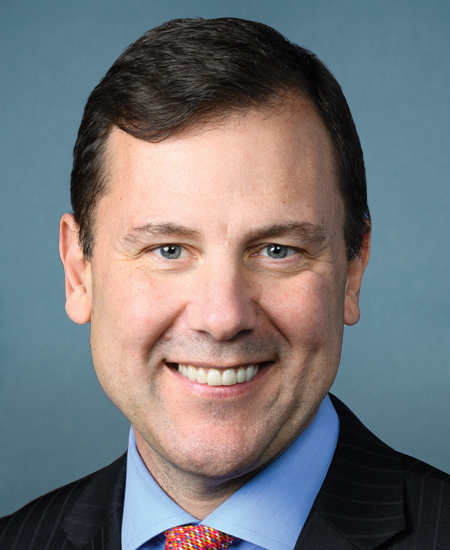
Thomas H. Kean, Jr.
Thomas H. Kean, Jr. House · District 7
R
Strong −
0% 3
Amy Klobuchar
Amy Klobuchar Senate
D
Strong −
14% 28
Showing 91–100 of 106 bills

All immigration bills

in committee · United States · Senate Dec 18, 2025

S 3571: Keeping Our Agents on the Line Act

S 3571, the "Keeping Our Agents on the Line Act," restricts U.S. Border Patrol agents to patrolling within 25 miles of the U.S. land border, prohibiting them from conducting interior arrests or operations beyond this limit without specific exceptions (like emergencies or declared disasters). It requires U.S. Customs and Border Protection to publicly report data on checkpoint encounters (including breakdowns by citizenship status) and interior arrests (including agent training and case dispositions) within 30-90 days of enactment. The bill directly affects U.S. Border Patrol agents, their operational boundaries, and individuals encountered during border patrols or interior arrests, including U.S. citizens and residents. Key mechanisms include reaffirming the 25-mile limit, banning unauthorized interior authority delegation, and mandating transparency through public data reporting.
in committee · United States · House Jan 9, 2025

HR 273: REMAIN in Mexico Act of 2025

This bill directs the Department of Homeland Security to implement the Migrant Protection Protocols (MPP) as outlined in a 2019 policy memo. It requires migrants seeking asylum at the U.S. border to remain in Mexico while their cases are processed, rather than being allowed to stay in the U.S. pending a hearing. The bill does not create new rules but mandates the reinstatement of a policy that was previously in effect from 2019 to 2021. This would directly affect asylum seekers arriving at the U.S.-Mexico border. The policy change would apply to all migrants covered by the existing MPP framework.
in committee · United States · Senate May 21, 2025

S 1845: No Loan Forgiveness for Terrorists Act of 2025

This bill amends the Higher Education Act to exclude from public service loan forgiveness any employment with organizations that engage in specific illegal activities. It targets organizations that: aid illegal immigration (e.g., violating border laws), materially support terrorism (including funding cartels), commit severe child abuse (like forced medical procedures or trafficking), engage in systemic illegal discrimination, or repeatedly violate state tort laws (e.g., trespassing, vandalism). Employees working for such organizations would no longer qualify for student loan forgiveness under the public service program. The law directly affects individuals employed by qualifying organizations seeking this specific federal loan benefit.
Sub-Topics Border Security
in committee · United States · Senate Jan 16, 2025

S 112: Make the Migrant Protection Protocols Mandatory Act of 2025

This bill requires U.S. border officials to implement the Migrant Protection Protocols (MPP), also known as "Remain in Mexico," for all eligible asylum seekers at the southern border. It changes the law to make MPP mandatory (replacing "may" with "shall" in immigration law), directly affecting migrants seeking asylum and border enforcement personnel. The key provision is a simple legal amendment ensuring MPP is applied without discretion, rather than allowing officials to choose whether to use it. This would require migrants to wait in Mexico while their U.S. asylum cases are processed, rather than being permitted to remain in the U.S. during the review. The bill does not alter asylum eligibility criteria or create new procedures.
in committee · United States · Senate Jul 23, 2025

S 2401: 287(g) Program Protection Act

This bill strengthens the federal 287(g) program, which allows state and local law enforcement agencies to collaborate with U.S. Immigration and Customs Enforcement (ICE) on immigration enforcement. It requires the Department of Homeland Security (DHS) to approve state/local requests for 287(g) agreements unless there is a compelling reason to deny them, prohibits limiting the number of agreements, and prevents arbitrary termination of existing agreements without due process. The bill also mandates annual public reports tracking participation, outcomes (like arrests and removals), compliance with training standards, and reasons for any agreement terminations. Additionally, it clarifies funding for the program by adding 287(g) expenses to the Breached Bond/Detention Fund and requires DHS to establish uniform training standards aligned with federal law enforcement training.
in committee · United States · House Jan 15, 2026

HR 7105: Guaranteeing the States Protection Against Invasion Act of 2026

HR 7105, the Guaranteeing the States Protection Against Invasion Act of 2026, authorizes the President to declare an "invasion" at the U.S.-Mexico border and suspend entry for individuals unlawfully crossing the border during such a declaration. It makes these individuals ineligible for immigration relief like asylum (section 208) or protection under other provisions during the declared period, while requiring them to provide entry information or face immediate removal. The bill also grants authorities to repel the invasion, detain or remove involved individuals, and prohibits court reviews of these determinations (except for citizenship claims). These provisions expire when the President ends the declared invasion.
in committee · United States · Senate Feb 25, 2026

S 3921: Sanctuary Jurisdiction Event Security Enhancement Act

This bill withholds federal funding for event security assessments from jurisdictions that restrict cooperation with federal immigration enforcement, such as by refusing to share immigration status information or comply with detainer requests. To qualify for funding, these jurisdictions must certify compliance with federal immigration laws within 30 days of notification. The withheld funds are redirected to U.S. Immigration and Customs Enforcement for enforcement activities, prioritizing public safety threats and border operations. Semiannual reports to Congress will track the funding shifts and their impact on enforcement outcomes.
in committee · United States · House May 16, 2025

HR 3464: State Border Security Assistance Act

HR 3464 creates two federal funds to support state and local border security efforts. The DHS fund ($11 billion) provides grants for constructing border barriers, surveillance systems, and relocating undocumented immigrants along the southern border. The DOJ fund ($3.5 billion) funds state efforts to locate, apprehend, prosecute, and detain undocumented immigrants for crimes, including gang activity and human trafficking. Both funds cover eligible expenses from 2021 onward and expire on January 20, 2029, with unused funds returned to the Treasury.
in committee · United States · House Nov 17, 2025

HR 6072: No Aid for Illegal Entry Act

HR 6072, the "No Aid for Illegal Entry Act," prohibits federal funding for non-governmental organizations (like nonprofits) that provide legal services, housing, or transportation to undocumented immigrants who entered the U.S. without authorization. It also blocks the Department of the Interior from managing services related to immigration enforcement, legal representation, or resettlement. The law includes an exception allowing funds for minors (under 18) and requires agencies to ensure compliance with these restrictions. This bill directly affects nonprofits receiving federal grants and federal agencies handling immigration-related programs, effective upon enactment.
in committee · United States · Senate Jul 16, 2025

S 2297: Preventing Intelligence Gathering from Foreign Adversaries Act

S 2297, the Preventing Intelligence Gathering from Foreign Adversaries Act, amends U.S. immigration law to make certain foreign nationals inadmissible or deportable. It directly affects non-citizens subject to a foreign country's law requiring them to provide access, cooperation, or support for that country's intelligence activities. The bill adds new grounds for inadmissibility (under Section 212(a)(3)(H)) and deportability (under Section 237(a)(4)(G)) based solely on compliance with such foreign intelligence laws. This creates a specific immigration barrier for individuals compelled by their home countries to assist in foreign intelligence operations.
Showing 91 to 100 of 106 bills