Issue · Housing

Housing (Housing Finance)

Every housing bill, vote, and legislator stance in United States, automatically classified by Maddy, our AI policy reader.

Total bills
154
119th Congress
Top supporter
Adam B. Schiff
100% support rate
Top opponent
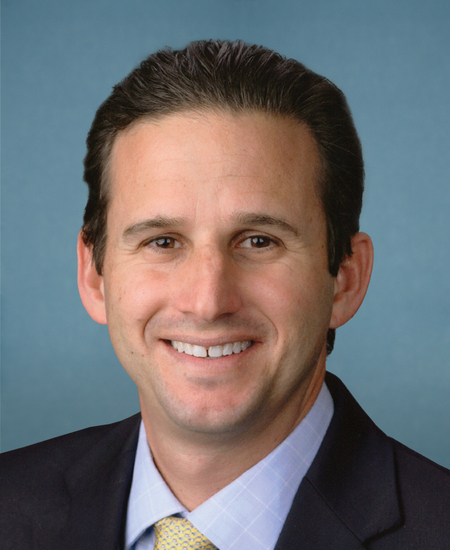
Brian Schatz
0% support rate
Ranked legislators
10
5 support · 5 oppose
Key legislators

Who's moving housing finance in United States

Legislators moving housing finance in United States
Legislator Party Stance Support rate Votes
Adam B. Schiff
Adam B. Schiff Senate
D
Strong +
100% 3
Alex Padilla
Alex Padilla Senate
D
Strong +
100% 3
Amy Klobuchar
Amy Klobuchar Senate
D
Strong +
100% 3
Andy Kim
Andy Kim Senate
D
Strong +
100% 3
Angela D. Alsobrooks
Angela D. Alsobrooks Senate
D
Strong +
100% 3
Brian Schatz
Brian Schatz Senate
D
Strong −
0% 3
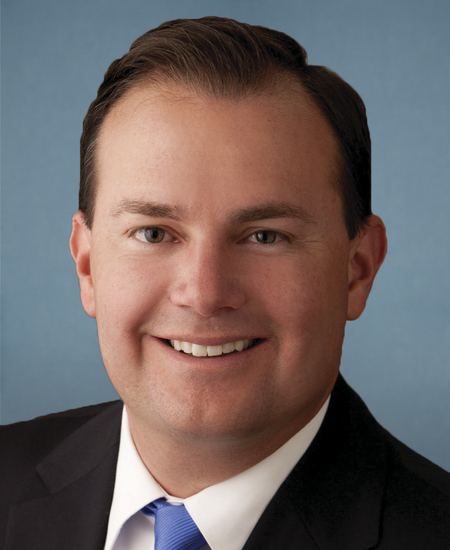
Mike Lee
Mike Lee Senate
R
Strong −
0% 3
Rand Paul
Rand Paul Senate
R
Strong −
0% 3
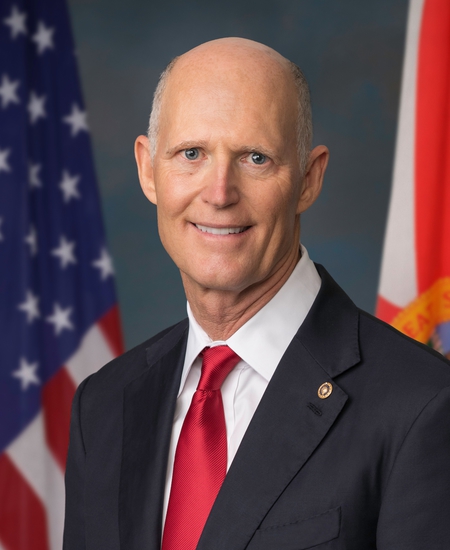
Rick Scott
Rick Scott Senate
R
Strong −
0% 3
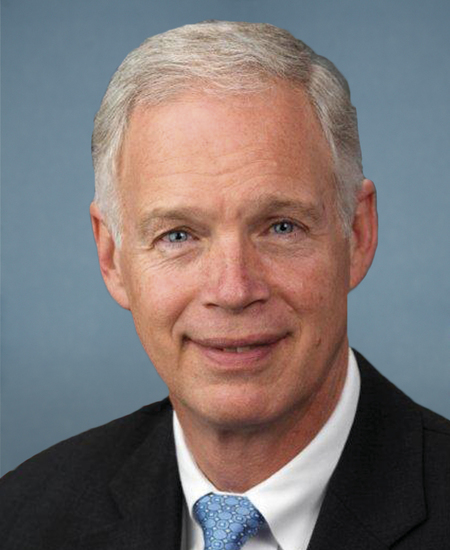
Ron Johnson
Ron Johnson Senate
R
Strong −
0% 3
Showing 81–90 of 154 bills

All housing bills

in committee · United States · House Oct 31, 2025

HR 5878: HOME Reform Act of 2025

The HOME Reform Act of 2025 updates the HOME Investment Partnerships program by changing eligibility criteria for affordable housing assistance. It replaces "low-income" with a specific definition requiring household income not to exceed 100% of the area median family income, and creates a new definition for "infill housing projects" that must be on previously disturbed land within developed areas. The bill allows funds to be used for infrastructure improvements like water and sewer lines adjacent to affordable housing, and streamlines environmental reviews for certain housing projects to reduce bureaucratic delays. These changes affect local governments and housing organizations administering the HOME program, making it easier to develop affordable housing in existing neighborhoods.
in committee · United States · House Feb 6, 2025

HR 1042: Project Turnkey Act

The Project Turnkey Act establishes a $1 billion annual federal program to fund affordable housing for vulnerable populations. It provides grants to states, local governments, nonprofits, and community housing organizations to develop or convert properties (like hotels or vacant buildings) into housing for homeless individuals, those at risk of homelessness, domestic violence survivors, and youth experiencing homelessness. Key provisions include limiting administrative costs to 15% of funds, allowing up to 5% for supporting community housing organizations, and waiving certain existing housing program requirements to accelerate project development. Funds must supplement - never replace - state or local housing investments and remain available until 2035.
in committee · United States · House Nov 20, 2025

HR 6217: Revitalize Our Neighborhoods Act of 2025

The Revitalize Our Neighborhoods Act of 2025 creates a competitive grant program administered by the Department of Housing and Urban Development (HUD) to eliminate blight and revitalize neighborhoods. It provides funding specifically for states, local governments, or multi-jurisdictional entities to carry out activities like demolishing deteriorated structures, boarding vacant properties, renovating abandoned buildings, and constructing affordable housing - all limited to low-income communities. Recipients must contribute at least 15% in matching funds (from federal programs, local sources, or property sales) and submit detailed 5-year plans for how the funds will be used. The bill prohibits using funds to acquire occupied homes and requires annual reports on project outcomes, geographic distribution, and populations assisted.
in committee · United States · House Feb 17, 2026

HR 7597: Affordable Housing Barriers Transparency Act

HR 7597, the Affordable Housing Barriers Transparency Act, requires the Department of Housing and Urban Development (HUD) to identify and analyze significant regulatory barriers to affordable housing in its annual report. Specifically, it amends HUD's reporting requirements to include a list of these barriers - defined as rules or requirements that hinder affordable housing development - and discuss how to reduce or remove them. This transparency measure directly affects HUD's reporting process, not housing residents or developers. The bill aims to provide clear data to help policymakers understand and address obstacles in creating affordable housing. It does not create new regulations or funding but focuses on making existing barriers visible for potential solutions.
in committee · United States · House Jun 12, 2025

HR 3964: Affordable Housing Equity Act of 2025

The Affordable Housing Equity Act of 2025 increases tax credits for developers building housing designated for extremely low-income households. It allows developers to claim a 150% increase in the eligible tax credit basis for units where at least 20% of residents earn 30% of local median income or 100% of the federal poverty line. This change directly affects housing developers and low-income renters in qualifying projects by making such developments more financially feasible. The policy modifies existing tax credit rules under Section 42 of the Internal Revenue Code, applying to projects receiving credit allocations after the bill's enactment or with obligations after December 31, 2025.
in committee · United States · House Jan 7, 2026

HR 6957: Yes in God's Backyard Act

This bill creates two key programs to expand affordable rental housing on property owned by faith-based organizations and institutions of higher education. It provides $25 million in fiscal year 2026 for technical assistance to help these groups understand how to develop or preserve affordable housing (renting at or below 30% of household income), and $50 million annually from 2026-2031 for competitive challenge grants to local governments that remove barriers to such housing. The grants specifically target housing for households at or below 60% of area median income, homeless individuals/families (including veterans), people with disabilities, and intergenerational families. These programs directly affect faith-based groups, schools, and local governments seeking to increase affordable housing supply on their owned properties.
in committee · United States · House Jul 23, 2025

HR 4717: First-Time Homebuyer Tax Credit Act of 2025

HR 4717 creates a refundable tax credit of up to 10% of a home's purchase price (capped at $15,000) for first-time homebuyers purchasing a principal residence in the United States. The credit is subject to limitations based on modified adjusted gross income (phased out if income exceeds 150% of the area median income) and home price relative to area median purchase prices in the buyer's location. Homebuyers must meet age requirements (at least 18 years old), not have owned a home in the past three years, and purchase with a federally backed mortgage. The credit is subject to a four-year recapture period if the home is sold within that timeframe, and taxpayers may transfer the credit to their mortgage lender as a down payment or closing cost assistance.
in committee · United States · House Mar 11, 2025

HR 2064: Home of Your Own Act of 2025

HR 2064 establishes a federal grant program through HUD to provide up to $30,000 in assistance per household for first-time homebuyers purchasing qualifying homes. The program helps low-to-moderate income individuals (earning ≤120% of local median income, or 150% in high-cost areas) cover down payments, closing costs, or home modifications needed for occupancy. Recipients must live in the home as a primary residence for 5 years; failure to do so requires partial repayment proportional to non-occupancy. The bill authorizes $6.7 billion annually (2026-2030), reserves 3% for tribes, and excludes assistance from federal taxation.
in committee · United States · House Sep 3, 2025

HR 5105: UNLOCK Act

HR 5105, the UNLOCK Act, amends the Housing and Community Development Act of 1974 to expand eligibility for federal housing funds. It allows metropolitan cities, urban counties, states, local governments, insular areas, and tribal entities to use Section 106 funds for constructing new residential housing for low- and moderate-income residents, with or without nonprofit partnerships. The key change adds a new funding category (paragraph 27) to existing housing programs, streamlining access to resources for affordable housing projects. This bill directly affects local governments and tribal entities seeking to build or support affordable housing without requiring mandatory nonprofit involvement.
in committee · United States · House Nov 21, 2025

HR 6270: Modular Housing Production Act

This bill requires the Secretary of Housing and Urban Development to review Federal Housing Administration (FHA) construction financing programs for barriers preventing modular home developers from participating. The review will identify issues like payment timing during construction (draw schedules) and recommend changes to simplify access. Within one year, HUD must publish a report with these findings and potential policy adjustments. If changes are recommended, HUD would then propose a new payment schedule for modular home projects through a public comment process. The bill does not immediately change programs but sets a process to address existing obstacles for developers of modular homes.
Showing 81 to 90 of 154 bills
Previous 1 8 9 10 16 Next