Issue · Housing

Housing (Affordable Housing)

Every housing bill, vote, and legislator stance in United States, automatically classified by Maddy, our AI policy reader.

Total bills
225
119th Congress
Top supporter
Adam B. Schiff
100% support rate
Top opponent
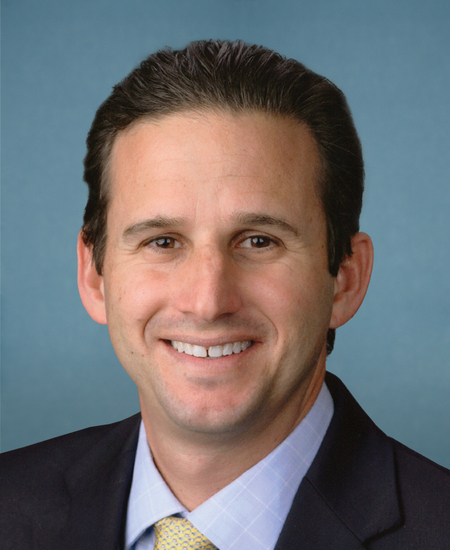
Brian Schatz
0% support rate
Ranked legislators
10
5 support · 5 oppose
Key legislators

Who's moving affordable housing in United States

Legislators moving affordable housing in United States
Legislator Party Stance Support rate Votes
Adam B. Schiff
Adam B. Schiff Senate
D
Strong +
100% 3
Alex Padilla
Alex Padilla Senate
D
Strong +
100% 3
Amy Klobuchar
Amy Klobuchar Senate
D
Strong +
100% 3
Andy Kim
Andy Kim Senate
D
Strong +
100% 3
Angela D. Alsobrooks
Angela D. Alsobrooks Senate
D
Strong +
100% 3
Brian Schatz
Brian Schatz Senate
D
Strong −
0% 3
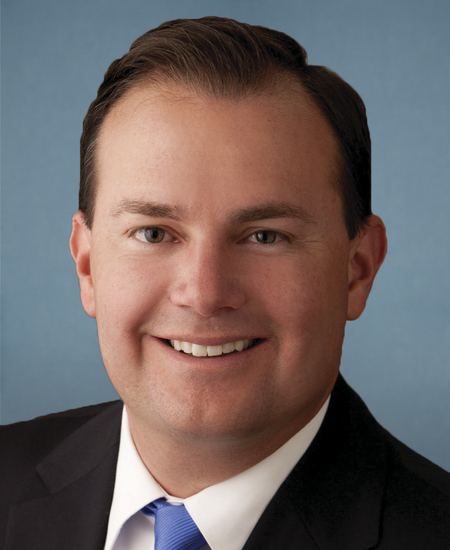
Mike Lee
Mike Lee Senate
R
Strong −
0% 3
Rand Paul
Rand Paul Senate
R
Strong −
0% 3
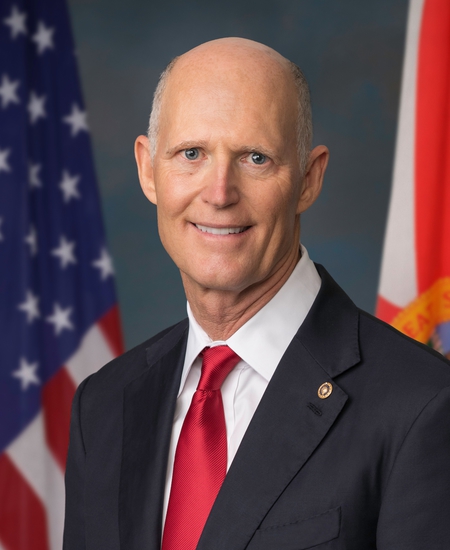
Rick Scott
Rick Scott Senate
R
Strong −
0% 3
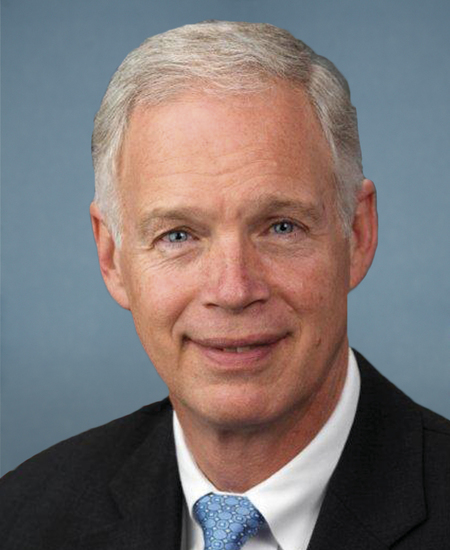
Ron Johnson
Ron Johnson Senate
R
Strong −
0% 3
Showing 201–210 of 225 bills

All housing bills

in committee · United States · House Dec 17, 2025

HR 6771: Housing Crisis Response Act of 2025

The Housing Crisis Response Act of 2025 is a comprehensive federal bill that provides substantial new funding to address the housing affordability crisis. It directly affects low- and moderate-income households, seniors, people with disabilities, and rural communities through expanded access to affordable housing. Key mechanisms include $10 billion for public housing repairs and construction, $15 billion for housing vouchers, $1.8 billion for rural rental housing, and new requirements for housing accessibility and energy efficiency. The bill also establishes a Community Restoration and Revitalization Fund to support community-led housing initiatives and creates new downpayment assistance programs for first-generation homebuyers. Overall, it represents a major federal investment in creating and preserving affordable housing across multiple housing program categories.
Sub-Topics Affordable Housing Homeownership Tenant Rights Tags Rural Communities
in committee · United States · House Oct 21, 2025

HR 5798: HOME Reform Act of 2025

The HOME Reform Act of 2025 updates the HOME Investment Partnerships Program to improve affordable housing access. It redefines eligibility by requiring household income to not exceed 100% of the area median family income (replacing vague "low-income" terms), expands infrastructure funding for nonentitlement areas to support housing-related utilities, and adds new definitions for "infill housing projects" (e.g., projects on previously disturbed land within developed areas). Key provisions include exceptions for military members and heirs of deceased homeowners to maintain affordability, streamlined environmental reviews for certain projects, and removal of a 24-month deadline for unused funds. The bill directly affects low-income families, housing developers, and local jurisdictions administering HOME funds.
in committee · United States · Senate Feb 3, 2026

S 3768: ABODE Act

S 3768 (ABODE Act) creates a HUD grant program for developers to build or rehabilitate affordable homes for households earning no more than 50% of area median income. Grants require projects to reduce development costs while meeting specific energy efficiency, resiliency, and accessibility standards - particularly for people with disabilities. Priority is given to projects in areas with severe housing shortages or using universal design. HUD must report to Congress within two years on funded projects, home pricing, and cost savings from the efficiency measures.
Sub-Topics Energy Efficiency Affordable Housing Building Codes Housing Finance Tags People with Disabilities
in committee · United States · Senate Sep 19, 2025

S 2915: SPUR Housing Act

S 2915, the SPUR Housing Act, establishes a new $50 million annual grant program (2026-2030) to support emerging developers of affordable housing. The bill directs the Department of Housing and Urban Development (HUD) to award competitive grants to nonprofit housing organizations and community development financial institutions (CDFIs), which must use funds to provide emerging developers - defined as those with limited experience, capital, or focus on distressed communities - with financing (like predevelopment loans), capacity-building training, and technical assistance. Key provisions require grantees to help developers secure capital, manage budgets, navigate tax credits, and build partnerships with institutions of higher education. The program prioritizes support for developers targeting affordable housing projects in distressed communities and high-opportunity areas.
in committee · United States · Senate Mar 11, 2025

S 943: PRICE Act

The PRICE Act establishes a federal grant program to improve affordable manufactured housing communities, primarily benefiting low- and moderate-income residents living in these communities. Eligible recipients - including resident-owned cooperatives, local governments, community development organizations, and tribal entities - can apply for competitive grants to fund infrastructure upgrades, housing repairs, weatherization, accessibility improvements, and resident services like eviction prevention. Grants prioritize projects that preserve long-term affordability and enhance safety and living conditions, with funds authorized through annual appropriations and a set-aside for tribal communities. The program aims to support sustainable community development while maintaining housing affordability standards.
in committee · United States · Senate Oct 28, 2025

S 3067: Innovation Fund Act

S 3067, the Innovation Fund Act, establishes a competitive grant program administered by the Department of Housing and Urban Development (HUD) to help eligible cities, counties, and tribes increase local housing supply. The program provides annual grants (ranging from $250,000 to $10 million) to entities that have demonstrated improved housing supply growth, with priority given to innovative zoning reforms and initiatives that expand "attainable housing" (housing serving households at 60-120% of area median income). Grants can fund activities like revising parking requirements, eliminating restrictive zoning, streamlining permitting, and creating mixed-income developments. The bill authorizes $200 million annually (adjusted for inflation) for fiscal years 2027-2031 and explicitly states it does not override local zoning laws or affect existing housing program requirements.
in committee · United States · House Apr 8, 2025

HR 2747: Healthy Affordable Housing Act

HR 2747, the Healthy Affordable Housing Act, creates a HUD grant and loan program to fund affordable housing developments in neighborhoods lacking such housing. It requires new or preserved affordable units to be located within one mile of at least two specific community amenities, such as health centers, grocery stores accepting food assistance, childcare providers, pharmacies, or public transit. The program authorizes $100 million annually (2025-2029) for eligible entities like local governments, tribes, or housing organizations, with preference given to projects near multiple required amenities. HUD must also conduct 10-year resident surveys to evaluate benefits of proximity to these amenities and report findings to Congress.
in committee · United States · House Mar 3, 2025

HR 1769: Local Zoning Decisions Protection Act of 2025

This bill nullifies specific Department of Housing and Urban Development (HUD) rules and notices related to "Affirmatively Furthering Fair Housing," including the 2015 final rule, 2021 interim rule, and 2023 proposed rule, as well as a 2015 notice about housing disparity assessments. It prohibits federal funding for a geospatial database tracking racial disparities in housing access or community housing inequities. The bill requires HUD to consult with state, local, and public housing agency officials to develop recommendations for fair housing implementation, mandating consensus-based reporting and public comment periods. This directly affects local governments, state housing officials, and public housing agencies by limiting federal oversight of local zoning decisions and housing policy enforcement.
in committee · United States · House Feb 12, 2025

HR 1231: START Housing Act of 2025

This bill reauthorizes the Recovery Housing Program through 2031, extending its current funding period and changing how states receive funds. It directs the Secretary to prioritize states with the highest need based on four specific data points: unemployment rates (2019-2023), low labor force participation, drug overdose deaths, and unsheltered homelessness counts. States must use these funds to supplement, not replace, existing housing funding and consult with local housing groups before implementing programs. The bill also allows 2% of funds for technical assistance and best practices sharing.
in committee · United States · House Feb 1, 2025

HR 891: Pro-Housing Act of 2025

HR 891, the Pro-Housing Act of 2025, provides federal grants and low-cost loans to states, cities, and tribes to develop and implement local housing plans. It requires recipients to address housing supply, affordability, and accessibility for all income levels while avoiding displacement of current residents, with priority given to plans that improve transit-accessible housing near job centers. The bill allocates $200 million annually for 2026-2031, mandates 20% of funds for rural or exurban areas, and includes a pilot program to transfer unused federal property for affordable housing development. It also requires annual reports on progress and a 5-year study to evaluate the program's impact on housing supply and affordability.
Sub-Topics Affordable Housing Land Use Zoning Tags Rural Communities
Showing 201 to 210 of 225 bills
Previous 1 20 21 22 23 Next